9 Ways to a Complete Hair Care Regimen for Healthy Hair

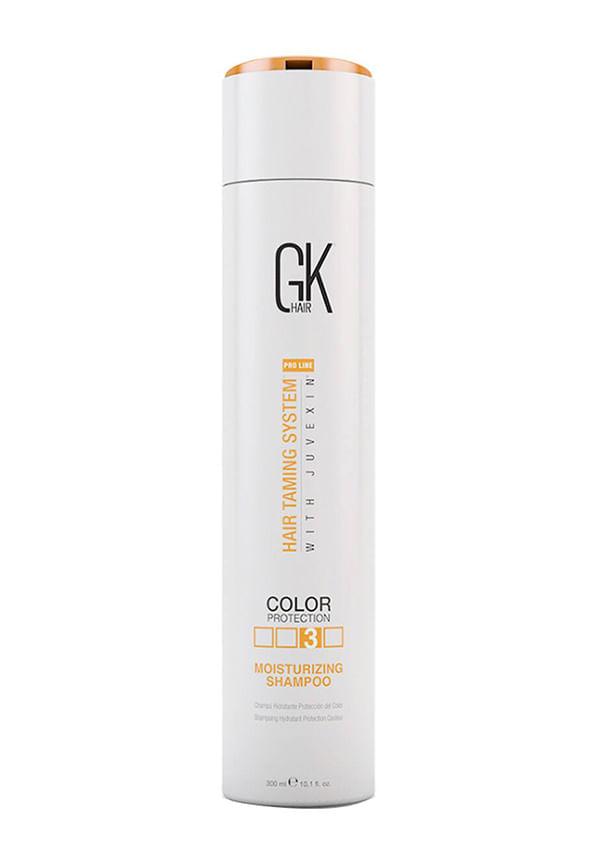
Moisturizing Shampoo Color Protection
You know that moment when you catch your reflection and think, "When did my hair start looking so... tired?" Maybe it's the dullness that crept in, or the way your ends seem to have their own agenda. Real talk — most of us have been winging our hair care routine, grabbing whatever's on sale and hoping for the best. But here's the thing: healthy hair isn't about luck or expensive salon visits. It's about building a complete hair care regimen that actually works for your hair's unique needs. Ready to stop guessing and start getting results?
Let's be honest — scrolling through endless hair tutorials can leave you more confused than when you started. A complete hair care regimen isn't about following every trend or using twenty different products. It's built on four simple pillars: cleanse, treat, nourish, and protect.
Think of your hair care routine like building a house. You wouldn't start with the roof, right? The foundation matters. Cleansing removes buildup and creates a clean slate. Treating addresses specific concerns like dryness or damage. Nourishing feeds your hair and scalp the good stuff they need. Protecting shields against daily damage from heat, pollution, and styling.
The magic happens when you customise this framework for your hair type and lifestyle. Fine hair needs lightweight moisture, whilst thick, coarse hair craves richer formulas. Oily scalps benefit from frequent cleansing, but dry scalps need gentler, less frequent washing. Your routine should feel sustainable, not like a part-time job.
Common mistakes? Overwashing, using products meant for different hair types, skipping heat protection, and expecting overnight miracles. Hair health is a marathon, not a sprint.
Your shampoo game sets the tone for everything else. But here's what nobody tells you: how often you wash matters more than which shampoo you use. Oily hair types might need daily cleansing, whilst dry or chemically treated hair thrives with 2-3 washes per week.
Scalp health maintenance starts with understanding your scalp type. Itchy, flaky scalp? You might need a clarifying shampoo once a week to remove product buildup. Sensitive scalp? Look for sulphate-free formulas that cleanse without stripping.
Pre-shampoo treatments are your secret weapon for healthy hair tips that actually work. Applying oil to your lengths before shampooing protects against harsh cleansing agents. Coconut oil for normal hair, argan oil for damaged hair, or jojoba oil for fine hair — pick your player.
Water temperature matters too. Hot water feels amazing but strips natural oils and opens hair cuticles, leading to frizz and damage. Lukewarm water cleanses effectively whilst keeping your hair's natural moisture intact. Finish with a cool rinse to seal cuticles and add shine.
Weekly deep conditioning isn't optional — it's essential for any complete hair care regimen. Your hair faces daily stress from brushing, styling, and environmental factors. Deep conditioning repairs damage and prevents future breakage.
Understanding protein versus moisture balance is crucial for effective hair repair solutions. Damaged, chemically treated hair often needs protein to rebuild structure. Dry, brittle hair typically needs moisture to restore flexibility. Over-proteined hair feels stiff and breaks easily. Over-moisturised hair feels mushy and lacks bounce.
DIY treatments work brilliantly for maintenance, but professional treatments tackle serious damage. Homemade masks with ingredients like honey, avocado, or yoghurt provide gentle nourishment. Salon treatments with concentrated actives address specific concerns more intensively.
Leave-in conditioner application technique makes all the difference. Apply to damp hair from mid-length to ends, avoiding roots unless you have very dry hair. Use a wide-tooth comb to distribute evenly, then style as usual.
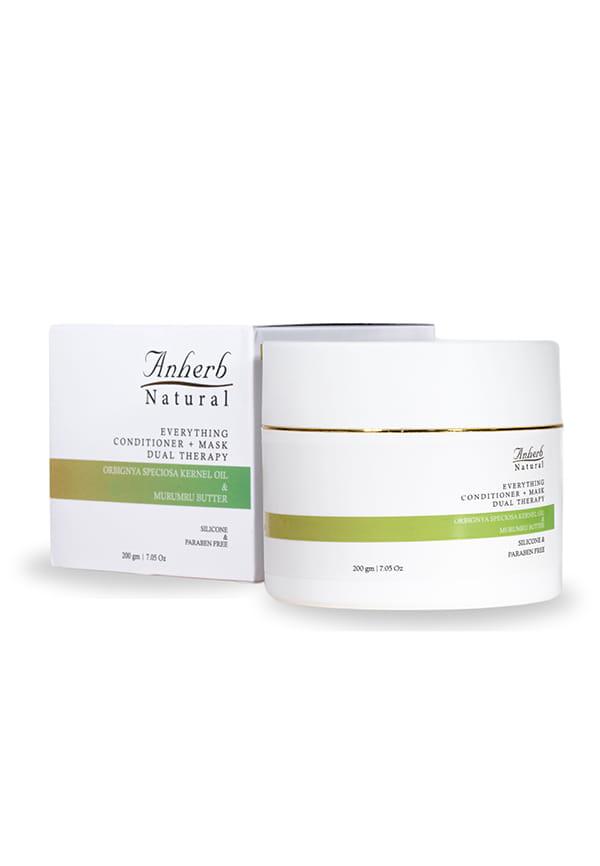
Everything Conditioner & Mask| Orbignya Speciosa Kernel Oil
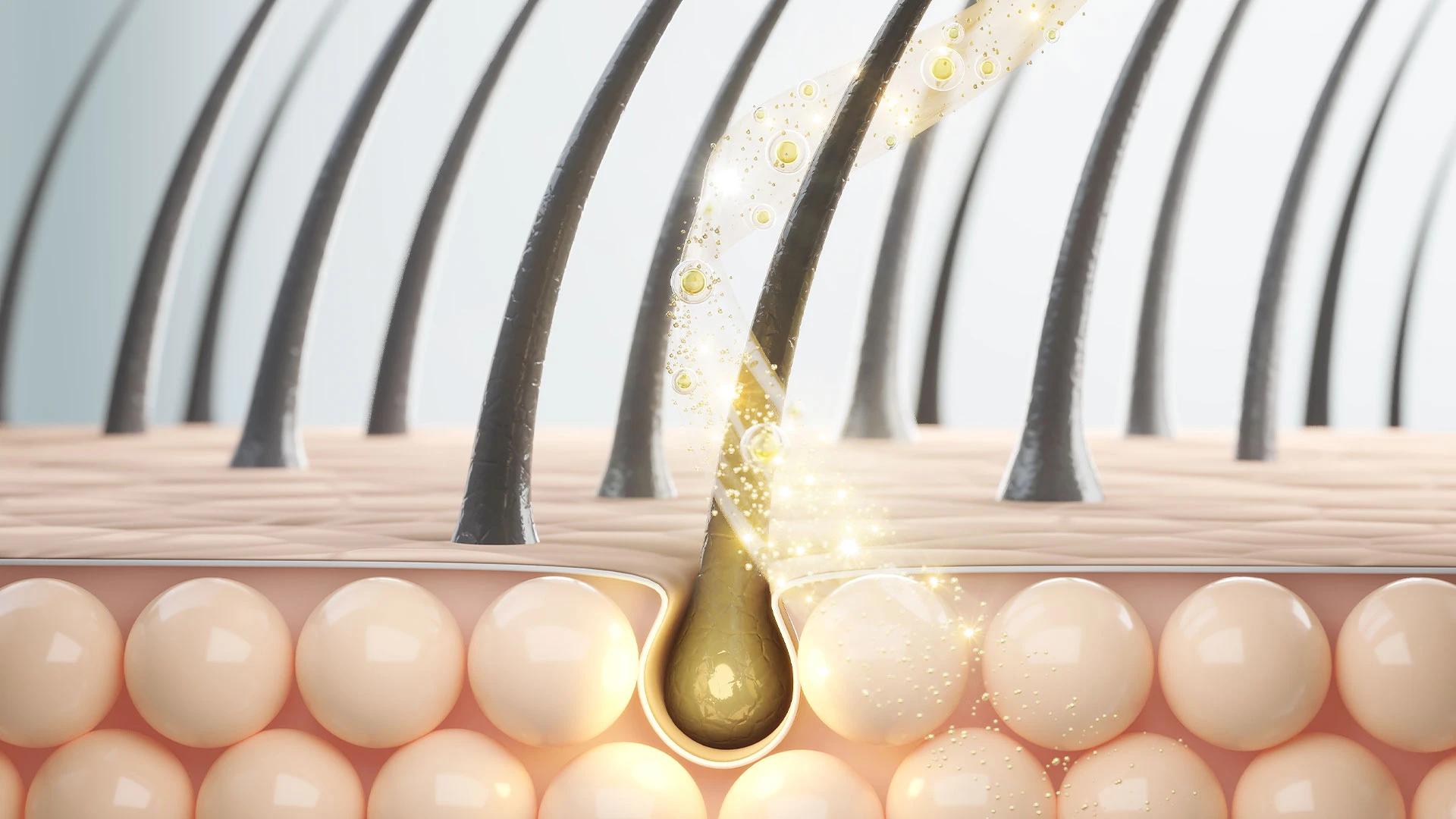
Your scalp is where healthy hair begins. Think of it as the soil for your hair garden — if it's not healthy, nothing else will thrive. Scalp massage techniques boost circulation, bringing nutrients to hair follicles and promoting growth.
Spend five minutes before washing massaging your scalp with fingertips (not nails) in circular motions. Start at your hairline and work towards the crown. This simple practice can improve hair thickness over time whilst feeling incredibly relaxing.
Scalp exfoliation removes dead skin cells and product buildup that can clog follicles. Use a gentle scalp scrub once a week or create your own with brown sugar and your favourite oil. Focus on areas where you apply the most product.
Natural oils provide targeted scalp nourishment. Tea tree oil treats dandruff and itchiness. Rosemary oil may stimulate hair growth. Peppermint oil increases circulation. Always dilute essential oils with a carrier oil like coconut or jojoba before applying.
Real talk — no topical treatment can fix nutritional deficiencies. Your hair nourishment guide starts from within. Hair is essentially dead protein, so what you eat directly impacts its strength, shine, and growth rate.
Essential nutrients for hair health include protein (obviously), iron, zinc, biotin, and vitamins A, C, D, and E. Eggs, fish, leafy greens, nuts, and seeds should be regulars in your diet. Deficiencies in any of these can lead to hair loss, thinning, or poor growth.
Hydration plays a massive role in hair health. Dehydrated hair looks dull, feels brittle, and breaks easily. Aim for eight glasses of water daily, and notice how your hair responds over a few weeks.
Supplements can help, but they're not magic pills. Biotin, collagen, and iron supplements may benefit those with deficiencies, but they won't transform healthy hair overnight. Always consult a healthcare provider before starting new supplements.
Heat styling doesn't have to mean hair damage, but it requires smart strategies. Temperature guidelines vary by hair type: fine hair should stay below 300°F (150°C), medium hair can handle up to 350°F (175°C), and thick, coarse hair might need up to 400°F (200°C).
Product application order matters for effective protection. Apply heat protectant to damp hair before blow-drying, then add a light oil or serum to dry hair before using hot tools. This creates multiple barriers against heat damage.
Air-drying techniques can reduce heat exposure significantly. Try plopping curly hair in a microfibre towel, braiding damp hair for waves, or using foam rollers for volume without heat. Your hair will thank you for the break.
UV protection isn't just for your skin. Hair colour fades and protein structures weaken under sun exposure. Look for hair products with UV filters, or wear a hat during extended sun exposure.
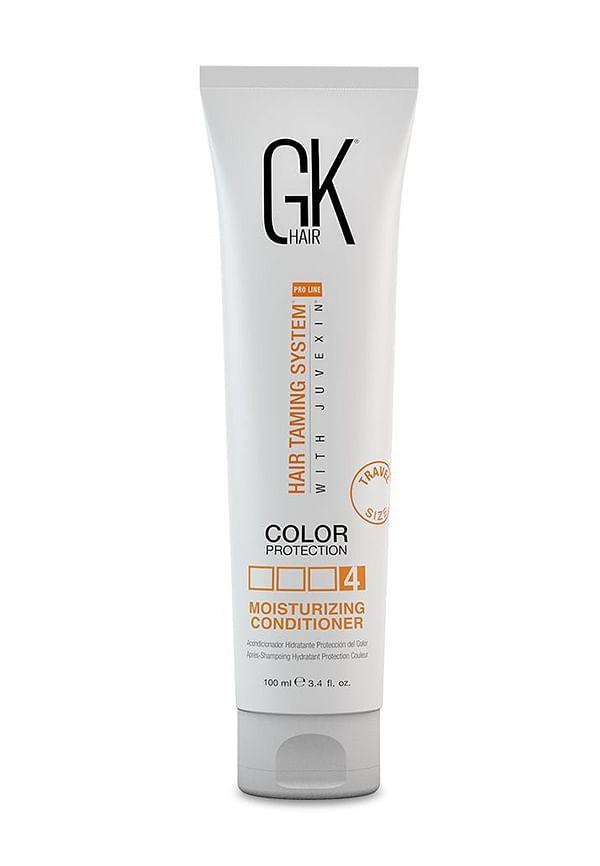
Moisturizing Conditioner Color Protection
Consistency beats intensity when it comes to hair treatments. A weekly treatment routine addresses damage before it becomes severe and maintains your hair's health baseline.
Rotate different types of treatments based on your hair's needs. Week one might be a protein treatment for strength, week two a moisture mask for hydration, week three a scalp treatment for growth, and week four a clarifying treatment for reset.
Protein treatments work wonders for chemically damaged or over-processed hair. Look for ingredients like hydrolysed proteins, keratin, or amino acids. These fill in gaps in damaged hair cuticles, temporarily strengthening and smoothing strands.
Oil treatments suit most hair types but require different approaches. Fine hair benefits from lighter oils like argan or grapeseed applied sparingly. Thick, coarse hair can handle heavier oils like coconut or castor oil applied generously.
Your styling routine can either support or sabotage your hair health goals. Damage-free styling starts with the right tools and techniques, not just the right products.
Invest in quality tools that work with your hair type. Ceramic or tourmaline flat irons distribute heat evenly. Ionic blow dryers reduce frizz. Wide-tooth combs prevent breakage on wet hair. Silk or satin pillowcases reduce friction while you sleep.
Protective hairstyles aren't just for textured hair — everyone benefits from giving their hair a break. Loose braids, low buns, or silk scrunchies prevent tension and breakage. Avoid tight elastics or metal clips that can snag and damage hair.
Product layering requires strategy. Start with leave-in treatments, add heat protection if styling, then finish with oils or serums for shine. Less is often more — overloading hair with products can weigh it down and attract dirt.
Your kitchen holds some surprisingly effective hair care ingredients. Natural hair care practices can complement your regular routine whilst being gentle on both your hair and wallet.
Honey acts as a humectant, drawing moisture into hair. Mix with olive oil for a hydrating mask. Apple cider vinegar clarifies buildup and balances pH when diluted with water. Avocado provides rich moisture for dry, damaged hair.
Chemical-free alternatives work well for maintenance but may not address severe damage. Rice water rinses can add shine and strength. Aloe vera gel soothes irritated scalps. Green tea rinses may stimulate growth and add shine.
Seasonal adjustments keep your routine relevant year-round. Winter calls for extra moisture and protection from dry indoor air. Summer requires UV protection and lighter products that won't weigh hair down in humidity.
The most effective complete hair care regimen is one you'll actually follow. Your schedule should fit your lifestyle, not fight against it.
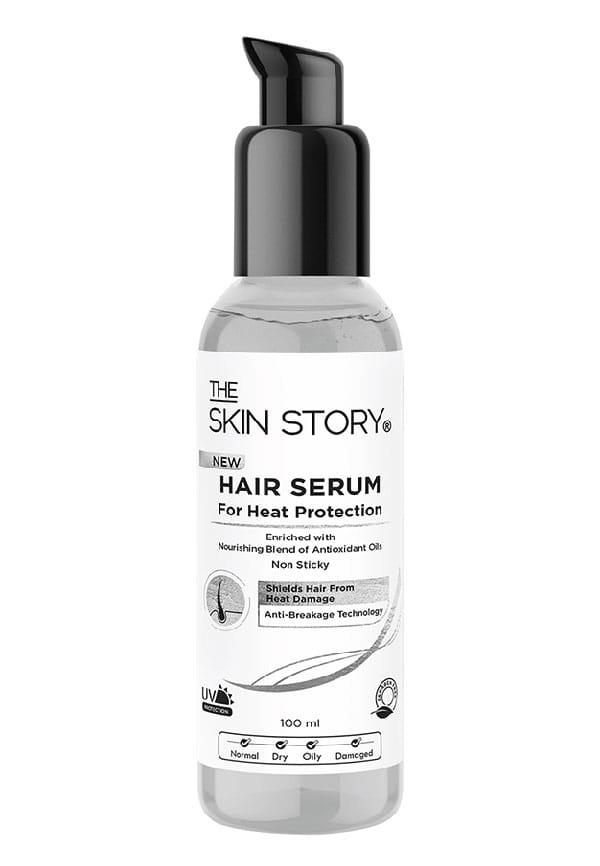
Hair Serum For Heat Protection, UV Protection With Anti Breakage Technology | Non-Sticky
Daily practices might include gentle brushing, applying leave-in conditioner, and protecting hair before bed. Weekly tasks could include deep conditioning, scalp treatments, and clarifying washes. Monthly goals might involve trimming split ends or trying new treatments.
Morning routines focus on protection and styling. Evening routines emphasise repair and preparation for overnight recovery. Adjust timing based on your schedule — consistency matters more than perfection.
Track your progress with photos and notes about how your hair feels. This helps you identify what's working and what needs adjustment. Hair changes with seasons, stress levels, and life stages, so your routine should evolve too.
A perfect hair care routine balances cleansing, conditioning, treating, and protecting based on your specific hair type and concerns. It includes daily practices like gentle brushing and protection, weekly treatments like deep conditioning, and monthly maintenance like trims. The key is consistency and customisation rather than complexity.
High porosity hair absorbs moisture quickly but loses it just as fast. Focus on protein treatments to fill gaps in damaged cuticles, use heavier oils and creams to seal moisture, and apply products to damp hair for better absorption. Avoid over-washing and always use cool water for final rinses.
Hormonal changes during menopause can make hair drier and more prone to frizz. Increase moisture with weekly deep conditioning treatments, use sulphate-free shampoos, incorporate hormone-balancing ingredients like saw palmetto, and consider silk pillowcases to reduce friction. Gentle handling becomes even more important.
Focus on scalp health with regular massage and exfoliation, ensure adequate protein and iron intake, use growth-stimulating ingredients like rosemary oil or caffeine, protect against breakage with gentle handling, and maintain consistent moisture levels. Results typically become visible after 3-6 months of consistent care.
Building a complete hair care regimen isn't about perfection — it's about progress. Start with the basics: gentle cleansing, regular conditioning, and consistent protection. Add treatments and techniques gradually as you learn what your hair responds to best.
Remember, healthy hair is a reflection of overall wellness. Your routine should feel nurturing, not stressful. Some days you'll follow every step, other days you'll do the bare minimum, and that's perfectly fine.
The beauty industry offers endless options, which can feel overwhelming. Smytten's curated selection of premium haircare brands makes it easier to discover products that actually work for your hair type and concerns. Not sure which products suit your specific needs? Smytten also offers trial-size versions of many haircare essentials — a smart way to test before investing in full-size bottles.
