9 Ways Rainwater Hair Defense Boosts Growth & Shine

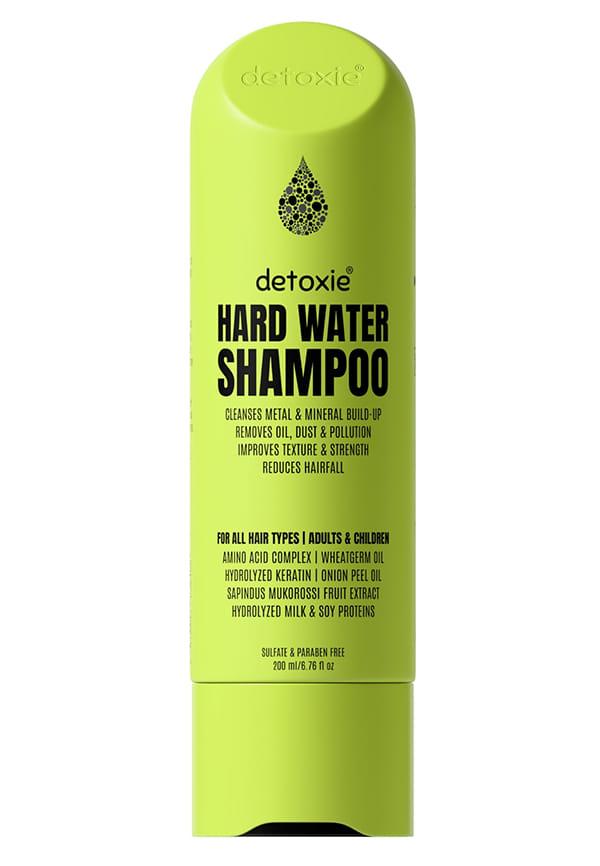
Hard Water Relief, Hair Fall Control & Pro Growth Shampoo
Picture this: you're caught in a sudden downpour, and while everyone else is frantically covering their hair, you're wondering if this could actually be good for your locks. The internet's buzzing with claims about rainwater being nature's ultimate hair treatment, but let's be real — with all the pollution floating around, is it actually safe? The truth is, rainwater hair defense isn't just about getting soaked in the rain. It's about understanding how to harness the potential benefits while protecting your hair from the not-so-great stuff that comes with urban precipitation.
Before we dive into the benefits of rainwater for hair, let's talk chemistry. Pure rainwater has a naturally acidic pH of around 5.6, which is actually closer to your hair's natural pH than most tap water. This means it can help seal your hair cuticles, leading to smoother, shinier strands. Unlike hard water that's loaded with minerals like calcium and magnesium, clean rainwater is essentially distilled water from the sky — free from the buildup-causing minerals that can make your hair feel dull and lifeless.
But here's where it gets tricky. Urban rainwater picks up pollutants as it falls through the atmosphere, including dust, chemicals, and even bacteria. Rural rainwater tends to be cleaner, but it's still not the pure H2O our ancestors enjoyed. This is why rainwater hair defense strategies focus on safe collection and treatment methods rather than just stepping outside during the next storm.
Your hair's cuticle layer responds beautifully to slightly acidic conditions. When you use rainwater that's been properly treated, it can help flatten those cuticles, reducing frizz and boosting shine. This is particularly beneficial if you're dealing with hard water at home that leaves your hair feeling rough and tangled.
If you're wondering how to collect rainwater for hair, safety should be your top priority. The key is avoiding the first few minutes of rainfall, which tend to wash the most pollutants out of the air and off surfaces. Set up a clean collection system using food-grade containers, and always filter and treat the water before using it on your hair.
Start with a first-flush diverter if you're collecting from rooftops — this device automatically discards the initial flow of water that contains the highest concentration of contaminants. Store your collected rainwater in dark, cool places to prevent bacterial growth, and use it within a week for the best results.
Before using rainwater to wash hair, test its quality. pH testing strips can tell you if the water is too acidic or alkaline, while TDS (Total Dissolved Solids) meters measure mineral content. If your rainwater tests show extreme pH levels or high contamination, it's better to skip the natural treatment and stick to filtered tap water.
The simplest rainwater hair treatment starts with boiling your collected water for at least 10 minutes to kill bacteria and evaporate some chemical pollutants. Let it cool completely before use. This method works well for occasional treatments but isn't practical for daily use.
Natural filtration using activated charcoal can remove many chemical contaminants from rainwater. Create a simple filter system using food-grade activated charcoal in a clean cloth or coffee filter. This method is particularly effective for removing chlorine and organic pollutants that might have been absorbed during rainfall.
Salon Secret High Shine Conditioning Hair Colour
If you're serious about rainwater hair care, consider investing in a UV sterilisation system. These devices use ultraviolet light to kill bacteria and viruses without adding chemicals to your water. It's a more advanced option but provides excellent purification for regular use.
For those new to using rainwater to wash hair, start with a 50-50 mix of treated rainwater and filtered tap water. This reduces the risk of adverse reactions while still providing some benefits. Gradually increase the rainwater ratio as your hair adjusts to the treatment.
Use lukewarm rainwater for the best results. Hot water can strip your hair of natural oils, while cold water might not effectively remove buildup. The ideal temperature is just slightly warm to the touch — comfortable enough that you'd drink it.
Even the cleanest rainwater shouldn't replace your regular hair care routine entirely. Use it as a natural hair rinse rainwater treatment once or twice a week maximum. This gives you the benefits without overwhelming your hair and scalp with unfamiliar water chemistry.
Create a powerful rainwater hair mask by infusing your treated rainwater with herbs like rosemary for growth, chamomile for shine, or neem for scalp health. Steep the herbs in warm rainwater for 20 minutes, strain, and use as a final rinse after shampooing.
Add a few drops of hair-friendly essential oils to your rainwater treatment. Tea tree oil can help with scalp issues, while lavender promotes relaxation and may support hair growth. Never use essential oils directly — always dilute them properly in your rainwater mixture.
Always follow rainwater treatments with a light conditioner or leave-in treatment. While rainwater can help with shine and manageability, it doesn't provide the moisture and protection that modern conditioning agents offer. This step ensures your hair stays healthy and hydrated.
The benefits of rainwater for hair vary depending on your specific hair type and concerns. Understanding these differences helps you tailor your approach for maximum effectiveness.
Hair Styling Ultra Shine Pomade for Strong Hold and Wet Look Hairstyle
If you're dealing with dry, brittle strands, rainwater for dry hair can be particularly beneficial. The soft nature of properly treated rainwater helps remove mineral buildup that can make dryness worse. The slightly acidic pH also helps seal the hair cuticle, locking in moisture more effectively than hard water.
For dry hair, use rainwater as a final rinse after conditioning, not as a replacement for moisturising treatments. The goal is to remove buildup while preserving the hydration your hair desperately needs.
Those with oily hair might find rainwater for oily hair particularly helpful for balancing sebum production. The gentle cleansing properties can remove excess oil without triggering the scalp to produce even more. However, be cautious not to over-cleanse, as this can lead to rebound oil production.
Use rainwater treatments every other wash for oily hair types, and always follow up with a lightweight, oil-free conditioner on the lengths and ends.
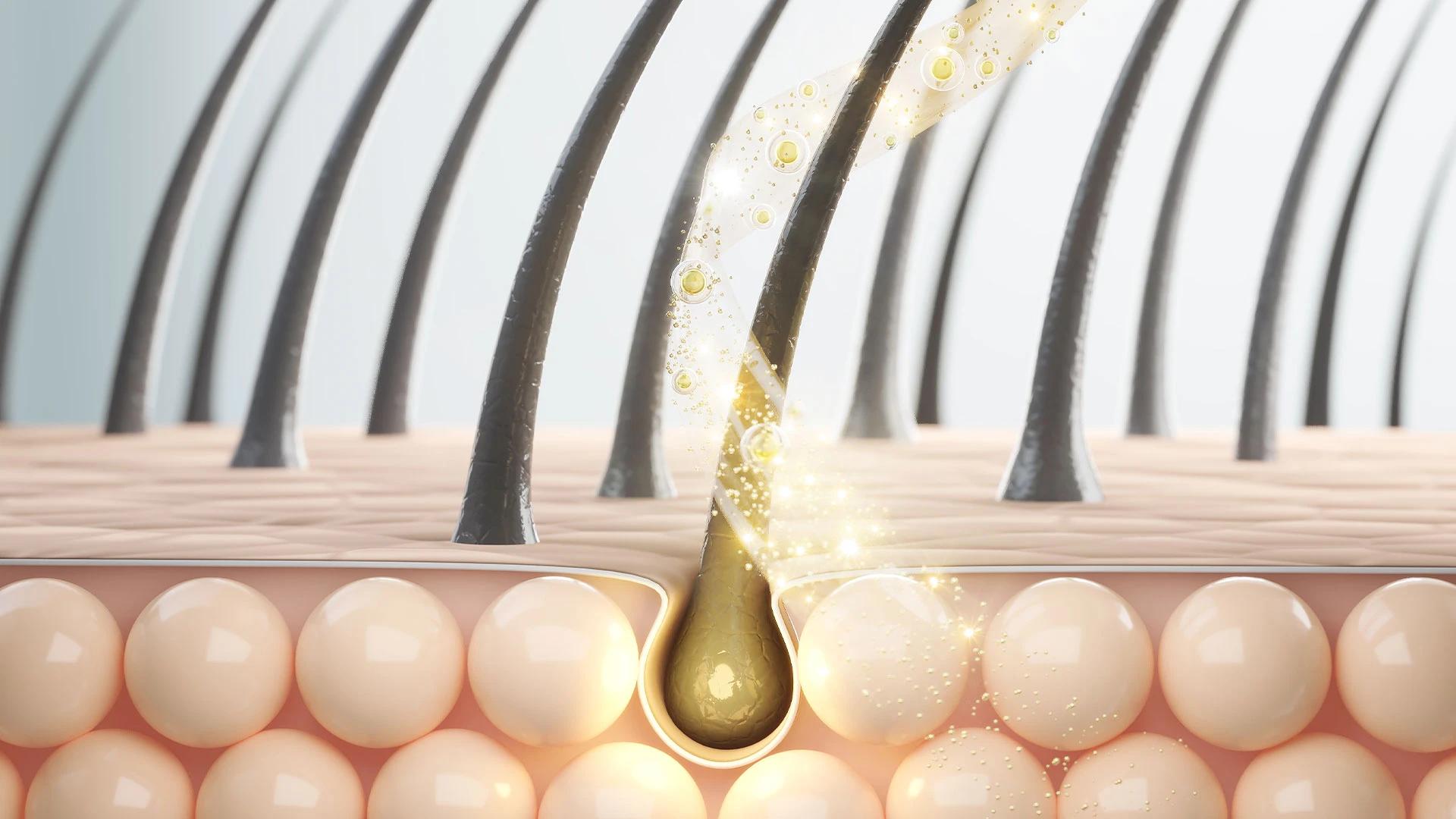
While rainwater for hair growth isn't a miracle cure, the improved scalp health from reduced mineral buildup can create better conditions for healthy growth. Clean follicles and balanced pH levels support the natural hair growth cycle more effectively than clogged, irritated scalps.
Hair care with rainwater isn't just about intentional treatments — it's also about protecting your hair when you're caught in unexpected downpours. Urban rain can contain pollutants that damage hair, so having a defense strategy is crucial.
Carry a compact umbrella or wear a hat during rainy season. If you do get caught in the rain, rinse your hair with clean water as soon as possible to remove any pollutants before they have time to penetrate the hair shaft. Follow up with a clarifying shampoo if you suspect the rainwater was particularly contaminated.
Rainy weather often means high humidity, which can wreak havoc on certain hair types. Use anti-humidity products before heading out, and consider protective styles that keep your hair contained and less exposed to moisture in the air.
The biggest mistake people make with rainwater hair treatments is assuming all rainwater is created equal. Never use rainwater directly from urban areas without proper treatment. Also, avoid storing rainwater for extended periods — even properly collected rainwater can develop bacterial growth over time.
Don't use rainwater treatments if you have sensitive skin or scalp conditions without consulting a dermatologist first. And remember, natural doesn't always mean safe — proper testing and treatment are essential for any rainwater hair care routine.
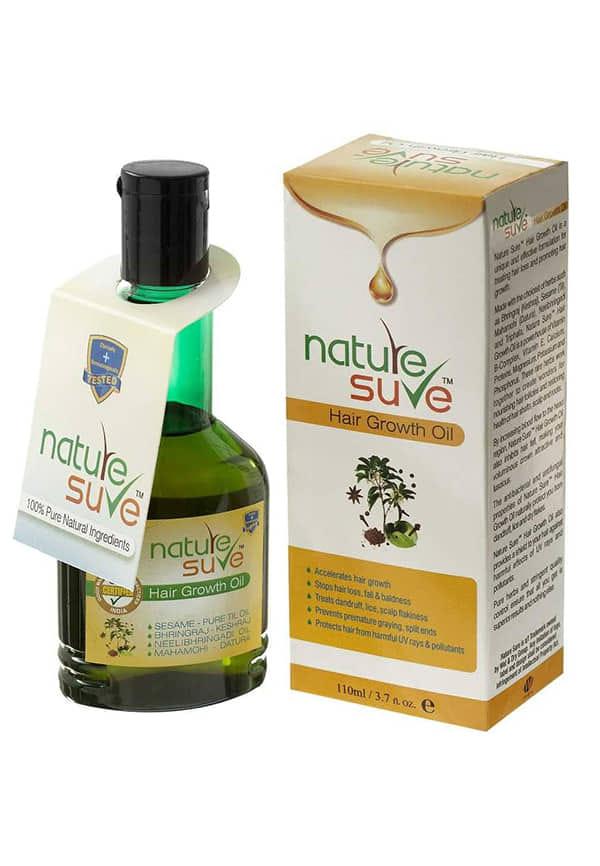
Hair Growth Oil for Darker and Stronger Hair in Men and Women
Properly treated rainwater can support hair growth by removing mineral buildup that clogs follicles and creating optimal pH conditions for scalp health. However, it's not a direct growth stimulant — think of it more as creating better conditions for your natural growth cycle.
Start with once a week and monitor how your hair responds. Most people find that 1-2 times per week is optimal, but this varies based on hair type, local water quality, and individual sensitivity.
No, rainwater shouldn't replace your regular cleansing routine. It works best as a supplementary treatment or final rinse. You still need proper cleansing agents to remove styling products, oils, and daily buildup.
Watch for increased dryness, unusual odours, scalp irritation, or changes in hair texture. If you notice any of these signs, discontinue use immediately and return to your regular hair care routine.
Test the pH (should be between 5.5-7), check for visible contamination, and smell for unusual odours. When in doubt, don't use it. Your hair's health isn't worth the risk.
The mineral-free nature of rainwater might help some scalp conditions by reducing irritation from hard water minerals. However, serious scalp issues require proper medical treatment, not just water changes.
Rainwater hair defense is about working with nature while staying smart about safety. The potential benefits — from reduced mineral buildup to improved shine — are real, but they require proper collection, treatment, and application methods. Start slowly, test everything, and never compromise on safety for the sake of natural beauty treatments.
Remember, the best hair care routine is one that's sustainable and safe for your specific needs. While rainwater treatments can be a lovely addition to your routine, they work best when combined with quality products designed for your hair type. Not sure which products might work best for your hair? Smytten also offers trial-size versions of many haircare products — a good way to test different formulations before committing to full bottles.
