9 Ways Protein Conditioner Fixes Damaged Hair

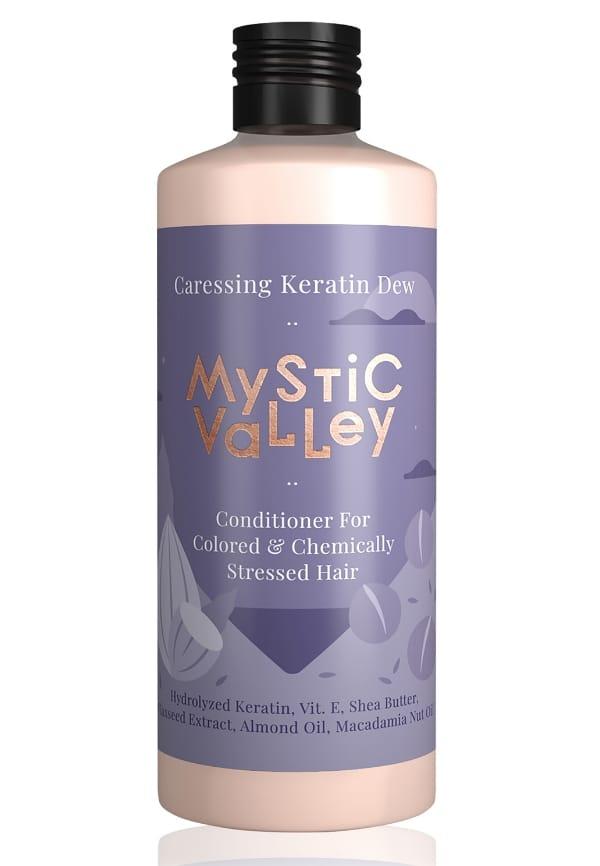
Keratin Protein Color Protect Conditioner
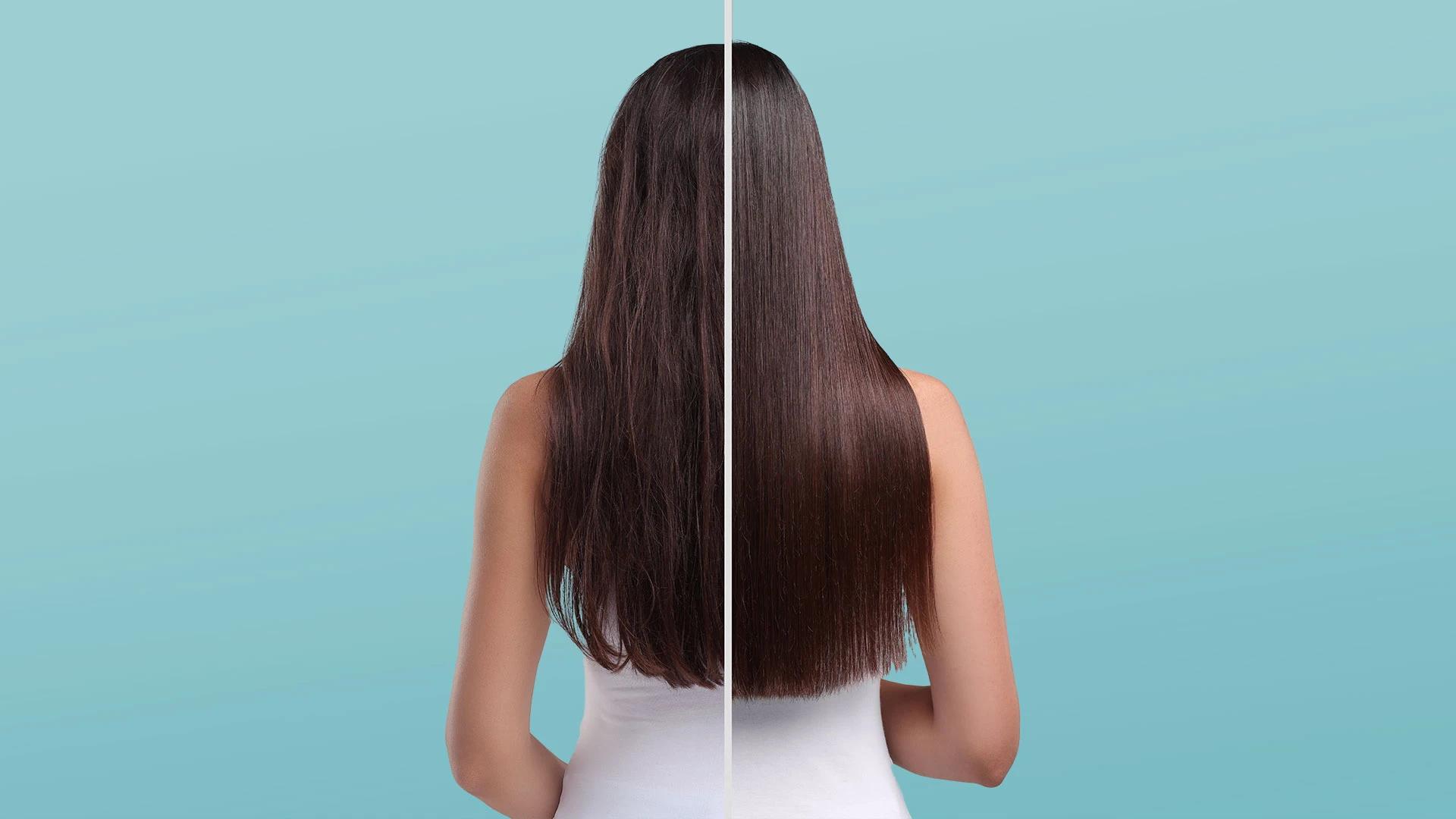
Your hair's been through it all—heat styling, chemical treatments, environmental stress—and now it's crying out for help. If you've noticed increased breakage, dullness, or that straw-like texture that makes you want to hide under a hat, you're not alone. The good news? There's a game-changing solution that's been quietly revolutionising haircare routines across the globe: protein conditioner for damaged hair. Unlike regular conditioners that just coat your strands, protein treatments actually work to rebuild your hair from the inside out, filling in microscopic gaps and strengthening weakened bonds. Whether you're dealing with heat damage, chemical processing aftermath, or just general wear and tear, understanding how protein conditioners work can be the difference between accepting damaged hair as your reality and actually transforming it back to its former glory. At Smytten, we've seen countless users discover their perfect protein treatment through trial-sized versions, allowing them to test what works before committing to full-size products.
TL;DR
Protein conditioners rebuild damaged hair by filling microscopic gaps in weakened hair shafts with amino acids and keratin
They can reduce hair breakage by up to 70% while restoring elasticity, shine, and overall hair strength
Different protein types target specific damage levels—from hydrolyzed wheat protein for mild damage to intensive keratin treatments for severe breakage
Proper application involves weekly treatments, heat activation, and balancing with moisturising conditioners to avoid protein overload
Results include stronger hair bonds, improved elasticity, reduced frizz, and protection against future environmental damage
Let's be real—your hair is basically made of protein (about 95% keratin, to be exact), so when it gets damaged, you're literally losing the building blocks that keep your strands strong. A protein conditioner for damaged hair works like a construction crew for your hair, delivering amino acids and proteins that can actually penetrate the hair shaft and fill in those microscopic cracks and gaps that make your hair weak and prone to breakage.
Unlike regular conditioners that just smooth the surface, hair repair conditioners containing proteins go deeper. They're formulated with smaller protein molecules that can slip through damaged cuticles and bind to the cortex—the inner layer of your hair where the real structural damage happens. Think of it as the difference between putting a band-aid on a broken bone versus actually setting and healing the fracture.
Not sure if you need a strengthening conditioner? Here's how to tell: gently stretch a wet strand of your hair. Healthy hair should stretch about 30% of its length before snapping back. If it breaks immediately or stretches way beyond that without bouncing back, you've got protein deficiency on your hands. Other red flags include excessive shedding, limp texture, and that frustrating inability to hold any style.
Ready to dive into exactly how these miracle workers transform your hair? Here's the breakdown of what happens when you introduce the right protein treatment into your routine.
When your hair gets damaged, the disulfide bonds that give it structure literally break apart. A reconstructive hair treatment works by delivering amino acids that can form new bonds and fill in the gaps where your natural protein has been stripped away. It's like giving your hair a molecular-level renovation.
The keratin and collagen in strengthening conditioners don't just sit on your hair's surface—they actually integrate into the hair shaft, creating a reinforced structure that's more resistant to future damage. Think of it as adding steel beams to a wobbly building.
Clinical studies consistently show that regular use of moisturising conditioner for breakage can dramatically reduce hair loss. The protein molecules fill in weak spots before they become full breaks, essentially stopping damage in its tracks. Users typically see noticeable reduction in hair fall within 2-3 weeks of consistent use.
Here's where it gets interesting—good deep conditioning for damaged hair doesn't just add protein; it helps your hair hold onto moisture better. When the protein structure is intact, your hair's natural ability to retain hydration improves dramatically, creating that perfect protein-moisture balance that healthy hair needs.
Damaged cuticles create a rough surface that scatters light, making your hair look dull. Protein treatments smooth these raised cuticles, creating a reflective surface that gives you that glossy, healthy-looking shine you've been missing.
Remember that stretch test we mentioned? After consistent protein treatment for weak hair, you'll notice your strands become more flexible and resilient. They'll bend without breaking and bounce back to their original length—exactly what healthy hair should do.
Once your hair's protein structure is rebuilt, it forms a protective barrier against UV rays, pollution, and heat styling. It's like giving your hair its own personal bodyguard against daily environmental stressors.
If you're a colour enthusiast, keratin conditioner is your best friend. The protein fills in the gaps created by chemical processing, helping your colour molecules stay locked in longer. Plus, the smoother cuticles reflect light better, making your colour look more vibrant.
Instead of waiting months for damaged hair to grow out, protein treatments can help repair existing damage in weeks. The cumulative effect means each treatment builds on the last, creating stronger, healthier hair faster than natural recovery alone.
Not all protein treatments are created equal, and choosing the wrong type can actually make things worse. Here's how to match your damage level with the right rebuilding hair conditioner.
For mild damage (think occasional heat styling or sun exposure), hydrolyzed wheat protein conditioners are your sweet spot. These smaller protein molecules penetrate easily without overwhelming your hair. If you're dealing with moderate damage from regular colouring or heat styling, keratin-infused treatments offer deeper repair without being too intense.
When your hair is seriously compromised—we're talking bleach damage, chemical relaxer aftermath, or years of heat abuse—you need intensive reconstructive formulas with larger protein molecules like hydrolyzed collagen or silk protein. These create a more substantial repair network within your hair shaft.
Fine hair needs lighter proteins like amino acid complexes, while thick, coarse hair can handle heavier proteins like keratin and collagen. Curly hair often benefits from protein-moisture combination treatments since curls are naturally more fragile and prone to dryness.
Getting the most out of your nourishing conditioner for dry hair isn't just about slapping it on and hoping for the best. There's actually a method to the madness that can make or break your results.
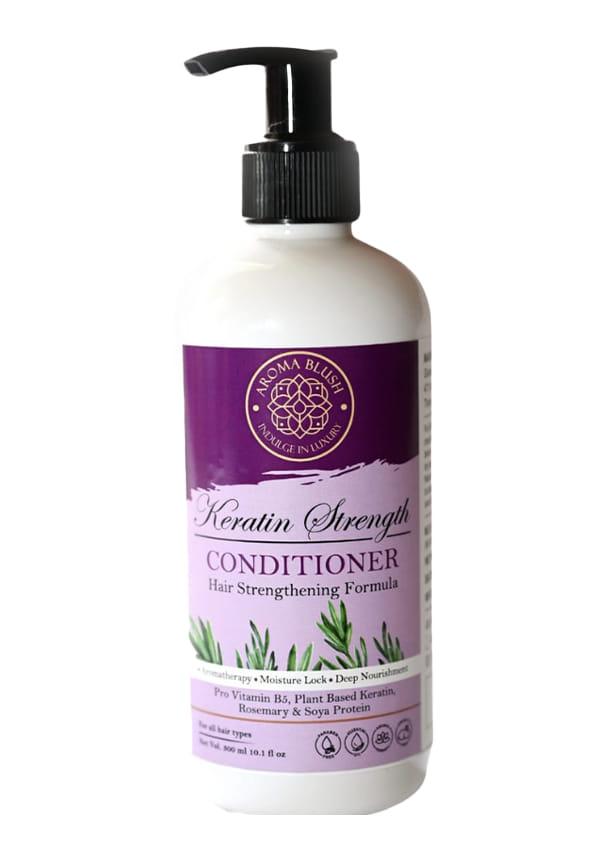
Keratin Strengthening Conditioner
Highly Recommended Product
 5
5“Very soft loved it must buy product”
Start with freshly shampooed hair—protein needs a clean canvas to work properly. Apply your treatment from mid-length to ends (avoid the scalp unless specifically directed), and here's the game-changer: use gentle heat. Wrap your hair in a warm towel or use a hair steamer for 10-15 minutes. The heat opens up the cuticles, allowing the protein to penetrate deeper.
Most people make the mistake of using protein treatments too frequently. Start with once a week, and adjust based on how your hair responds. Over-processed hair might need twice weekly initially, while mildly damaged hair might only need bi-weekly treatments once it starts improving.
For seriously damaged hair, try the layering method: apply your protein treatment, rinse lightly (don't completely remove it), then apply a moisturising conditioner on top. This gives you the repair benefits of protein with the hydration boost your hair craves.
Here's what nobody tells you about protein treatments: too much of a good thing can actually make your hair worse. Protein overload is real, and it can leave your hair feeling stiff, brittle, and more prone to breakage than before you started.
Watch for these warning signs: your hair feels unusually stiff or hard after treatment, you're experiencing more breakage than usual, or your hair has lost its natural elasticity and feels almost crunchy. If any of these sound familiar, it's time to pump the brakes on protein and focus on moisture for a few weeks.
If you've overdone it with protein, don't panic. Switch to a deeply moisturising conditioner for 2-3 weeks, focusing on ingredients like shea butter, coconut oil, or glycerin. Avoid any products with protein during this recovery period, and gradually reintroduce protein treatments at a lower frequency once your hair feels soft and flexible again.
The key is learning to read your hair's signals. Healthy hair should feel soft, flexible, and strong—not stiff or mushy. Keep a hair journal noting how your hair feels after each treatment, and adjust your routine accordingly.
Let's talk money and results. Professional salon treatments typically use higher concentrations of protein and often combine multiple types for a more comprehensive repair. You're looking at ₹2,000-₹5,000 per session, and you'll likely need multiple treatments for significant damage.
At-home treatments, on the other hand, offer consistency and convenience. While individual treatments might be less intense, the ability to use them regularly often leads to better long-term results. Plus, you can experiment with different formulations to find what works best for your specific hair needs.
If your hair is severely damaged from chemical processing or you're dealing with significant breakage, a professional assessment might be worth the investment. Stylists can evaluate your hair's porosity and damage level to recommend the most appropriate treatment intensity.

Keratin Protein Booster Hair Spa
Excellent Product Value
5“nice product nice texture and much in quantity and I purchased on high discount”
Excellent Product
5“Great product, nice fragrance, free from harmful chemicals.”
Positive Recommendation
5“nice highly recommend”
DIY protein treatments using ingredients like eggs, yogurt, or gelatin can provide mild protein benefits, though they won't be as targeted or effective as formulated products. These work best for maintenance rather than serious repair.
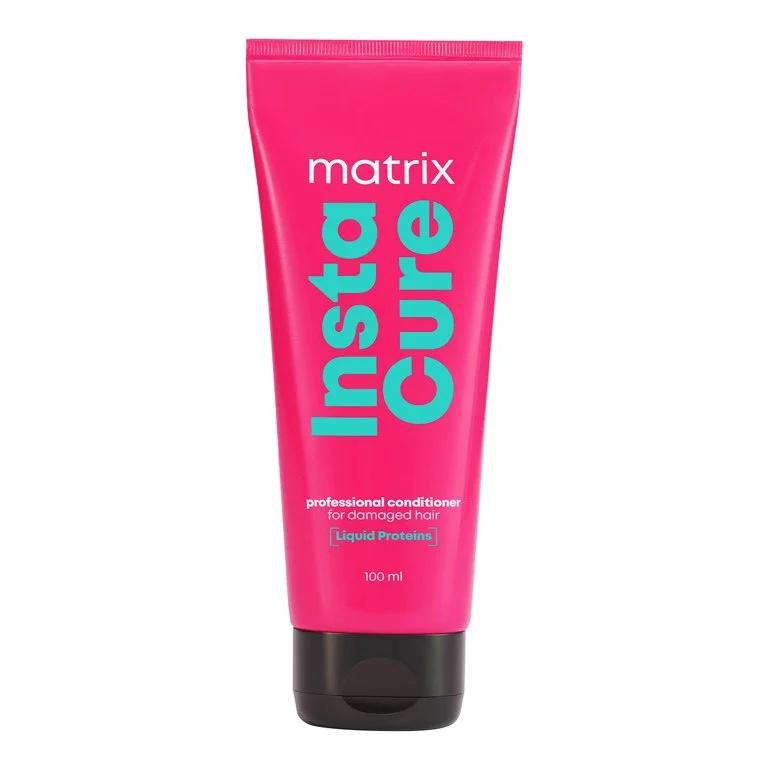
For those looking to explore professional-grade treatments without the salon price tag, the Matrix InstaCure Liquid Protein Conditioner 100ml offers salon-quality protein repair in a convenient at-home format. This intensive treatment delivers hydrolyzed proteins that penetrate deep into damaged hair shafts, helping to rebuild broken bonds and restore strength to over-processed strands. The liquid formula allows for even distribution and maximum penetration, making it particularly effective for hair that's been compromised by chemical treatments or excessive heat styling.
Absolutely, but only if your hair actually needs protein. Healthy hair with intact protein structure might not benefit much from protein treatments, while damaged hair can see dramatic improvements. The key is identifying whether your hair needs protein or moisture—or both.
For damaged hair, a combination approach works best: protein conditioners to rebuild structure, followed by moisturising treatments to maintain flexibility. The specific type depends on your damage level—mild damage responds well to wheat protein, while severe damage needs keratin or collagen treatments.
If you've overdone protein treatments, focus on moisture restoration for 2-3 weeks using deeply hydrating conditioners. Avoid all protein during this period, then gradually reintroduce protein treatments at a much lower frequency once your hair regains its natural flexibility.
Hydrolyzed keratin is often considered the gold standard for damaged hair because it's similar to your hair's natural protein structure. However, the "best" protein depends on your hair type and damage level—fine hair does better with smaller proteins like amino acids, while thick hair can handle larger proteins like collagen.
Start with once weekly for moderately damaged hair, or twice weekly for severely damaged hair. Monitor how your hair responds and adjust accordingly. Once your hair starts improving, you can often reduce frequency to bi-weekly or monthly maintenance treatments. You can easily test different frequencies by trying protein treatments available on Smytten before committing to full-size products.
Yes, if you use too much or too frequently. Protein overload can make hair stiff, brittle, and more prone to breakage. Always balance protein treatments with moisturising conditioners, and pay attention to how your hair feels after each treatment.
Protein conditioners can be absolute game-changers for damaged hair, but success lies in understanding your hair's specific needs and using these treatments strategically. The key is finding the right balance between protein and moisture, choosing the appropriate protein type for your damage level, and being consistent with your routine without overdoing it.
Remember that hair repair is a gradual process—you won't see overnight miracles, but with the right approach, you can significantly improve your hair's strength, elasticity, and overall health within a few weeks. The most important thing is to listen to your hair and adjust your routine based on how it responds to treatment.
Whether you're dealing with heat damage, chemical processing aftermath, or general wear and tear, there's a protein solution that can help rebuild your hair's structure and restore its natural resilience. The investment in quality protein treatments often pays off in reduced breakage, improved manageability, and that healthy shine you've been missing.
Finding the right protein conditioner for your damaged hair doesn't have to be a costly trial-and-error process. Smytten is India's largest product discovery and trial platform, connecting consumers with top lifestyle, beauty, wellness, and grooming brands through curated trial packs from over 2,400 trusted brands. This try before you buy approach lets you explore different protein treatments and hair repair conditioners in mini-sized versions before committing to full-size purchases. With Trial Points starting at just ₹279 for up to 10 minis, plus 100% cashback redeemable for future orders, you can test various strengthening conditioners and reconstructive hair treatments to find what works best for your specific hair needs. From India's largest minis collection covering haircare, skincare, and more, to PAN-India delivery of 100% authentic, directly sourced products, Smytten ensures you never have to settle for 'maybe' when you can #TryItAll. After all, why commit to a full-size protein treatment when you can discover your perfect match through authentic brand-verified minis first?
