9 Ways Oil Serum for Frizzy Hair Tames Humidity Frizz


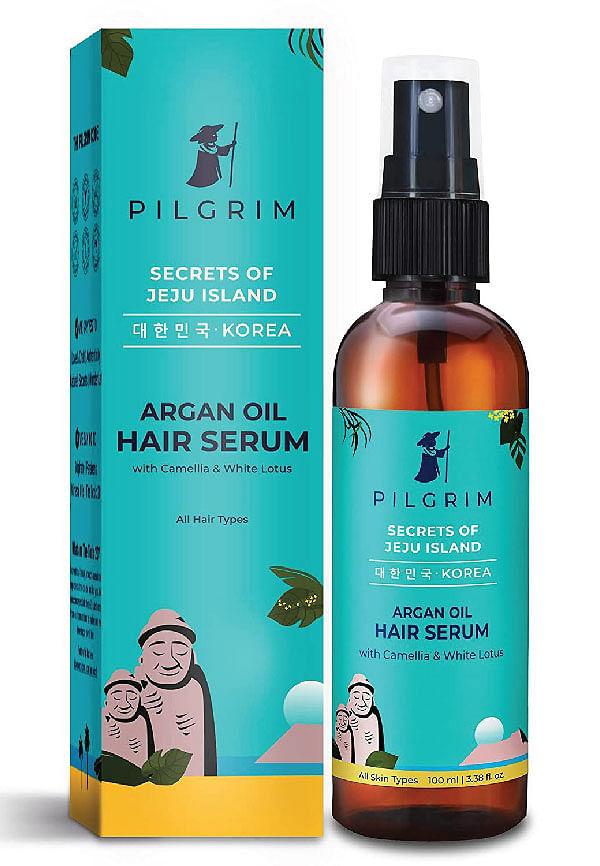
Anti-Frizz Smoothing Hair Serum Spray With Argan Oil
Loved It, Good Quality
 5
5“loved it must buy good quality”
Nice Fragrance, Lightweight
5“very nice fregnce and lightweight”
Nice Fragrance, Lightweight
5“very nice fregnce and lightweight”
Ever stepped outside feeling like your hair looks perfect, only to catch your reflection an hour later and wonder if you've been electrocuted? Welcome to the humidity struggle—where even the most carefully styled hair turns into a frizzy disaster the moment moisture hits the air. If you're tired of your hair having its own weather forecast, you're not alone. The good news? An oil serum for frizzy hair might just be your new best mate for taming those rebellious strands. These lightweight heroes work by creating a protective barrier around each strand, locking out humidity whilst locking in smoothness. Whether you're dealing with natural texture or damage-induced frizz, the right serum can transform your hair game completely. And with platforms like Smytten offering trial-sized versions of top haircare brands, you can actually test what works for your specific hair type before committing to full-size bottles.
TL;DR
Oil serums create a protective moisture barrier that prevents humidity from penetrating hair cuticles and causing frizz
Apply 2-3 drops on 80% dry hair from mid-length to ends for optimal frizz control without greasiness
Different application methods work for various situations—from pre-wash treatments to emergency touch-ups
Natural oils like argan, jojoba, and broccoli seed offer lightweight frizz control with added nourishment
Consistency is key—regular use builds up protection and improves hair health over time
Understanding why your hair goes haywire in humid weather is the first step to conquering it. When moisture levels rise, your hair cuticles—those tiny scales covering each strand—lift up like roof tiles in a storm, allowing humidity to penetrate and swell the hair shaft.
Your hair's structure is basically like a layered cake. The outer layer (cuticle) protects the inner layers, but when it's damaged or naturally porous, it can't do its job properly. Humidity sneaks through these gaps, causing the hair to expand unevenly and create that dreaded frizzy texture. Hair that's been chemically treated, heat-damaged, or naturally coarse is particularly vulnerable because the cuticle layer is already compromised.
This is where hair smoothing serum becomes your secret weapon. These formulations work by coating each strand with a thin, invisible film that smooths down the cuticle and blocks humidity from getting in. The molecular weight of the oils matters here—lighter molecules like those in argan or jojoba oil can penetrate the hair shaft for internal nourishment, whilst heavier silicones sit on the surface to create that protective barrier. Modern serums often combine both natural oils and advanced polymers to give you the best of both worlds: protection and nourishment.
Now that you know the science, let's get into the practical stuff. These nine methods will help you get the most out of your frizz control serum, whether you're dealing with a sudden humidity spike or planning ahead for a big day.
Think of this as a protective meal for your hair before the cleansing process. Apply your serum to completely dry hair about 30 minutes before shampooing, focusing on the most damaged areas. This method works particularly well with heavier oils like coconut or castor oil blends, which need time to penetrate the hair shaft. The pre-wash treatment helps prevent your shampoo from stripping away too much natural moisture, leaving your hair better prepared to handle humidity.
This is probably the most popular method, and for good reason. When your hair is about 80% dry (still slightly damp but not dripping), apply 2-3 drops of serum from mid-length to ends. Your hair cuticles are still slightly open from washing, allowing the serum to penetrate whilst also sealing the surface. Avoid the roots to prevent that greasy look—your scalp produces enough natural oils on its own.
If you're planning to blow-dry or use heated tools, apply your serum first as a heat protectant. Many modern serums can handle temperatures up to 230°C, creating a barrier between your hair and the heat source. Layer it under your regular heat protectant for extra insurance, or choose a serum that specifically mentions heat protection. This method is particularly crucial if you're trying to smooth frizzy hair with heat styling.
When the weather forecast shows high humidity, think of your serum as an invisible raincoat for your hair. Apply a slightly heavier amount than usual, making sure to cover every strand from mid-length down. You can even carry a small amount for reapplication throughout the day—just warm a tiny drop between your palms and gently smooth over any areas that are starting to frizz up.
For severely damaged or extremely frizz-prone hair, an overnight treatment can work wonders. Apply a generous amount of serum (focusing on natural oil-based formulas rather than silicone-heavy ones), braid or twist your hair loosely, and sleep with it in. Cover your pillow with an old towel or silk pillowcase. In the morning, shampoo as usual—your hair will be noticeably softer and more manageable.
Sometimes frizz strikes when you're already out and about. For emergency touch-ups, use just one drop of serum warmed between your palms. Gently press and smooth over the frizzy areas—never rub vigorously, as this can create more frizz. Focus on the most visible areas like your hairline and the top layer of your hair. This method works best with lightweight, fast-absorbing serums.
If you've got naturally curly or wavy hair, curly hair frizz serum can help define your pattern whilst controlling frizz. Use the "praying hands" method—smooth the serum between your palms, then gently press your hands together with sections of hair between them. Follow up with scrunching to encourage curl formation. Look for lightweight frizz serum options that won't weigh down your curls or disrupt their natural bounce.
For those with very thick or coarse hair, you might need more comprehensive coverage. Start with slightly damp hair and work the serum through in sections, using a wide-tooth comb to ensure even distribution. Begin at the ends and work your way up, using less product as you get closer to the roots. This method requires a bit more serum but ensures every strand gets protection.
Sometimes one product isn't enough, and that's okay. You can layer your serum with other frizz-fighting products, but order matters. Generally, apply water-based products first (like leave-in conditioners), followed by your serum, then any styling products. Each layer should be completely absorbed before applying the next to avoid product buildup or that dreaded greasy look.
Not all oils are created equal when it comes to frizz control. The best oil for frizzy hair depends on your specific hair type, damage level, and personal preferences. Let's break down the star players in the frizz-fighting game.
Natural frizz control oil formulations often feature time-tested ingredients that have been smoothing hair for centuries. Argan oil is probably the most famous, and for good reason—its molecular structure allows it to penetrate the hair shaft whilst also coating the surface for immediate smoothness. Jojoba oil is technically a wax, which makes it excellent for creating that protective barrier without feeling heavy. Coconut oil has the smallest molecular structure, allowing it to actually penetrate into the hair cortex for deep conditioning. Broccoli seed oil might sound unusual, but it's brilliant for adding shine and slip to frizzy hair without any greasy residue.
Modern serums often combine natural oils with advanced ingredients for enhanced performance. Vitamin E acts as an antioxidant, protecting your hair from environmental damage that can worsen frizz. Quinoa protein helps strengthen damaged hair cuticles, making them less likely to lift and let humidity in. Grape seed oil is incredibly lightweight, making it perfect for fine hair that gets weighed down easily. Macadamia oil is rich in fatty acids that can help repair damaged hair over time, making it particularly good for chemically treated or heat-damaged strands.
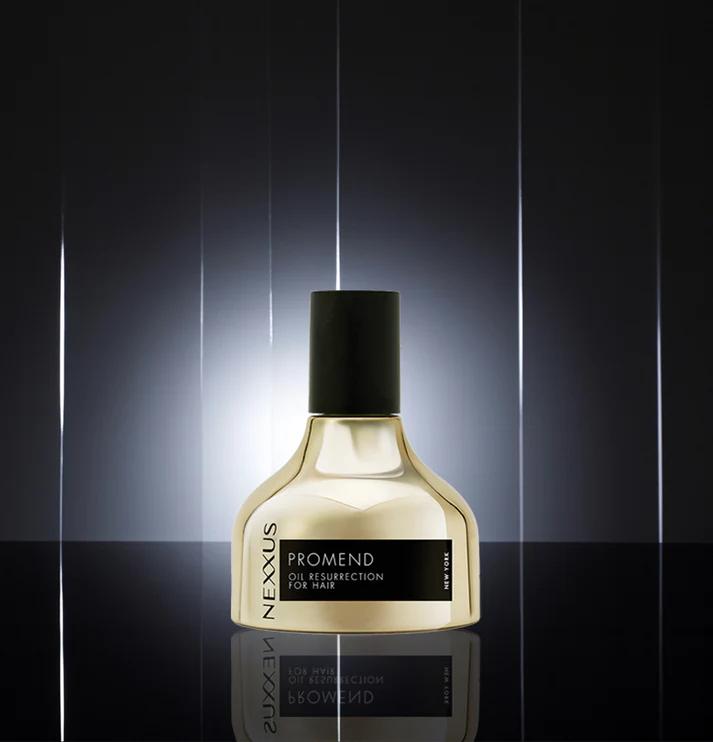
When exploring premium formulations, the Nexxus Promend Resurrection Hair Oil-In-Serum 30ml stands out as an innovative option that combines the nourishing properties of oil with the lightweight application of a serum. This dual-action formula is designed to penetrate deeply whilst providing surface protection, making it particularly effective for hair that's been damaged by chemical processing or excessive heat styling. The unique oil-in-serum technology ensures you get intensive repair without the heavy, greasy feel that traditional oils can sometimes leave behind.
Your hair type determines not just which serum to choose, but how to apply it for maximum effectiveness. Hair serum for dry and frizzy hair needs to be customised to work with your hair's unique characteristics, not against them.
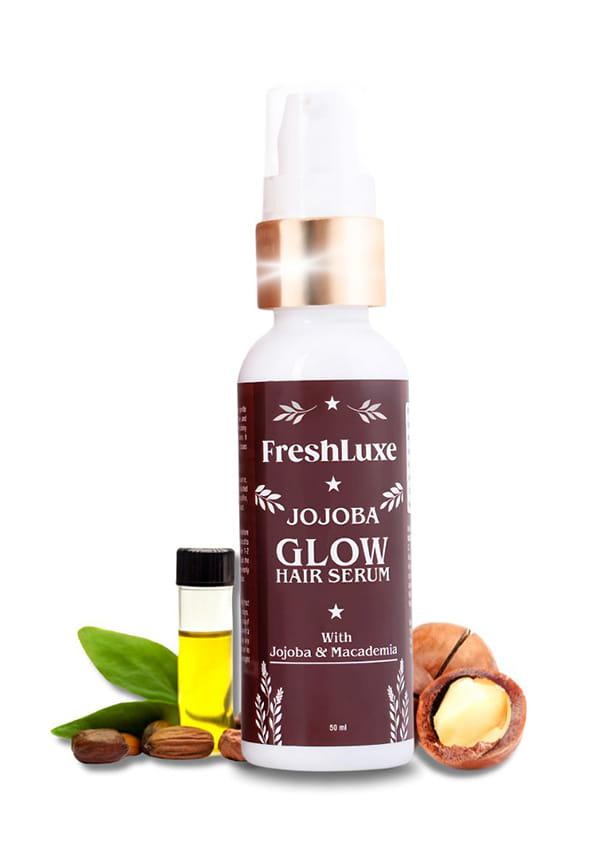
Jojoba Glow Hair Serum Jojoba & Macadamia Shine & Frizz Free
Excellent Hair Product
5“i loved it. It tames frizz, adds a gorgeous shine, and makes my hair feel super soft without weighing it down. it's totally worth it...”
Fine hair can look greasy quickly, so less is definitely more. Choose a lightweight frizz serum and use no more than 1-2 drops for your entire head. Focus on the ends and avoid the top layers where greasiness shows most. Apply to hair that's almost completely dry—fine hair doesn't need as much moisture penetration, and wet application can make it look limp and oily.
Thick hair can handle—and often needs—more product. You might use 4-5 drops and need to work in sections to ensure even coverage. Start with slightly damp hair and use the sectioning method, applying serum to each layer separately. Don't be afraid to use a bit more product on the outer layers, as these are most exposed to humidity and environmental damage.
Curly hair has a unique structure that makes it naturally more prone to frizz, but it also responds beautifully to the right serum application. Use the praying hands method to avoid disrupting your curl pattern, and consider "plopping" your hair in a microfibre towel after application to encourage curl formation whilst the serum sets. When diffusing, use low heat and low speed to avoid creating frizz.
Hair that's been coloured, permed, or chemically straightened needs extra TLC. Look for serums that specifically mention being colour-safe, and consider protein-rich formulations if your hair feels mushy or overly soft. Wait at least 48 hours after any chemical treatment before introducing new products, and always do a patch test first.
Even the best frizz taming serum won't work if you're making these common application errors. Let's troubleshoot the most frequent mistakes so you can get the smooth, controlled hair you're after.
More isn't always better with hair serums. Over-application is probably the most common mistake, leading to greasy, limp hair that looks dirty even when it's clean. Signs you're using too much include hair that feels heavy, looks shiny in an unnatural way, or gets oily much faster than usual. If you've overdone it, try rinsing with cool water and a tiny amount of dry shampoo at the roots, or wash with a clarifying shampoo.
Timing is everything with serum application. Applying to soaking wet hair dilutes the product and reduces its effectiveness. Applying to completely dry hair can create uneven coverage and that dreaded crunchy feeling. The sweet spot is hair that's damp but not dripping—about 80% dry is perfect for most hair types.
Not all hair products play nicely together. Avoid mixing oil-based serums with water-based gels immediately, as they can separate and create a sticky mess. Be cautious about combining products with very different pH levels, and always apply the thinnest consistency products first, building up to thicker ones.
Should you whip up your own serum or invest in a professionally formulated one? Both have their place in a comprehensive hair care routine, and the choice often comes down to your specific needs, time, and budget.
DIY serums can be incredibly cost-effective and allow you to customise ingredients for your specific hair needs. You know exactly what's going into your hair, which is great if you have sensitivities or prefer natural ingredients. Simple recipes might include mixing argan oil with a few drops of vitamin E oil, or combining jojoba oil with rosemary essential oil for added scalp benefits. However, homemade serums have limitations—they don't have the same shelf life as commercial products, may separate over time, and lack the advanced delivery systems that help professional formulations penetrate more effectively.
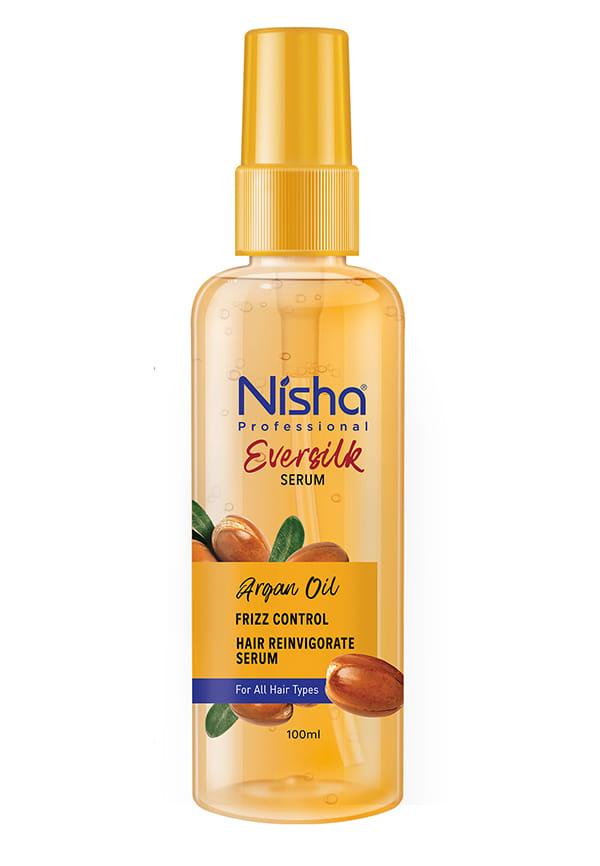
Argan Oil Hair Serum
Commercial serums undergo extensive testing and use stabilised ingredient combinations that you can't replicate at home. They often feature advanced delivery systems that help active ingredients penetrate more effectively, and the consistency of results is generally much higher. Professional formulations also typically include preservatives that prevent bacterial growth, making them safer for long-term use. The downside is cost and the fact that you're trusting the brand's ingredient choices rather than making your own.
Product | Best For Hair Type | Key Concern | Price Range | Star Ingredients |
|---|---|---|---|---|
Nexxus Promend Oil Resurrection | Dry, damaged, frizzy hair | Frizz control + damage repair | Premium | Keratin, Collagen, Elastin + 89% Pure Oils |
TNW Black Seed Hair Serum | Frizzy, Rough Hair | Natural Frizz Control | Budget-friendly | Black Seed Oil |
Love Beauty & Planet Coconut Water & Mimosa | Dry, Dull Hair | Hydration & Shine | Mid-range | Coconut Water, Mimosa Extract |
Minimalist Leave-In Hair Serum | Frizzy, Dry Hair | Frizz Control & Smoothness | Mid-range | Aloe Vera, Shea Butter |
RAWLS ESSENTIALS Intense Care | All Hair Types | Nourishment & Smoothness | Mid-range | Argan Oil, Vitamin E |
The best serum depends on your specific hair type and concerns. For fine hair, look for lightweight formulations with argan or jojoba oil. Thick, coarse hair can handle richer formulas with ingredients like macadamia or coconut oil. If you have curly hair, choose serums specifically designed for curl definition. Always consider your climate—humid environments need stronger barrier-forming ingredients like silicones, whilst dry climates benefit more from deeply moisturising natural oils.
Argan oil is often considered the gold standard for frizz control due to its perfect balance of penetration and surface smoothing. Jojoba oil is excellent for those who want lightweight control without greasiness. Coconut oil works well for very dry, damaged hair but can be too heavy for fine hair types. Broccoli seed oil provides incredible shine and smoothness without any weight. The key is matching the oil's molecular weight to your hair's porosity and thickness.
Look for serums that combine multiple benefits: immediate smoothing, humidity protection, and long-term hair health improvement. Effective serums typically contain a blend of natural oils for nourishment and silicones or polymers for protection. Ingredients like vitamin E provide antioxidant protection, whilst proteins help strengthen damaged cuticles. The best serums offer both instant results and cumulative benefits with regular use.
For most people, daily use on damp hair after washing provides the best results. If you wash your hair every other day, apply serum each time. On non-wash days, you can use a tiny amount for touch-ups if needed. Those with very oily hair might prefer every other day application, whilst extremely dry or damaged hair might benefit from twice-daily use—once on damp hair and once as a dry hair treatment.
Absolutely, but choose colour-safe formulations that won't strip or fade your colour. Look for serums that specifically mention being safe for chemically treated hair. Avoid products with high alcohol content, as these can be drying and cause colour to fade faster. Many brands on Smytten offer colour-safe options that you can trial before committing to full sizes, which is particularly helpful when you're investing in maintaining expensive colour treatments.
Taming humidity frizz isn't about fighting your hair's natural texture—it's about working with it using the right techniques and products. The key is understanding that oil serum for frizzy hair works by creating a protective barrier whilst nourishing your strands from within. Remember that consistency trumps perfection—regular use of a good serum will give you better results than sporadic use of an expensive one. Start with the damp hair application method using 2-3 drops from mid-length to ends, and adjust from there based on your hair's response. Don't be afraid to experiment with different application techniques for different situations—your hair's needs change with the weather, your styling routine, and even your stress levels. Most importantly, give any new serum at least 2-3 weeks of consistent use before deciding if it's working for you. Hair health improvements take time, and the best results come from building up protection over time rather than expecting instant transformation.
Finding the perfect frizz control serum for your hair can feel like a journey, but it doesn't have to be an expensive one. Smytten is India's largest product discovery and trial platform, connecting consumers with top lifestyle, beauty, wellness, and grooming brands through curated trial packs from over 2,400 trusted brands. This try before you buy approach is particularly valuable for haircare, where what works for your friend might not work for you. With trial packs available for just ₹279 for up to 10 Trial Points, plus 100% cashback redeemable for future purchases, you can explore different serums and find your perfect match without the commitment of full-size bottles. Whether you're looking for lightweight frizz serums for fine hair or intensive treatments for damaged strands, Smytten's authentic brand-verified minis let you test products across India's largest minis collection. After all, why settle for 'maybe' when you can #TryItAll and find the serum that truly transforms your relationship with humidity!
