9 Ways Hair Serum for Hair Fall Fights Thinning Hair

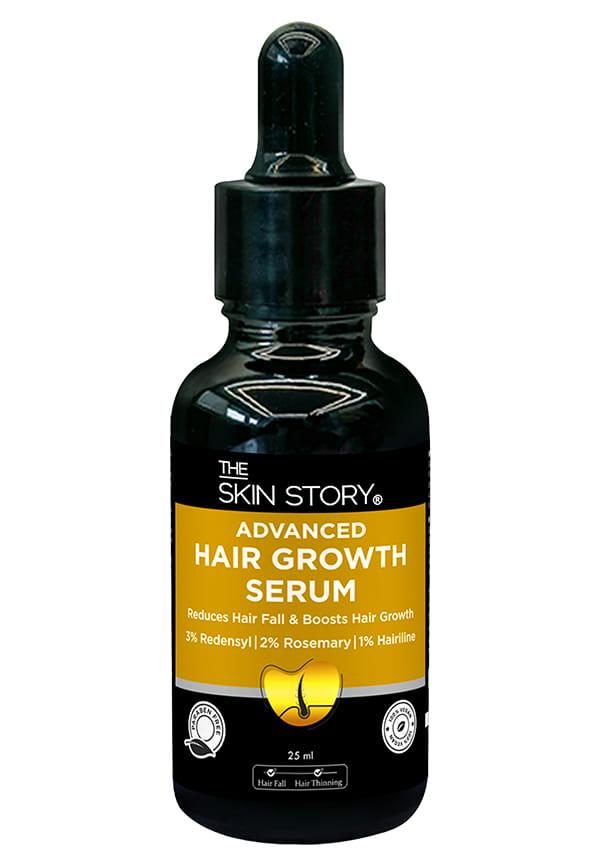
Hair Growth Serum With Redensyl For Hair Fall & Hair Thinning | Voluminous Hair & Reduced Hair Fall
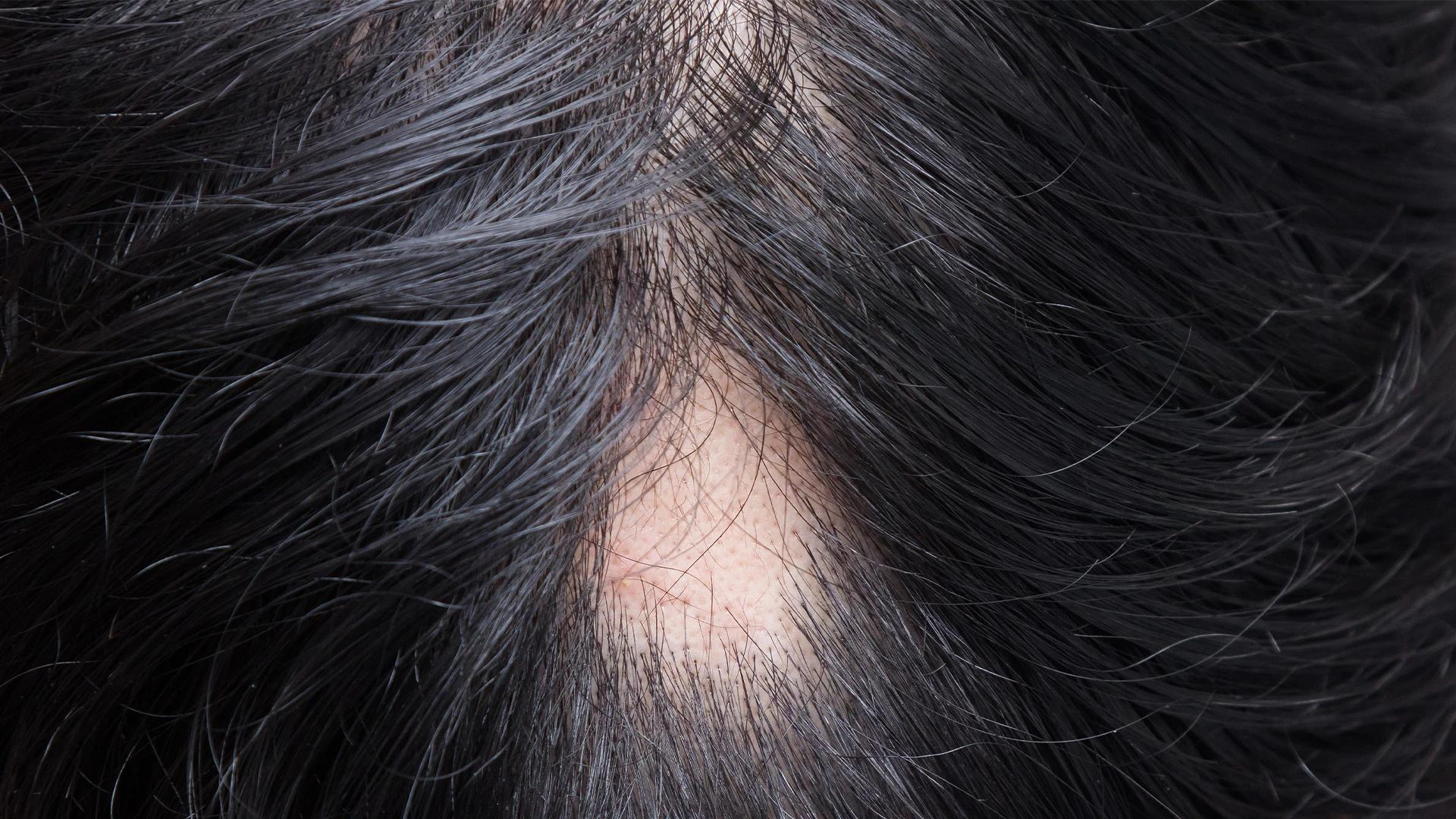
You know that moment when you run your fingers through your hair and way more strands come out than usual? Or when you notice your ponytail feels thinner than it used to? Hair fall can sneak up on anyone, and honestly, it's one of those things that can really mess with your confidence. The good news? A quality hair serum for hair fall might just be the game-changer you've been looking for. These targeted treatments work differently from your regular shampoos and conditioners, getting straight to the root of the problem—literally.
Let's get real about what's actually happening when your hair starts falling out more than usual. Hair fall is totally normal—we all lose about 50 to 100 strands daily as part of the natural hair cycle. But when that number creeps higher, or when new hair isn't growing back as quickly, that's when you might notice thinning.
Hair fall control serum works by targeting the specific issues that cause excessive shedding. Unlike regular hair products that just sit on the surface, these serums are formulated with active ingredients that penetrate deep into your scalp and hair follicles. They're designed to strengthen weak hair from the inside out, improve circulation to your scalp, and create the ideal environment for healthy hair growth.
What makes an anti hair fall serum different from other treatments is its lightweight, concentrated formula. You're getting a higher dose of active ingredients without the heavy oils or thick creams that might weigh your hair down. Plus, they're usually designed to be left in your hair, so they keep working throughout the day.
Studies show that nearly 40% of women experience noticeable hair thinning by age 40, and stress, hormonal changes, and environmental factors are making this issue more common than ever. That's where targeted treatments like hair fall serums come in—they're specifically formulated to address these modern hair challenges.
Ready to dive into how these serums actually work their magic? Here are nine ways a good hair serum for hair fall can help turn things around for your thinning hair.
The best hair strengthening serum formulas pack serious punch with ingredients like Redensyl, Anagain, and Baicapil. These aren't just fancy names—they're clinically proven compounds that work at the follicle level to strengthen your hair's foundation. Redensyl, for instance, targets stem cells in your hair follicles, helping to reactivate dormant ones and extend the growth phase of existing hair. Most people start seeing results around the 6 to 8-week mark, though your hair might feel stronger even sooner.
If your hair snaps easily or feels like straw, a serum for brittle hair can be a total lifesaver. These formulas create a protective barrier around each strand, shielding your hair from environmental damage like pollution, UV rays, and heat styling. Unlike heavy oils that can make fine hair look greasy, serums provide this protection without weighing your hair down or making it look flat.
This is where hair growth serum really shines. Ingredients like caffeine, peptides, and botanical extracts work to stimulate blood flow to your scalp, which brings more nutrients and oxygen to your hair follicles. Think of it like giving your scalp a mini workout—better circulation means better conditions for new hair to grow. A quality hair serum for regrowth can help extend the active growth phase of your hair cycle, meaning each strand stays on your head longer and grows thicker.
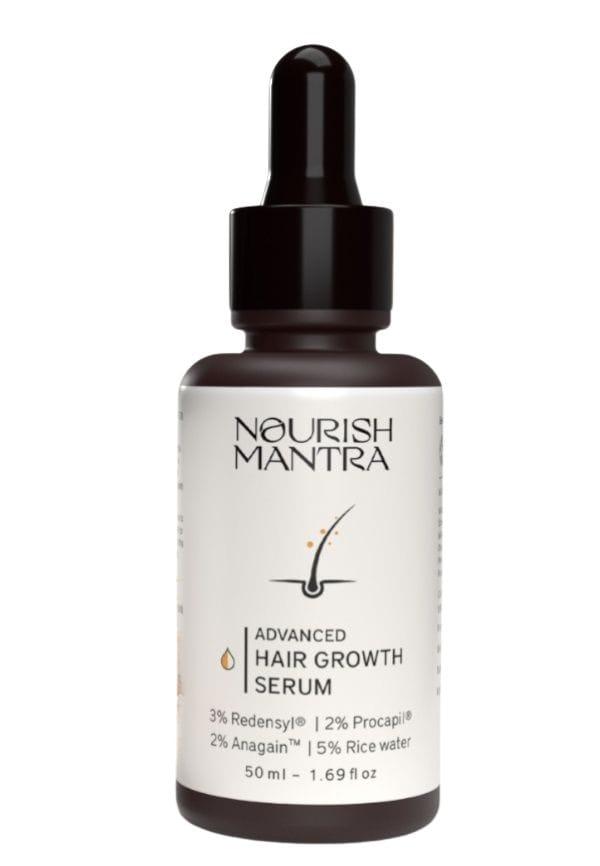
Advanced Hair Growth Serum for Hair Regrowth and Prevention of Hair Thinning - 50 ml
Your scalp is basically the soil where your hair grows, so keeping it healthy is crucial. Many hair fall serums contain ingredients that improve microcirculation in your scalp, creating an optimal environment for hair growth. Caffeine is particularly good at this—it dilates blood vessels and increases blood flow, which helps deliver nutrients more effectively to your hair roots.
Sometimes hair fall happens because your follicles aren't getting the nutrients they need. A good hair loss treatment serum delivers vitamins, minerals, and amino acids directly to where they're needed most. Biotin, for example, helps with keratin production, while vitamins like B5 and E nourish and protect hair follicles. It's like giving your hair a targeted vitamin boost right at the source.
One of the brilliant things about serums is their lightweight formula. They can provide all the benefits of nourishing treatments without making your scalp oily or your hair greasy. This is especially important if you have fine hair or an oily scalp—you get the treatment benefits without the heavy feeling that might come with oils or thick creams.
DHT (dihydrotestosterone) is a hormone that can shrink hair follicles and lead to thinning hair, especially around the crown and temples. The best serum for hair thinning often contains ingredients that help block DHT or reduce its effects on your follicles. This is particularly helpful for women experiencing hormonal hair changes due to stress, pregnancy, or other life changes.
Over time, a quality serum for weak hair can actually make your hair look and feel thicker. This happens in two ways: by strengthening existing hair so it's less likely to break, and by encouraging new growth to fill in sparse areas. Some ingredients can even temporarily plump up individual hair strands, giving you an immediate boost in volume while the long-term benefits kick in.
Prevention is always better than cure, right? Regular use of a hair fall control serum can help prevent future thinning by keeping your scalp healthy and your hair strong. It's like maintenance for your hair—much easier to prevent problems than to fix them later. The key is consistency—using your serum regularly, even when your hair is looking good, helps maintain those results long-term.
Not all hair serums are created equal, so knowing what to look for can save you time and money. Dermatologists typically recommend looking for serums with clinically proven ingredients like minoxidil, peptides, or plant-based actives like saw palmetto and pumpkin seed extract.
When it comes to natural hair fall serum versus synthetic options, both can be effective—it really depends on your specific needs and sensitivities. Natural ingredients like rosemary oil, ginseng, and green tea extract have shown promising results in studies, while synthetic compounds like minoxidil have decades of clinical research behind them.
Reading labels is crucial. Look for serums that list active ingredients prominently and avoid those with too many harsh chemicals or potential irritants like sulfates and parabens. The concentration of active ingredients matters too—a serum with 2% minoxidil will be more potent than one with 1%, but it might also cause more irritation if you have sensitive skin.
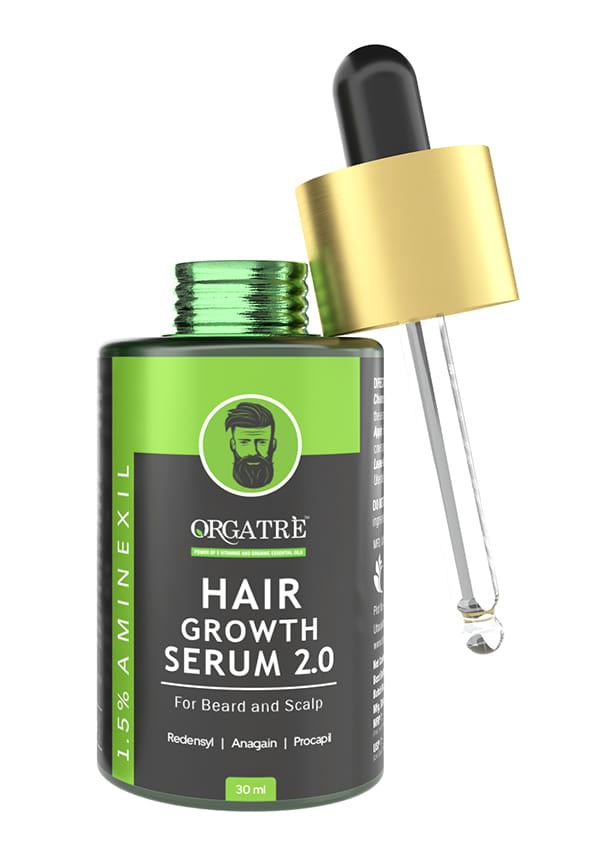
Hair Growth Serum 2.0 For Beard & Scalp Reduces Hairfall & Hair Thinning, Contains 1.5% Aminexil, Redensyl, Anagain & Procapil
Price doesn't always indicate quality, but extremely cheap serums might not contain effective concentrations of active ingredients. On the flip side, the most expensive option isn't necessarily the best for your specific hair type and concerns. Look for brands that are transparent about their ingredients and have good reviews from people with similar hair concerns to yours.
Getting the most out of your hair serum is all about proper application and consistency. Start with clean, slightly damp hair—this helps the serum penetrate better. Part your hair into sections and apply the serum directly to your scalp, focusing on areas where you've noticed thinning or excessive hair fall.
Most serums work best when applied once or twice daily, but always check the specific instructions for your product. Some are designed for morning use, while others work better at night when your hair follicles are in their natural repair mode. Gently massage the serum into your scalp with your fingertips—this helps with absorption and gives you that circulation boost we talked about earlier.
Don't expect overnight miracles. Hair growth is a slow process, and you'll typically need to use a hair strengthening serum for at least 8 to 12 weeks to see noticeable results. Some people see improvements in hair texture and reduced breakage within the first month, but significant regrowth takes time.
Avoid common mistakes like applying too much product (more isn't always better), skipping days (consistency is key), or giving up too early. Also, don't apply serum to dirty hair or immediately after washing with harsh shampoos, as this can reduce effectiveness.
You've probably seen loads of different hair fall treatments—oils, special shampoos, supplements, even laser combs. So where do serums fit in, and are they worth trying over other options?
Hair serums have some distinct advantages over traditional oils. They're lighter, absorb faster, and won't leave your hair looking greasy. Plus, they're formulated with higher concentrations of active ingredients than most shampoos or conditioners, which only stay on your hair for a few minutes during washing.
Compared to oral supplements, topical serums work directly at the source. While supplements can support overall hair health, they have to work through your entire system before reaching your hair follicles. Serums deliver ingredients right where they're needed most.
That said, the most effective approach often combines treatments. You might use an anti hair fall serum daily, a gentle strengthening shampoo a few times a week, and support your hair health with a good diet and supplements. It's not about choosing one treatment—it's about creating a routine that works for your specific situation.
Cost-wise, serums fall somewhere in the middle. They're typically more expensive than drugstore shampoos but less costly than professional treatments or prescription medications. When you consider that a good serum can last 2 to 3 months with regular use, the cost per day is often quite reasonable.
The best serum depends on your specific hair type and the cause of your hair fall. Look for serums containing proven ingredients like minoxidil, peptides, or natural actives like rosemary oil. For hormonal hair loss, serums with DHT-blocking ingredients work well. If you have sensitive skin, start with gentler, natural formulations. Always patch test new products and consider consulting a dermatologist for personalised recommendations.
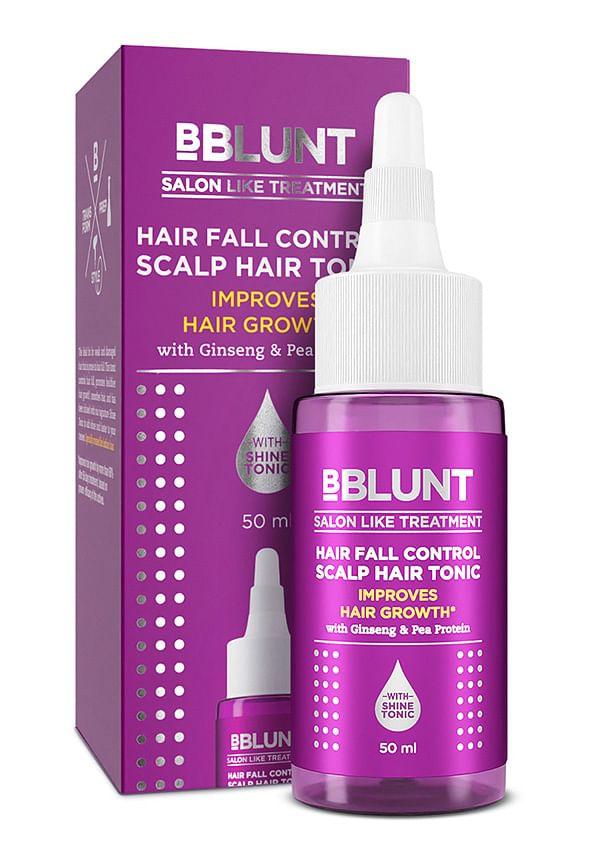
Hair Fall Control Scalp Hair Tonic
Yes, hair serums can be very effective for hair loss when they contain clinically proven ingredients. Studies show that topical treatments with active compounds like minoxidil can significantly reduce hair fall and promote regrowth. However, results vary depending on the cause of hair loss, how long you've been experiencing it, and how consistently you use the product. Serums work best for early-stage hair thinning rather than advanced hair loss.
Dermatologists often recommend serums containing 2-5% minoxidil for proven effectiveness, or natural alternatives with rosemary oil, caffeine, and peptides. Look for products that are clinically tested, free from harsh chemicals, and suited to your hair type. The best serum is one you'll use consistently—so consider factors like scent, texture, and how it fits into your routine.
While topical treatments like serums work directly on your scalp, supporting your hair health with the right foods can boost their effectiveness. Iron-rich foods like spinach and lentils, protein sources like eggs and fish, and biotin-rich foods like nuts and seeds all support healthy hair growth. Vitamin D, zinc, and omega-3 fatty acids are also crucial for preventing hair fall.
Most people notice reduced hair fall within 4 to 6 weeks of consistent use, but visible regrowth typically takes 8 to 12 weeks. Your hair might feel stronger and look shinier before you see actual new growth. Remember, hair grows slowly—about half an inch per month—so patience is key. Stick with your routine for at least three months before deciding if a serum is working for you.
Most hair serums are well-tolerated, but some people may experience scalp irritation, itching, or dryness, especially when starting treatment. Always do a patch test before using a new serum. If you experience persistent irritation, reduce frequency of use or switch to a gentler formula. Rare side effects from ingredients like minoxidil can include unwanted facial hair growth, so follow application instructions carefully.
Finding the right hair serum for hair fall can genuinely transform your relationship with your hair. These targeted treatments offer a practical, science-backed approach to tackling thinning hair, whether you're dealing with stress-related shedding, hormonal changes, or just want to strengthen what you've got.
The key is choosing a serum with proven ingredients, using it consistently, and being patient with the process. Remember, healthy hair growth takes time, but the wait is usually worth it when you start seeing stronger, thicker hair in the mirror.
If you're dealing with severe hair loss or haven't seen improvements after three months of consistent use, it's worth chatting with a dermatologist. They can help identify underlying causes and recommend treatments that might work better for your specific situation.
Ready to explore your options? Smytten's curated selection includes hair serums from trusted brands, and you can often find trial-size versions to test before committing to a full bottle—a smart way to discover what works for your hair without the guesswork.
