9 Ways Clarifying Shampoo Removes Hair Dye Fast

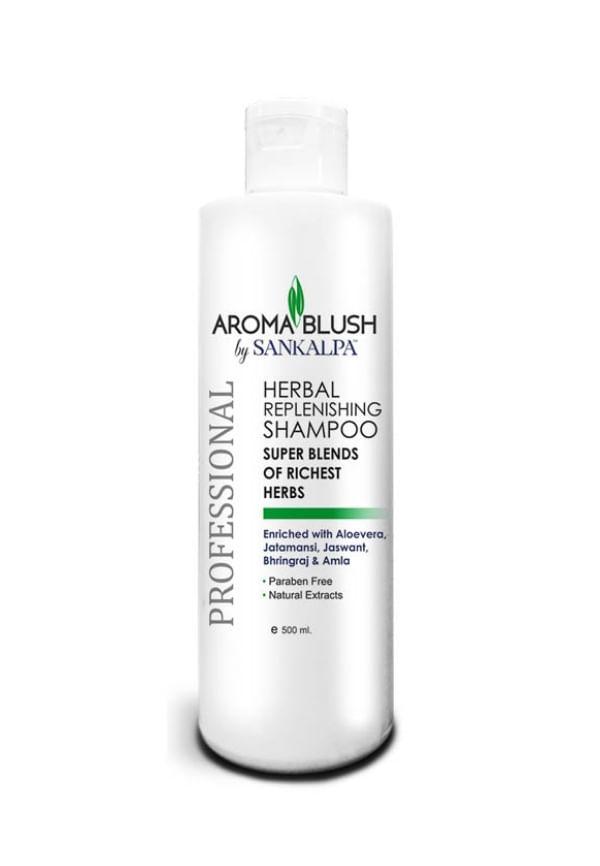
Hebal Replenishing Shampoo
Amazing Product
 5
5“amazing product,i like it 👍👍”
Ever found yourself staring at a hair colour disaster in the mirror, wondering how to undo the damage? Whether it's a DIY dye job gone wrong or you're simply ready for a fresh start, clarifying shampoo to remove hair dye might just be your saving grace. Unlike harsh chemical strippers that can leave your hair feeling like straw, clarifying shampoos offer a gentler approach to fading unwanted colour. These deep-cleansing formulas work by opening the hair cuticle and gradually lifting colour molecules, making them particularly effective on semi-permanent dyes and fresh colour applications. While they won't completely strip permanent colour overnight, they can significantly fade it over multiple washes. The best part? You probably already have access to these colour-fading heroes through platforms like Smytten, where you can trial different clarifying formulas before committing to full-size bottles. Let's dive into nine proven methods that'll help you reclaim your natural shade or prep your hair for a new colour adventure.
TL;DR
Clarifying shampoo opens hair cuticles to gradually lift colour molecules, working best on semi-permanent and fresh dyes
Nine proven methods include extended processing, multiple wash cycles, vitamin C enhancement, and targeted application techniques
Semi-permanent colours typically fade in 1-3 washes, while permanent dyes may lighten 2-3 shades over 5+ washes
Always follow clarifying treatments with deep conditioning to maintain hair health and prevent damage
Success depends on hair porosity, dye type, and how recently the colour was applied
The science behind clarifying shampoo for color treated hair is actually quite fascinating. These powerful cleansers contain higher concentrations of surfactants—particularly sulfates—that work like tiny magnets to lift away buildup, oils, and yes, colour molecules from your hair shaft. When you apply a clarifying formula, it opens the hair cuticle more aggressively than regular shampoos, allowing the cleansing agents to penetrate deeper and grab onto artificial colour pigments.
The key difference lies in how various dye types bond with your hair. Semi-permanent colours sit on the hair's surface and wash out relatively easily with clarifying treatments. Permanent dyes, however, penetrate the cortex and undergo chemical reactions that make them much more stubborn. That's why your expectations need to be realistic—while clarifying shampoo can significantly fade permanent colour, complete removal usually requires professional intervention.
Ready to tackle that unwanted colour? These nine methods range from gentle to intensive, so you can choose the approach that best suits your hair type and colour situation. Remember, patience is key—rushing the process often leads to damage rather than results.
This method involves leaving your clarifying shampoo on for 5-20 minutes instead of the usual quick rinse. Apply the shampoo to damp hair, work it into a lather, then let it sit while the active ingredients do their work. The extended contact time allows the surfactants to break down more colour molecules, making this particularly effective for stubborn fashion colours like blues and purples.
Sometimes persistence pays off more than intensity. This gentle clarifying shampoo for dyed hair approach involves washing your hair 2-3 times in one session, allowing each application to work for a few minutes before rinsing. It's less harsh than extended processing but still provides cumulative colour removal with each cycle.
Here's where things get interesting—crushing 10-15 vitamin C tablets and mixing them with your clarifying shampoo creates a powerful color remover shampoo hybrid. The ascorbic acid in vitamin C helps break down artificial colour molecules, while the clarifying base lifts them away. This dye out shampoo combo works particularly well on red and pink tones.
Mix a tablespoon of baking soda with your clarifying shampoo to create an alkaline environment that opens the hair cuticle even further. This method is excellent for removing buildup alongside colour, but use it sparingly as baking soda can be quite drying. Always follow with a deep conditioning treatment.
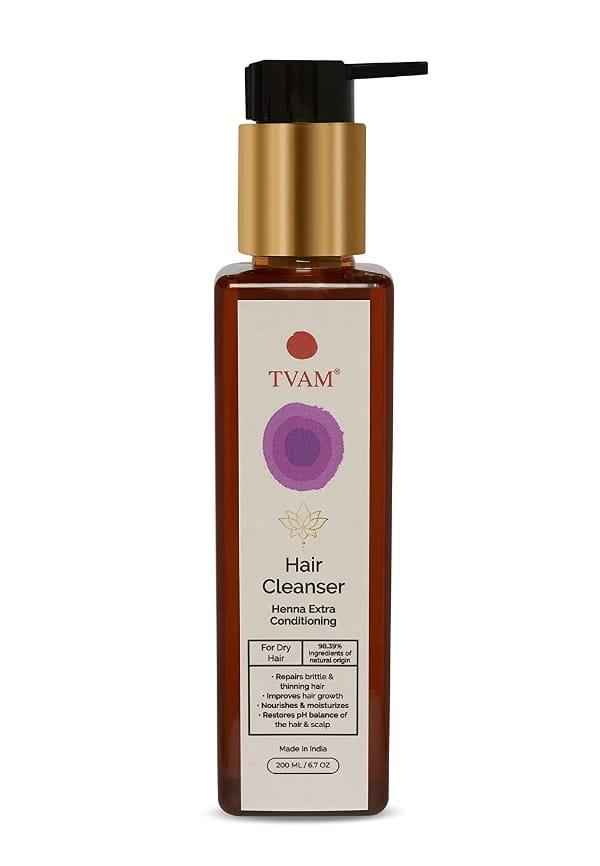
Hair Cleanser - Henna Extra Conditioning
Temperature plays a crucial role in colour removal. Using the hottest water your scalp can comfortably handle helps open the cuticle and allows the clarifying agents to work more effectively. Just be mindful that excessive heat can damage already processed hair, so don't overdo it.
Borrowed from professional salons, this technique involves two separate clarifying washes. The first removes surface colour and buildup, while the second penetrates deeper for more thorough colour lifting. It's like giving your hair a proper deep clean that targets different layers of colour deposit.
Apply a lightweight oil (like argan or jojoba) to your hair before the clarifying treatment. This protects the hair shaft while still allowing colour removal, creating a buffer that prevents excessive dryness. It's particularly useful for chemically treated or damaged hair that needs extra protection.
For those with sensitive hair, using a gentle clarifying shampoo once or twice weekly provides slow but steady colour fading. This method takes longer but maintains hair health throughout the process. It's perfect for transitioning between colours without shocking your hair.
Sometimes you only need to remove colour from specific areas. Apply your clarifying shampoo for dark hair dye removal primarily to roots or problem areas, using a regular shampoo on the lengths. This selective approach prevents unnecessary damage to hair that doesn't need colour removal.
Not all hair colours are created equal when it comes to removal. Understanding what your clarifying shampoo can and can't tackle will help set realistic expectations and prevent disappointment.
These are your clarifying shampoo's best friends. Semi-permanent colours, fashion shades, and temporary dyes typically wash out within 1-3 clarifying sessions because they don't penetrate deeply into the hair shaft. Brands like Manic Panic, Arctic Fox, and most drugstore temporary colours respond particularly well to this shampoo to strip hair color approach.
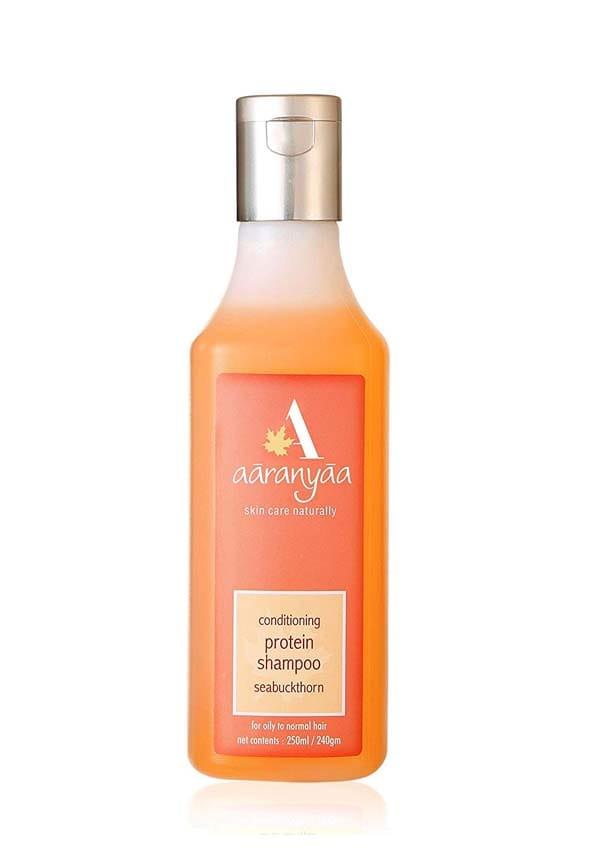
Protein Conditioning Shampoo
Permanent colours are trickier territory. While clarifying shampoo can fade them significantly—often lightening by 2-3 shades over multiple washes—complete removal usually isn't realistic. The chemical bonds formed during permanent colouring are simply too strong for clarifying agents alone to break completely.
Timing matters enormously. Colour applied within the last 48 hours is much easier to remove because it hasn't fully oxidised and bonded with the hair. Older colour, especially if it's been through multiple wash cycles, becomes increasingly stubborn and may require professional intervention.
Getting the technique right can make the difference between success and disappointment. Here's how to remove hair dye with shampoo effectively and safely.
Start by assessing your hair's current condition. If it's already damaged or overly dry, consider a gentler approach or seek professional help. Wet your hair thoroughly with warm water—this initial step helps open the cuticle and prepares your hair for the clarifying treatment.
Apply your chosen clarifying formula generously, working it through from roots to tips. Create a rich lather and massage gently—aggressive scrubbing won't remove more colour but will damage your hair. For extended processing methods, cover your hair with a shower cap to maintain warmth and moisture.
Processing time varies by method and hair type, but generally ranges from 5-20 minutes. Watch for signs of excessive dryness or irritation, and rinse immediately if you experience any discomfort. Rinse thoroughly with cool water to help seal the cuticle and lock in any remaining colour.
Clarifying shampoo for build-up removal is inherently drying, so protecting your hair's integrity should be your top priority. The goal is colour removal, not hair destruction.
Deep conditioning after every clarifying session is non-negotiable. Look for protein-rich treatments if your hair feels weak or stretchy, or moisture-focused masks if it feels dry and brittle. This step helps restore the hair's natural barrier and prevents long-term damage.
Know when to stop. If your hair feels gummy when wet, breaks easily, or looks dull and lifeless, you've gone too far. Take a break from clarifying treatments and focus on intensive conditioning for at least a week before attempting any further colour removal.
For ongoing colour maintenance or gradual fading, limit clarifying treatments to once or twice weekly. This shampoo for faded hair color approach allows your hair to recover between sessions while still achieving your colour goals over time.
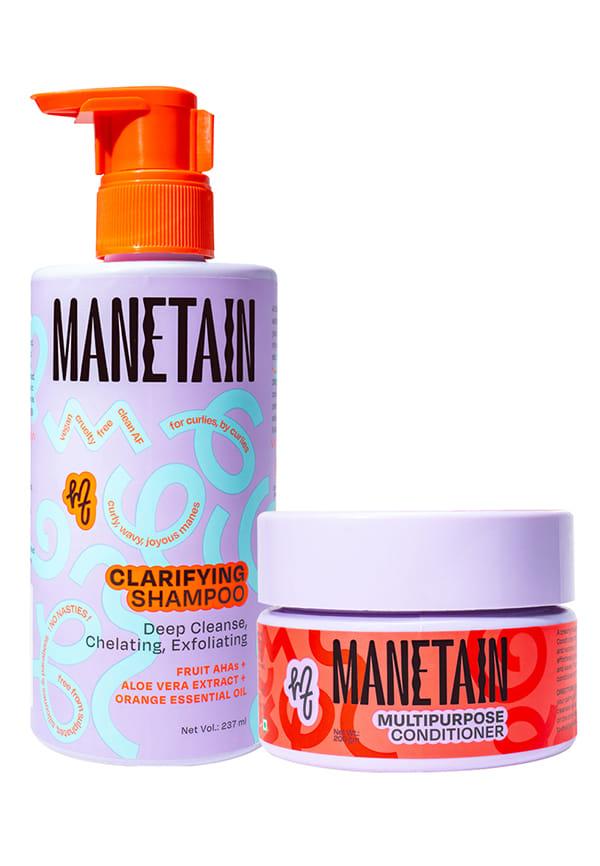
Clarifying Shampoo & Multipurpose Conditioner
Clarifying shampoo works best for fading rather than complete removal. Semi-permanent colours may wash out entirely in 1-3 sessions, but permanent dyes typically lighten by 2-3 shades maximum. Complete removal of permanent colour usually requires professional colour correction services.
The most effective formulas contain sulfates like sodium lauryl sulfate or sodium laureth sulfate. Popular drugstore options include Suave Daily Clarifying Shampoo and VO5 Clarifying Shampoo, while professional brands like Paul Mitchell Shampoo Three offer more intensive results. You can trial different options through Smytten to find what works best for your hair type.
Noticeable fading typically occurs within 2-5 washes, depending on your hair's porosity, the colour's age, and the specific dye used. Fashion colours and reds tend to fade faster than browns and blacks. Consistent use over 2-3 weeks usually provides the maximum fading potential.
While clarifying shampoo can be used on all hair types, those with fine, damaged, or chemically treated hair should proceed with extra caution. Coarse, healthy hair typically tolerates clarifying treatments better and may see faster results.
For intensive colour removal, daily use for 3-5 days is generally safe for healthy hair, followed by a recovery period with deep conditioning treatments. For ongoing maintenance, once or twice weekly is sufficient to prevent damage while achieving gradual fading.
Clarifying shampoo offers a gentler alternative to harsh chemical strippers for removing unwanted hair colour. While it won't work miracles on permanent dyes, it's incredibly effective for semi-permanent colours and can significantly fade stubborn permanent shades over time. The key to success lies in choosing the right method for your hair type and colour situation, being patient with the process, and prioritising hair health throughout.
Remember that realistic expectations are crucial—clarifying shampoo is about fading and lightening rather than complete colour removal. Semi-permanent dyes typically wash out within a few sessions, while permanent colours may lighten by several shades but rarely disappear entirely. Always follow clarifying treatments with intensive conditioning to maintain your hair's health and integrity.
When you're ready to experiment with different clarifying formulas to find your perfect colour-fading solution, Smytten makes the process both affordable and risk-free. As India's largest product discovery and trial platform, Smytten offers curated trial packs from trusted haircare brands like Love, Beauty & Planet, WishCare, and Dove—letting you test various clarifying shampoos before committing to full-size purchases. With trial packs available for just ₹279 and 100% cashback on your trials, you can explore different formulas to discover which works best for your specific colour removal needs. Whether you're dealing with a DIY disaster or planning your next colour transformation, trying before you buy ensures you'll find the right clarifying shampoo for your hair journey. After all, why settle for maybe when you can try it all and find your perfect colour-correcting match?
