9 Top Scalp Treatments for Healthier Hair Growth

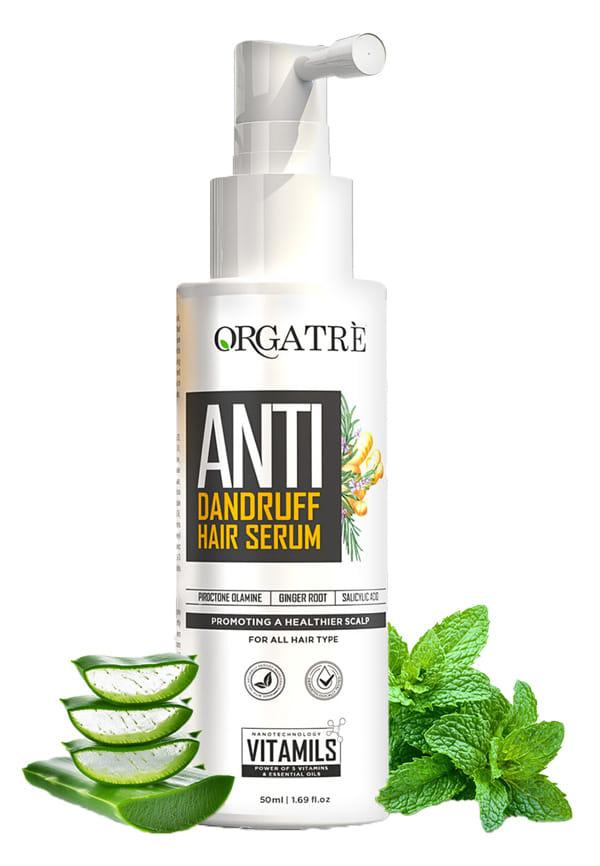
Anti Dandruff Hair Serum | Treatment for Dandruff, Flaky & Dry Scalp
You know that moment when you catch your reflection and notice your hairline looking a bit... sparse? Or when your scalp feels tight, itchy, or just plain unhappy? Real talk — your scalp is literally the foundation for everything happening up top, yet most of us treat it like an afterthought. We'll spend ages perfecting our hair routine but completely ignore the skin underneath. Here's the thing: healthy hair starts with a healthy scalp, and the right scalp treatments can be absolute game-changers for growth, comfort, and overall hair health.
Let's be real — your scalp is skin, just like the rest of your face and body. It needs the same level of care and attention, maybe even more since it's constantly covered by hair and dealing with product buildup, environmental stress, and daily styling. Think of your scalp as the soil in a garden. If the soil isn't healthy, nothing good grows from it.
Your scalp type determines everything about your hair health. Got an oily scalp? You might notice greasy roots within hours of washing. Dry scalp? Hello, flakes and that tight, uncomfortable feeling. Sensitive scalp? Even the gentlest products might leave you scratching. And if you're dealing with hair thinning or loss, your scalp health becomes even more crucial because compromised circulation and inflammation can seriously impact growth cycles.
The scalp-hair growth connection is pretty fascinating. Your hair follicles need proper blood flow, balanced oil production, and a clean environment to function optimally. When your scalp is inflamed, clogged, or imbalanced, it creates a hostile environment for hair growth. That's where targeted scalp care products come in — they address the root cause rather than just masking symptoms.
Most scalp issues fall into a few categories: excess oil production leading to clogged follicles, dryness causing flaking and irritation, fungal overgrowth resulting in dandruff, or sensitivity reactions to products or environmental factors. Understanding which category you fall into helps you choose the most effective treatments.
After diving deep into dermatological research and real-world results, these nine scalp treatments consistently deliver results across different scalp types and concerns. Each one targets specific issues while supporting overall scalp health.
When dealing with persistent dandruff, medicated treatments containing zinc pyrithione, selenium sulfide, or ketoconazole are your best bet. These ingredients target the fungal overgrowth that causes those annoying flakes. Look for formulations that balance effectiveness with gentleness — you want to eliminate the problem without over-drying your scalp.
Just like your face benefits from regular exfoliation, your scalp needs the same treatment. Salicylic acid and glycolic acid gently remove dead skin cells and product buildup that can clog follicles. These chemical exfoliants work more effectively than physical scrubs, which can be too harsh for sensitive scalp skin.
Lightweight serums containing hyaluronic acid, glycerin, or ceramides provide targeted hydration without weighing down your hair. These are perfect for dry scalp remedies, delivering moisture directly where it's needed most. Apply to clean, damp scalp and massage gently for best absorption.
For those dealing with thinning or slow growth, treatments containing minoxidil, caffeine, or copper peptides can boost circulation and stimulate follicles. These hair growth treatments work best when used consistently over several months, so patience is key.
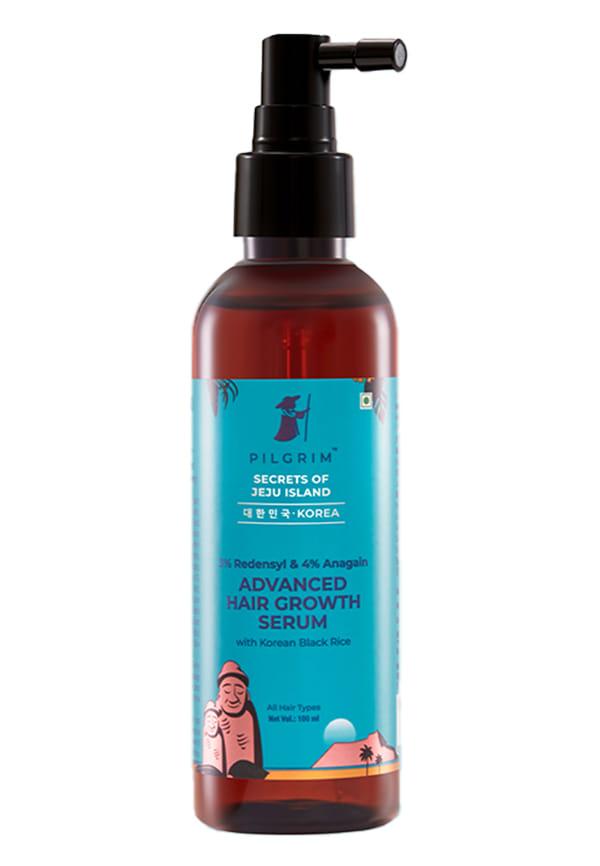
3% Redensyl & 4% Anagain ADVANCED HAIR GROWTH SERUM For Dandruff-Prone Scalp
Natural oils like tea tree, jojoba, and argan provide both antimicrobial and moisturising benefits. Tea tree oil is particularly effective for itchy scalp relief, while jojoba closely mimics your scalp's natural sebum. These work well as pre-shampoo treatments or overnight masks.
Clay-based treatments or apple cider vinegar rinses help remove stubborn buildup and balance pH levels. These are especially beneficial for oily scalp solutions, drawing out excess sebum and impurities without stripping essential moisture.
Ingredients like niacinamide, aloe vera, and chamomile calm irritated, inflamed scalp skin. These gentle treatments work well for sensitive scalps or as maintenance therapy after addressing specific concerns with stronger treatments.
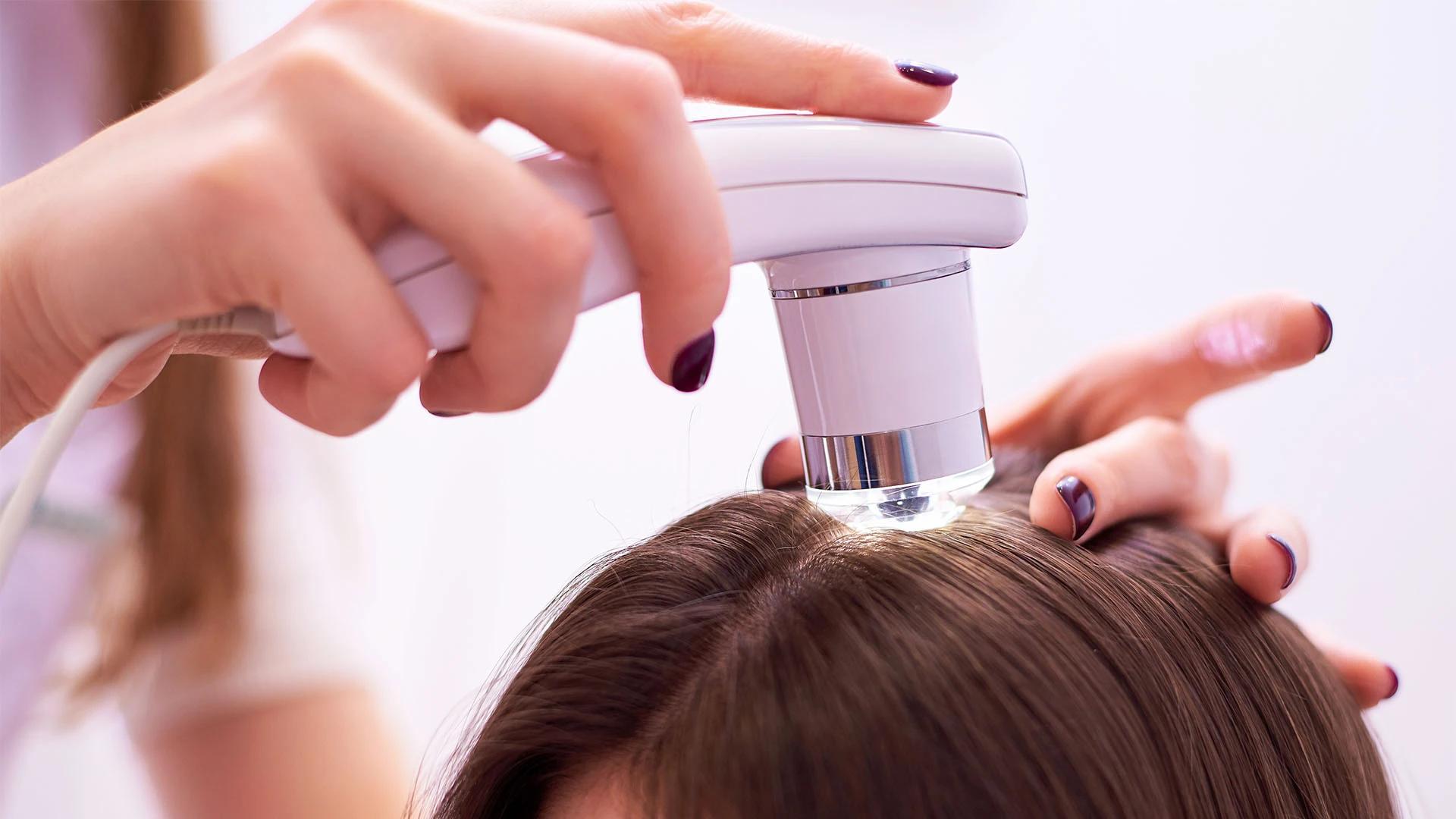
Sometimes the best treatment is mechanical. Scalp massage brushes, silicone scrubbers, and even high-tech devices that use microcurrents or LED therapy can improve circulation and enhance the effectiveness of topical treatments.
When home treatments aren't cutting it, professional scalp facials, oxygen therapy, or lymphatic drainage massages can reset your scalp health. These treatments often combine multiple modalities for comprehensive care.
Hair loss is complex, but scalp health plays a huge role in supporting whatever hair you have and potentially slowing further loss. The most clinically proven scalp treatment for hair loss remains minoxidil, available over-the-counter in 2% and 5% concentrations. It works by increasing blood flow to follicles and extending the growth phase of hair cycles.
Beyond minoxidil, look for treatments containing caffeine, which studies show can penetrate the scalp and stimulate follicles. Copper peptides are another promising ingredient, helping repair damaged follicles and improve scalp circulation. These hair growth treatments work best when combined with gentle scalp massage to boost absorption and circulation.
The key with any hair loss treatment is consistency and realistic expectations. Most people see initial results around the 3-4 month mark, with more significant improvements appearing after 6-12 months of regular use. If you're not seeing any improvement after six months, it's worth consulting a dermatologist or trichologist for more targeted solutions.
Remember that hair loss can have multiple causes — hormonal changes, stress, nutritional deficiencies, or underlying health conditions. Scalp treatments address the local environment, but sometimes you need to tackle the root cause systemically for best results.
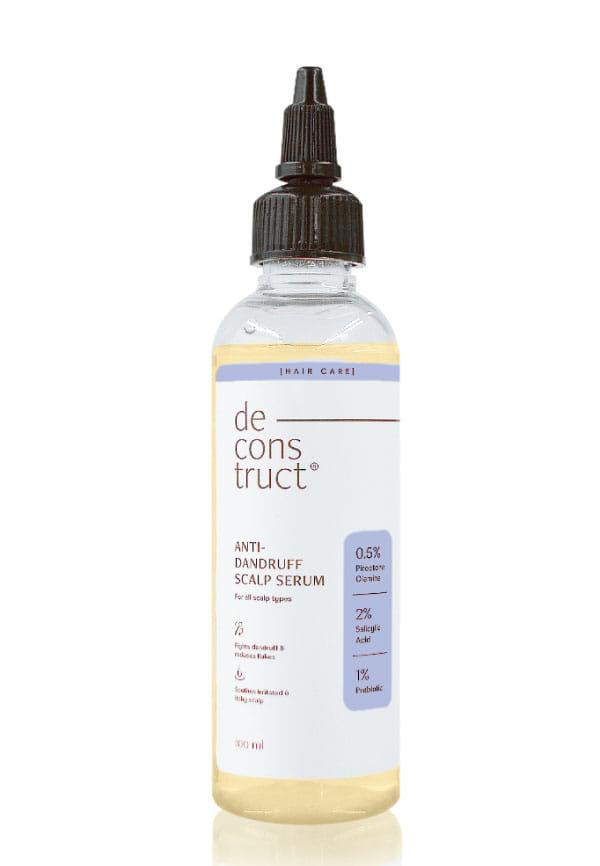
Anti-Dandruff Scalp Serum - 0.5% Piroctone Olamine + 2% Salicylic Acid + 1% Prebiotic
Dry scalp feels tight, itchy, and often produces small, white flakes that are different from the larger, oily flakes of dandruff. The goal with dry scalp remedies is to restore moisture balance without clogging follicles or weighing down hair.
Hyaluronic acid serums work brilliantly for dry scalps because they can hold up to 1000 times their weight in water, providing intense hydration. Apply these to damp scalp for maximum effectiveness. Ceramides are another powerhouse ingredient, helping repair the scalp's moisture barrier and preventing water loss.
Natural oils can be incredibly effective, but choose wisely. Jojoba oil is technically a wax ester that closely mimics your scalp's natural sebum, making it less likely to cause buildup. Argan oil provides both moisture and antioxidants, while rosehip oil offers gentle hydration with added vitamins.
For immediate relief, try overnight oil treatments once or twice a week. Apply your chosen oil to dry scalp, massage gently, and shampoo out in the morning. This gives the oil time to penetrate deeply without leaving residue on your hair.
Oily scalps can be tricky because the instinct is often to over-cleanse, which actually triggers more oil production. The goal is to gently regulate sebum production while keeping follicles clear and healthy.
Scalp exfoliation is crucial for oily scalps. Salicylic acid works particularly well because it's oil-soluble, meaning it can penetrate through sebum to clear clogged follicles. Use treatments containing 1-2% salicylic acid once or twice a week, depending on your tolerance.
Clay-based treatments are excellent oily scalp solutions. Bentonite and kaolin clays absorb excess oil without over-drying, while charcoal helps draw out impurities. Apply these as pre-shampoo masks, focusing on the scalp rather than the hair lengths.
Niacinamide is a gentler option that helps regulate oil production over time. It's less immediately dramatic than clay or acids but provides long-term balance without irritation. Look for leave-in scalp serums containing 2-5% niacinamide for daily use.
Itchy scalp can drive you absolutely mad, and the constant scratching often makes things worse. The first step is identifying whether you're dealing with dandruff (caused by fungal overgrowth), dry scalp, or sensitivity reactions.
For true dandruff treatment, antifungal ingredients are essential. Zinc pyrithione, selenium sulfide, and ketoconazole all target the Malassezia yeast that causes dandruff. Start with zinc pyrithione formulations as they tend to be gentler, moving to stronger options if needed.
Tea tree oil provides natural antifungal and anti-inflammatory benefits, making it excellent for itchy scalp relief. Use products containing 5-10% tea tree oil, or dilute pure tea tree oil in a carrier oil for spot treatments. Always patch test first, as some people are sensitive to tea tree.
For immediate soothing, aloe vera gel applied directly to the scalp can provide cooling relief. Menthol-containing treatments also offer temporary cooling sensations that interrupt the itch-scratch cycle. Just avoid anything with alcohol, which can worsen irritation.
With so many options available, choosing the best scalp treatments for your specific situation can feel overwhelming. Start by honestly assessing your primary concern — is it dryness, oiliness, dandruff, sensitivity, or hair loss? Most people have one dominant issue, even if others are present.
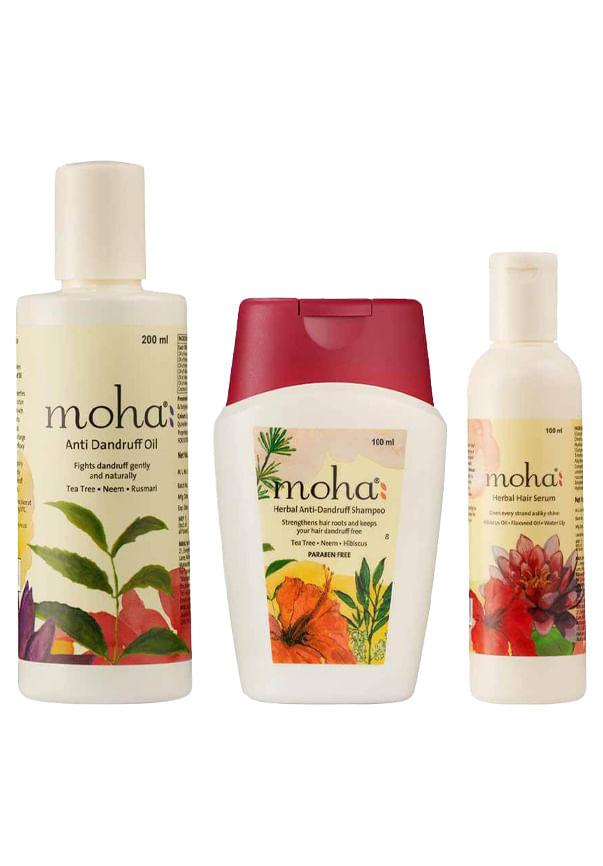
Anti Dandruff Shampoo - Anti Dandruff Oil And Hair Serum
Consider your lifestyle and preferences too. Are you someone who loves a multi-step routine, or do you prefer simple, effective solutions? Do you have time for weekly treatments, or do you need something that works with daily use? Your routine needs to be sustainable to be effective.
Patch testing is crucial, especially if you have sensitive skin. Apply any new treatment to a small area behind your ear and wait 24-48 hours to check for reactions. This simple step can save you from scalp irritation and setbacks in your treatment journey.
Start with one treatment at a time and give it at least 4-6 weeks to show results. Scalp skin has a turnover cycle of about 28 days, so you need to allow time for real changes to occur. Adding multiple treatments simultaneously makes it impossible to identify what's working.
The best scalp treatment depends on your specific concerns. For general scalp health, gentle exfoliating treatments with salicylic acid combined with hydrating serums work well for most people. If you're dealing with dandruff, zinc pyrithione treatments are typically the first line of defence, while dry scalps benefit most from hyaluronic acid or ceramide-based serums.
For hair growth specifically, minoxidil remains the most clinically proven treatment, applied once daily for women and twice daily for men directly to the scalp skin. For overall scalp health that supports hair growth, regular scalp exfoliation combined with circulation-boosting massage and targeted serums provides the best foundation.
This depends on the treatment type and your scalp's needs. Gentle daily treatments like hydrating serums can be used every day, while stronger treatments like chemical exfoliants should be limited to 1-2 times per week. Oil treatments work well as weekly intensive care, and medicated dandruff treatments should be used as directed on the packaging, typically 2-3 times per week initially.
Yes, but introduce them gradually and pay attention to how your scalp responds. A good approach is using gentle daily treatments like hydrating serums, weekly exfoliation, and targeted treatments for specific concerns as needed. Avoid using multiple active ingredients simultaneously, especially when starting out.
Most people notice initial improvements in comfort and appearance within 2-4 weeks of consistent use. For hair growth treatments, visible results typically appear after 3-6 months of regular application. Scalp health improvements like reduced flaking or itching often show up sooner, within the first few weeks of appropriate treatment.
Your scalp deserves the same attention and care as the rest of your skincare routine. These nine top scalp treatments address the most common concerns while supporting overall scalp health and hair growth. Remember that consistency beats intensity — gentle, regular care produces better long-term results than sporadic intensive treatments.
The key to success with any scalp treatment is matching the solution to your specific needs and giving it time to work. Whether you're dealing with dryness, oiliness, dandruff, or hair loss, there's a targeted approach that can help restore balance and comfort to your scalp.
Not sure which approach might work best for your scalp concerns? Smytten offers trial-size versions of many scalp care products from trusted brands — a smart way to test different treatments before committing to full-size bottles. With options from dermatologist-recommended brands and innovative new formulations, you can explore what works for your unique scalp needs without the guesswork.
