9 Top Scalp Relief Tips for Itchy Scalp Remedies


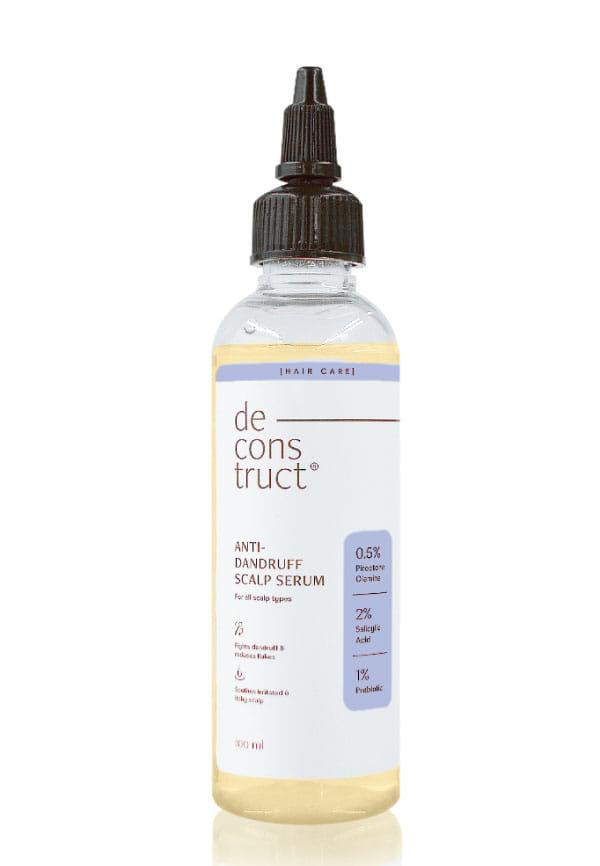
Anti-Dandruff Scalp Serum - 0.5% Piroctone Olamine + 2% Salicylic Acid + 1% Prebiotic
Effective for dandruff and hairfall
 5
5“awesome product, really helps in dandruff and hairfall”
Effective for Dandruff
5“it really works...! I was struggling with dandruff until I bought this. please go for it 🙏”
Good for clear scalp and dandruff
4“Good product for clear scalp to deal with dandruff.”
You know that moment when your scalp starts feeling like it's hosting its own little rebellion? The constant urge to scratch, the flakes that seem to appear out of nowhere, and that tight, uncomfortable feeling that makes you want to hide under a hat forever. We've all been there, and honestly, it's one of those things that can completely throw off your day. The good news? There are actually proven ways to get your scalp back to its happy, healthy state without having to endure weeks of discomfort.
Let's be real—your scalp is basically an extension of your facial skin, just with a lot more hair follicles. When it gets irritated, it's usually trying to tell you something important. The most common culprits behind scalp irritation solutions include seborrheic dermatitis (fancy term for when your scalp gets inflamed and flaky), product buildup from all those styling products we love, environmental factors like pollution or harsh weather, and sometimes even stress.
Understanding your scalp type is crucial for effective sensitive scalp care. Some people naturally produce more oil, leading to greasy roots but potentially healthier scalp conditions. Others have drier scalps that can feel tight and itchy, especially during colder months. Then there's the combination type—oily at the roots but dry at the ends, which can be particularly tricky to manage.
Your scalp also has its own microbiome—a delicate ecosystem of bacteria and fungi that, when balanced, keeps everything running smoothly. When this balance gets disrupted by harsh products, hormonal changes, or lifestyle factors, that's when the itching and irritation typically start. Most home remedies work brilliantly for mild to moderate scalp issues, but if you're dealing with severe itching, bleeding, or patches of hair loss, it's definitely time to chat with a dermatologist.
Ready to dive into some tried-and-tested itchy scalp remedies that actually work? These aren't just old wives' tales—they're backed by research and real results from people who've been exactly where you are right now.
Apple cider vinegar might smell a bit intense, but it's genuinely one of the most effective ways to restore your scalp's natural pH balance. Your scalp naturally sits at around 4.5-5.5 on the pH scale, but many shampoos and styling products can push it towards alkaline, creating the perfect environment for fungal growth and irritation. Mix one part ACV with three parts water, apply it to your scalp after shampooing, let it sit for about five minutes, then rinse thoroughly. Start with once a week and adjust based on how your scalp responds.
Tea tree oil is like that friend who's always got your back—it's naturally antimicrobial and anti-inflammatory, making it perfect for calming itchy scalp issues. The key is dilution: never use it straight from the bottle. Mix 2-5 drops with a tablespoon of carrier oil like jojoba or coconut oil, massage it into your scalp, and leave it on for 10-15 minutes before washing out. Always do a patch test first, especially if you have sensitive skin.
Oatmeal isn't just for breakfast—it contains compounds called beta-glucans that are incredibly soothing for irritated skin. You can make a simple mask by blending plain oats into a fine powder, mixing with a bit of water to form a paste, and applying it to your scalp for 15-20 minutes. It's one of the gentlest options for sensitive scalp care and works particularly well if your scalp feels raw or inflamed.
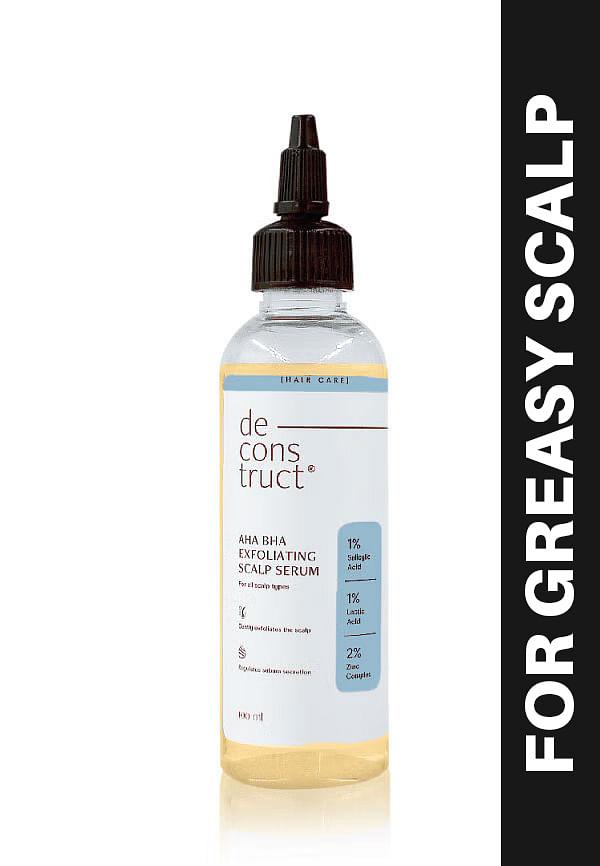
AHA BHA Exfoliating Scalp Serum - 1% Salicylic Acid + 1% Lactic Acid + 2% Zinc Complex
Sometimes the simplest solutions are the most effective. Gentle scalp massage increases blood circulation, which helps deliver nutrients to hair follicles and can reduce tension that contributes to scalp discomfort. Use your fingertips (not nails) to apply gentle pressure in small circular motions, starting from your hairline and working towards the crown. Spend about 5-10 minutes doing this, ideally before washing your hair.
Coconut oil contains lauric acid, which has antimicrobial properties and can help moisturise a dry, flaky scalp. Warm a small amount between your palms and massage it into your scalp, focusing on the most irritated areas. Leave it on for at least 30 minutes (or overnight if your scalp is really dry) before shampooing out. This works particularly well for flaky scalp treatment when dryness is the main issue.
The cooling sensation from peppermint oil can provide immediate relief from itching while also improving circulation to the scalp. Mix 2-3 drops with a carrier oil and massage into your scalp. The menthol creates a tingling sensation that can interrupt the itch-scratch cycle and provide temporary relief while other treatments work their magic.
Aloe vera is nature's cooling gel, packed with anti-inflammatory compounds that can calm irritated skin almost instantly. Use pure aloe vera gel (check the ingredients—you want 99% aloe with minimal additives) and apply it directly to your scalp. Leave it on for 20-30 minutes before rinsing. It's particularly effective for scalps that feel hot, tight, or sunburned.
This is where over-the-counter medicated shampoos come in handy. Zinc pyrithione is clinically proven to target the fungi that can cause dandruff and scalp irritation. Look for shampoos containing 1-2% zinc pyrithione and use them 2-3 times per week initially, then reduce to once weekly for maintenance. It's one of the most effective dandruff relief ingredients available without a prescription.
This might seem unrelated, but chronic stress can absolutely wreak havoc on your scalp health. High cortisol levels can disrupt your scalp's natural oil production and make existing conditions worse. Regular meditation, yoga, adequate sleep, and stress-reduction techniques can genuinely improve scalp health over time. It's not a quick fix, but it's crucial for long-term scalp health tips.
Not all scalp issues are created equal, and what works for your mate might not work for you. Dry scalp treatment requires a different approach than treating an oily, flaky scalp. If your scalp feels tight and you notice small, white flakes, you're likely dealing with dryness. Look for ingredients like hyaluronic acid, glycerin, and ceramides that help lock in moisture.
On the flip side, if your flakes are larger, yellowish, and your scalp feels oily, you might be dealing with seborrheic dermatitis or dandruff, which requires ingredients that control oil production and fungal growth. The key is paying attention to your scalp's specific signals and adjusting your routine accordingly.
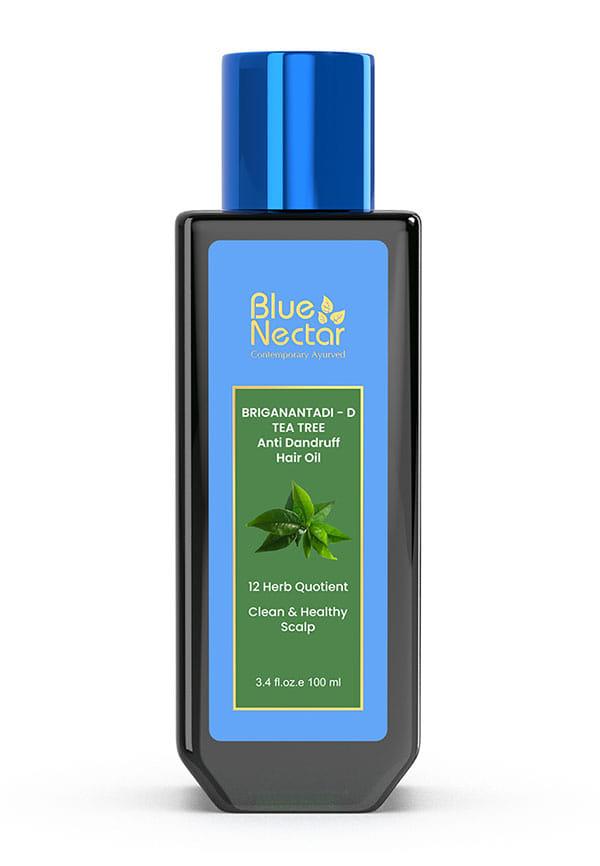
Tea Tree Anti Dandruff and Healthy Scalp Oil 12 Herbs
Seasonal changes also play a huge role in scalp health. Winter heating can dry out your scalp, while summer humidity might make it oilier. Building flexibility into your scalp health tips routine means switching between lighter, clarifying treatments in summer and richer, more moisturising ones in winter.
While home remedies are fantastic, sometimes you need the big guns. Professional-grade soothing scalp products often contain higher concentrations of active ingredients and are formulated specifically for problematic scalps. Look for sulfate-free shampoos that won't strip your scalp's natural oils, and products containing salicylic acid for gentle exfoliation of flaky skin.
When shopping for hair and scalp treatment products, read the ingredient list carefully. Avoid products with harsh sulfates, artificial fragrances, and alcohol-based ingredients that can further irritate sensitive scalps. Instead, look for gentle surfactants, natural oils, and proven active ingredients like ketoconazole, selenium sulfide, or coal tar for more stubborn conditions.
Product categories to consider include medicated shampoos for active treatment, gentle daily shampoos for maintenance, scalp serums for targeted treatment, and weekly masks for deep conditioning. The key is building a routine that addresses your specific scalp concerns without overdoing it.
Dandruff relief requires a slightly different strategy than general scalp irritation. True dandruff is usually caused by an overgrowth of a yeast called Malassezia, which feeds on the oils in your scalp and produces irritating byproducts. This is why anti-fungal ingredients like ketoconazole, selenium sulfide, and zinc pyrithione are so effective.
The trick with dandruff treatment is rotation. Using the same medicated shampoo every day can sometimes lead to resistance, so many dermatologists recommend rotating between different active ingredients. You might use a zinc pyrithione shampoo twice a week, a salicylic acid shampoo once a week, and a gentle, moisturising shampoo on other days.
For flaky scalp treatment, consistency is key. It can take 4-6 weeks to see significant improvement, so don't give up if you don't see results immediately. Once your dandruff is under control, you can usually reduce the frequency of medicated shampoos to once or twice a week for maintenance.
Building an effective scalp care routine is like creating a skincare routine—it needs to be tailored to your specific needs and adjusted based on how your scalp responds. Start with gentle, daily care using a sulfate-free shampoo that doesn't strip your scalp's natural oils. This forms the foundation of good scalp health tips.
Weekly treatments are where you can get more targeted. This might be a clarifying treatment if you use a lot of styling products, a deep moisturising mask if your scalp tends to be dry, or a medicated treatment if you're dealing with dandruff or irritation. The key is listening to your scalp and adjusting accordingly.
Environmental factors also matter. If you live in a polluted city, you might need more frequent clarifying treatments. If you're in a dry climate, focus more on moisturising treatments. Seasonal adjustments are crucial too—your scalp's needs in summer will be different from winter requirements.
Track what works and what doesn't. Keep a simple note on your phone about which products and treatments make your scalp feel better or worse. This helps you identify patterns and build a routine that actually works for your unique scalp needs.
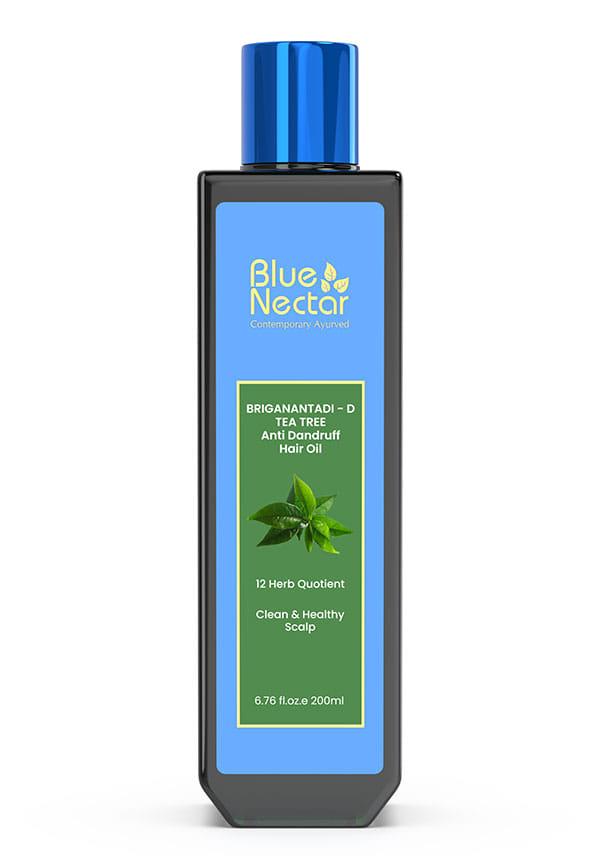
Tea Tree Anti Dandruff and Healthy Scalp Oil 12 Herbs
Regular scalp massage is the most effective natural method for loosening a tight scalp. Use your fingertips to apply gentle pressure in circular motions, starting from your hairline and working towards the crown. Spend 5-10 minutes daily doing this, and consider using a scalp massaging tool for deeper pressure. Stress reduction techniques like yoga and meditation can also help, as tension often manifests in the scalp area.
For sensitive scalp care, look for fragrance-free, hypoallergenic formulations with gentle ingredients like colloidal oatmeal, aloe vera, and chamomile. Avoid products with sulfates, artificial fragrances, and high concentrations of active ingredients. Always patch test new products on a small area first, and introduce new treatments gradually to see how your scalp responds.
Absolutely. Chronic stress and elevated cortisol levels can disrupt your scalp's natural oil production, leading to dryness, irritation, and even hair loss. Stress can also worsen existing scalp conditions like dandruff and eczema. Managing stress through regular exercise, adequate sleep, meditation, and relaxation techniques can significantly improve scalp health over time.
Aloe vera gel and peppermint oil treatments typically provide the quickest relief from itching and irritation, often within minutes of application. Apple cider vinegar rinses can also provide relatively fast results, especially for fungal-related scalp issues. However, remember that while these provide quick symptom relief, addressing the underlying cause usually takes several weeks of consistent treatment.
This depends on the severity of your scalp issues and the type of treatment. Gentle treatments like scalp massage can be done daily, while stronger treatments like medicated shampoos should typically be used 2-3 times per week initially, then reduced to once weekly for maintenance. Natural treatments like oatmeal masks can be used 1-2 times per week. Always start with less frequent applications and increase gradually based on how your scalp responds.
Finding the right top scalp relief approach is really about understanding your scalp's unique needs and being patient with the process. Whether you're dealing with dryness, dandruff, or general irritation, the key is consistency and gentle care. Start with the mildest treatments and work your way up if needed, always paying attention to how your scalp responds.
Remember that scalp health is closely connected to overall wellness—stress, diet, and lifestyle all play a role in how your scalp feels and functions. The most effective approach often combines targeted treatments with good overall self-care practices.
If you're looking to try different scalp treatments without committing to full-size products, Smytten offers trial-size versions of many scalp care products from trusted brands. It's a practical way to test what works for your specific scalp needs before investing in larger bottles, especially when you're dealing with sensitive or reactive scalp conditions.
