9 Top Rated Scalp Care Secrets for Healthier Hair

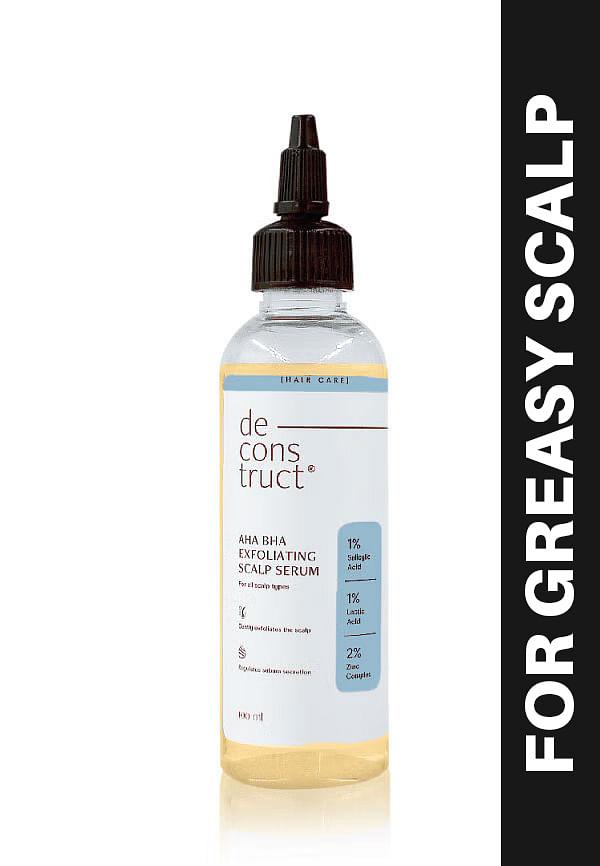
AHA BHA Exfoliating Scalp Serum - 1% Salicylic Acid + 1% Lactic Acid + 2% Zinc Complex
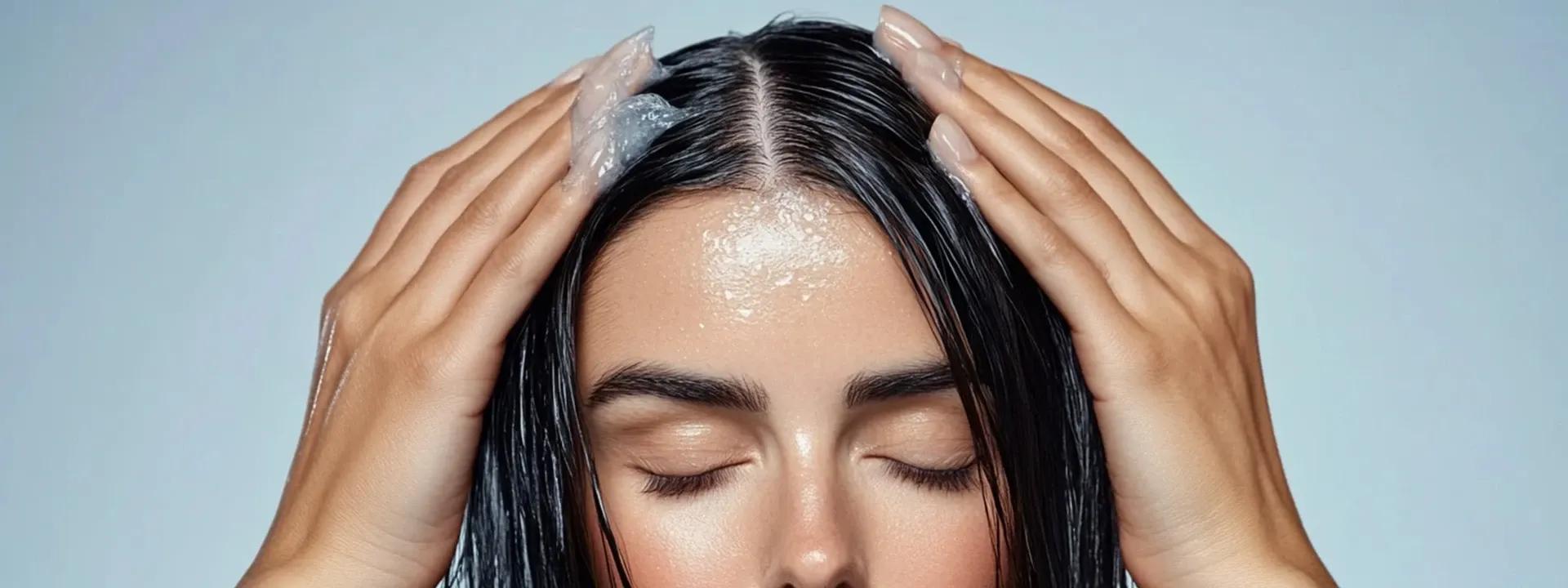
Ever noticed how your hair looks amazing after a salon visit, but within days it's back to being flat, greasy, or just plain lifeless? Here's the thing most of us miss: healthy hair starts way before the lengths and ends. Your scalp is literally the foundation where everything begins, and if it's not happy, your hair won't be either. Think of it like trying to grow a garden in poor soil – you might get some growth, but it'll never reach its full potential. The good news? Getting your scalp game right doesn't require a complete overhaul of your routine, just some smart tweaks that actually work.
Let's be real – most of us treat our scalp like an afterthought. We focus on making our hair look good with styling products and treatments, but we're basically ignoring the engine that powers it all. Your scalp is home to thousands of hair follicles, each one working overtime to produce strong, healthy strands. When your scalp is clogged with product buildup, dealing with inflammation, or struggling with dryness, those follicles can't do their job properly.
The science is pretty straightforward: healthy follicles need proper blood circulation, balanced oil production, and a clean environment to thrive. When any of these factors are off, you'll start seeing the effects in your hair quality. Thinning, breakage, dullness, and slow growth are often signs that your scalp needs some serious attention. The best scalp treatments focus on creating the optimal environment for hair growth by addressing these core issues.
Dermatologists consistently point to scalp health as the number one factor in hair quality. It's not just about washing regularly – it's about understanding what your specific scalp needs and giving it exactly that. Some scalps need more moisture, others need better oil control, and many need a combination of targeted treatments to get back on track.
Your scalp cleansing routine is where everything starts, but here's where most people go wrong: they either over-wash or under-wash, and both can mess with your scalp's natural balance. The key is finding that sweet spot based on your scalp type and lifestyle. If you're dealing with oily roots, you might need daily cleansing, but if your scalp runs dry, every other day or even twice a week might be perfect.
The double cleansing method isn't just for your face – it works wonders for your scalp too. Start with a clarifying shampoo to remove product buildup, pollution, and excess oils, then follow with a gentler, nourishing shampoo that addresses your specific scalp concerns. This approach ensures you're getting a deep clean without stripping away the natural oils your scalp actually needs.
Pay attention to water temperature too. Hot water might feel amazing, but it can irritate your scalp and strip away protective oils. Lukewarm water is your friend here – it's effective for cleansing without causing unnecessary dryness or inflammation. And when you're shampooing, focus on massaging your scalp with your fingertips, not your nails. This gentle massage boosts circulation while avoiding micro-tears that can lead to irritation.
Think of scalp exfoliation like giving your hair follicles room to breathe. Dead skin cells, product residue, and excess oils can create a barrier that prevents your scalp from functioning properly. Regular exfoliation removes this buildup and creates the clean slate your follicles need to produce healthy hair.
You've got two main options: physical and chemical exfoliation. Physical exfoliants use gentle scrubbing particles to manually remove buildup, while chemical exfoliants use ingredients like salicylic acid or glycolic acid to dissolve dead skin cells. Both have their place, but chemical exfoliants tend to be gentler and more effective for sensitive scalps.
The scalp exfoliation benefits go beyond just cleanliness. Regular exfoliation improves blood circulation, which means more nutrients reaching your hair follicles. It also helps your scalp better absorb the treatments and products you apply afterwards. Just don't overdo it – once or twice a week is plenty for most people. Over-exfoliation can actually damage your scalp barrier and cause more problems than it solves.
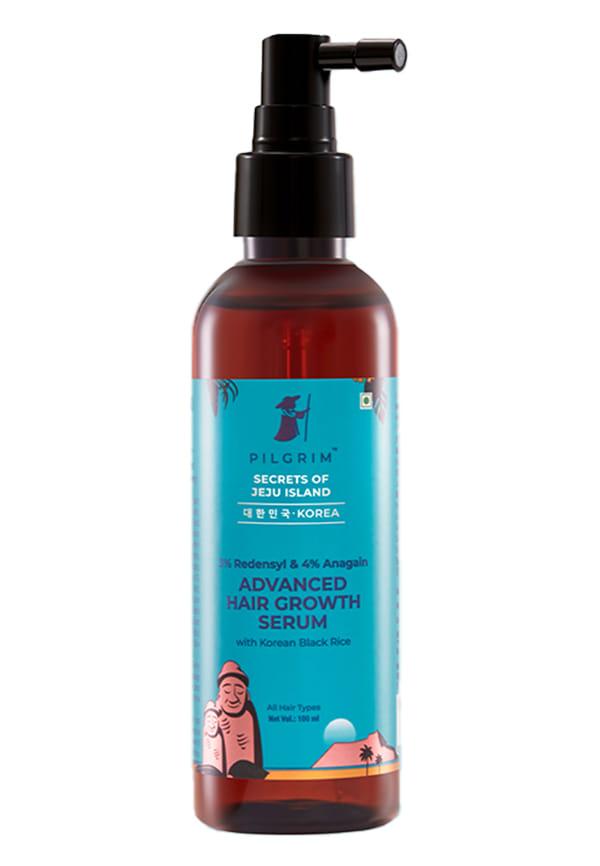
3% Redensyl & 4% Anagain ADVANCED HAIR GROWTH SERUM For Dandruff-Prone Scalp
Loved This Product
 5
5“I Loved this productttt sooo muchhhh”
Good & Non-Sticky Hair Product
5“very very good hair very nice and non sticky”
Best for Beauty & Hair
5“best for your beauty 😍 and hair”
Not all scalp problems are created equal, and what works for your friend's dandruff might not touch your itchy scalp situation. The most effective scalp health solutions are targeted ones that address your specific concerns with proven ingredients.
Dandruff is usually caused by an overgrowth of yeast on your scalp, which is why the most effective dandruff control tips involve antifungal ingredients. Zinc pyrithione and selenium sulfide are the heavy hitters here – they're clinically proven to reduce flaking and prevent recurrence. Look for shampoos with these ingredients and use them consistently for best results.
An itchy scalp often signals inflammation or irritation, and the fastest itchy scalp relief comes from soothing ingredients like aloe vera, tea tree oil, or menthol. These soothing scalp remedies work by calming inflammation and providing immediate cooling relief. The key is addressing both the symptoms and the underlying cause.
For hair growth scalp care, focus on ingredients that boost circulation and nourish follicles. Caffeine is surprisingly effective at stimulating blood flow to the scalp, while niacinamide helps improve the overall health of your scalp environment. Regular scalp massage with these ingredients can make a real difference in hair density and growth rate.
Moisturising your scalp might sound weird if you're used to focusing on your hair lengths, but your scalp needs hydration just like the rest of your skin. The trick is choosing moisturising scalp products that won't weigh down your hair or make your roots look greasy.
For dry scalps, look for healthy scalp products with hyaluronic acid, ceramides, or natural oils like jojoba or argan. These ingredients provide deep hydration without clogging pores. If your scalp is on the oilier side, lightweight serums with niacinamide or zinc can help balance oil production while still providing necessary moisture.
Application technique matters too. Apply scalp treatments to damp hair, section by section, and massage gently with your fingertips. This ensures even distribution and better absorption. Leave-in treatments work best when applied to a clean scalp, so time them right after washing for maximum effectiveness.
Sometimes DIY just doesn't cut it, and knowing when to seek professional help can save you months of frustration. Dermatologists can diagnose underlying conditions like seborrheic dermatitis or scalp psoriasis that won't respond to over-the-counter treatments. They also have access to prescription-strength ingredients that can tackle stubborn issues more effectively.
That said, many scalp concerns can be successfully managed at home with the right products and consistency. The key is being realistic about what you can achieve and recognising when it's time to call in the experts. If you've been dealing with persistent itching, unusual hair loss, or scalp pain for more than a few weeks, it's worth getting a professional opinion.
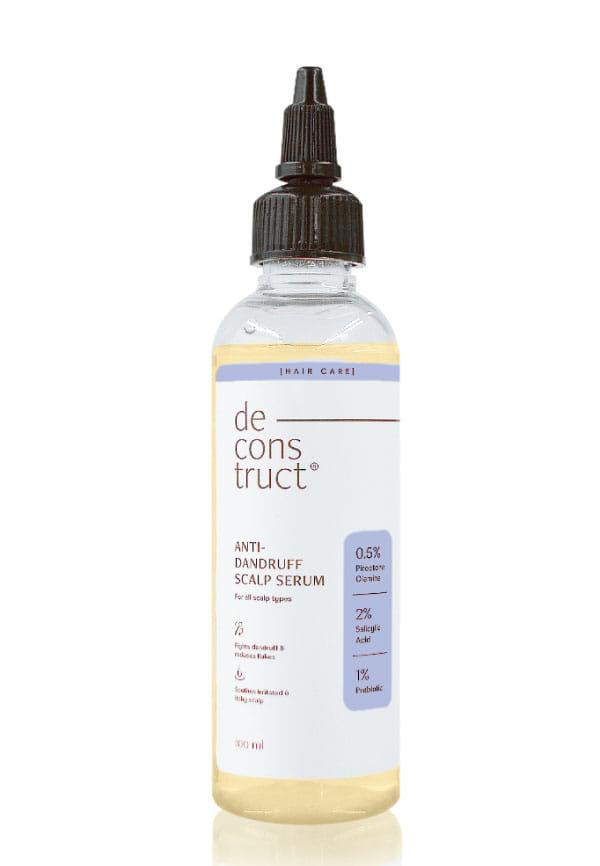
Anti-Dandruff Scalp Serum - 0.5% Piroctone Olamine + 2% Salicylic Acid + 1% Prebiotic
Effective for dandruff and hairfall
5“awesome product, really helps in dandruff and hairfall”
Effective for Dandruff
5“it really works...! I was struggling with dandruff until I bought this. please go for it 🙏”
Good for clear scalp and dandruff
4“Good product for clear scalp to deal with dandruff.”
Professional treatments like scalp facials or medical-grade peels can provide deeper results than at-home options, but they're not always necessary. Many effective ingredients are available in consumer products – you just need to know what to look for and how to use them properly.
The most effective scalp care routine is one that fits your lifestyle and addresses your specific concerns. Start simple with a good clarifying shampoo and a targeted treatment for your main scalp issue. Once you've got the basics down, you can add in extras like weekly exfoliation or leave-in treatments.
Timing matters more than you might think. If you're using active ingredients like salicylic acid or retinol on your scalp, evening application is usually best since these can increase sun sensitivity. Morning routines should focus on protection and lightweight hydration that won't interfere with your styling routine.
Track your progress with photos and notes about how your scalp feels. It can take 6-8 weeks to see significant changes, so patience is key. If something isn't working after a month of consistent use, don't be afraid to switch it up. Your scalp's needs can change with seasons, stress levels, and hormonal fluctuations.
Regular scalp massage isn't just relaxing – it's one of the most underrated tools for improving hair health. Just five minutes of gentle massage daily can significantly improve blood circulation to your hair follicles, which means better nutrient delivery and potentially faster growth.
Use your fingertips to apply gentle pressure in circular motions, working from your hairline back to the crown. You can do this on dry hair, with oils, or even in the shower with your shampoo. The key is consistency rather than intensity – gentle, regular massage beats aggressive rubbing every time.
Consider investing in a scalp massage tool if you want to level up your routine. These tools can provide more consistent pressure and are especially helpful if you have long nails or find it tiring to massage manually. Just remember that more pressure isn't always better – you want to stimulate circulation without causing irritation.
Your scalp's needs change throughout the year, and the smartest approach is adjusting your routine accordingly. Winter often brings dryness and flaking due to indoor heating and cold air, while summer can mean increased oil production and sweat buildup.
During colder months, focus on gentle, moisturising products and reduce the frequency of clarifying treatments. Your scalp is already dealing with environmental stress, so be extra kind to it. Summer routines might need more frequent washing and stronger clarifying products to deal with increased activity and product buildup.
Pay attention to how your scalp responds to seasonal changes and be ready to switch up your products. What works perfectly in January might leave you feeling greasy in July, and that's completely normal. Having a few different options on hand means you can adapt quickly when needed.
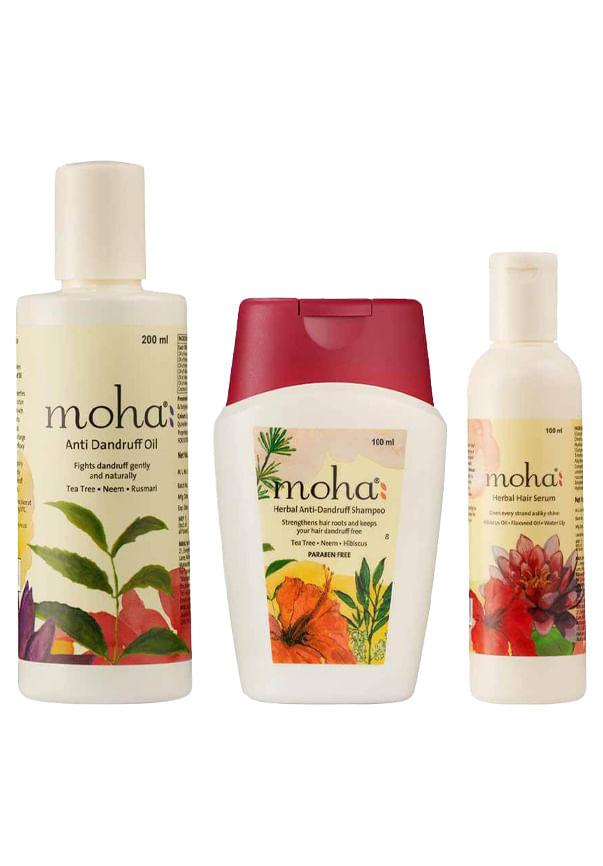
Anti Dandruff Shampoo - Anti Dandruff Oil And Hair Serum
Understanding key ingredients can transform how you shop for scalp care products. Salicylic acid is brilliant for oily scalps and dandruff, while hyaluronic acid provides lightweight moisture for dry scalps. Tea tree oil offers natural antimicrobial benefits, but it can be irritating in high concentrations.
Avoid ingredients that commonly cause scalp irritation, especially if you have sensitive skin. Sulphates, while effective cleansers, can be too harsh for some people. Fragrances and essential oils, while lovely, can trigger reactions in sensitive scalps. When in doubt, patch test new products on a small area first.
Read ingredient lists from the beginning, not just the marketing claims on the front. The first few ingredients make up the bulk of the formula, so that's where you'll find the active ingredients that actually matter. Don't be swayed by buzzwords – focus on proven ingredients with research behind them.
The best scalp care approach combines gentle cleansing, targeted treatments for specific concerns, and regular moisturising. Start with a good clarifying shampoo, add a treatment for your main scalp issue (like dandruff or dryness), and finish with lightweight hydration. Consistency matters more than expensive products – find what works for your scalp type and stick with it.
There's no single "best" product since scalp needs vary so much between individuals. However, a gentle clarifying shampoo with salicylic acid works well for most people as it removes buildup without over-drying. For specific concerns, look for targeted treatments with proven ingredients like zinc pyrithione for dandruff or niacinamide for oil control.
The best scalp treatment depends on your specific concerns. For dandruff, medicated shampoos with antifungal ingredients are most effective. For dryness, leave-in treatments with hyaluronic acid or natural oils work well. For overall scalp health, regular exfoliation combined with gentle massage provides excellent results for most people.
A clarifying shampoo with salicylic acid is generally the most effective for deep scalp cleansing. It removes product buildup, excess oils, and dead skin cells without being overly harsh. For daily use, a gentle sulphate-free shampoo maintains cleanliness without stripping natural oils. The key is matching the strength of your cleanser to your scalp's needs and activity level.
Getting your scalp care right is honestly one of the best investments you can make in your hair's future. These nine secrets aren't just trendy tips – they're proven strategies that address the root causes of common hair problems. The key is starting simple, being consistent, and adjusting your approach based on what your scalp actually needs, not what worked for someone else.
Remember that scalp care is a marathon, not a sprint. You might not see dramatic changes overnight, but stick with a routine for 6-8 weeks and you'll likely notice stronger, healthier hair growing from a happier scalp. Pay attention to how your scalp feels day to day – that's often the first sign that your routine is working.
Whether you're dealing with stubborn dandruff, trying to boost hair growth, or just want to maintain a healthy scalp, these secrets give you a solid foundation to build from. Your hair will thank you for finally giving your scalp the attention it deserves. Not sure which scalp care products might work best for your specific concerns? Smytten offers trial-size versions of many top-rated scalp treatments from trusted brands – a smart way to test what works for your scalp before committing to full-size bottles.
