9 Top Itchy Scalp Remedies for Lasting Relief

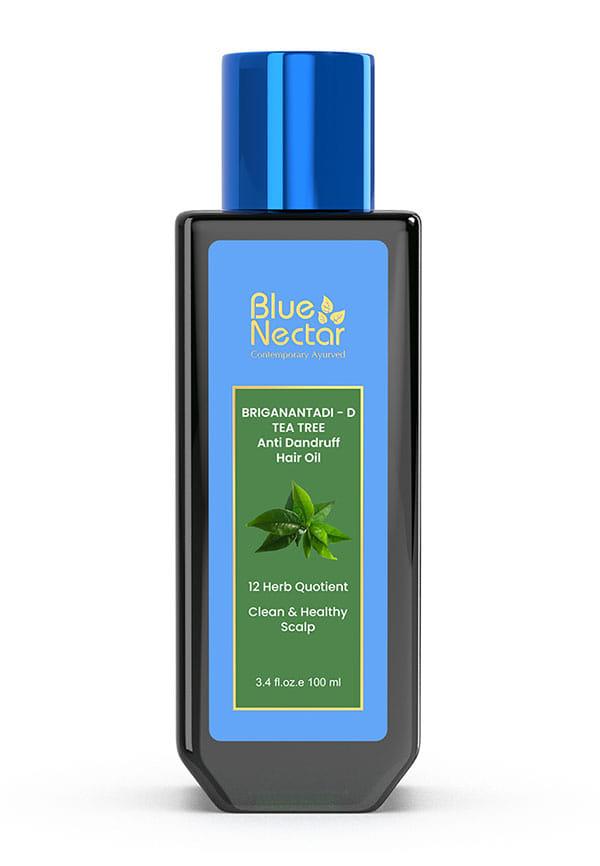
Tea Tree Anti Dandruff and Healthy Scalp Oil 12 Herbs
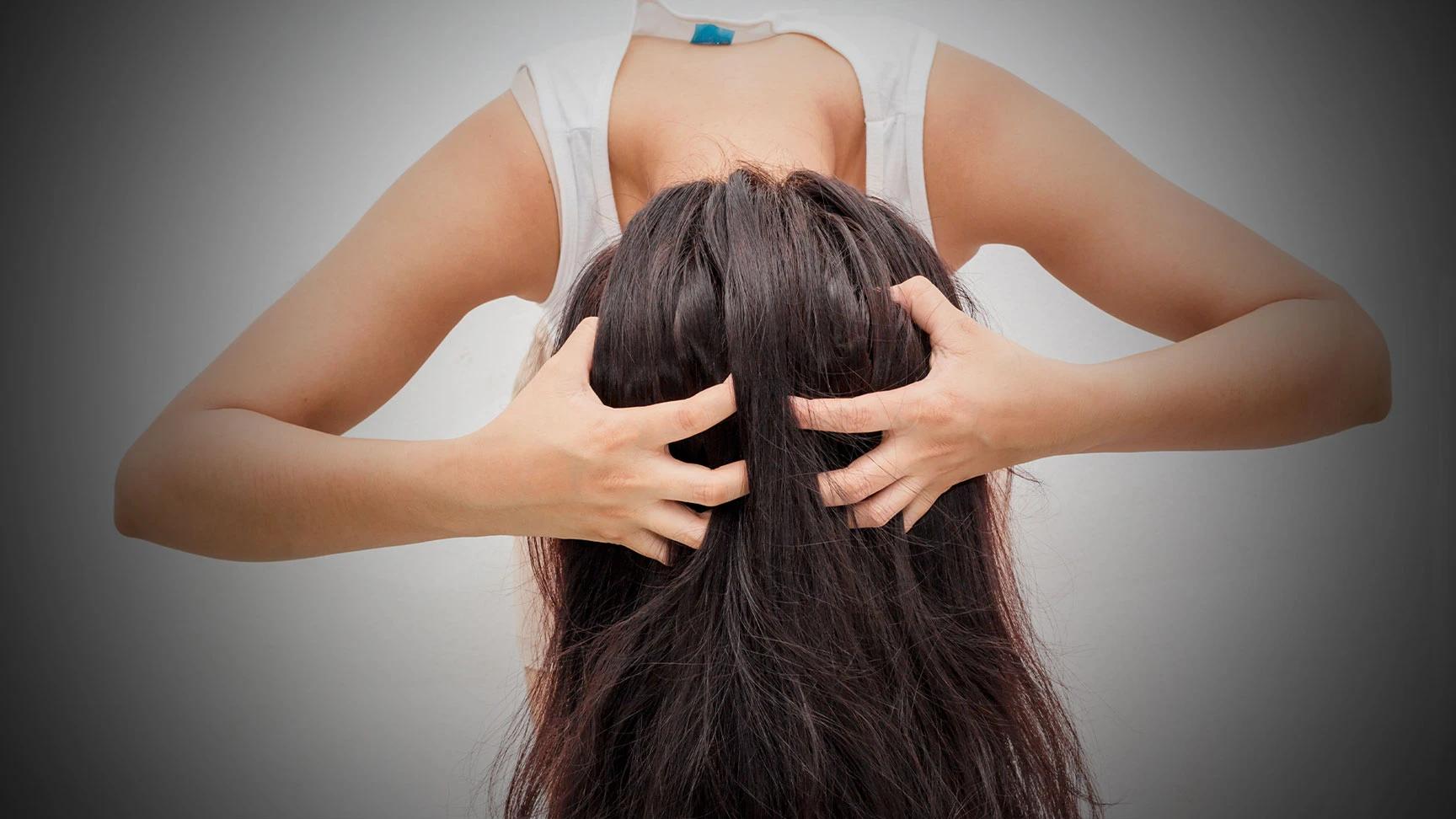
You know that moment when you're in the middle of an important meeting and your scalp starts itching like mad? Or when you're trying to sleep but can't stop scratching your head? If you're dealing with a persistently itchy scalp, you're definitely not alone. That constant urge to scratch can be seriously frustrating and honestly quite embarrassing. The thing is, most people reach for any random anti-dandruff shampoo thinking it'll sort everything out, but here's the real talk—not all scalp itch is the same, and what works for your mate might not work for you. Let's dive into the top itchy scalp remedies that actually deliver lasting relief, because your head deserves better than temporary fixes.
Before we jump into solutions, let's figure out why your scalp is throwing this tantrum in the first place. Understanding the causes of itchy scalp is honestly half the battle won. Think of it like detective work—once you know the culprit, you can tackle it properly.
The most common troublemaker? Dandruff and its more intense cousin, seborrheic dermatitis. This happens when a yeast called Malassezia decides to have a party on your scalp, feeding off the natural oils and causing flakes and irritation. Then there's the classic dry scalp situation—your skin's basically crying out for moisture, especially during winter months or if you're overdoing it with hot showers.
But wait, there's more. Product buildup from styling gels, dry shampoos, and even regular shampoos can create a layer of gunk that irritates your scalp. Some people have sensitive scalp itch triggered by fragrances, sulphates, or other chemicals in haircare products. And let's not forget about medical scalp conditions like psoriasis, eczema, or fungal infections that need proper attention.
Environmental factors play a role too—pollution, hard water, stress, hormonal changes, and even your diet can contribute to persistent itchy scalp issues. The key is identifying your specific triggers so you can choose the right remedy.
Remedy #1: Medicated Shampoos with Zinc Pyrithione
This is your first line of defence against dandruff itchy scalp. Zinc pyrithione is brilliant at controlling that pesky Malassezia yeast while being gentle enough for regular use. Look for shampoos containing 1-2% zinc pyrithione and use them 2-3 times a week initially, then scale back to maintenance mode once things calm down.
Remedy #2: Cool Water Rinses and Gentle Massage
Hot water strips your scalp of natural oils, making dryness and irritation worse. Switch to lukewarm or cool water for your final rinse, and give your scalp a gentle massage with your fingertips (not nails!) to boost circulation and remove dead skin cells.
Remedy #3: Anti-Inflammatory Spot Treatments
For immediate scalp irritation relief, try products with ingredients like salicylic acid or coal tar. These help reduce inflammation and remove buildup. Apply directly to problem areas and leave on for the recommended time before rinsing.
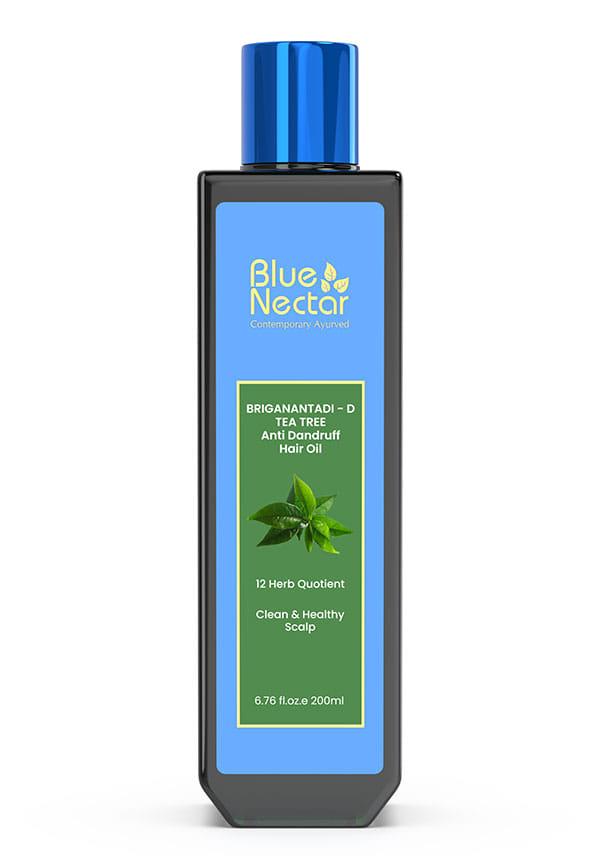
Tea Tree Anti Dandruff and Healthy Scalp Oil 12 Herbs
Remedy #4: Apple Cider Vinegar Scalp Rinse
This old-school remedy works because ACV helps restore your scalp's natural pH balance and has antimicrobial properties. Mix one part apple cider vinegar with two parts water, apply to damp hair, leave for 5-10 minutes, then rinse thoroughly. The smell fades once your hair dries, promise.
Remedy #5: Tea Tree Oil and Coconut Oil Blend
Tea tree oil is a powerhouse for fungal issues, while coconut oil provides deep moisture. Mix 2-3 drops of tea tree oil with a tablespoon of coconut oil, massage into your scalp, leave for 20 minutes, then shampoo out. This combo tackles both dry itchy scalp treatment needs and antimicrobial action.
Remedy #6: Pure Aloe Vera Gel Application
Aloe vera is like a cooling drink for your irritated scalp. Use pure aloe vera gel (not the green stuff with added chemicals), apply directly to your scalp, leave for 15-20 minutes, then rinse. It's particularly good for sensitive scalp itch and provides instant cooling relief.
Remedy #7: Prescription-Strength Treatments
If over-the-counter options aren't cutting it, it might be time for the big guns. Prescription treatments like ketoconazole shampoos, topical steroids, or antifungal medications can tackle stubborn scalp conditions. Don't feel defeated if you need professional help—some issues genuinely require stronger intervention.
Remedy #8: Dietary Changes and Supplements
Your scalp health reflects your overall health. Omega-3 fatty acids, zinc, and B vitamins support healthy skin and can reduce inflammation. Consider adding fatty fish, nuts, seeds, and leafy greens to your diet. Some people find that reducing sugar and processed foods helps with persistent itchy scalp issues.
Remedy #9: Professional Scalp Treatments
Salons and dermatology clinics offer specialised scalp treatments like deep cleansing, exfoliation, and therapeutic masks. These can reset your scalp health and provide insights into your specific scalp conditions that you might not get from DIY approaches.
Not all itchy scalps are created equal, so let's get specific about what works for different situations. If you're dealing with dandruff itchy scalp, rotation is your friend. Alternate between different medicated shampoos—zinc pyrithione one week, selenium sulphide the next, then maybe ketoconazole. This prevents your scalp from getting too comfortable with one treatment.
For dry itchy scalp treatment, focus on moisture without overdoing it. Look for gentle, sulphate-free shampoos and follow up with lightweight scalp oils or leave-in treatments. Avoid washing daily—2-3 times a week is usually plenty for dry scalp types.
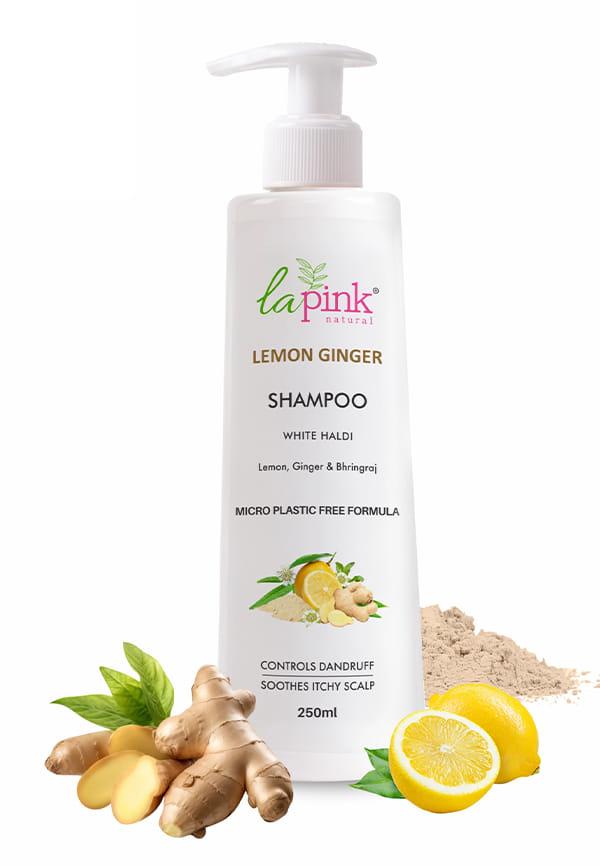
Lemon Ginger Shampoo with White Haldi to Control Dandruff & Soothe Itchy Scalp
If you have sensitive scalp itch, become a label detective. Avoid products with strong fragrances, sulphates, parabens, and alcohol. Patch test new products on a small area first, and introduce one new product at a time so you can identify any triggers.
Real talk—sometimes home remedies and over-the-counter treatments just aren't enough. If you're experiencing severe itching that disrupts sleep, bleeding from scratching, hair loss, or thick, scaly patches, it's time to see a dermatologist. These could be signs of more serious scalp conditions that need proper medical attention.
Also, if you've tried multiple itchy scalp remedies for 4-6 weeks without improvement, don't keep suffering in silence. A professional can properly diagnose your specific issue and recommend targeted treatments that you can't get over the counter.
Once you've got your itchy scalp under control, the goal is keeping it that way. Choose an itchy scalp shampoo that works for your specific needs and stick with it for maintenance. Don't switch products constantly—your scalp likes consistency.
Pay attention to seasonal changes. You might need richer treatments in winter and lighter ones in summer. Stress management is huge too—chronic stress can trigger scalp issues, so find healthy ways to decompress.
Keep your hairbrushes and pillowcases clean, avoid sharing hair tools, and be gentle with wet hair. These small habits add up to better overall scalp health.
The top of your scalp produces more oil and gets more sun exposure, making it prone to seborrheic dermatitis and UV damage. This area also experiences more friction from hair styling and environmental pollutants, which can trigger localised irritation.
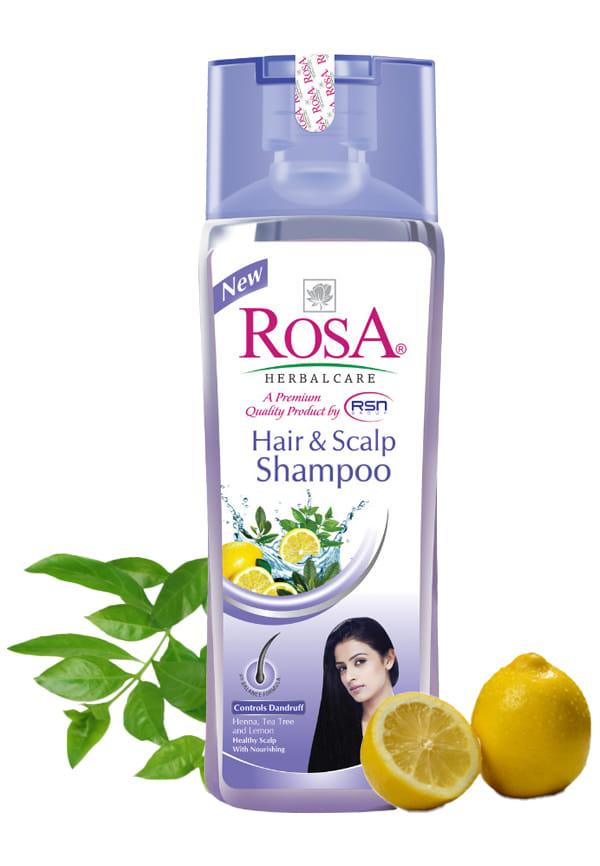
Hair & Scalp Shampoo with Tea Tree Oil and Lemon l Natural & Herbal ingredients
Common causes include dandruff, product buildup, dry skin, allergic reactions to hair products, stress, hormonal changes, and medical conditions like psoriasis or eczema. Environmental factors like pollution and hard water can also contribute to scalp irritation.
Start with a medicated shampoo containing zinc pyrithione or selenium sulphide, use cool water for washing, and avoid scratching. If symptoms persist after 4-6 weeks, consult a dermatologist for proper diagnosis and prescription treatments.
Identify and avoid triggers, use gentle hair products, maintain good scalp hygiene, try natural remedies like aloe vera or tea tree oil, and consider dietary changes. Consistent use of appropriate treatments is key to long-term relief.
Nighttime itching often worsens due to increased blood flow when lying down, dry indoor air, stress hormones, and the absence of daytime distractions. Using a humidifier and applying a gentle scalp treatment before bed can help.
For immediate relief, rinse with cool water, apply aloe vera gel, use a cold compress, or try an anti-inflammatory scalp treatment. Avoid scratching and hot water, which can worsen irritation.
Dealing with an itchy scalp doesn't have to be a never-ending battle. The key is finding the right combination of treatments for your specific situation and sticking with them consistently. Whether you go for medicated shampoos, natural home remedies, or professional treatments, patience is crucial—most scalp issues take 4-6 weeks to show significant improvement.
Remember, what works for someone else might not work for you, and that's completely normal. Your scalp is unique, and finding your perfect routine might take some trial and error. Don't get discouraged if the first remedy you try isn't the magic solution.
If you're exploring different scalp treatments and want to test products before committing to full sizes, Smytten offers trial packs of various haircare brands, letting you discover what works for your scalp without the commitment of purchasing full-size products. This way, you can find your perfect scalp care routine through their curated selection of trusted brands, with the added benefit of cashback on your trial purchases.
