9 Step-by-Step Frizzy Hair Solutions for Smooth Locks

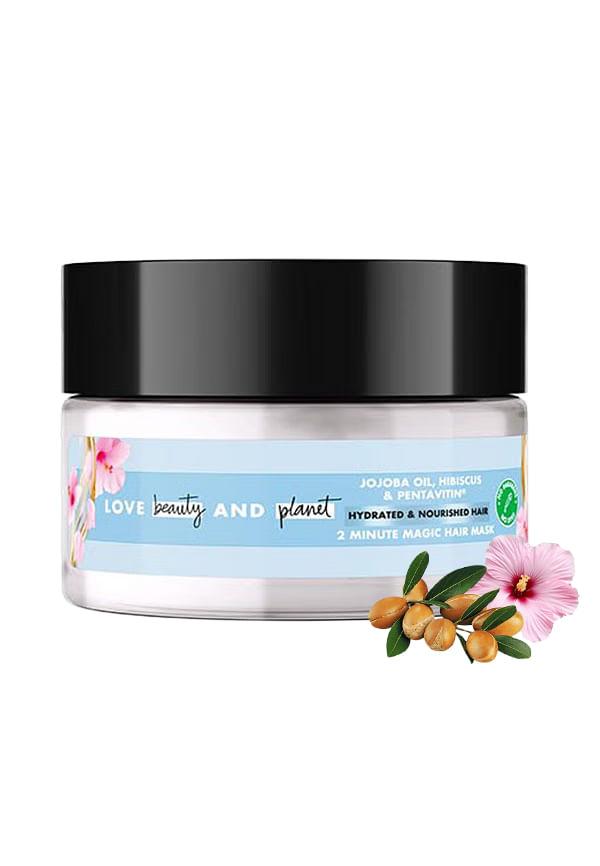
Jojoba oil , Hibiscus & Pentavitin Hydrate & Nourish Hair Mask
Hair Mask Works
 5
5“first time using this one hair mask and it also works”
Hair Mask Works
5“first time using this one hair mask and it also works”
Good Product, Go For It
5“like the product just go for it.”
Let's be real—frizzy hair can feel like your worst enemy, especially when you're trying to look put-together. Whether it's the humidity turning your sleek blowout into a lion's mane or genetic factors making your hair naturally rebellious, you're definitely not alone in this struggle. Studies show that over 65% of people deal with frizz-related hair concerns, making it one of the most common haircare challenges worldwide. The good news? There's actually a step by step guide to managing frizzy hair the right way, and it doesn't require expensive salon treatments or miracle products that promise overnight transformations. With the right techniques, products, and a bit of patience, you can transform your frizzy locks into smooth, manageable hair that actually behaves. Smytten's extensive collection of trial-sized haircare products makes it easier than ever to discover what works for your unique hair type without the commitment of full-sized purchases. Ready to say goodbye to bad hair days? These nine proven steps will help you build a frizz-fighting routine that actually delivers results.
Frizz happens when your hair cuticle is damaged or lacks moisture, making it absorb humidity from the air
The key to managing frizzy hair lies in proper cleansing, deep conditioning, and using the right styling techniques
A consistent routine with sulfate-free shampoos, leave-in treatments, and heat protection can dramatically reduce frizz
Natural methods like oil treatments and proper drying techniques are just as effective as expensive salon treatments
Finding the right products for your specific hair type is crucial—trial sizes help you discover what works without wasting money
Before diving into frizzy hair solutions, it's worth understanding what's actually happening to your hair on a molecular level. Frizz isn't just about having "difficult" hair—it's a structural issue that can be addressed with the right approach.
Your hair shaft is covered by tiny scales called cuticles, which should lie flat against each other when your hair is healthy. When these cuticles are damaged or lifted, they create gaps that allow moisture from the air to penetrate your hair shaft. This causes the hair to swell unevenly, resulting in that familiar frizzy texture. Humidity makes this worse because there's more moisture in the air for your hair to absorb. Genetics also play a role—some people naturally have more porous hair or irregularly shaped hair follicles that make frizz more likely.
Many people unknowingly make their frizz worse with everyday habits. Using harsh sulfate shampoos strips your hair of natural oils, leaving the cuticle vulnerable to damage. Washing with hot water opens up the cuticle even more, whilst aggressive towel drying physically damages the hair shaft. Skipping conditioner or not using enough leaves your hair without the protective barrier it needs. Even brushing wet hair with the wrong tools can cause breakage and lift the cuticle, creating more opportunities for frizz to develop.
The foundation of any effective anti-frizz routine starts before you even step into the shower. Pre-wash preparation is one of the most overlooked frizz control techniques, but it can make a massive difference in how your hair responds to cleansing and styling.
Start with a lightweight oil like argan, jojoba, or coconut oil—these penetrate the hair shaft rather than just sitting on top. Section your hair into four parts and apply the oil from mid-length to ends, focusing on the most damaged areas. Avoid the roots unless your scalp is extremely dry. Leave the oil on for at least 20 minutes, or overnight for severely damaged hair. This creates a protective barrier that prevents your shampoo from stripping too much moisture.
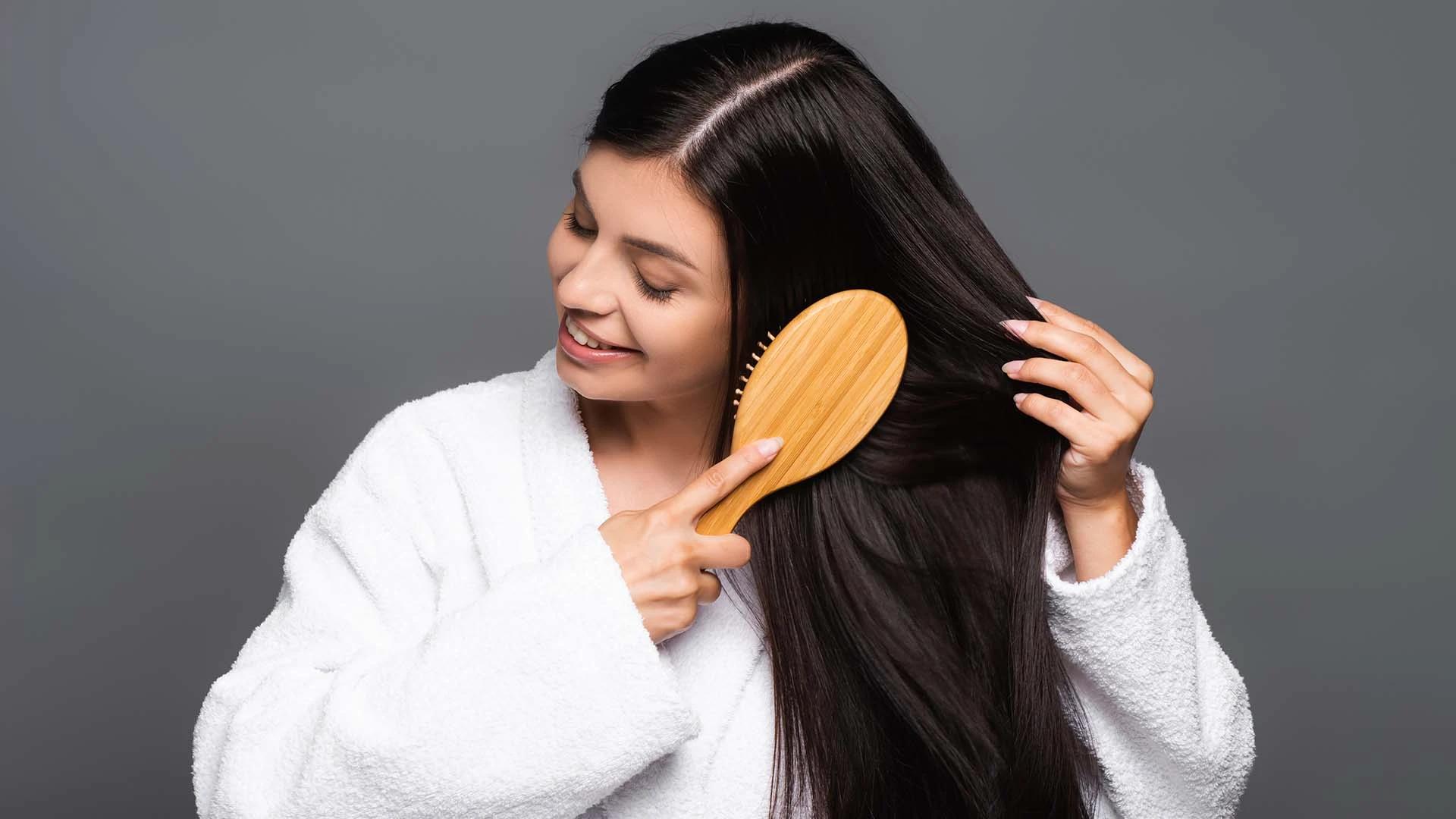
Always detangle before washing to prevent breakage when your hair is most vulnerable. Use a wide-tooth comb or detangling brush, starting from the ends and working your way up to the roots. This method prevents pulling and tearing, which can damage the cuticle and create more frizz. If you encounter knots, hold the hair above the tangle to reduce tension on your scalp.
How you wash your hair sets the stage for everything that follows. The wrong cleansing technique can undo all your hard work, whilst the right approach creates the perfect foundation for smooth, manageable hair.
Sulfates are harsh detergents that strip your hair of natural oils, leaving the cuticle rough and prone to frizz. Look for shampoos with gentle cleansing agents like coco-glucoside or sodium cocoyl isethionate. These clean effectively without over-drying. Focus the shampoo on your scalp rather than the lengths of your hair—the suds will clean the rest as you rinse. If you use a lot of styling products, you might need to shampoo twice, but keep the second wash gentle.
Hot water feels lovely, but it's terrible for frizzy hair. Use lukewarm water to open the cuticle just enough for cleansing without causing damage. When you're ready to rinse out your conditioner, finish with cool water to seal the cuticle and lock in moisture. This simple step can dramatically reduce frizz and add shine. Massage your scalp gently with your fingertips, not your nails, to stimulate circulation without causing irritation.
Conditioning is where the real magic happens for frizzy hair. This is your opportunity to repair damage, add moisture, and create a protective barrier that keeps frizz at bay throughout the day.
Apply conditioner generously from mid-length to ends, avoiding the roots to prevent weighing down your hair. Use a wide-tooth comb to distribute the product evenly and detangle simultaneously. Leave the conditioner on for at least 3-5 minutes—longer if your hair is particularly damaged. Look for conditioners with ingredients like shea butter, keratin, or ceramides, which help repair and strengthen the hair shaft. The key is patience; rushing this step means missing out on crucial moisture and repair benefits.
Once a week, replace your regular conditioner with a deep treatment mask. Alternate between hydrating masks (for dry, brittle hair) and protein treatments (for damaged, over-processed hair). You can also create effective DIY masks using natural ingredients. A simple mixture of mashed banana, coconut oil, and honey provides intense hydration, whilst aloe vera gel mixed with a few drops of argan oil offers lightweight moisture perfect for fine, frizzy hair. These natural treatments help smooth frizzy hair naturally without harsh chemicals.
How you dry your hair can make or break your frizz-fighting efforts. The wrong technique can create frizz even if you've done everything else perfectly, whilst the right approach sets you up for smooth, manageable hair all day long.
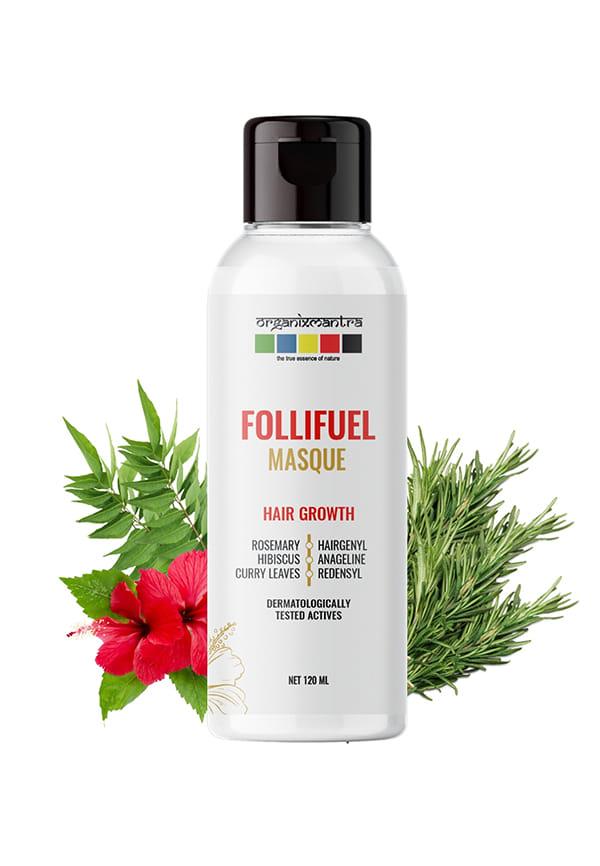
FolliFuel Hair Masque with Hairgenyl, Anageline, Rosemary Oil, Curry Leaves & Hibiscus
Regular towels are too rough for fragile, frizzy hair. Switch to a microfiber towel or even better, an old cotton t-shirt. These materials are gentler and less likely to cause friction damage. Instead of rubbing your hair, gently squeeze out excess water by pressing the fabric against your hair. For those learning how to manage curly frizzy hair, try the "plopping" technique—wrap your hair in a t-shirt and let it sit for 10-15 minutes to absorb moisture whilst maintaining your natural curl pattern.
If you must use heat tools, never skip the heat protectant. Apply it to damp hair before any other styling products, ensuring even coverage from roots to ends. Keep your tools on the lowest effective temperature—usually 150-180°C for damaged hair, and never higher than 200°C. Use a ceramic or tourmaline tool if possible, as these distribute heat more evenly and cause less damage than metal plates or barrels.
The right products applied in the correct order can transform your hair from frizzy to fabulous. But with so many options available, knowing which best products for frizzy hair to choose and how to layer them properly is crucial for success.
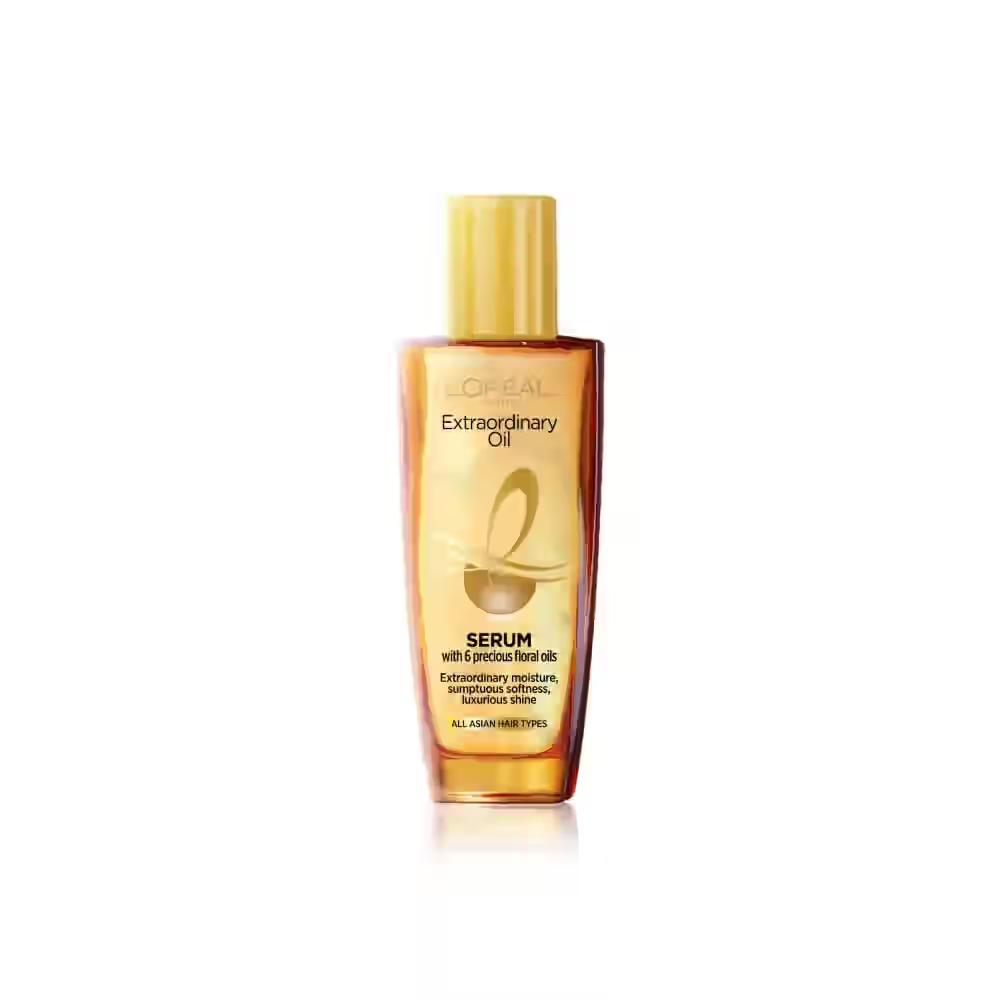
Leave-in conditioners are non-negotiable for frizzy hair. Apply them to damp hair, focusing on the mid-lengths and ends where damage is typically worst. Use about a 10p-sized amount for shoulder-length hair, adjusting based on your hair's thickness and length. Distribute evenly using your fingers or a wide-tooth comb. The L'Oreal Paris Extraordinary Oil Hair Serum offers excellent protection against environmental damage whilst providing lightweight moisture that doesn't weigh hair down. This type of multi-benefit product is perfect for those who want to streamline their routine without sacrificing results.
The order matters when layering products. Start with leave-in conditioner, followed by any treatment serums, then styling creams or mousses, and finish with oils if needed. Use small amounts—you can always add more, but removing excess product is much harder. For fine hair, stick to lightweight formulas and avoid heavy creams that might weigh your hair down. Thicker hair can handle richer products and may need more generous application for complete coverage.
Consistency is key when it comes to maintaining frizz-free hair. The daily habits you develop and the long-term strategies you implement will determine whether your anti-frizz efforts are sustainable or just temporary fixes.
Mornings can be challenging when you're trying to stop hair frizz quickly. Keep a spray bottle filled with water and a tiny amount of leave-in conditioner for quick touch-ups. Lightly mist frizzy sections and smooth with your hands or a boar bristle brush. At night, protect your hair with a silk or satin pillowcase, or wrap your hair in a silk scarf. These materials create less friction than cotton, helping maintain your style and prevent overnight frizz formation.
Humidity is frizzy hair's biggest enemy, but you can fight back with the right strategies. On particularly humid days, use slightly more anti-frizz serum and consider protective styles like loose braids or buns. In winter, when indoor heating can dry out your hair, increase your deep conditioning frequency and use a humidifier in your bedroom. Seasonal adjustments to your routine ensure your frizz free hair routine remains effective year-round.
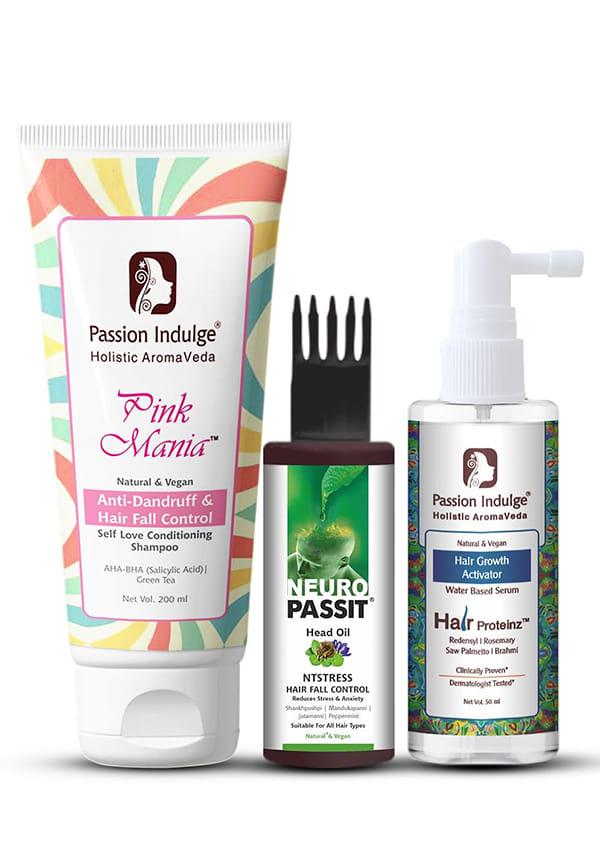
Hair Growth Serum Rosemary, Neuropassit NTstress Hair fall control Hair Oil & Pink Mania Anti-Dandruff & Hair Fall Control Shampoo
Start with a gentle sulfate-free shampoo 2-3 times per week, always follow with conditioner, and use a leave-in treatment on damp hair. Avoid heat styling when possible, and sleep on silk pillowcases to prevent overnight frizz. For quick morning fixes, lightly mist hair with water mixed with leave-in conditioner and smooth with your hands.
Whilst you can't permanently change your hair's natural texture, consistent use of proper techniques and products can dramatically reduce frizz long-term. Professional treatments like keratin smoothing can provide temporary results lasting 3-6 months, but healthy hair practices are the most sustainable approach for managing frizz.
Trial and error can be expensive, which is where Smytten's trial packs become invaluable. You can test multiple anti-frizz products in mini sizes before committing to full-size purchases, helping you discover your perfect haircare routine without breaking the bank.
For emergency frizz fixes, dampen your hands slightly and smooth over frizzy areas, then apply a small amount of anti-frizz serum or oil. Use a boar bristle brush to smooth the hair cuticle, and finish with a light mist of hairspray to lock everything in place. This won't solve underlying issues but provides quick temporary relief.
Persistent frizz might indicate underlying damage that needs professional attention, or you might need to adjust your routine for your specific hair type. Fine hair requires lighter products, whilst thick, coarse hair needs richer formulations. Also consider factors like hard water, which can cause buildup and interfere with product effectiveness.
Managing frizzy hair successfully requires understanding that it's not about fighting your hair's natural texture, but working with it using the right techniques and products. The nine steps outlined here—from pre-wash oil treatments to proper drying techniques and product layering—create a comprehensive approach that addresses frizz at every stage of your routine. Remember that consistency is crucial; you won't see dramatic results overnight, but with patience and the right approach, you can achieve the smooth, manageable hair you've been dreaming of. The key is finding products that work specifically for your hair type and needs, which often requires some experimentation.
Discovering the perfect frizz-fighting routine doesn't have to be an expensive guessing game. Smytten is India's largest product discovery and trial platform, connecting consumers with top lifestyle, beauty, wellness, and grooming brands through curated trial packs from over 2,400 trusted brands. This approach lets you explore and experience different anti-frizz hair tips and products before committing to full-size purchases. With trial packs covering everything from sulfate-free shampoos to leave-in treatments and styling serums, you can build your ideal haircare for frizzy locks routine through affordable experimentation. Each mini is linked with Trial Points, and users can get up to 10 Trial Points for just ₹279, plus Smytten offers 100% cashback on these trials, redeemable for future orders. When you find a product you love, buying the full-size version is just a click away in Smytten's shop. With over 28 million users and authentic brand-verified minis delivered across 90% pincode coverage, you can try before you buy with confidence. After all, why settle for maybe when you can #TryItAll!
