9 Seasonal Hair Fall Solutions for Healthier Hair

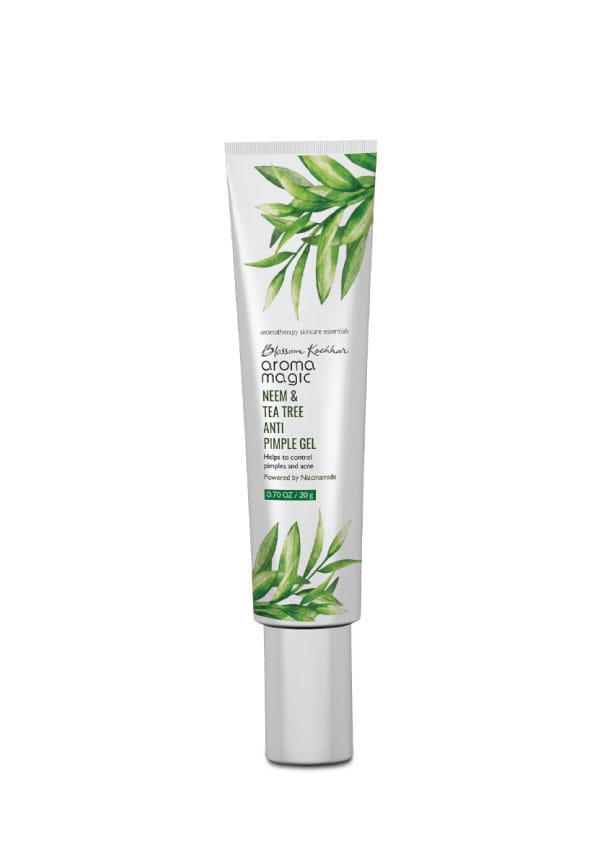
Neem & Tea Tree Anti Pimple Gel (Powered by Niacinamide)
You know that moment when you're brushing your hair and suddenly notice way more strands than usual falling out? Whether it's the post-winter shed that has you questioning everything or summer heat leaving your scalp feeling parched, seasonal hair fall is real—and honestly, pretty normal. But here's the thing: just because it's common doesn't mean you have to accept it as your reality. Your hair goes through natural cycles throughout the year, and with the right seasonal hair fall treatment guide, you can work with these changes instead of against them.
Let's be real—your hair isn't just randomly deciding to abandon ship. There's actual science behind why you might notice more hair in your brush during certain months. Your hair follicles are basically on their own internal calendar, responding to everything from temperature changes to daylight hours. Think of it like how trees shed leaves in autumn—your hair has its own seasonal rhythm.
The hair growth cycle consists of three main phases: anagen (growth), catagen (transition), and telogen (resting). During seasonal changes, more follicles can shift into the telogen phase simultaneously, leading to increased shedding. This is your body's way of preparing for the upcoming season, whether that's growing thicker hair for winter protection or shedding excess for summer cooling.
Your hair follicles are surprisingly sensitive to environmental shifts. During winter, reduced sunlight affects your body's vitamin D production, which plays a crucial role in hair follicle health. Cold temperatures also reduce blood circulation to your scalp, potentially slowing down the delivery of nutrients to your hair roots. Meanwhile, summer brings its own challenges with increased UV exposure and heat stress that can weaken hair shafts and trigger premature shedding.
Spring often brings the most noticeable shedding as your hair renews itself after winter dormancy. Summer hair fall typically results from heat damage and increased washing frequency. Autumn shedding is nature's way of preparing your scalp for the dormant winter phase, whilst winter hair loss often stems from dry indoor heating and reduced scalp circulation.
Normal seasonal shedding usually involves losing 50-100 hairs daily, with temporary increases during transition periods. However, if you're noticing bald patches, sudden thinning, or shedding that continues beyond 2-3 months, it might be time to dig deeper into hair loss prevention strategies or consult a professional.
Right, let's get into the good stuff—actual solutions that work. These aren't just random tips you've seen floating around; they're targeted strategies for different seasonal challenges. The key is understanding that what works in summer might not be your best bet in winter, and that's perfectly fine.
Your scalp is basically the soil for your hair garden, and dry soil doesn't grow healthy plants. Winter's biggest culprit for hair fall is often a parched scalp from indoor heating and cold air. Deep conditioning treatments become non-negotiable during colder months. Look for ingredients like hyaluronic acid, glycerin, and natural oils that can penetrate the scalp barrier. Weekly oil treatments with coconut, argan, or jojoba oil can work wonders for maintaining scalp moisture levels.
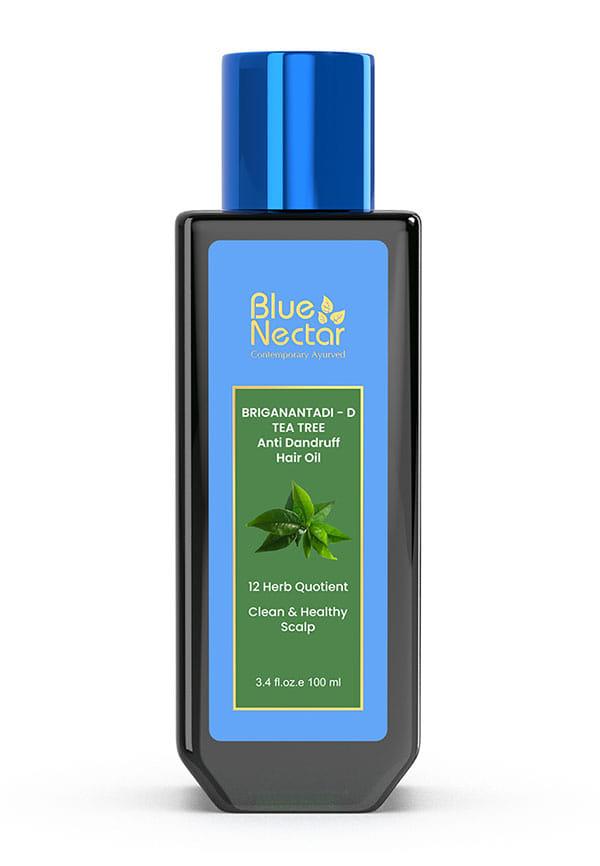
Tea Tree Anti Dandruff and Healthy Scalp Oil 12 Herbs
This one's huge, especially during seasonal transitions when your hair is already stressed. Aggressive brushing, tight hairstyles, and rough towel-drying can turn normal shedding into excessive breakage. Switch to wide-tooth combs for detangling, use microfibre towels or cotton t-shirts for drying, and embrace protective styles that don't pull on your hairline. Your hair will thank you for the gentler approach.
Your hair is basically a reflection of what's happening inside your body. During high-shedding periods, your follicles need extra support through targeted nutrition. Iron, biotin, vitamin D, and protein are your hair's best friends. Consider seasonal adjustments—more vitamin D supplements during winter months, increased hydration during summer, and protein-rich foods year-round to support hair regrowth tips.
Summer calls for UV protection through leave-in treatments with SPF, whilst winter demands protection from harsh winds and dry air. Adjust your heat styling temperatures based on seasonal humidity levels—your hair needs less heat when it's already dry from winter air. Heat protectants aren't optional; they're essential for preventing additional stress on already vulnerable seasonal hair.
Think of scalp massage as a workout for your hair follicles. Regular massage increases blood flow, delivering essential nutrients to your hair roots. During winter when circulation naturally decreases, daily 5-10 minute scalp massages can make a real difference. Add essential oils like rosemary or peppermint for an extra circulation boost—just remember to dilute them properly to avoid irritation.
Sometimes DIY solutions need backup. Topical treatments containing minoxidil can help with persistent seasonal hair loss, whilst professional scalp treatments at salons offer deeper intervention. The key is knowing when to escalate—if seasonal shedding extends beyond three months or seems excessive, professional guidance can help identify whether you're dealing with normal seasonal changes or something that needs targeted treatment.
Here's something people don't talk about enough: stress amplifies seasonal hair fall. When you're already dealing with environmental stressors, adding emotional or physical stress can push more follicles into the shedding phase. Prioritise sleep quality, practice stress-reduction techniques, and remember that seasonal hair changes can be temporary if you support your body through the transition.
Traditional remedies often work because they've been tested by generations. Onion juice treatments, green tea rinses, and fenugreek masks can provide gentle support for natural hair fall control. The beauty of natural methods is that they're typically gentler on already stressed hair, though they require consistency and patience to show results.
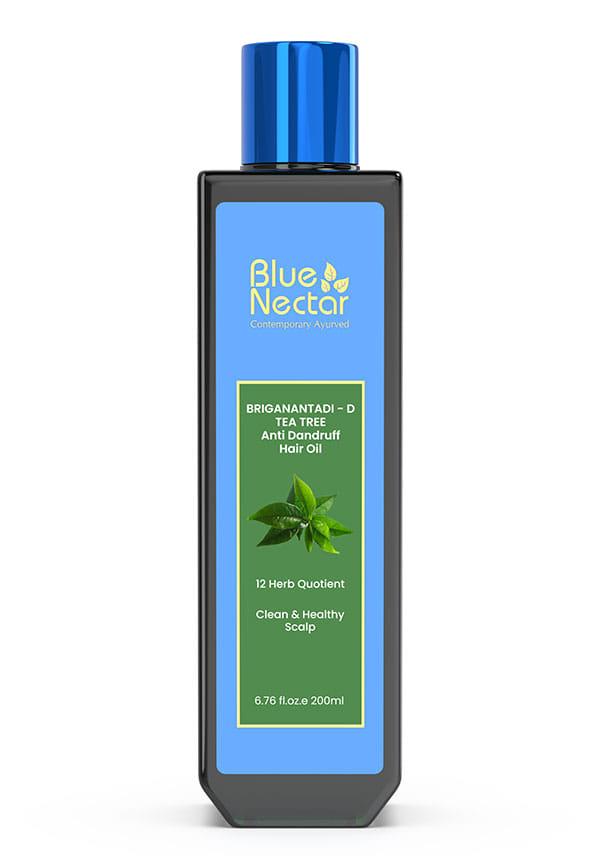
Tea Tree Anti Dandruff and Healthy Scalp Oil 12 Herbs
This is where everything comes together. Your spring routine might focus on detox and renewal with clarifying treatments. Summer calls for protection and hydration with leave-in conditioners and UV shields. Autumn preparation involves strengthening treatments with protein masks. Winter maintenance centres on deep nourishment and moisture retention. The key is adapting your routine as seasons change, not sticking to the same products year-round.
Not all hair thinning is created equal, and seasonal patterns often reveal important clues about what's really happening with your hair. Understanding whether you're dealing with temporary seasonal shedding or a more persistent issue helps you choose the most effective hair thinning remedies.
Seasonal hair fall typically affects the entire scalp evenly, whilst androgenetic alopecia usually follows specific patterns like crown thinning or receding hairlines. Telogen effluvium, often triggered by stress or nutritional deficiencies, can coincide with seasonal changes but extends beyond normal seasonal timelines. Pay attention to where you're losing hair and how long the shedding continues.
Spring detox treatments help remove winter buildup whilst stimulating new growth. Summer protein treatments counteract heat damage and maintain hair structure. Autumn fortification focuses on preparing hair for the dormant winter phase with deep conditioning and scalp nourishment. Winter protection emphasises moisture retention and gentle care to prevent additional stress on vulnerable hair.
The best approach to seasonal hair fall isn't just treating it when it happens—it's building resilience so your hair can handle seasonal transitions more smoothly. Think of it as creating a strong foundation that can weather any seasonal storm.
Map out your year with seasonal transitions in mind. Start protective treatments before peak shedding seasons, not after they've already begun. Schedule deep conditioning treatments monthly, adjust your product routine quarterly, and track your hair's response to different seasonal strategies. This proactive approach often prevents excessive shedding before it starts.
Your hair health extends far beyond what you put on it. Regular exercise improves circulation to your scalp, whilst a balanced diet provides the building blocks for strong hair. Environmental protection through hats, scarves, or UV-protective products shields your hair from seasonal stressors. Small lifestyle adjustments often yield the biggest long-term improvements in hair health.
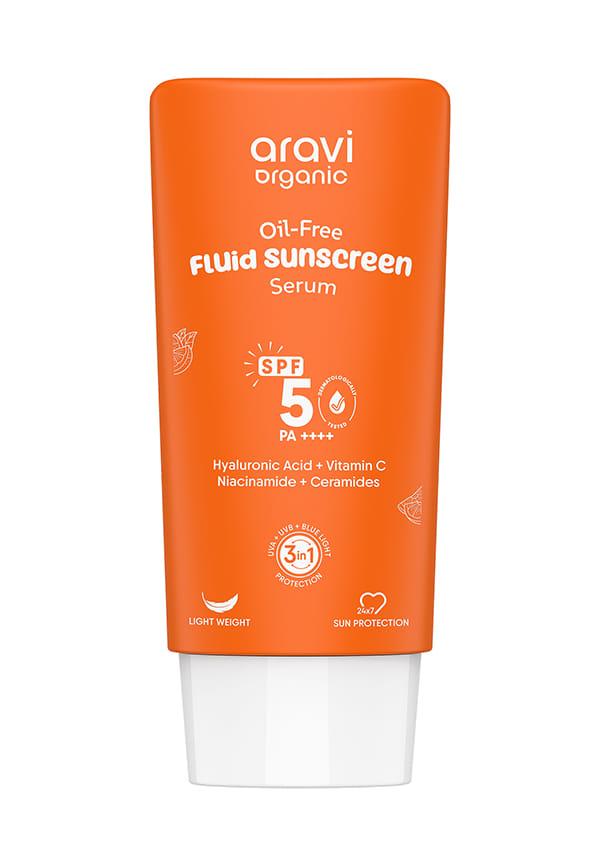
Oil-Free Fluid Sunscreen Serum SPF 50++++ with Hyaluronic Acid, Vitamin C, Niacinamide
Seasonal hair loss responds best to a multi-pronged approach combining gentle hair care techniques, scalp moisturisation, and nutritional support. Start with reducing mechanical stress through gentler brushing and protective styling, then add targeted treatments like scalp massages and deep conditioning. Most seasonal hair loss resolves within 2-3 months with consistent care, though supporting your hair through proper nutrition and stress management accelerates recovery.
Yes, seasonal hair loss typically grows back naturally as your hair cycle adjusts to environmental changes. The regrowth timeline usually spans 3-6 months, as new hairs need time to progress through the growth phase and become visible. However, supporting your scalp with proper care during the shedding phase can improve the quality and speed of regrowth.
Both seasons present unique challenges, but many people notice increased shedding during autumn and spring transitions rather than peak summer or winter. Summer heat and UV exposure can weaken hair shafts, whilst winter's dry air and reduced circulation affect scalp health. The key is recognising that your hair's needs change with the seasons and adjusting your care routine accordingly.
Natural approaches include regular scalp massages with essential oils, maintaining proper hydration, eating a nutrient-rich diet, and using gentle hair care techniques. Herbal treatments like green tea rinses, onion juice applications, and fenugreek masks can provide additional support. The most effective natural approach combines multiple strategies consistently rather than relying on any single remedy.
Consider professional consultation if seasonal shedding continues beyond three months, involves sudden bald patches, or seems disproportionately heavy compared to previous years. Additionally, if you notice other symptoms like scalp irritation, changes in hair texture, or if the hair loss significantly impacts your confidence, professional guidance can help determine whether additional intervention is needed.
Seasonal hair fall doesn't have to be something you just endure—it's actually an opportunity to tune into your hair's natural rhythms and provide exactly what it needs during different times of the year. The solutions we've covered work because they address the root causes behind seasonal changes rather than just masking symptoms.
Remember, consistency beats intensity when it comes to hair care. Small, regular adjustments to your routine often produce better results than dramatic interventions. Whether you're dealing with winter dryness, summer heat damage, or transitional shedding, the key is supporting your hair through gentle, targeted care that works with your hair's natural cycles.
Not sure which treatments might work best for your specific hair concerns? Smytten offers trial-size versions of many hair strengthening treatments and scalp care products—a smart way to test different approaches before committing to full-size purchases. After all, finding your perfect seasonal hair care routine is all about discovering what works uniquely for you.
