9 Scalp Solutions for Rain: Tame Humidity & Frizz

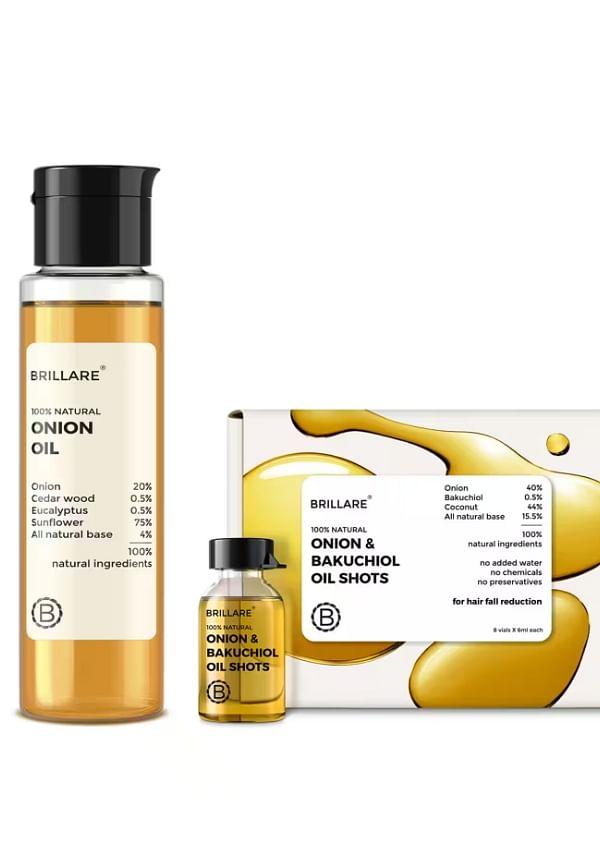
Hair & Scalp Treatment Duo for Dry, Frizzy & Hair Fall-Prone Hair
You know that moment when you step outside and feel the first drops of rain, and your scalp immediately starts plotting against you? One minute you're having a decent hair day, the next you're dealing with an oily mess, unexpected frizz, or that annoying itch that seems to appear out of nowhere. Rain doesn't just mess with your plans—it completely disrupts your scalp's natural balance, leaving you wondering why your usual routine suddenly feels useless. The good news? There are actually smart ways to tackle these weather-related hair problems head-on, and most of them are easier than you think.
Let's be real—rain isn't just water falling from the sky. It's a cocktail of environmental pollutants, dust, and chemicals that your scalp definitely didn't sign up for. When rainwater hits your hair, it brings along a slightly acidic pH that can throw off your scalp's natural protective barrier. Add humidity to the mix, and suddenly your oil glands are either working overtime or shutting down completely.
The science bit is actually pretty straightforward. Your scalp produces sebum (natural oil) to keep things balanced, but humidity confuses this process. Some people end up with an oily scalp that feels gross by lunchtime, while others find their scalp getting dry and flaky. Then there's the frizz factor—when your hair absorbs moisture from the air, the cuticles lift and create that fuzzy, unmanageable texture we all know too well.
Weather-related hair problems aren't just about looking good either. Trapped moisture can lead to fungal growth, dandruff flare-ups, and even scalp infections if you're not careful. The key is understanding that scalp care for humid weather needs to be different from your regular routine.
When you get caught in the rain, your first instinct might be to just towel off and carry on. But here's the thing—leaving rainwater on your scalp is like inviting trouble over for tea. The pollutants and acidity need to go, and they need to go fast.
The emergency rinse is simple but effective. As soon as you can, rinse your hair and scalp with clean, lukewarm water. No shampoo needed at this stage—just focus on washing away the rainwater and any debris it brought along. Gently massage your scalp with your fingertips to help dislodge any particles, then pat (don't rub) your hair dry with a clean towel.
Timing matters here. If you can rinse within an hour of getting wet, you'll prevent most of the damage. If you're stuck somewhere without access to clean water, at least try to blot your hair and scalp with a clean tissue or cloth to remove excess moisture.
Drying your hair properly after rain exposure is crucial for preventing fungal growth and maintaining scalp health. The trick is finding the right balance between thorough drying and not damaging your hair with too much heat.
Start by gently squeezing out excess water with a microfibre towel—these are way less harsh on your hair cuticles than regular towels. Then, if you're using a blow dryer, keep it on a cool or medium setting and focus on drying your scalp first. The hair lengths can air-dry, but your scalp needs to be completely dry to prevent issues.
For those managing hair in humidity, consider sectioning your hair and drying it bit by bit. This ensures every part of your scalp gets proper attention. If you're air-drying, make sure you're in a well-ventilated area and avoid tying your hair up while it's still damp.
Your scalp's natural pH sits around 4.5 to 5.5, which is slightly acidic. Rainwater can push this towards the alkaline side, leaving your scalp vulnerable to irritation and bacterial growth. The good news is that you can restore balance pretty quickly with the right approach.
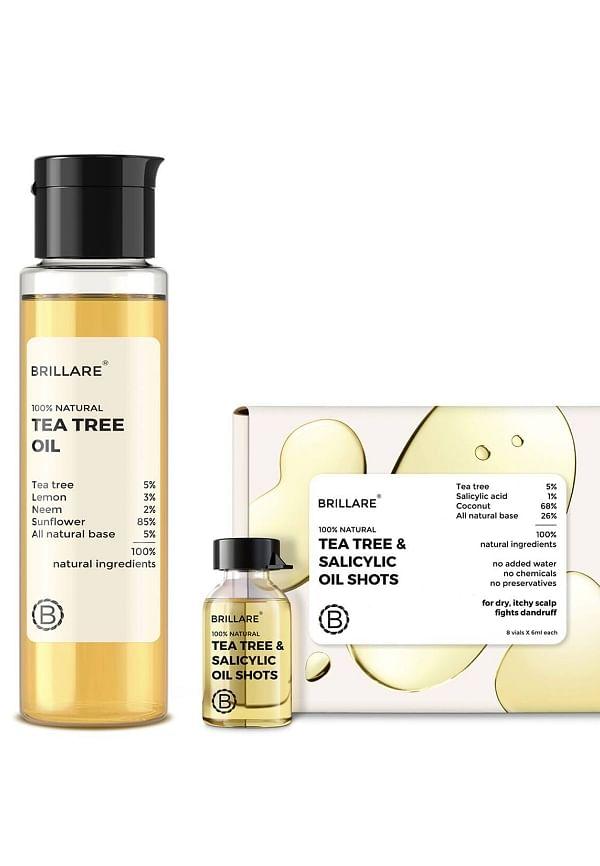
Hair & Scalp Treatment Duo for Dry, Frizzy & Dandruff-Prone Hair
Apple cider vinegar is your friend here. Mix one part ACV with three parts water and use it as a final rinse after washing your hair. The acidity helps restore your scalp's natural pH and removes any lingering buildup. Just make sure to rinse it out thoroughly—you don't want to smell like a salad all day.
Alternatively, look for pH-balanced shampoos and conditioners that won't further disrupt your scalp's natural state. These scalp health tips might seem basic, but they're the foundation of good rain-day haircare.
Dandruff prevention in rain conditions often comes down to staying one step ahead of fungal growth. The warm, humid environment that monsoons create is basically a five-star resort for the fungi that cause dandruff and other scalp issues.
Consider rotating an anti-fungal shampoo into your routine once or twice a week during rainy seasons. Look for ingredients like tea tree oil, ketoconazole, or zinc pyrithione. These work by creating an environment where fungi can't thrive, keeping your scalp clear and comfortable.
The key is not to overdo it. Anti-fungal shampoos can be drying, so balance them with a gentle, moisturising shampoo on alternate days. Think of it as giving your scalp the protection it needs without stripping away all the good stuff.
Your usual haircare routine might not cut it when the humidity levels spike. Haircare for rainy days requires products that can handle moisture without making your hair look greasy or weighed down.
Lightweight serums and leave-in treatments work better than heavy oils during humid weather. Look for products with silicones—they create a barrier that helps repel moisture while keeping frizz under control. Water-based products are generally better than oil-based ones when you're dealing with high humidity.
Product layering is also crucial. Start with a heat protectant if you're using styling tools, follow with a lightweight serum for frizz control, and finish with a humidity-blocking spray. The goal is to create multiple layers of protection without overwhelming your hair.
Prevention is always better than cure, and that's especially true for scalp care for humid weather. Creating a protective barrier on your scalp before heading out can save you a lot of trouble later.
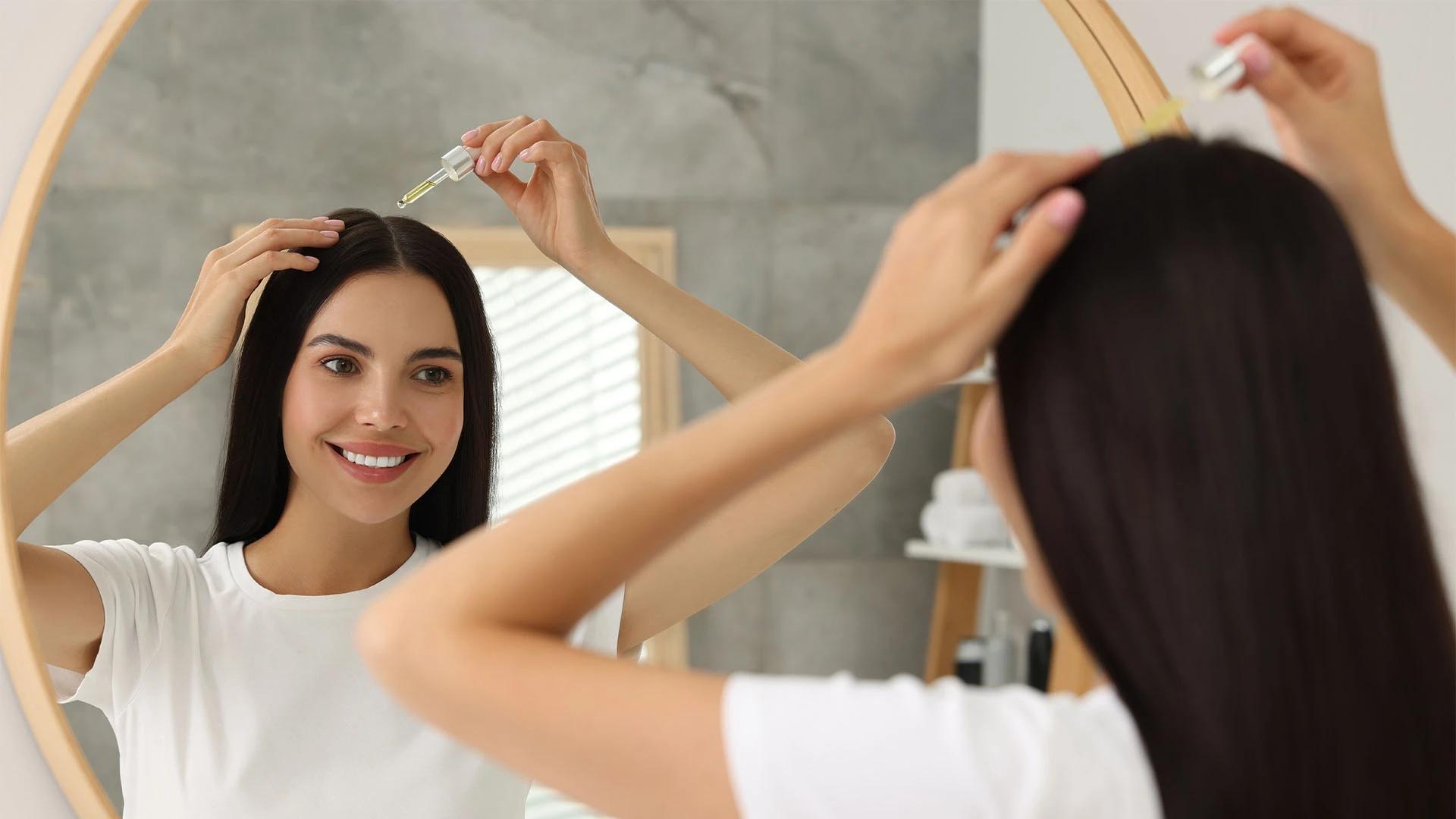
Natural oils like jojoba or argan oil can work as pre-rain treatments. Apply a tiny amount to your scalp and massage it in gently. These oils are light enough not to make your hair look greasy, but they create a barrier that helps repel water and pollutants.
You can also use a leave-in conditioner with UV protection. Many of these products also offer some humidity resistance, giving you double protection. The key is to apply these products when your hair is completely dry for maximum effectiveness.
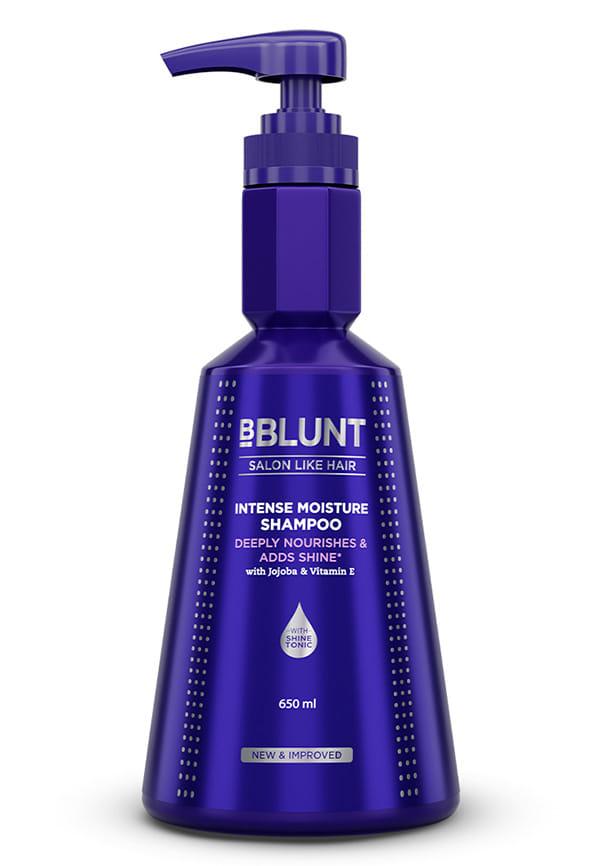
Intense Moisture Shampoo with Jojoba and Vitamin E for Dry & Frizzy Hair
If you're dealing with an oily scalp that gets worse in humid weather, you're not alone. The combination of natural oil production and environmental moisture can leave your scalp feeling gross and your hair looking flat.
Clay-based treatments are brilliant for oily scalp solutions. Bentonite or kaolin clay masks can absorb excess oil without over-drying your scalp. Use them once a week during rainy seasons, focusing on your scalp rather than your hair lengths.
Dry shampoo becomes your best friend during humid weather, but timing is everything. Apply it before your scalp gets oily, not after. This helps absorb oil as it's produced rather than trying to fix the problem after it's already happened. Look for dry shampoos with oil-absorbing ingredients like rice starch or cornstarch.
On the flip side, some people find that humid weather actually makes their scalp drier and more irritated. This happens when the moisture in the air doesn't actually reach your scalp, but the humidity disrupts your skin's natural moisture barrier.
Aloe vera gel is fantastic for dry scalp remedies during weather changes. It's hydrating without being heavy, and it has anti-inflammatory properties that can soothe irritation. Apply it directly to your scalp, leave it on for 20 minutes, then rinse with cool water.
Neem oil is another excellent option for monsoon scalp care. It's naturally antifungal and moisturising, making it perfect for preventing both dryness and infections. Mix a few drops with a carrier oil like coconut or jojoba and massage into your scalp before washing.
Sometimes, basic care isn't enough, especially if you're dealing with persistent scalp problems that get worse during rainy weather. This is where scalp treatments for moisture balance come in handy.
Professional-grade treatments like salicylic acid scalp scrubs can help remove buildup and dead skin cells that trap moisture and bacteria. Use these once a week during humid seasons, but always follow up with a moisturising treatment to prevent over-drying.
DIY scalp masks can also be incredibly effective. Try mixing yoghurt with honey and a few drops of tea tree oil for a treatment that moisturises, exfoliates, and fights bacteria all at once. Leave it on for 15-20 minutes before rinsing thoroughly.
Frizz control for wet hair isn't just about products—it's about technique and timing. When humidity levels are high, your hair is constantly trying to absorb moisture from the air, which causes the cuticles to lift and create that fuzzy texture.
The secret is to saturate your hair with the right products before it has a chance to absorb humidity. Apply a leave-in conditioner or anti-frizz serum to damp hair, then seal it in with a light oil or serum. This creates a protective barrier that keeps humidity out.
Rain-friendly hairstyles are also your friend. Slicked-back ponytails, low buns, and tight braids work with humidity rather than against it. These styles actually look better with a bit of moisture and texture, so you're working with the weather instead of fighting it.
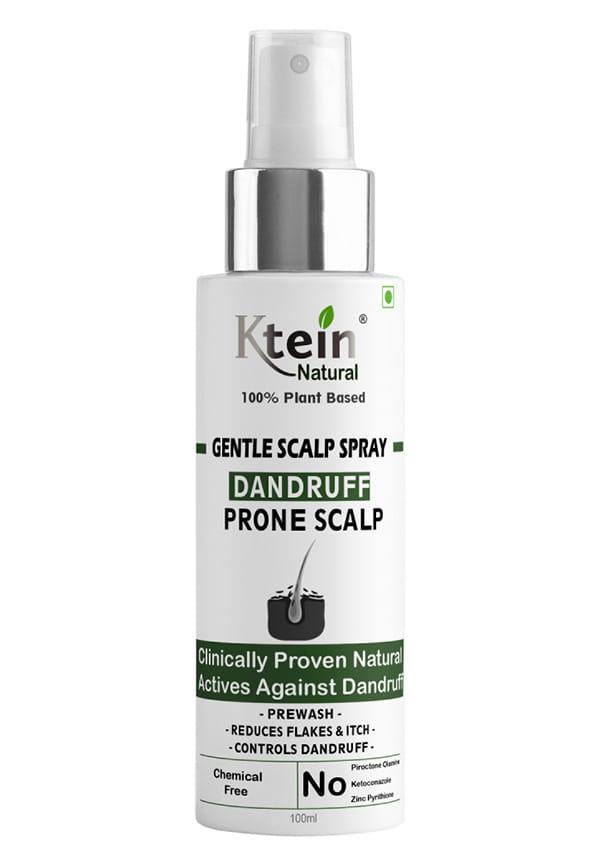
Natural 100% Plant Based Gentle Scalp Spray Dandruff Prone Scalp
When it comes to heat styling during monsoon season, less is definitely more. If you must use hot tools, always apply a heat protectant first and use the lowest effective temperature. Consider embracing your hair's natural texture during humid weather—it's often easier and healthier than trying to fight it.
An itchy scalp during monsoon is usually caused by fungal growth or pH imbalance. Start with an anti-fungal shampoo containing tea tree oil or ketoconazole twice a week. Keep your scalp completely dry after washing, and avoid scratching, which can worsen irritation. If itching persists, consider seeing a dermatologist as it might indicate a more serious scalp condition.
Focus on protective styles that work with humidity rather than against it. Braids, buns, and slicked-back styles are your best options. Apply anti-frizz products to damp hair before styling, and always carry a small umbrella or hood to minimise direct rain exposure. If you do get caught in the rain, rinse your hair with clean water as soon as possible.
This depends on your scalp type, but generally, washing every 2-3 days works well during humid weather. If you have an oily scalp, you might need to wash daily, while those with dry scalps can stretch it to every 3-4 days. The key is keeping your scalp clean without over-washing, which can disrupt natural oil production.
Rainwater itself won't cause permanent damage, but the pollutants and chemicals it contains can lead to scalp irritation, pH imbalance, and fungal infections if not addressed properly. The key is prompt and proper cleansing after rain exposure. Long-term neglect of rain-related scalp issues can lead to chronic problems, but these are usually reversible with proper care.
Avoid heavy oils, petroleum-based products, and anything with high alcohol content during humid weather. Heavy ingredients can make your hair look greasy and attract more moisture, while alcohol can dry out your scalp and disrupt its natural balance. Stick to lightweight, water-based products that won't weigh your hair down.
Keep your scalp clean and dry, use anti-fungal shampoos preventively, and avoid sharing hair tools or towels. Always dry your hair completely after washing, and don't tie up damp hair. If you notice persistent itching, unusual odour, or visible irritation, consult a healthcare professional promptly.
Managing scalp solutions for rain doesn't have to be complicated, but it does require a slightly different approach than your regular routine. The key is understanding that humid weather affects everyone differently—what works for your friend might not work for you, and that's completely normal.
Start with the basics: proper cleansing after rain exposure, thorough drying, and pH balance restoration. From there, you can add targeted treatments based on your specific scalp concerns. Remember that consistency is more important than perfection—a simple routine followed regularly will always beat complicated treatments used sporadically.
The good news is that most scalp issues caused by humid weather are temporary and manageable with the right care. Whether you're dealing with excess oil, dryness, or frizz, there's usually a solution that fits your lifestyle and budget. Not sure which products might work best for your specific scalp concerns? Smytten also offers trial-size versions of many scalp care products—a good way to test different formulations before committing to full-size bottles.
