9 Scalp Relief Products for Itchy Scalp Treatment
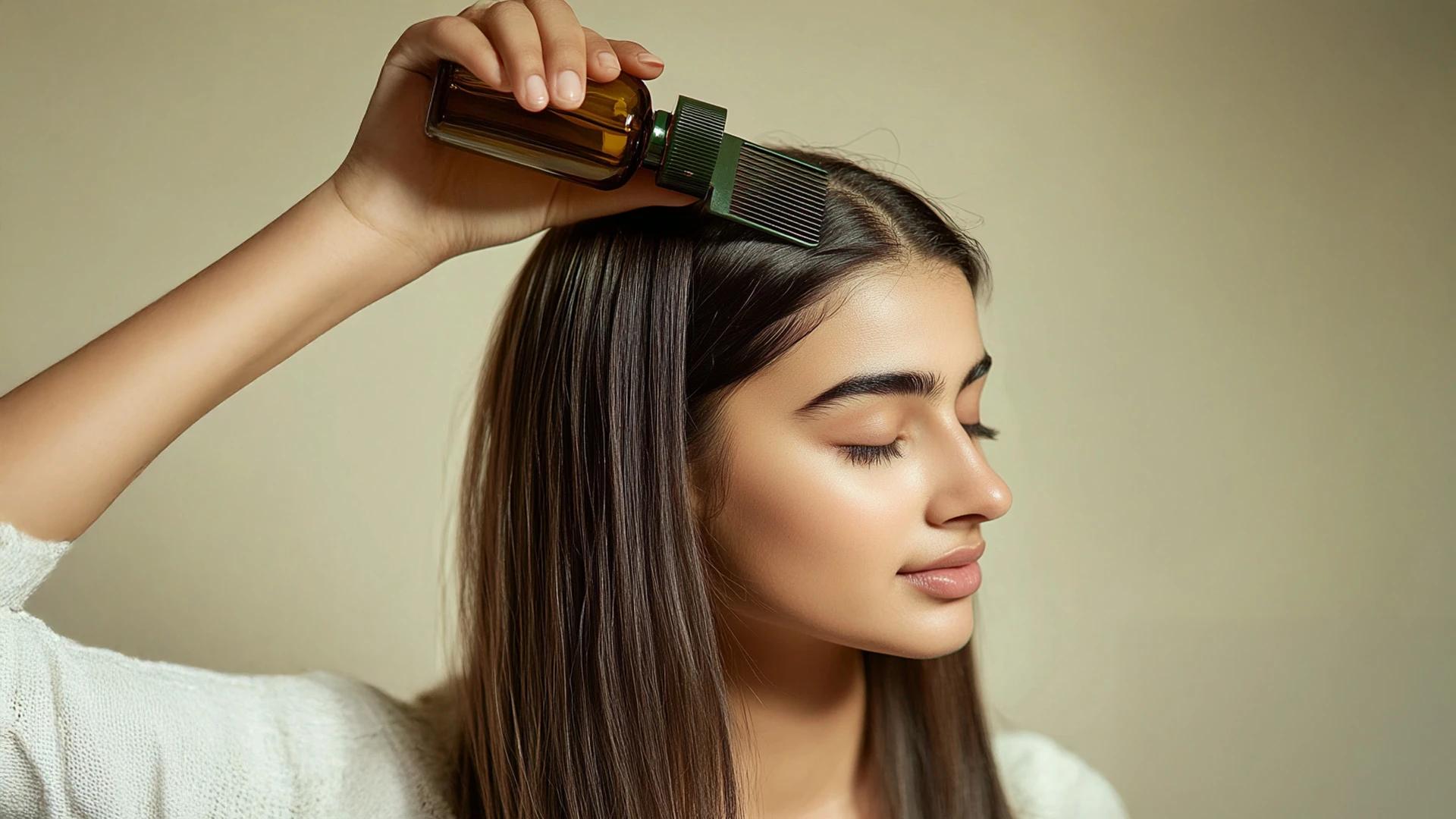

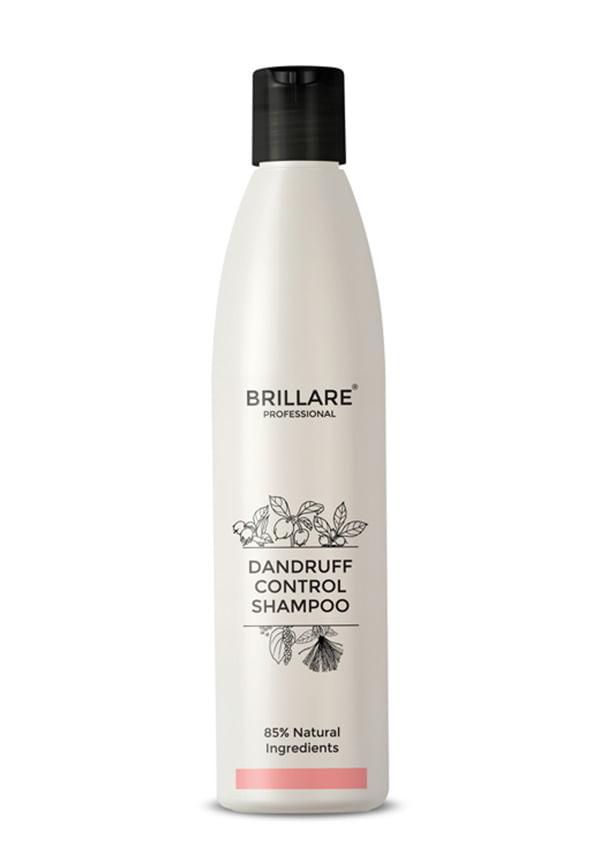
Dandruff Control Shampoo For Itchy, Flaky Scalp
You know that moment when your scalp starts feeling like it's hosting its own little protest? The constant itching, the flakes that seem to appear out of nowhere, and that general feeling that something's just not right up there. Real talk — scalp issues are way more common than we'd like to admit, and finding the right scalp relief products can feel like searching for a needle in a haystack. Whether you're dealing with dryness, dandruff, or just general irritation, your scalp deserves some serious TLC. Let's dive into nine game-changing products that might just become your scalp's new best friends.
Before we jump into the good stuff, let's get real about what causes all this scalp drama in the first place. Your scalp is basically an extension of your facial skin, which means it can get just as temperamental. Dryness often comes from overwashing, harsh products, or even the weather playing tricks on you. Dandruff? That's usually your scalp's way of saying it's either too dry or dealing with a fungal overgrowth called Malassezia. Then there's seborrheic dermatitis, which sounds fancy but is basically dandruff's more intense cousin.
Environmental factors play a huge role too. Think pollution, hard water, extreme temperatures, and even stress levels. Your hormones can also throw a proper spanner in the works, especially during certain times of the month or life changes. The key is recognising when your scalp needs professional-grade scalp relief products versus when a simple routine tweak might do the trick.
Signs that scream "time for some serious scalp care" include persistent itching that doesn't go away after a good wash, visible flakes that keep coming back, redness or inflammation, and that tight, uncomfortable feeling that makes you want to scratch constantly. If you're dealing with severe symptoms or nothing seems to help, chatting with a dermatologist is always worth considering.
When you're hunting for effective itchy scalp treatment options, the ingredient list is where the magic happens. Look for moisturising heroes like hyaluronic acid and glycerin — they're brilliant at pulling moisture into your scalp and keeping it there. Ceramides are another winner, helping to repair your scalp's natural barrier.
For anti-inflammatory action, tea tree oil is a proper multitasker that soothes irritation whilst fighting bacteria. Salicylic acid gently exfoliates away flaky bits, and zinc pyrithione is a dandruff-fighting champion. If you're after natural scalp treatments, aloe vera and chamomile are incredibly soothing, whilst peppermint oil gives that cooling sensation that feels amazing on an irritated scalp.
Right, let's get to the good bit — the products that can transform your scalp situation from chaotic to calm. These nine categories cover pretty much every scalp concern you might be dealing with, from stubborn dandruff to sensitive scalp care needs.
When dandruff's being particularly stubborn, medicated shampoos are your heavy hitters. Look for formulas containing ketoconazole, selenium sulfide, or zinc pyrithione. These dandruff solutions work by targeting the root cause — that pesky Malassezia fungus. Use them 2-3 times a week initially, then scale back to once or twice weekly for maintenance. They might not smell like a spa day, but they get the job done.
Think of these as your dry scalp remedies in a bottle. Scalp serums are lightweight, targeted treatments that deliver moisture and active ingredients directly where you need them. They're brilliant for anyone dealing with tightness, flaking, or that uncomfortable dry feeling. Apply to clean, damp scalp and massage gently — no need to rinse.
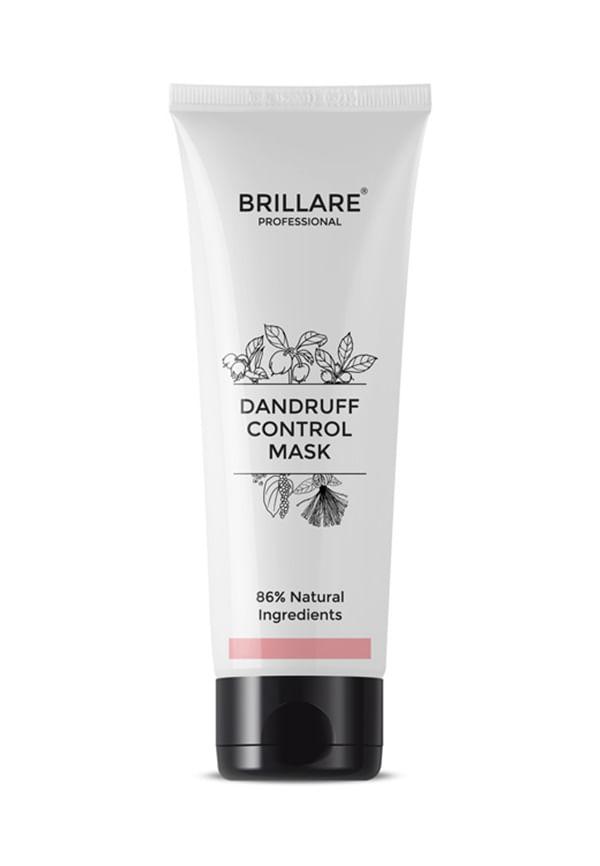
Dandruff Control Mask For Itchy, Flaky Scalp
Sometimes your scalp needs a proper reset, and that's where exfoliating scrubs come in. These flaky scalp solutions use gentle physical or chemical exfoliants to remove buildup and dead skin cells. Use them once a week max — your scalp doesn't need daily exfoliation like your face might.
For those moments when your scalp feels raw or particularly sensitive, a soothing scalp balm can be a proper lifesaver. These thick, nourishing treatments create a protective barrier whilst delivering intensive moisture. They're perfect for overnight treatments or whenever your scalp needs some extra TLC.
If you've got sensitive scalp care needs, harsh shampoos are definitely not your friend. Gentle, sulfate-free formulas cleanse without stripping your scalp's natural oils. Look for ingredients like oat extract, chamomile, or coconut-derived cleansers that clean effectively without causing irritation.
These are brilliant for on-the-go scalp irritation relief. Treatment sprays are easy to apply, don't mess up your hair, and can provide instant cooling or soothing relief. They're particularly handy if you're dealing with itchiness during the day and can't wash your hair.
Think of these as intensive care for your hair follicle health. Overnight masks give active ingredients plenty of time to work their magic whilst you sleep. They're particularly effective for dry, damaged, or irritated scalps that need some serious rehabilitation.
Sometimes the simplest natural scalp treatments are the most effective. Jojoba oil mimics your scalp's natural sebum, argan oil provides deep nourishment, and tea tree oil offers antimicrobial benefits. These can be used alone or mixed with other treatments for a customised approach.
These lightweight liquids help balance your scalp's pH and provide ongoing itchy scalp treatment between washes. They're particularly useful if you're dealing with oiliness or want to maintain scalp health as part of your regular routine.
Let's be honest — both natural scalp treatments and commercial products have their place in a good scalp care routine. DIY options like apple cider vinegar rinses can help balance pH, whilst coconut oil provides deep moisture. Tea tree oil dilutions offer antimicrobial benefits, and oatmeal masks can soothe irritation beautifully.
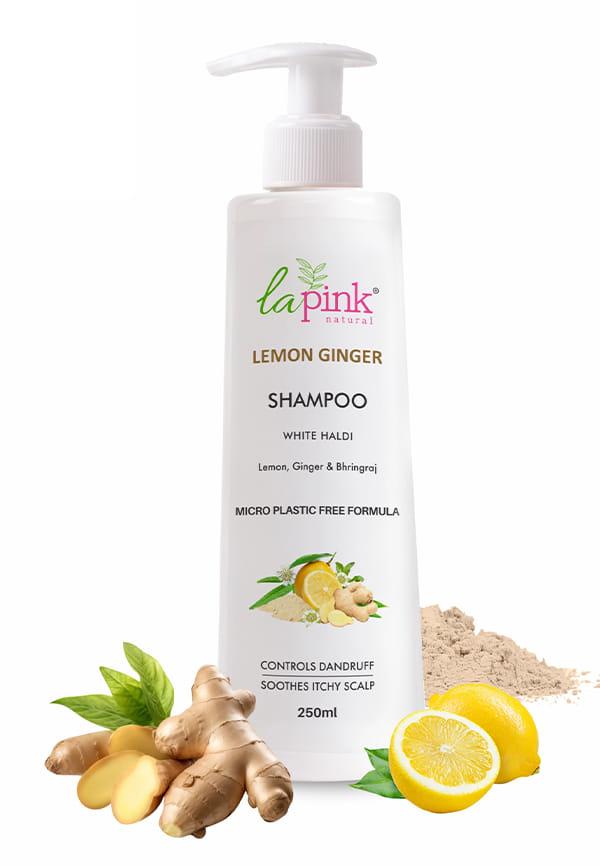
Lemon Ginger Shampoo with White Haldi to Control Dandruff & Soothe Itchy Scalp
But here's the thing — commercial scalp relief products often have advantages that DIY versions can't match. They're formulated with specific concentrations of active ingredients, tested for safety and efficacy, and designed with proper delivery systems. Plus, they're consistent every time you use them, which isn't always the case with homemade treatments.
The sweet spot? Using both strategically. Commercial products for your main concerns, with natural treatments as supportive care or for maintenance. It's about finding what works for your specific scalp situation and budget.
Not all scalps are created equal, and what works brilliantly for your mate might not be your cup of tea. If you've got an oily scalp, you'll want lighter formulas that won't add extra weight or grease. Look for clarifying ingredients and avoid heavy oils or thick balms that might clog your follicles.
Dry scalps need the opposite approach — rich, nourishing formulas that provide lasting moisture. Think creamy shampoos, hydrating serums, and overnight treatments that really sink in. If you're dealing with combination scalp issues (oily at the crown, dry at the hairline), you might need different products for different areas.
Colour-treated hair adds another layer of complexity. You'll want sulfate-free formulas that won't strip your colour, and gentle ingredients that won't cause fading. Always patch test new products, especially if you've got sensitive scalp care needs. Apply a small amount behind your ear or on your inner wrist and wait 24 hours to check for reactions.
Having the right products is only half the battle — using them properly makes all the difference for scalp irritation relief. Start with clean, damp hair when applying treatments. This helps products penetrate better and distribute more evenly across your scalp.
Massage is your friend when it comes to hair follicle health. Use your fingertips (not nails) to gently massage products into your scalp using circular motions. This improves circulation, helps products absorb better, and feels pretty amazing too. Most treatments need 3-5 minutes of contact time to work properly, so don't rush the process.
Timing matters too. Some products work best on freshly washed hair, whilst others are designed for use between washes. Read the instructions properly — it might seem obvious, but you'd be surprised how many people skip this step and wonder why their products aren't working.
When layering different scalp relief products, think about consistency and function. Apply thinner products first, then thicker ones. If you're using both treatment and styling products, let each layer absorb before adding the next.
Whilst the right products are crucial, your lifestyle choices play a massive role in scalp health too. Your diet affects everything, including your scalp condition. Foods rich in omega-3 fatty acids, zinc, and biotin support healthy hair follicle health from the inside out.
Stress is a proper scalp saboteur. It can trigger inflammation, disrupt your scalp's natural balance, and even contribute to conditions like dandruff or hair loss. Finding ways to manage stress — whether that's exercise, meditation, or just having a proper laugh with friends — genuinely helps your scalp health.
Sleep quality matters more than you might think. Your scalp repairs itself overnight, so getting decent sleep supports this natural process. Try sleeping on a silk pillowcase to reduce friction and moisture loss.
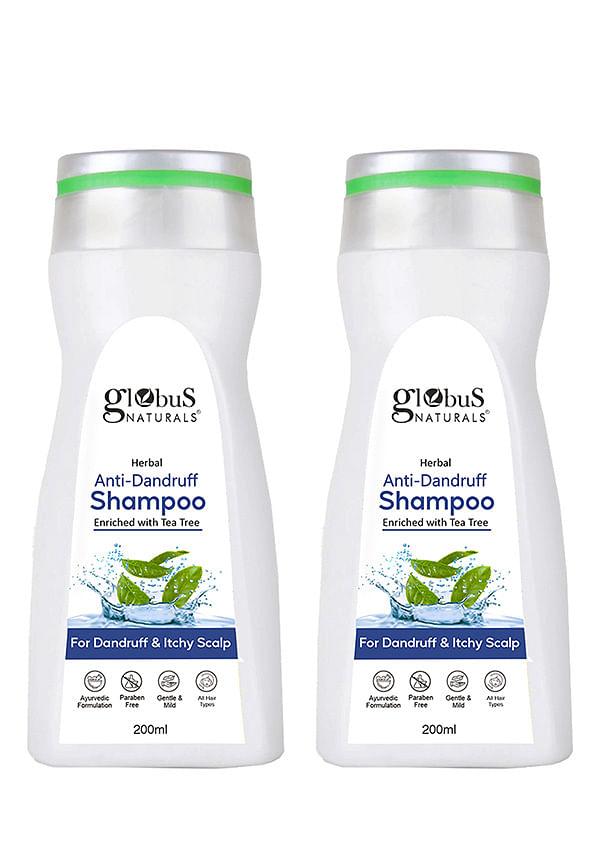
Anti Dandruff Shampoo, For Dandruff and Itchy Scalp
Environmental protection is key too. UV rays can damage your scalp just like they damage your skin, so consider wearing a hat or using products with SPF when you're spending time outdoors. In winter, protect your scalp from harsh winds and dry indoor heating.
There's no one-size-fits-all answer because it depends on your specific scalp concerns. For dandruff, medicated shampoos with zinc pyrithione or ketoconazole work brilliantly. If you're dealing with dryness, hydrating serums or overnight masks might be your best bet. Sensitive scalps usually respond well to gentle, fragrance-free formulas with soothing ingredients like aloe vera or chamomile.
Quick relief usually comes from addressing the immediate symptoms whilst treating the underlying cause. For instant soothing, try a cooling scalp spray or aloe vera gel. For longer-term healing, consistency is key — use appropriate products regularly rather than expecting overnight miracles. Most scalp issues improve within 2-4 weeks of consistent, proper care.
Absolutely. High cortisol levels from stress can disrupt your scalp's natural oil production, trigger inflammation, and even contribute to conditions like dandruff or hair loss. Managing stress through exercise, proper sleep, and relaxation techniques genuinely helps improve scalp health alongside using the right products.
Dry scalp flakes are typically smaller, whiter, and your scalp feels tight or itchy. Dandruff flakes are usually larger, more yellow or oily-looking, and often come with more intense itching. Dry scalp needs moisture, whilst dandruff usually requires antifungal treatment. If you're not sure which you're dealing with, start with a gentle, moisturising approach.
Most people notice some improvement within a week or two of consistent use, but significant changes usually take 4-6 weeks. Your scalp has a natural renewal cycle, so patience is key. If you're not seeing any improvement after 6-8 weeks of consistent use, it might be time to try a different approach or consult a dermatologist.
Finding the right scalp relief products is honestly a bit of a journey, but it's so worth it when you discover what works for your specific needs. Whether you're dealing with stubborn dandruff, dryness, or general irritation, there are effective solutions out there — it's just about finding your perfect match.
Remember that scalp health is an ongoing thing, not a one-and-done fix. What works brilliantly in winter might need adjusting for summer, and your scalp's needs can change based on stress, hormones, or even the products you're using on the rest of your hair. The key is staying flexible and listening to what your scalp is telling you.
If you're keen to explore different scalp care options without committing to full-size products, Smytten's curated selection includes trial-size versions of many premium scalp treatments from trusted brands. It's a brilliant way to test what works for your specific scalp concerns before investing in full bottles — because finding your perfect scalp care routine shouldn't break the bank.
