9 Scalp Irritation Products for Itchy Scalp Relief

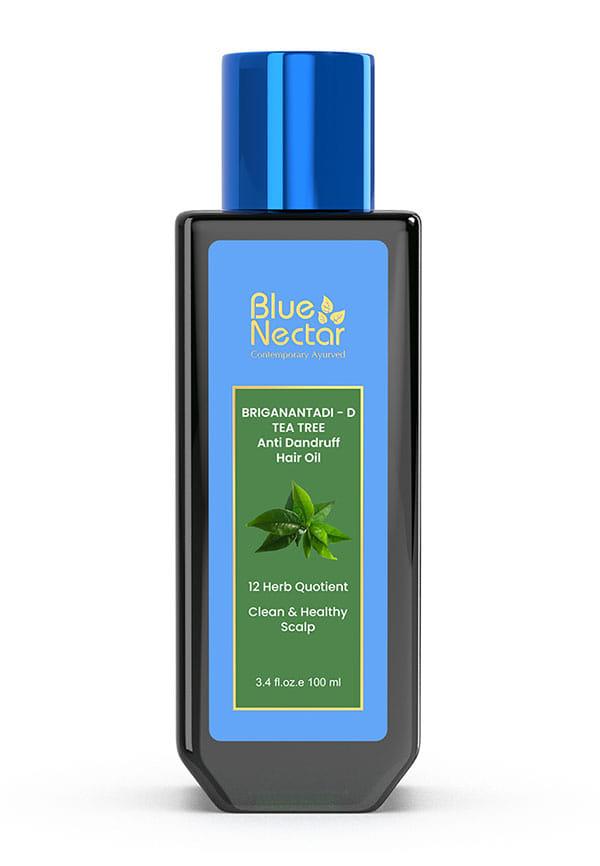
Tea Tree Anti Dandruff and Healthy Scalp Oil 12 Herbs
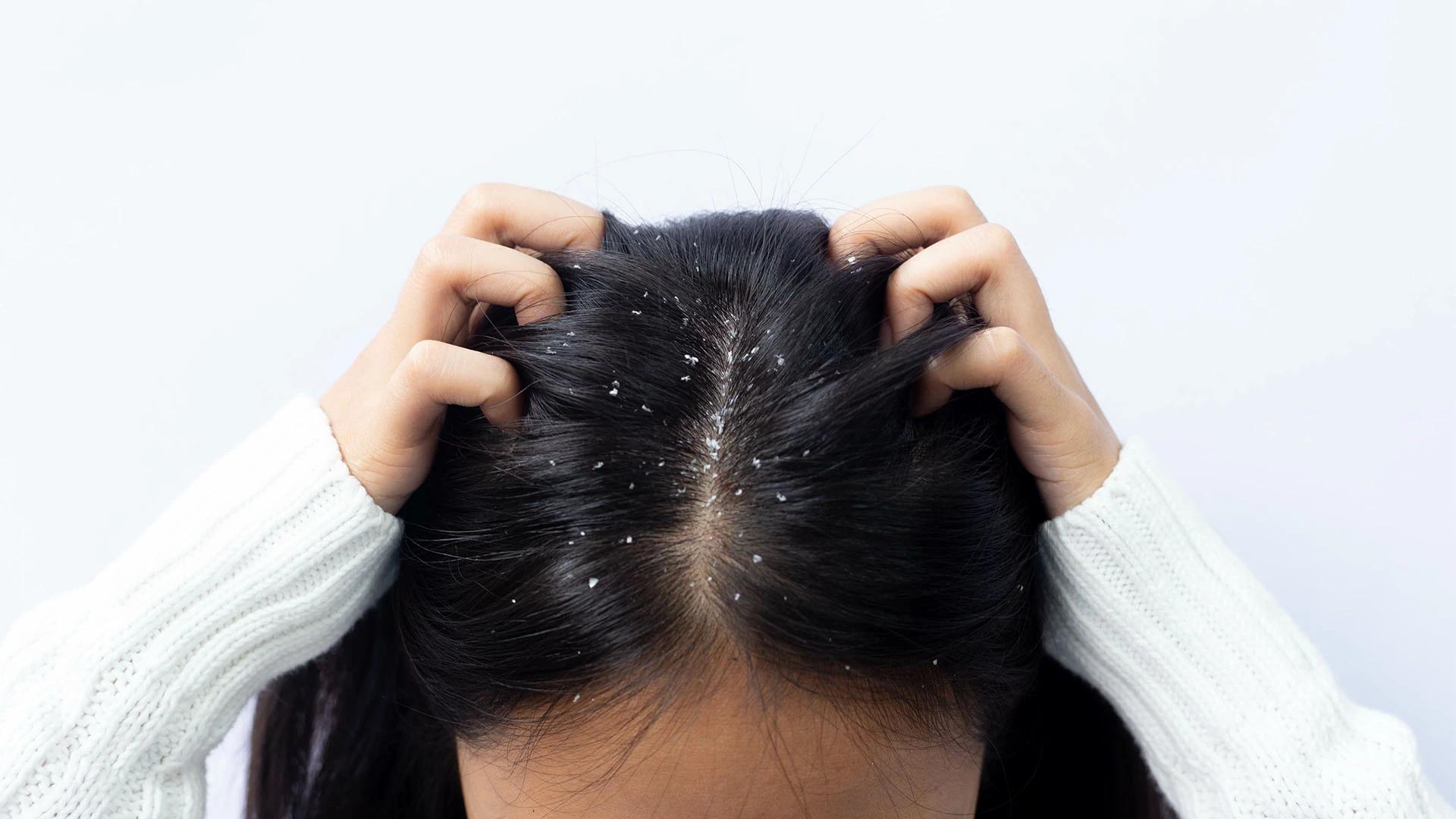
That moment when your scalp starts acting up is honestly the worst. One day everything's fine, and the next you're dealing with constant itching, flaking, or that burning sensation that makes you want to scratch until it stops. Whether it's from switching to a new shampoo, stress hitting differently, or just your scalp deciding to be dramatic, finding the right scalp irritation products can feel like searching for a needle in a haystack. The good news? There are actually some brilliant solutions out there that can give you the itchy scalp relief you're desperately seeking.
Let's be real—scalp irritation isn't just about having a bad hair day. It's your scalp's way of telling you something's not quite right. The most common culprits behind scalp inflammation include seborrheic dermatitis (fancy name for what most of us call dandruff), contact dermatitis from hair product sensitivity, and sometimes even conditions like psoriasis that decide to make your scalp their home.
The tricky part is figuring out what's causing the drama. Redness on scalp, constant itching, flaking that won't quit, or that burning sensation when you touch your head—these are all signs your scalp is crying out for help. Sometimes it's as simple as using the wrong shampoo, but other times it might be stress, hormonal changes, or even the weather messing with your scalp's natural balance.
Here's something worth knowing: dry scalp and dandruff aren't the same thing, even though they both leave you with flakes. Dry scalp happens when your skin lacks moisture, whilst dandruff is usually caused by an overgrowth of yeast. Understanding the difference helps you pick the right treatment approach.
Hair product sensitivity is more common than you'd think. Fragrances, harsh sulfates, and preservatives like methylchloroisothiazolinone can trigger an allergy on scalp that leaves you scratching for days. Even natural ingredients like tea tree oil or botanical extracts can cause reactions if your skin's particularly sensitive.
Finding effective scalp irritation products doesn't have to be a guessing game. These nine categories cover everything from medicated treatments to gentle, everyday solutions that can bring your scalp back to its happy place.
Zinc Pyrithione Shampoos are your go-to for dandruff treatment that actually works. This ingredient has anti-fungal properties that tackle the yeast responsible for most dandruff cases. Look for formulas with 1-2% zinc pyrithione—they're gentle enough for regular use but strong enough to make a real difference.
Ketoconazole-Based Treatments bring the heavy artillery when other products aren't cutting it. Originally prescription-only, you can now find 1% ketoconazole shampoos over the counter. These are brilliant for stubborn cases of seborrheic dermatitis and provide long-lasting relief from scalp inflammation.
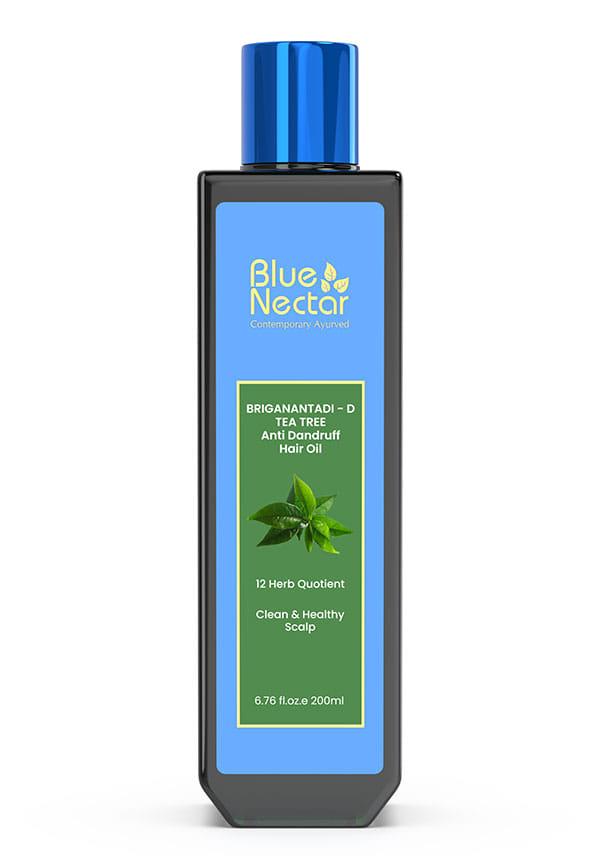
Tea Tree Anti Dandruff and Healthy Scalp Oil 12 Herbs
Coal Tar Shampoos might sound intense, but they're incredibly effective for conditions like psoriasis. The coal tar helps slow down skin cell production, reducing the thick, scaly patches that can make your scalp feel constantly irritated.
Salicylic Acid Formulas work as excellent dry scalp remedies by gently exfoliating dead skin cells. They help unclog hair follicles and reduce the buildup that can make irritation worse. Start with lower concentrations (0.5-1%) to see how your scalp responds.
Tea Tree Oil Shampoos offer natural anti-inflammatory benefits without being too harsh. The key is finding formulas where tea tree oil is properly diluted—pure tea tree oil can actually make irritation worse. Look for products with 2-5% tea tree oil for the sweet spot between effectiveness and gentleness.
Oatmeal-Based Cleansers are the ultimate calming shampoo option for reactive scalps. Colloidal oatmeal has been used for centuries to soothe irritated skin, and it works just as well on your scalp. These formulas cleanse without stripping your scalp's natural protective barrier.
Scalp Serums with Niacinamide are game-changers for reducing ongoing scalp inflammation. Niacinamide helps strengthen your scalp's barrier function and reduces redness over time. Apply these to clean, damp scalp and massage gently for best results.
Aloe Vera-Based Lotions provide instant cooling relief when your scalp feels like it's on fire. Pure aloe vera gel works too, but specially formulated scalp lotions often include additional soothing ingredients like chamomile or cucumber extract.
Ceramide-Rich Scalp Moisturisers help repair your scalp's protective barrier, especially important if you're dealing with chronic dryness. These work best when applied to slightly damp scalp, as the moisture helps the ceramides penetrate more effectively.
Getting the most from your sensitive scalp solutions isn't just about picking the right product—it's about using it properly. Start by assessing your scalp's current state. Is it actively inflamed and angry, or more of a chronic low-level irritation? This helps determine whether you need immediate relief or a gentler, long-term approach.
For medicated shampoos, less is often more. Use about a teaspoon amount, focus on your scalp rather than your hair lengths, and let it sit for 2-3 minutes before rinsing. Don't use these daily unless specifically directed—2-3 times per week is usually plenty for most people.
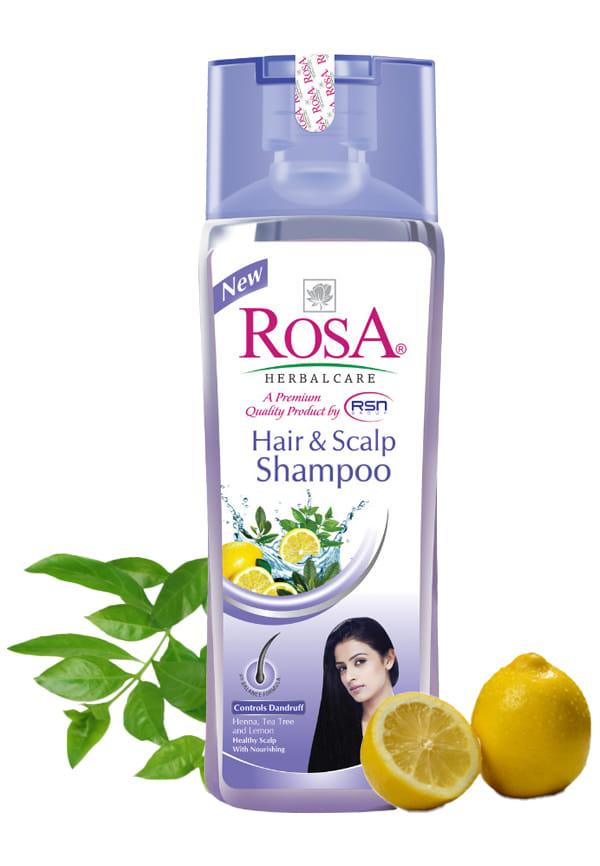
Hair & Scalp Shampoo with Tea Tree Oil and Lemon l Natural & Herbal ingredients
Leave-in treatments work best on clean, slightly damp scalp. Apply in sections, massage gently with your fingertips (not your nails), and avoid over-applying. A little goes a long way with most scalp serums and lotions.
Timeline-wise, you should start seeing some improvement within a week of consistent use, but give products at least 4-6 weeks to show their full potential. If things get worse or don't improve after this time, it's worth reassessing your approach.
Sometimes the best soothing scalp treatments come from your kitchen cupboard. Apple cider vinegar rinses can help restore your scalp's natural pH balance—mix one part ACV with three parts water and use as a final rinse after shampooing.
A simple coconut oil and honey mask works wonders for dry, irritated scalps. Mix equal parts of both, apply to your scalp, leave for 20 minutes, then shampoo out. The coconut oil provides moisture whilst honey has natural antimicrobial properties.
For immediate cooling relief, try a peppermint oil treatment. Add 2-3 drops of peppermint essential oil to a tablespoon of carrier oil like jojoba or sweet almond oil. The cooling sensation can provide temporary relief from itching and inflammation.
Not all scalp irritation is created equal, so your product choice should match your specific situation. If you're dealing with visible flakes and oily roots, you likely need a dandruff treatment with antifungal properties. Dry, tight-feeling scalp with small white flakes usually responds better to moisturising treatments.
For those with hair product sensitivity, look for fragrance-free, hypoallergenic formulas. Check ingredient lists carefully—sometimes products marketed as "gentle" still contain common irritants like sulfates or strong preservatives.
Budget doesn't always determine effectiveness. Some of the best scalp irritation products are available at your local chemist, whilst some expensive salon brands might contain the same active ingredients in fancier packaging. Focus on the ingredient list rather than the price tag.
Once you've got your scalp irritation under control, keeping it that way is all about smart prevention. Patch test any new hair products on a small area behind your ear before using them all over your scalp. Wait 24-48 hours to see if any reaction develops.
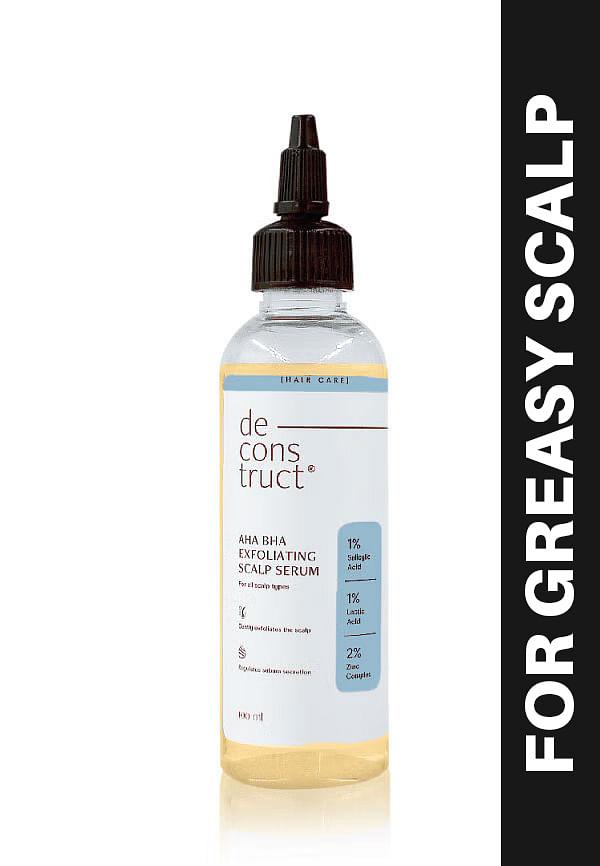
AHA BHA Exfoliating Scalp Serum - 1% Salicylic Acid + 1% Lactic Acid + 2% Zinc Complex
Pay attention to environmental factors too. Hard water, extreme weather, and even stress can trigger scalp flare-ups. If you notice patterns—like your scalp getting worse during exam season or after swimming in chlorinated pools—you can take preventive action.
Your diet plays a role too. Omega-3 fatty acids, zinc, and B vitamins all support healthy scalp function. If you're constantly dealing with scalp issues despite using the right products, it might be worth looking at your overall nutrition.
For immediate relief, try a cool aloe vera gel application or a diluted tea tree oil treatment. These provide quick cooling and anti-inflammatory effects. However, for lasting relief, you'll need to address the underlying cause with appropriate medicated or gentle cleansing products.
Yes, but be strategic about it. You can typically combine a medicated shampoo with a leave-in scalp serum, but avoid using multiple active ingredients at once (like salicylic acid and coal tar together). Start with one product, let your scalp adjust, then gradually add others if needed.
Most people notice some improvement within 3-7 days, but significant changes usually take 2-4 weeks of consistent use. Severe conditions might take 6-8 weeks to fully resolve. If you don't see any improvement after a month, consider switching products or consulting a dermatologist.
Not necessarily. Many effective scalp irritation products are available at affordable prices. The key is finding products with proven active ingredients like zinc pyrithione, ketoconazole, or salicylic acid. Sometimes you're paying more for packaging and marketing rather than better ingredients.
Dealing with scalp irritation doesn't have to be a constant battle. The right combination of products, proper application techniques, and a bit of patience can transform your scalp from angry and inflamed to calm and comfortable. Remember that what works for your friend might not work for you—scalp care is quite personal, and finding your perfect routine might take some experimentation.
The key is starting with gentle products and gradually working up to stronger treatments if needed. Pay attention to how your scalp responds, and don't be afraid to switch things up if something isn't working. Your scalp will thank you for the attention, and you'll finally be able to focus on more important things than constant itching and irritation.
If you're curious about trying different scalp care products without committing to full sizes, Smytten offers trial versions of many scalp treatments from trusted brands. It's a smart way to test what works for your specific scalp needs before investing in larger bottles—because finding the right scalp care routine shouldn't break the bank.
