9 Rainy Season Hair Fall Solutions for Stronger Strands

Conditioner To Reduce Seasonal Hair Fall
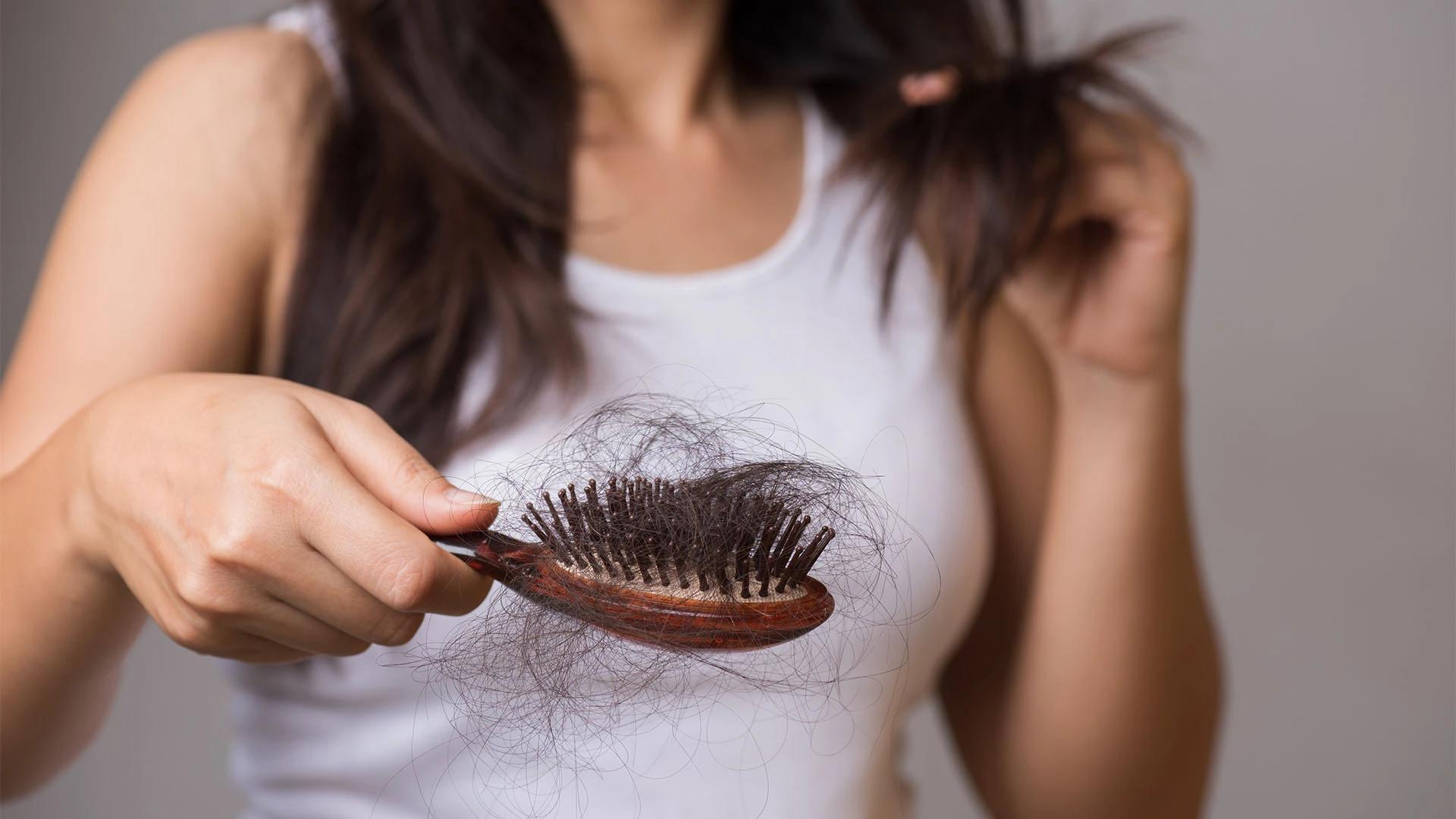
Picture this: you wake up to the sound of rain, and your first thought isn't about the weather—it's about your hair. The monsoon brings relief from the heat, but it also brings that dreaded sight of extra strands on your pillow, in your brush, and swirling down the drain. If you've noticed your hair fall ramping up with the humidity, you're definitely not alone. The rainy season can be tough on our strands, but the good news? There are solid ways to fight back and keep your hair strong through the wettest months.
Let's get real about what's actually happening to your hair when the monsoon hits. The combination of high humidity, constant moisture, and temperature changes creates the perfect storm for hair problems. Your hair cuticles swell up in the humid air, making strands weaker and more prone to breakage. Plus, all that moisture creates a breeding ground for bacteria and fungi on your scalp, which can lead to infections and inflammation that weaken your hair follicles.
The thing is, some hair fall during monsoon is totally normal—your hair naturally goes through cycles, and seasonal changes can trigger a shedding phase. But when you're losing way more than the usual 50-100 strands a day, or if you're dealing with scalp irritation, dandruff, or thinning patches, that's when you know the rainy season is really taking a toll on your hair health.
Humidity doesn't just make your hair frizzy—it actually changes the structure of your hair shaft. When moisture gets into the hair cuticle, it causes the hair to swell and become fragile. This makes your strands more likely to snap when you brush, style, or even just touch them. The constant cycle of getting wet and drying out also strips your hair of its natural oils, leaving it dry and brittle despite all the moisture in the air.
Beyond just hair fall, the rainy season brings a whole host of hair issues. Scalp infections become more common because of the warm, moist environment. Dandruff flares up, your roots get oily faster, and your ends feel dry and tangled. It's like your hair can't decide what it wants to be, and honestly, that's pretty much exactly what's happening.
Your regular hair washing routine might need a monsoon makeover. The key is finding that sweet spot between keeping your scalp clean and not over-washing, which can strip away protective oils. During the rainy season, most people need to wash their hair more frequently—maybe every other day instead of twice a week—because of increased oil production and environmental pollutants that stick to damp hair.
When it comes to managing oily scalp in rainy weather, choose a gentle, sulfate-free shampoo that won't be too harsh on your already stressed strands. Look for ingredients like tea tree oil, neem, or salicylic acid that can help control excess oil and prevent scalp infections. And here's a game-changer: always, always dry your hair properly. Leaving it damp is basically sending an open invitation to fungal infections.
Listen to your scalp—if it feels greasy or itchy by day two, it's time for a wash. But if your hair is naturally dry or chemically treated, you might be able to stretch it to every three days with the help of a good dry shampoo.
Skip anything too heavy or moisturising during monsoon. Instead, go for clarifying shampoos that can remove buildup without being overly drying. Antifungal ingredients are your friend right now—they'll help keep your scalp healthy and reduce hair fall caused by infections.
Oil treatments might seem counterintuitive when you're already dealing with humidity, but the right approach can actually be one of your best natural remedies for hair fall in monsoon. The trick is using lighter oils and applying them strategically. Coconut oil has natural antifungal properties that make it perfect for monsoon hair care, while castor oil can stimulate blood circulation to your scalp and promote stronger hair growth.
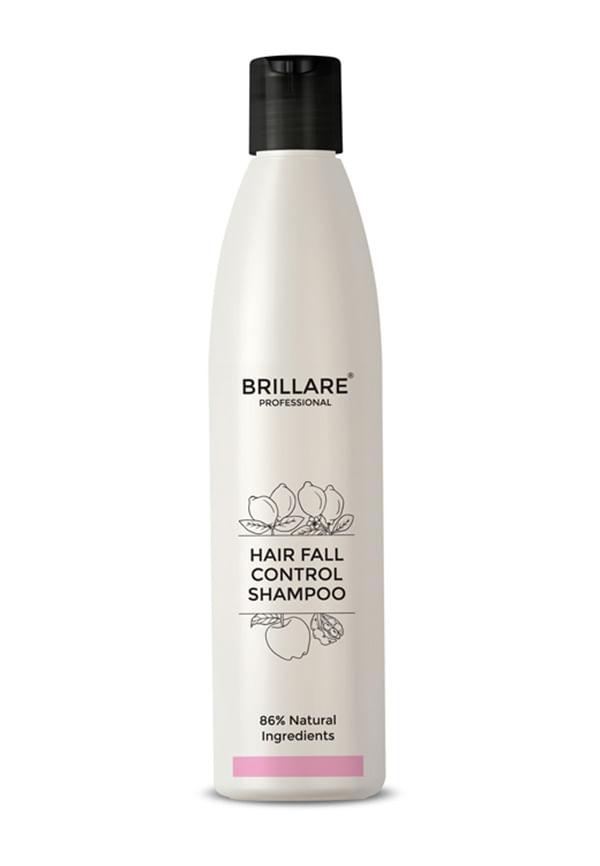
Shampoo To Reduce Seasonal Hair Fall
Try a pre-wash oil treatment once or twice a week. Warm up a small amount of oil (coconut, almond, or a blend), massage it into your scalp and through your hair, leave it for 30 minutes to an hour, then wash it out thoroughly. This gives your hair the nourishment it needs without leaving it greasy or attracting more dirt and pollution.
Coconut oil is brilliant for its antimicrobial properties, castor oil works wonders for growth, and almond oil is lightweight but nourishing. You can also try mixing a few drops of essential oils like rosemary or peppermint into your base oil for extra scalp stimulation.
Mix two tablespoons of coconut oil with one tablespoon of castor oil and a few drops of tea tree oil. This blend tackles hair fall while keeping your scalp healthy and infection-free.
Frizzy hair solutions for rainy season start with understanding that you're fighting moisture with moisture—but the right kind. Leave-in conditioners and anti-frizz serums create a barrier that helps control how much humidity your hair absorbs. Look for products with silicones or natural oils that can smooth the hair cuticle and reduce frizz without weighing your hair down.
Heat styling during monsoon is generally a no-go because it adds extra stress to already vulnerable hair. Instead, embrace air-drying techniques and protective styles like braids, buns, or twists that keep your hair contained and reduce friction. When you do need to style, use a heat protectant and keep temperatures low.
Choose lightweight formulas that won't make your hair look greasy. Cream-based products work better than oils during humid weather, and anything with hyaluronic acid can help balance moisture levels in your hair.
Loose braids, low buns, and hair scarves aren't just cute—they're practical ways to protect your hair from humidity and reduce breakage from constant touching and adjusting.
Dandruff control in rainy season is crucial because a healthy scalp is the foundation for strong hair. The increased humidity can trigger both dry and oily types of dandruff, so you need to figure out which one you're dealing with. Dry dandruff looks like small, white flakes, while oily dandruff appears as larger, yellowish flakes that stick to your scalp.
Natural antifungal treatments can work wonders during monsoon. Apple cider vinegar rinses help balance your scalp's pH, while neem oil or tea tree oil treatments can fight the fungi that cause dandruff and scalp irritation. Just remember to dilute these properly—they're potent and can irritate sensitive skin if used full strength.
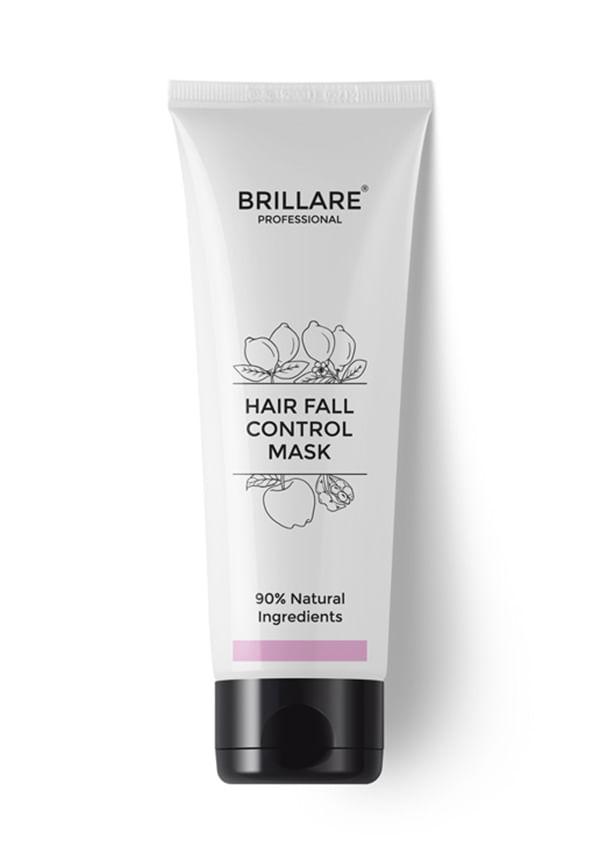
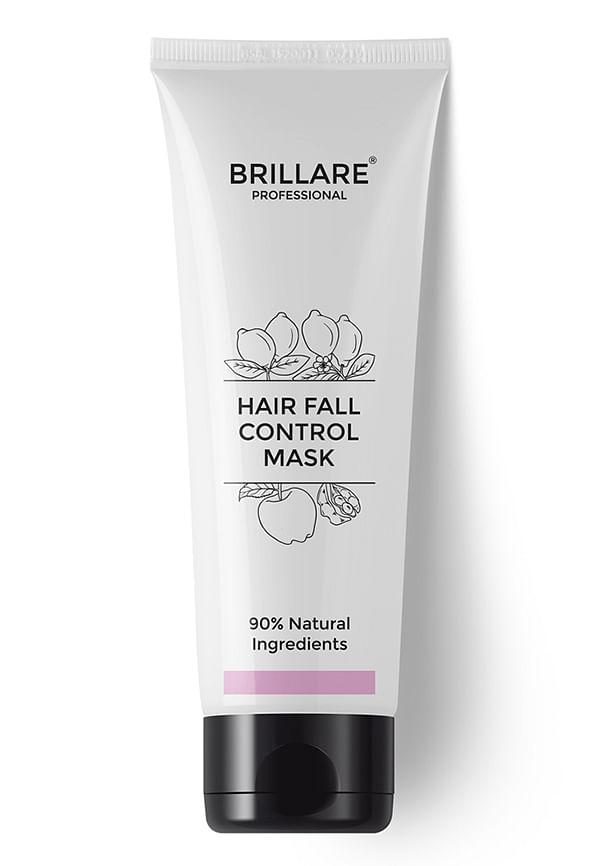
Hair Fall Control Mask To Reduce Seasonal Hair Fall
Watch out for increased itching, unusual odours, or patches of irritation. These could signal a fungal infection that needs proper treatment to prevent further hair loss.
If your scalp issues persist despite good care, or if you're losing hair in patches, it's time to see a dermatologist. Some scalp conditions need prescription treatments to clear up properly.
Strengthening hair during monsoon isn't just about what you put on your hair—it's also about what you put in your body. The rainy season can affect your vitamin D levels (thanks to less sunshine), and stress from weather changes can impact your overall health. Make sure you're getting enough protein, iron, and vitamins that support hair health.
Hydration is tricky during monsoon because the air feels humid, but you might actually be drinking less water. Your hair needs proper hydration from the inside out, so keep up with your water intake even when it doesn't feel hot outside.
Focus on biotin, vitamin D, iron, and omega-3 fatty acids. These nutrients support hair follicle health and can help reduce seasonal hair fall.
If your diet isn't covering all the bases, consider a good multivitamin or specific hair supplements. Just check with a healthcare provider first, especially if you're taking other medications.
Sometimes the best hair fall treatment for humid climate comes down to the little things you do every day. These final solutions focus on gentle handling and consistent care that can make a real difference over time.
Wet hair is fragile hair, so always use a wide-tooth comb and start detangling from the ends, working your way up. Never brush soaking wet hair—let it air dry until it's just damp, then gently work through any tangles.
Once a week, treat your hair to a deep conditioning mask. You can use store-bought treatments or make your own with ingredients like yogurt, honey, and eggs. These treatments help repair damage and strengthen your hair shaft.
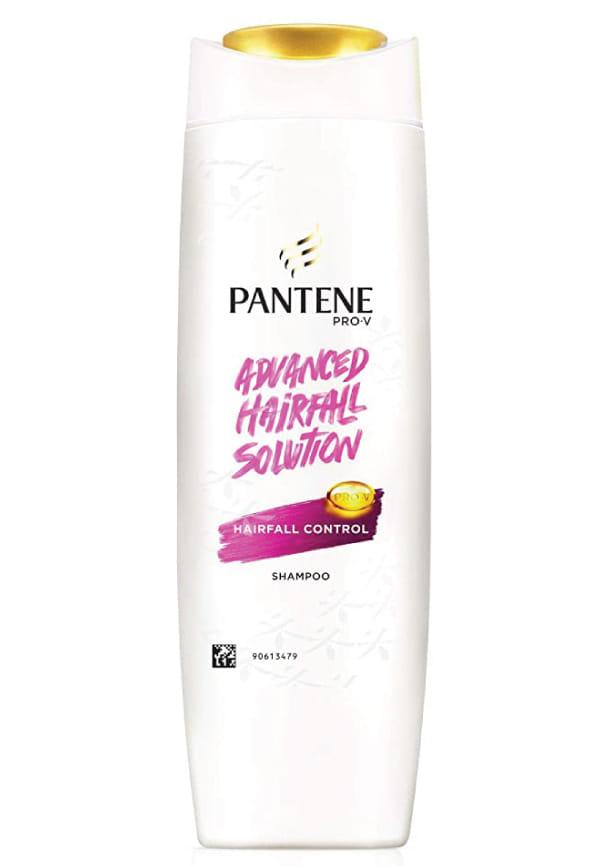
Advanced Hair Fall Solution Hair Fall Control Shampoo
Hold off on colouring, perming, or chemical straightening during monsoon. Your hair is already stressed from the weather, and adding chemical processing can push it over the edge into serious damage territory.
Consistency is everything. Create a routine that includes regular washing, weekly oil treatments, and monthly deep conditioning. Having a schedule helps you stay on top of your hair care even when the weather makes you want to just throw it in a bun and forget about it.
Focus on keeping your scalp clean and dry, use gentle hair care products, avoid excessive heat styling, and maintain a healthy diet. Regular oil treatments and proper drying techniques can also help reduce monsoon-related hair fall.
No, losing 700 hairs a day is excessive and indicates a problem that needs attention. Normal hair fall is 50-100 strands per day. If you're losing significantly more, especially during monsoon, consult a dermatologist for proper evaluation.
The three key factors are scalp health (keeping it clean and infection-free), proper nutrition (especially protein and vitamins), and gentle handling (avoiding harsh treatments and excessive manipulation).
Seasonal changes affect hormone levels, vitamin D production, and environmental stressors. During monsoon, increased humidity, fungal growth, and pollution can weaken hair follicles and trigger more shedding than usual.
Some increase in hair fall during monsoon is normal, but excessive shedding, scalp irritation, or bald patches are concerning and should be evaluated by a professional.
Managing hair fall during rainy season doesn't have to feel like an uphill battle. With the right combination of gentle care, proper nutrition, and consistent routines, you can keep your strands strong and healthy even when the humidity is doing its worst. Remember, some seasonal shedding is totally normal, but if you're concerned about excessive hair loss, don't hesitate to seek professional advice.
The key is being patient with your hair and adjusting your routine to work with the weather, not against it. Your hair might need a bit more attention during monsoon, but with these solutions in your toolkit, you'll be ready to face the rainy season with confidence. Not sure which hair care products work best for your specific concerns? Smytten also offers trial-size versions of many haircare products from trusted brands—a good way to test what works for your hair before committing to full-size bottles.
