9 Peptide Serum Hair Benefits for Stronger Growth


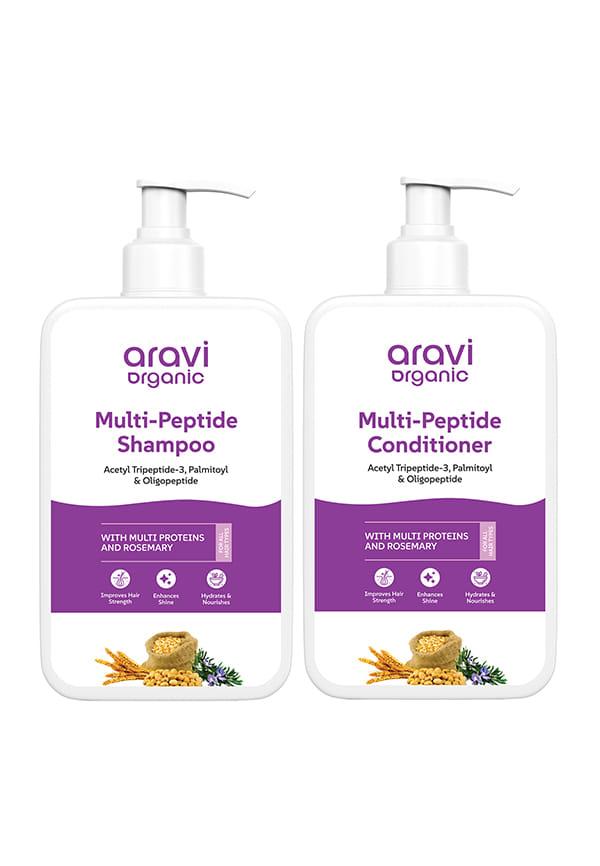
Multi-Peptide Shampoo & Multi-Peptide Conditioner
Ever stared at your hairbrush and wondered where all that hair came from? You're definitely not alone. Between stress, styling damage, and just life happening, our hair takes quite the beating. While scrolling through endless hair growth solutions, you've probably stumbled across peptide serums—those science-y sounding treatments that promise stronger, thicker hair. But do they actually work, or is it just another beauty trend? Let's break down the real deal about peptide serum hair benefits and whether they're worth adding to your routine.
Think of peptides as tiny messengers that tell your hair follicles to get their act together. These amino acid chains are basically the building blocks your hair needs to grow stronger and healthier. Unlike harsh treatments that can irritate your scalp, hair growth peptides work with your body's natural processes to encourage better hair growth.
The cool thing about peptide hair treatment is how targeted it is. While other ingredients might work on the surface, peptides actually penetrate deeper to reach your hair follicles where the real magic happens. They're like having a personal trainer for your hair—pushing it to perform better without causing damage.
Hair follicle peptides come in different types, each with their own superpower. Copper peptides help with circulation, while others like Redensyl and Capixyl focus on extending your hair's growth phase. It's not just one-size-fits-all—there's actually science behind matching the right peptides to your specific hair concerns.
Ready to dive into what makes peptide serums such a big deal? Here are the nine benefits that might just convince you to give them a try.
Your hair follicles can go into hibernation mode, especially when you're stressed or dealing with hormonal changes. Peptides act like an alarm clock, signalling dormant follicles to start producing hair again. This is particularly helpful if you've noticed your hair feeling thinner or growing more slowly than usual.
Better circulation means more nutrients reaching your hair roots. Peptides help dilate blood vessels in your scalp, creating a highway for all the good stuff your hair needs to thrive. Think of it as upgrading from a country road to a motorway for nutrient delivery.
Hair strengthening peptides work on the keratin structure of your hair shaft, making each strand more resilient. This means less breakage when you brush, style, or even just sleep on your pillow. Your hair becomes more flexible and less prone to snapping under pressure.
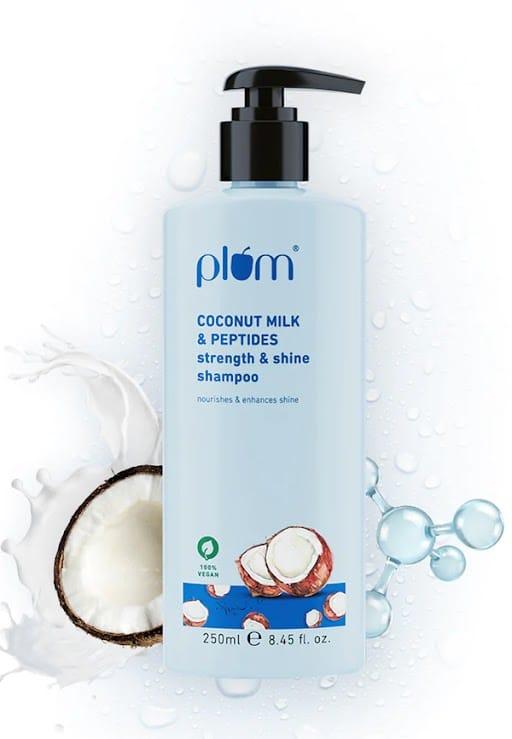
Coconut Milk & Peptides Strength & Shine shampoo
If you're dealing with thinning hair, peptide for hair loss treatments can help slow down the process. They work by blocking certain hormones that contribute to hair loss while encouraging new growth. It's like having a bouncer that keeps the bad stuff out while welcoming the good.
Your hair goes through cycles—growing, resting, and shedding. Peptides help extend the anagen (growth) phase, meaning your hair stays in active growth mode longer. This translates to longer, fuller hair over time.
Even if you're not growing dramatically more hair, peptides can make existing strands appear thicker and fuller. They plump up the hair shaft and improve overall density, giving you that coveted voluminous look without the need for extensions.
Environmental stressors like pollution, UV rays, and heat styling can wreak havoc on your hair. Peptides create a protective barrier that helps minimise damage from these everyday aggressors. It's like having an invisible shield around each strand.
A healthy scalp is the foundation of healthy hair. Peptides have anti-inflammatory properties that can soothe irritation, reduce redness, and create a better environment for hair growth. If you deal with scalp sensitivity, this benefit alone might be worth the investment.
Your hair has its own repair mechanisms, but sometimes they need a little encouragement. Peptides help activate these natural processes, allowing your hair to heal from damage more effectively. It's like giving your hair's maintenance crew better tools to do their job.
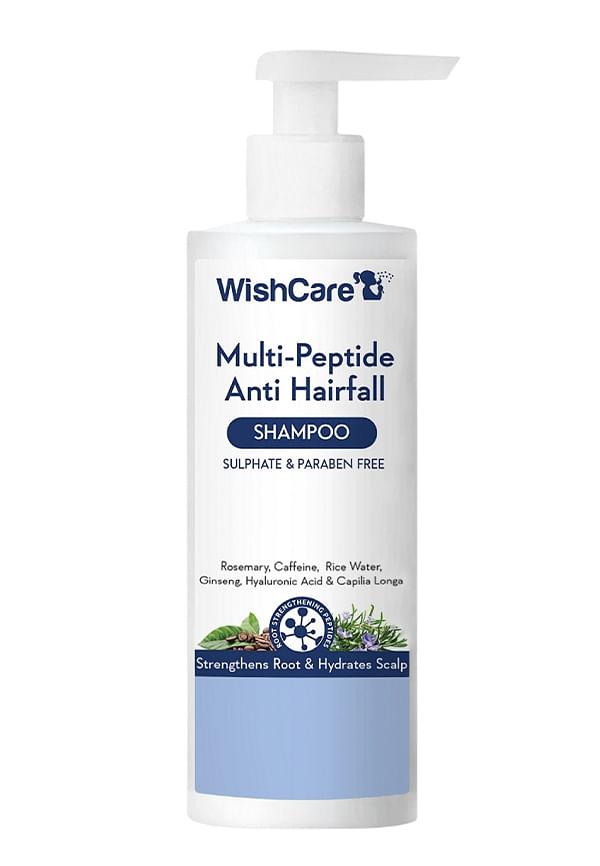
Multi Peptide Rice Water Anti Hairfall Shampoo - Rosemary, Capilia Longa, HA & Caffeine
Not all peptide treatments are created equal, and the format you choose can make a big difference in your results. Let's break down your options so you can pick what works best for your lifestyle and hair goals.
A peptide hair growth serum is probably your most concentrated option. These are typically leave-in treatments that you apply directly to your scalp, giving you maximum peptide power where you need it most. They're perfect if you're dealing with specific areas of thinning or want targeted treatment.
On the flip side, a peptide infused shampoo offers a gentler, daily approach. While the concentration might be lower, you're getting consistent exposure every time you wash your hair. This works well if you prefer keeping things simple or have sensitive skin that might react to stronger treatments.
A peptide conditioner falls somewhere in the middle, offering more contact time than shampoo but less intensity than a serum. It's a good option if you want to dip your toes into peptide treatments without committing to a separate step in your routine.
When hunting for the best peptide serum for hair, look for ingredients like copper peptides, acetyl tetrapeptide-3, or biomimetic peptides. These have the most research backing their effectiveness. Also, check if the formula includes complementary ingredients like niacinamide or caffeine that can boost the peptides' performance.
Getting the most out of your peptide hair treatment isn't just about slapping it on and hoping for the best. There's actually a bit of technique involved that can make or break your results.
For serums, start with a clean, slightly damp scalp. Part your hair into sections and apply the serum directly to your scalp, not your hair lengths. Use your fingertips to gently massage it in—this isn't just for relaxation, it actually helps with absorption and circulation.
Timing matters too. Most peptide treatments work best when applied to clean hair, so right after washing is ideal. If you're using a leave-in serum, apply it before any styling products. The peptides need direct contact with your scalp to do their job effectively.
Consistency is absolutely key with peptide treatments. Unlike a face mask that might give you instant results, hair growth is a slow process. You're looking at 3-6 months before seeing significant changes, so patience is definitely required. Think of it as a long-term investment in your hair's health.
Let's be real—the proof is in the pudding, or in this case, the user reviews. Most people who stick with peptide treatments report seeing initial changes around the 6-8 week mark. This usually starts with less hair in the shower drain and a general feeling that their hair is stronger.
By the 3-month mark, many users notice their hair feeling thicker and looking fuller. New growth often appears as baby hairs around the hairline, which can be exciting but also a bit awkward as they grow out. Some people also report that their hair holds styles better and feels less fragile.
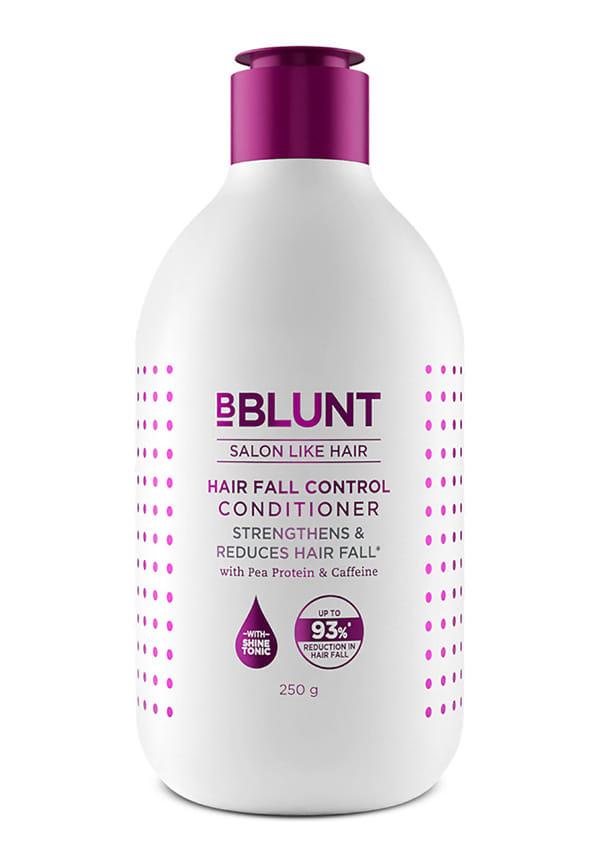
Hair Fall Control Conditioner Pea Protein & Caffeine for Stronger Hair
As for side effects, peptide treatments are generally well-tolerated. Some people experience mild scalp irritation when they first start using them, but this usually settles down within a week or two. If you have very sensitive skin, it's worth doing a patch test before diving in fully.
Peptide serum works by delivering amino acid chains directly to your hair follicles, where they stimulate growth, improve circulation, and strengthen the hair structure. They essentially communicate with your follicles to encourage healthier, stronger hair growth while protecting against damage and inflammation.
Peptides and minoxidil work differently, so it's not exactly an apples-to-apples comparison. Minoxidil is more aggressive and can cause side effects like scalp irritation, while peptides are gentler and work with your body's natural processes. Peptides might be better for those with sensitive scalps or who prefer a more natural approach.
Peptides can help stimulate dormant follicles and improve the growth phase of existing hair, but they're not miracle workers. They're most effective for people with thinning hair rather than complete baldness. Results vary based on genetics, age, and the underlying cause of hair loss.
Most people start noticing less hair shedding within 4-6 weeks, with visible improvements in thickness and growth appearing around the 3-4 month mark. Hair growth is naturally slow, so patience is essential when using any hair growth treatment.
Generally yes, peptides play well with other ingredients. However, if you're using strong treatments like retinoids or high-concentration acids on your scalp, introduce peptides gradually to avoid irritation. Always patch test when combining new products.
Peptide serum hair treatments offer a science-backed approach to stronger, healthier hair growth that's gentler than many traditional options. While they're not overnight miracle workers, the combination of follicle stimulation, improved circulation, and hair strengthening makes them worth considering if you're dealing with thinning, weak, or slow-growing hair.
The key is choosing the right format for your needs—whether that's a concentrated serum for targeted treatment or a peptide-infused shampoo for daily maintenance. Remember that consistency and patience are your best friends when it comes to hair growth treatments.
If you're curious about trying peptide treatments but not ready to commit to full-size products, exploring trial versions can be a smart way to test what works for your hair type and concerns. Smytten offers trial-size versions of many peptide hair treatments from trusted brands—a good way to experiment before investing in the full bottle.
