9 Nourishing Hair Masks for Damaged Hair Repair

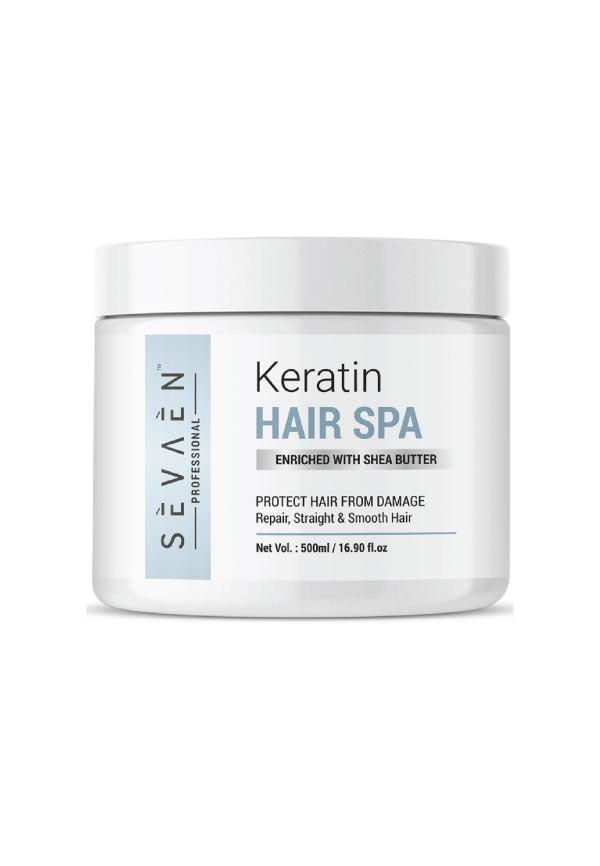
Keratin Hair Spa Cream For Hair Dry&Damage repair And strengthening&Smoothing Hair With Deep Conditioning Treatment
You know that moment when you catch your reflection and realise your hair looks more like straw than silk? We've all been there. Whether it's from too many heat styling sessions, chemical treatments, or just life happening, damaged hair can feel like a lost cause. But here's the thing—the right hair mask for damaged hair can actually turn things around. It's not about expensive salon visits or miracle products that promise overnight transformations. It's about understanding what your hair needs and giving it the deep conditioning treatment it's crying out for.
Let's be real about what damaged hair actually looks like. You'll spot it in the split ends that seem to multiply overnight, the way your hair snaps when you brush it, and that dull, lifeless appearance that no amount of shine spray can fix. Your hair might feel rough to the touch, tangle easily, or refuse to hold any style for more than five minutes.
The culprits behind this damage are pretty predictable. Heat styling tools cranked up to maximum settings, chemical treatments like bleaching or perming, and even environmental factors like sun exposure and pollution all take their toll. Add in aggressive brushing, tight hairstyles, and overwashing, and you've got a recipe for hair that's screaming for help.
Here's where a proper hair repair mask comes into play. Unlike your regular conditioner that works on the surface, these treatments penetrate deeper into the hair shaft. They work at the molecular level to fill in gaps in damaged cuticles, restore moisture balance, and strengthen the hair's internal structure. Think of it as intensive care for your strands—while daily conditioner is like a quick moisturiser, a nourishing hair mask is like a full spa treatment.
The key difference lies in concentration and contact time. Hair masks contain higher concentrations of active ingredients and are designed to sit on your hair for longer periods, allowing for deeper penetration and more significant repair.
Understanding how these treatments actually work makes choosing the right one so much easier. Your hair is essentially made up of proteins, primarily keratin, arranged in overlapping layers called cuticles. When hair gets damaged, these cuticles lift and the protein structure weakens, leading to breakage, split ends, and that rough texture you can feel.
A protein treatment for hair works by temporarily filling in these gaps with amino acids and proteins that mimic your hair's natural structure. This is particularly crucial if your hair has been chemically processed or heat damaged. However, too much protein can make hair feel stiff and brittle, so balance is key.
On the flip side, moisturising treatments focus on hydration and flexibility. They use ingredients like natural oils, glycerin, and humectants to attract and lock in moisture. A keratin hair mask combines both approaches, using keratin proteins to strengthen while adding moisture for flexibility and shine.
When scanning ingredient lists, keep an eye out for proteins like hydrolysed keratin, silk amino acids, and collagen. These rebuild the hair's structure from within. For moisture, look for hyaluronic acid, glycerin, argan oil, and shea butter. Bond-building ingredients like bis-aminopropyl diglycol dimaleate work to reconnect broken disulfide bonds in chemically damaged hair.
Ready to give your hair the TLC it deserves? Here are nine tried-and-tested options that actually deliver results, from professional treatments to kitchen-cupboard heroes.
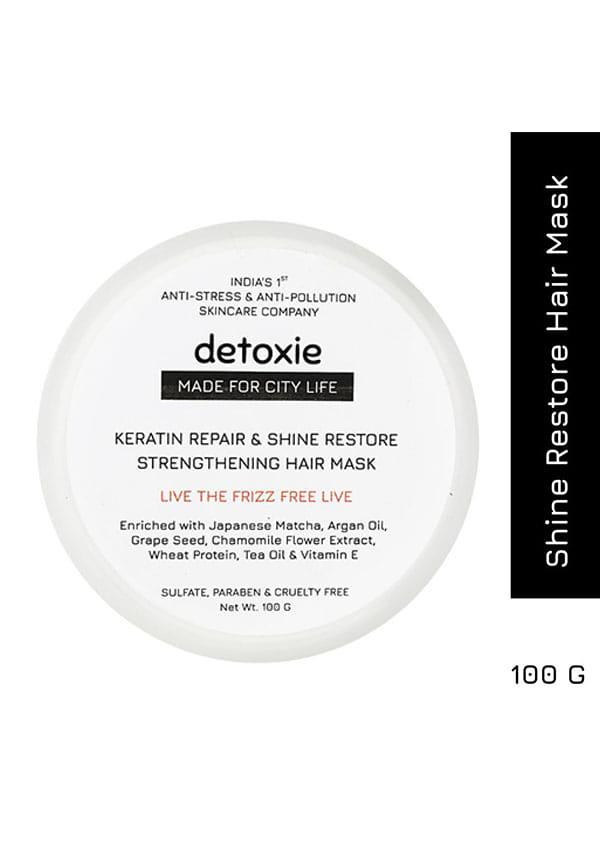
Keratin Repair & Shine Restore Strengthening Hair Mask
1. Strengthening Hair Mask with Protein Complex
These masks are your go-to for hair that breaks easily or feels weak. Look for formulas containing hydrolysed proteins that can penetrate the hair shaft. Apply to damp hair, focusing on mid-lengths and ends, and leave for 10-15 minutes. You'll notice stronger, more resilient hair after just a few uses.
2. Moisturising Hair Treatment for Dry, Brittle Hair
Perfect for hair that feels like it's constantly thirsty. These treatments are packed with nourishing oils and humectants. Apply generously to clean, damp hair and leave for 15-20 minutes. Your hair will feel noticeably softer and more manageable.
3. Keratin Hair Mask for Chemically Damaged Hair
If you've been through the bleach-and-tone cycle or love your chemical straightening treatments, this is your friend. Keratin masks help rebuild the hair's natural protein structure while adding shine and reducing frizz. Use weekly for best results.
4. Hair Mask for Split Ends with Bond Repair Technology
While you can't technically "repair" split ends (only scissors can do that), these masks can prevent further splitting and smooth existing damage. They work by reconnecting broken bonds in the hair shaft, making your hair stronger and less prone to future damage.
5. Rejuvenating Hair Mask for Colour-Treated Hair
Colour-treated hair has special needs—it's often more porous and prone to dryness. These masks are formulated to be gentle while providing intense moisture and colour protection. They often contain UV filters and antioxidants to prevent further colour fading.
6. Coconut Oil and Honey Deep Conditioning Treatment
Mix 2 tablespoons of coconut oil with 1 tablespoon of honey. Coconut oil penetrates the hair shaft better than most oils, while honey is a natural humectant. Apply to damp hair, cover with a shower cap, and leave for 30 minutes. Rinse thoroughly with lukewarm water.
7. Avocado and Egg Protein Mask for Breakage
Mash one ripe avocado with one egg yolk. Avocado provides healthy fats and vitamins, while egg yolk offers protein and lecithin for strength and shine. Apply to clean hair, leave for 20 minutes, then rinse with cool water to prevent the egg from cooking.
8. Banana and Olive Oil Moisturising Treatment
Blend one ripe banana with 2 tablespoons of olive oil until smooth. Bananas contain natural silicones and potassium that help smooth the hair cuticle, while olive oil provides deep moisture. Leave on for 15-20 minutes before washing out.
9. Yogurt and Aloe Vera Soothing Repair Mask
Combine 3 tablespoons of plain yogurt with 2 tablespoons of fresh aloe vera gel. This gentle treatment is perfect for sensitive scalps and provides protein from the yogurt plus soothing, moisturising benefits from aloe. Apply for 15 minutes before rinsing.
Not all damage is created equal, and your hair mask choice should reflect your specific concerns. If you're dealing with severe damage—think hair that breaks when wet, extreme dryness, or significant chemical processing—you'll need a more intensive approach. Look for masks that combine both protein and moisture, and consider alternating between the two types.
For colour-treated hair, gentleness is key. Harsh treatments can strip colour and cause further damage. Opt for sulfate-free formulas with colour-protecting ingredients. Fine hair needs lighter formulas that won't weigh it down, while thick, coarse hair can handle richer, more intensive treatments.
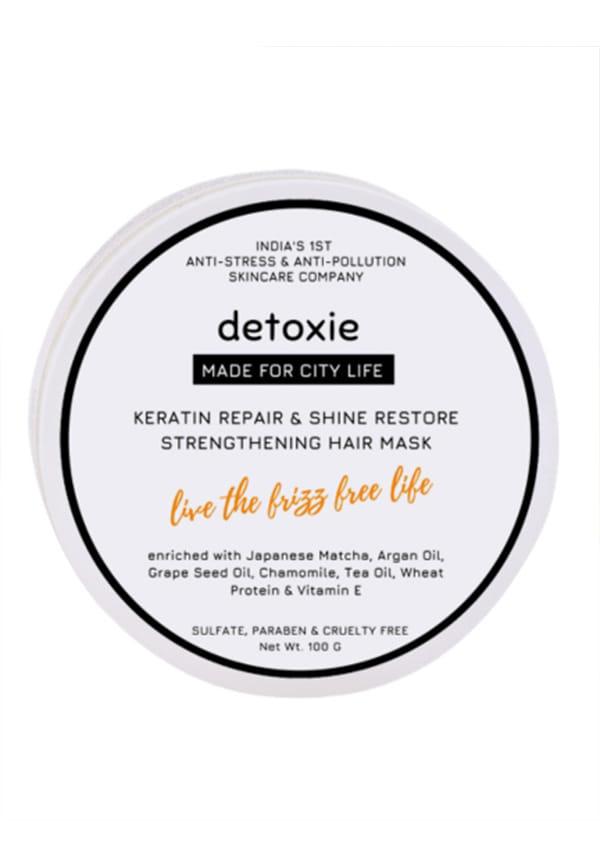
Keratin Repair & Shine Restore Strengthening Hair Mask
Pay attention to your hair's response. If it feels stiff after a protein treatment, switch to a moisturising hair treatment for your next session. If it feels limp and stretchy when wet, it needs more protein. Finding this balance is crucial for effective repair.
Getting the most out of your hair mask isn't just about the product—it's about technique. Start with freshly washed hair using a clarifying shampoo to remove any product buildup. This allows the mask to penetrate more effectively.
Section your hair into manageable parts and apply the mask from mid-lengths to ends, avoiding the roots unless specifically directed. Use a wide-tooth comb to distribute the product evenly. For most masks, 10-20 minutes is sufficient, but always follow the specific product instructions.
Heat can enhance penetration, so consider wrapping your hair in a warm towel or using a hair steamer if you have one. Just be careful not to overdo it—too much heat can actually cause more damage.
Don't apply masks to dirty hair—buildup prevents proper penetration. Avoid getting product on your scalp unless it's specifically designed for scalp treatment, as this can cause greasiness. Never leave protein treatments on longer than recommended, as this can make hair brittle and prone to breakage.
Consistency is everything when it comes to repairing damaged hair. For severely damaged hair, start with weekly treatments, alternating between protein and moisture-focused masks. As your hair improves, you can reduce frequency to every two weeks or monthly for maintenance.
Consider your lifestyle and styling habits too. If you heat style regularly, you might need more frequent treatments. During summer months, when sun exposure is higher, increase your moisturising treatments. In winter, when indoor heating can dry out hair, focus on hydrating masks.
Track your progress by taking photos and noting how your hair feels and behaves. This helps you adjust your routine and identify which treatments work best for your specific hair needs.
The best mask depends on your specific damage type. For chemically damaged hair, keratin-based masks work well. For heat damage, look for protein treatments. For general dryness and brittleness, moisturising masks with natural oils are ideal. The key is identifying whether your hair needs protein, moisture, or both.
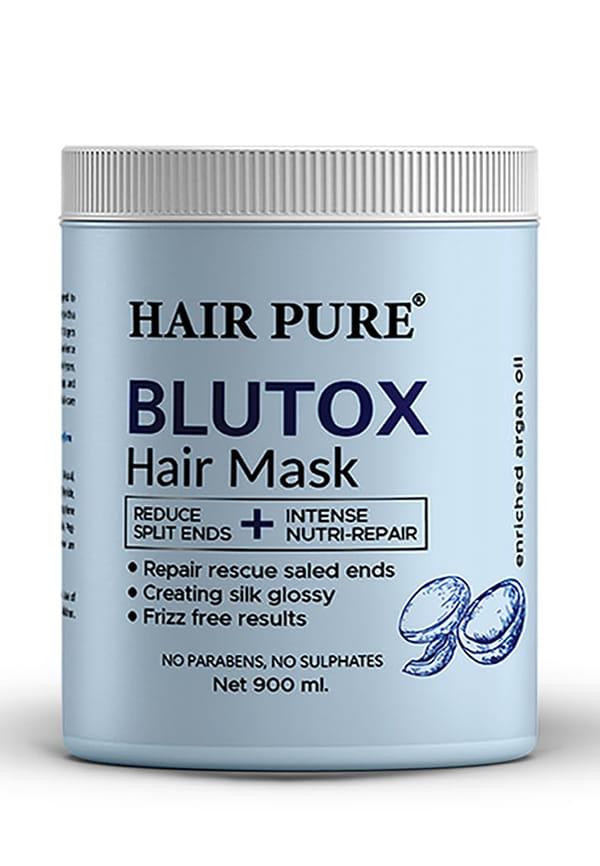
Blutox Hair Mask for Reduces Split Ends & Intense Nutri-Repair Treatment
Start with a good clarifying shampoo, then apply a suitable hair mask weekly. Reduce heat styling, use heat protectants when you do style, and sleep on silk pillowcases to reduce friction. Regular trims help prevent split ends from travelling up the hair shaft.
For severely damaged hair, look for masks that combine protein and moisture. Professional treatments with bond-building technology are particularly effective. Consider alternating between protein treatments and deep conditioning masks rather than trying to find one product that does everything.
Absolutely. Hair masks provide concentrated treatment that regular conditioners can't match. They penetrate deeper into the hair shaft and provide longer-lasting benefits. However, they're most effective as part of a comprehensive hair care routine, not as a standalone solution.
For damaged hair, start with weekly treatments. As your hair improves, you can reduce to bi-weekly or monthly applications. Over-treating can actually cause problems, so pay attention to how your hair responds and adjust accordingly.
Hair masks can significantly improve the appearance and feel of damaged hair, but they can't completely reverse all damage. They work by temporarily filling in gaps and smoothing the cuticle, which improves manageability and reduces further damage. For severe damage, regular trims combined with consistent treatment give the best results.
Transforming damaged hair doesn't happen overnight, but with the right approach and consistency, you can definitely see significant improvement. The key is understanding what type of damage you're dealing with and choosing treatments accordingly. Whether you go for professional formulas or DIY options, the most important thing is sticking with a routine that works for your hair.
Remember, healthy hair is a journey, not a destination. Be patient with the process and celebrate small improvements along the way. Your hair has been through a lot, and it deserves the time and care it takes to get back to its best self.
If you're not sure which approach might work best for your hair type, Smytten offers trial-size versions of many professional hair masks and treatments. It's a smart way to test different formulas before committing to full-size products, helping you find your perfect match without the guesswork.
