9 Natural Scalp Relief Treatments for Itchy Scalp

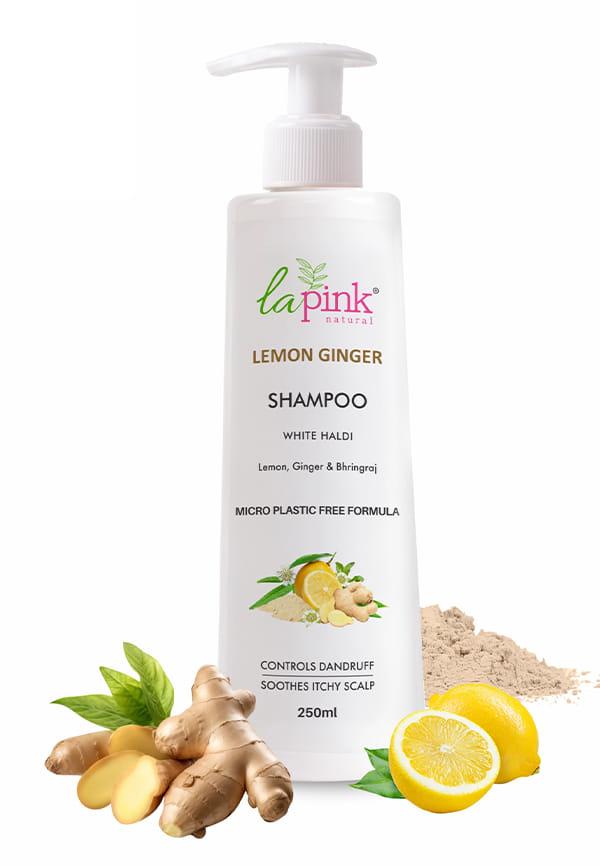
Lemon Ginger Shampoo with White Haldi to Control Dandruff & Soothe Itchy Scalp
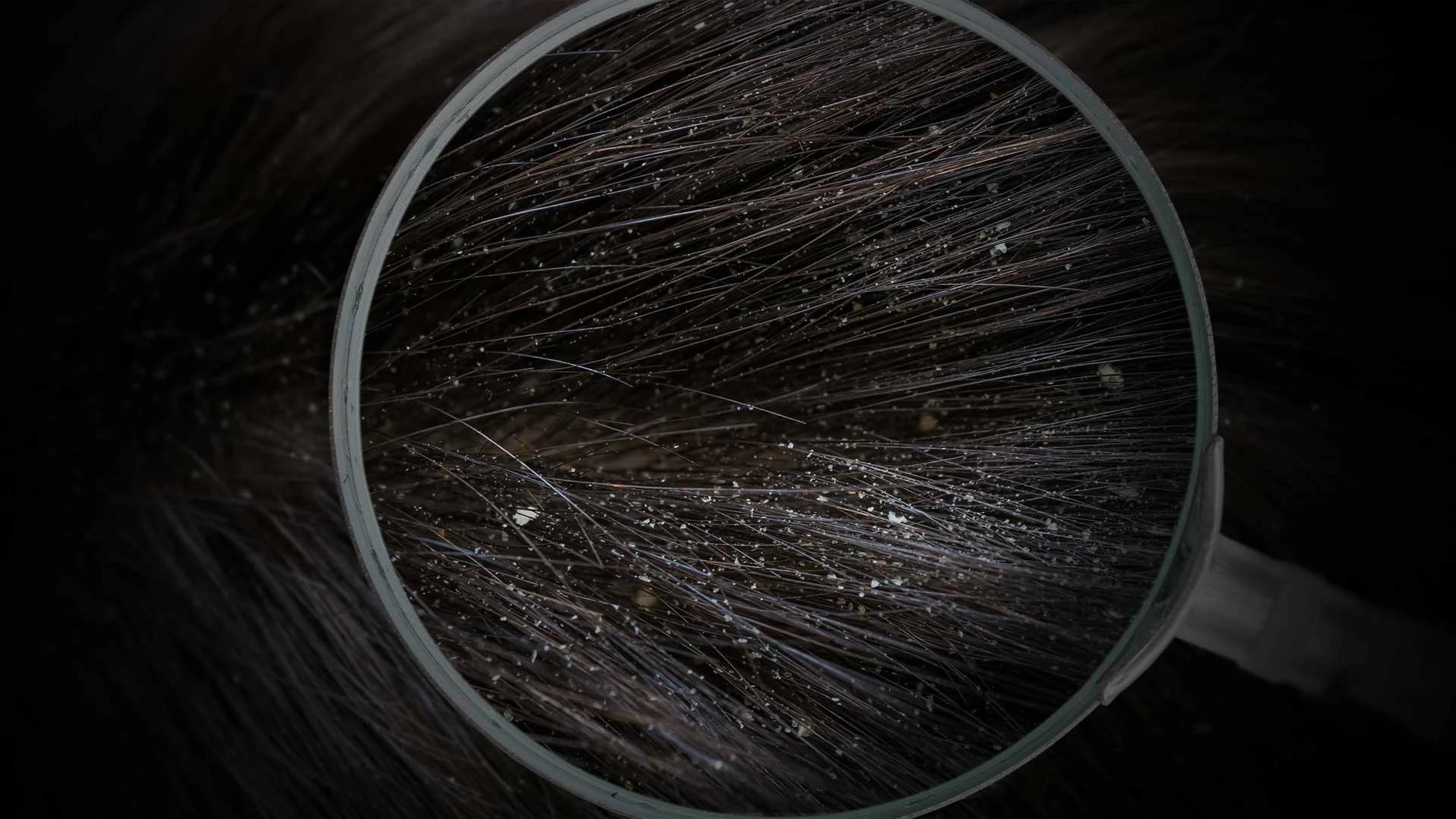
You know that moment when your scalp decides to throw a proper tantrum? The constant itching, the embarrassing scratching in public, the flakes that seem to appear out of nowhere. If you're nodding along, you're definitely not alone. Studies show that nearly 50% of adults experience scalp irritation at some point, and let's be real—it's one of those things that can completely throw off your confidence. Whether it's dryness from harsh weather, product buildup from that new shampoo you tried, or just your scalp being extra sensitive, the good news is there are natural ways to get things back on track. We're diving into nine tried-and-tested scalp relief treatments that actually work, using ingredients you probably already have at home.
Before we jump into solutions, let's talk about what's actually happening when your scalp starts acting up. That persistent itch isn't just annoying—it's your scalp's way of telling you something's off balance.
First things first: dry scalp and dandruff aren't the same thing, even though they both leave you scratching. Dry scalp happens when your skin lacks moisture, leading to small, white flakes and tightness. Dandruff, on the other hand, is usually caused by an overgrowth of yeast called Malassezia, creating larger, yellowish flakes that are often oily. Environmental factors like pollution, harsh weather, and even indoor heating can strip your scalp of its natural oils. Then there's product buildup—all those styling products, dry shampoos, and heavy conditioners can clog hair follicles and irritate sensitive skin. Some people also deal with underlying conditions like seborrheic dermatitis or psoriasis, which need a bit more attention.
While natural remedies work wonders for most scalp issues, there are times when you need to call in the professionals. If you're dealing with severe redness, bleeding, hair loss in patches, or symptoms that don't improve after a few weeks of consistent treatment, it's worth seeing a dermatologist. Chronic scalp conditions often need targeted treatment that goes beyond what you can do at home.
Now for the good stuff—natural itchy scalp remedies that actually deliver results. These treatments focus on restoring balance, reducing inflammation, and giving your scalp the TLC it deserves.
Apple cider vinegar is like a reset button for your scalp. It helps restore your scalp's natural pH balance while its antimicrobial properties tackle any bacterial or fungal overgrowth causing irritation. Mix one part ACV with three parts water, apply it to damp hair after shampooing, let it sit for 2-3 minutes, then rinse thoroughly. The smell might be a bit intense, but it fades once your hair dries. Use this treatment once or twice a week—any more and you might over-dry your scalp.
Coconut oil is brilliant for dry scalp solutions because it penetrates deeply and provides long-lasting moisture. Its anti-inflammatory properties also help calm irritated skin. Warm a few tablespoons of virgin coconut oil until it's liquid, massage it into your scalp using circular motions, and leave it on for at least 30 minutes (overnight if you can manage it). If you have fine or oily hair, focus mainly on the scalp and avoid the lengths to prevent weighing your hair down.
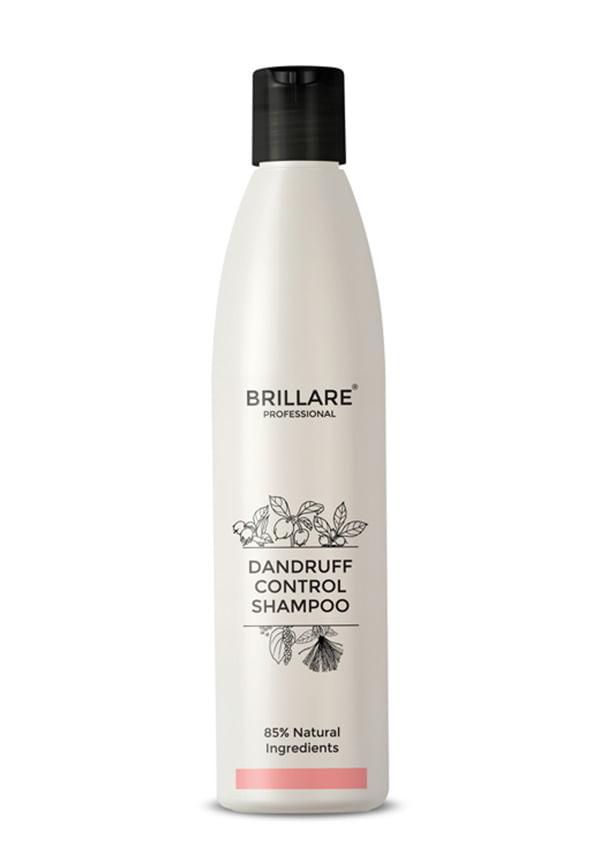
Dandruff Control Shampoo For Itchy, Flaky Scalp
Tea tree oil is a powerhouse when it comes to dandruff treatment. Its antifungal properties specifically target the yeast that causes dandruff, while also providing scalp irritation relief. Never use tea tree oil straight—it's too strong and can cause burns. Mix 5-10 drops with a carrier oil like jojoba or coconut oil, massage into your scalp, and leave for 15-20 minutes before washing out. You can also add a few drops to your regular shampoo.
Aloe vera is perfect for sensitive scalp care because it's incredibly gentle yet effective. The gel contains compounds that reduce inflammation and provide immediate cooling relief. Fresh aloe from the plant is ideal, but a good-quality, pure aloe gel works too. Apply it directly to your scalp, leave for 20-30 minutes, then rinse with cool water. It's so gentle you can use it daily if needed.
Oatmeal contains compounds called avenanthramides that have powerful anti-inflammatory properties. This makes it excellent for soothing scalp products alternatives when you want something completely natural. Grind half a cup of plain oats into a fine powder, mix with enough water to form a paste, and apply to your scalp. Leave for 15-20 minutes before rinsing. This treatment also supports hair follicle health by gently exfoliating and removing buildup.
Peppermint oil provides instant scalp irritation relief with its cooling menthol sensation. It also improves blood circulation to the scalp, which can promote healthier hair growth. Always dilute peppermint oil—it's potent stuff. Mix 3-5 drops with a tablespoon of carrier oil, massage into your scalp, and leave for 10-15 minutes. The tingling sensation is normal, but if it becomes uncomfortable, rinse immediately.
Witch hazel works as a natural anti-itch scalp treatment because of its astringent properties. It helps reduce inflammation and can provide quick relief from itching. Apply witch hazel to a cotton pad and dab it onto affected areas of your scalp. You can use this daily, but if you notice any dryness, reduce the frequency. It's particularly good for oily scalps that are prone to irritation.
Baking soda gently exfoliates your scalp, removing dead skin cells and product buildup that can cause irritation. Mix two tablespoons of baking soda with enough water to form a paste, gently massage into your scalp using circular motions, then rinse thoroughly. Use this treatment only once a week maximum—baking soda can be drying if overused, and you don't want to disrupt your scalp's natural barrier.
This combination is brilliant for overall scalp health and can even support hair growth treatments. Honey has antimicrobial properties, while yogurt contains probiotics that help maintain a healthy scalp microbiome. Mix two tablespoons of raw honey with half a cup of plain yogurt, apply to your scalp, and leave for 20-30 minutes. The probiotics in yogurt help balance the good bacteria on your scalp, while honey provides moisture and fights harmful microorganisms.
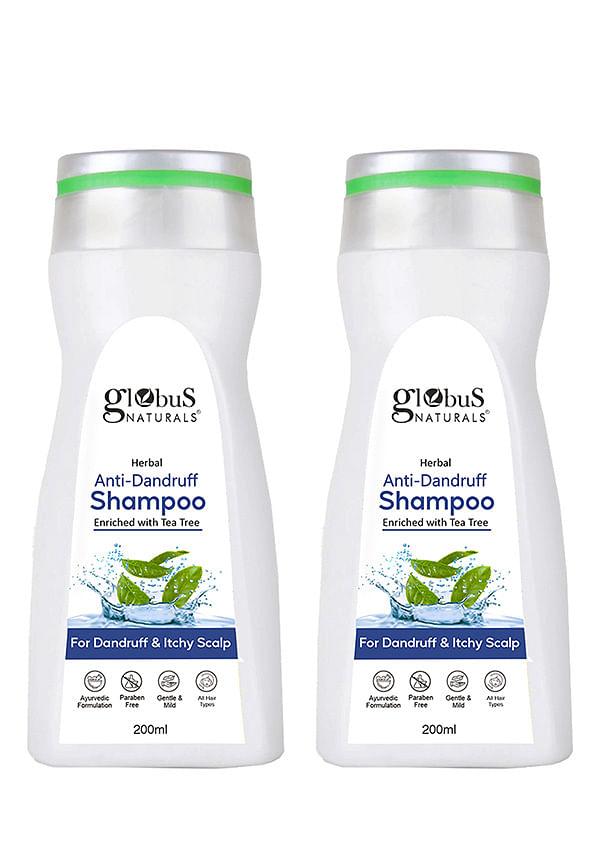
Anti Dandruff Shampoo, For Dandruff and Itchy Scalp
Not all scalp treatments work the same for everyone, so it's important to match your remedy to your specific scalp type and concerns.
Your scalp type determines which treatments will work best. If your scalp feels tight and you see small, dry flakes, you likely have a dry scalp that needs moisture-rich treatments like coconut oil or aloe vera. Oily scalps that get greasy quickly might benefit more from astringent treatments like witch hazel or apple cider vinegar. Sensitive scalps need gentler approaches—stick to aloe vera, oatmeal, or diluted essential oils.
Always patch test new treatments, especially essential oils. Apply a small amount to your inner wrist, wait 24 hours, and check for any reaction. When using essential oils, never exceed the recommended dilution ratios—more isn't better, it's just more likely to cause irritation. If you experience burning, severe redness, or increased itching, stop the treatment immediately.
Consistency is key when it comes to scalp health. Building a routine that works for your lifestyle and scalp type will give you the best long-term results.
Gentle daily care makes a huge difference. Use lukewarm water instead of hot when washing your hair—hot water strips natural oils and can worsen irritation. Choose sulphate-free shampoos that won't over-dry your scalp, and always read ingredient lists to avoid known irritants. If you have a sensitive scalp, wash every other day rather than daily to give your scalp time to restore its natural balance.
Rotate your natural treatments to avoid overloading your scalp. You might use a coconut oil treatment on Sunday, an apple cider vinegar rinse on Wednesday, and an aloe vera mask on Friday. Keep a simple diary of what you use and how your scalp responds—this helps you identify what works best and spot any patterns in irritation.
Natural remedies are fantastic for mild to moderate scalp issues and ongoing maintenance, but they work best as part of a broader approach to scalp health.
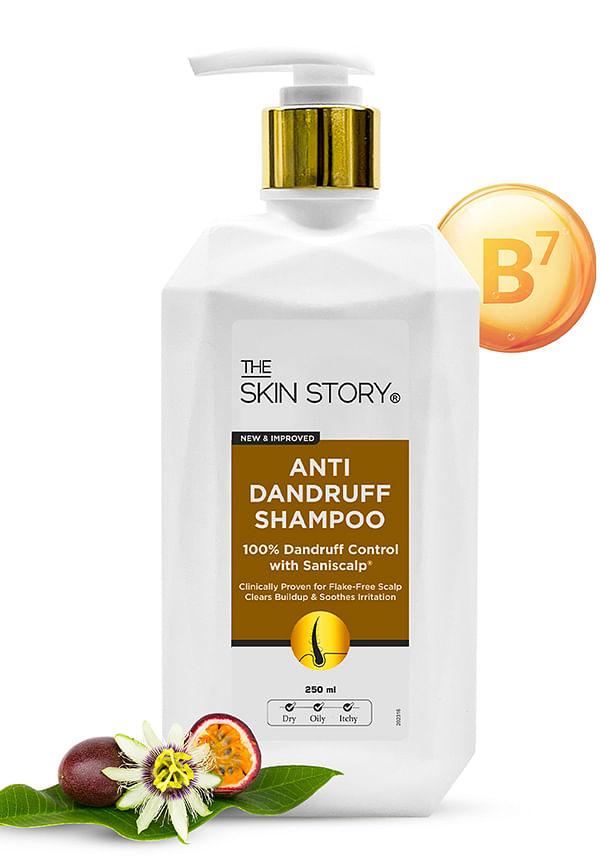
Anti Dandruff Shampoo For Oily Dry Itchy Scalp With Saniscalp
Natural scalp remedies are most effective for everyday irritation, seasonal dryness, and product-related sensitivity. They're also brilliant for prevention—using gentle, natural treatments regularly can help you avoid more serious scalp issues down the line. Plus, they're cost-effective and you have complete control over what goes on your scalp.
If you're using prescription treatments for conditions like seborrheic dermatitis, natural remedies can complement your medical care beautifully. Just check with your dermatologist first to make sure there are no conflicts. Some ingredients might interact with medications or interfere with prescribed treatments.
Most people notice some improvement within a week of consistent use, but it can take 4-6 weeks to see significant changes. Your scalp needs time to heal and restore its natural balance, so patience is key. Some treatments like aloe vera provide immediate soothing relief, while others like coconut oil work more gradually to address underlying dryness.
It's better to introduce one treatment at a time so you can see what's actually working. Once you know how your scalp responds to individual treatments, you can start combining them. For example, you might use a coconut oil treatment one day and an apple cider vinegar rinse a few days later. Just avoid using multiple active ingredients on the same day.
Most natural treatments are gentler on coloured hair than harsh chemical products. However, apple cider vinegar and baking soda can potentially fade colour if used too frequently. Coconut oil, aloe vera, and honey are generally safe for coloured hair and might even help maintain colour by keeping your hair healthy.
Stop the treatment immediately and rinse your scalp thoroughly with cool water. Some people are sensitive to certain natural ingredients, just like they might be to synthetic ones. If irritation persists for more than a day or two, see a healthcare provider. It's also worth reviewing your technique—sometimes it's not the ingredient but how you're using it.
A healthy scalp is essential for optimal hair growth, so treating scalp issues can indirectly support hair growth treatments. Ingredients like peppermint oil and coconut oil specifically improve circulation and hair follicle health. However, if you're dealing with significant hair loss, it's worth seeing a specialist to rule out underlying conditions.
Natural scalp relief treatments offer a gentle, effective way to address common scalp concerns without harsh chemicals or expensive salon visits. The key is finding what works for your specific scalp type and sticking with it consistently. Remember that healing takes time—your scalp didn't become irritated overnight, and it won't heal overnight either. Start with the gentlest treatments like aloe vera or oatmeal, and gradually introduce stronger options like essential oils if needed. Most importantly, listen to your scalp and adjust your routine based on how it responds. Not sure which products might work best for your specific scalp concerns? Smytten offers trial-size versions of many scalp care products from trusted brands—a smart way to test what works before committing to full-size bottles.
