9 Monsoon Scalp Treatments for Healthy Hair
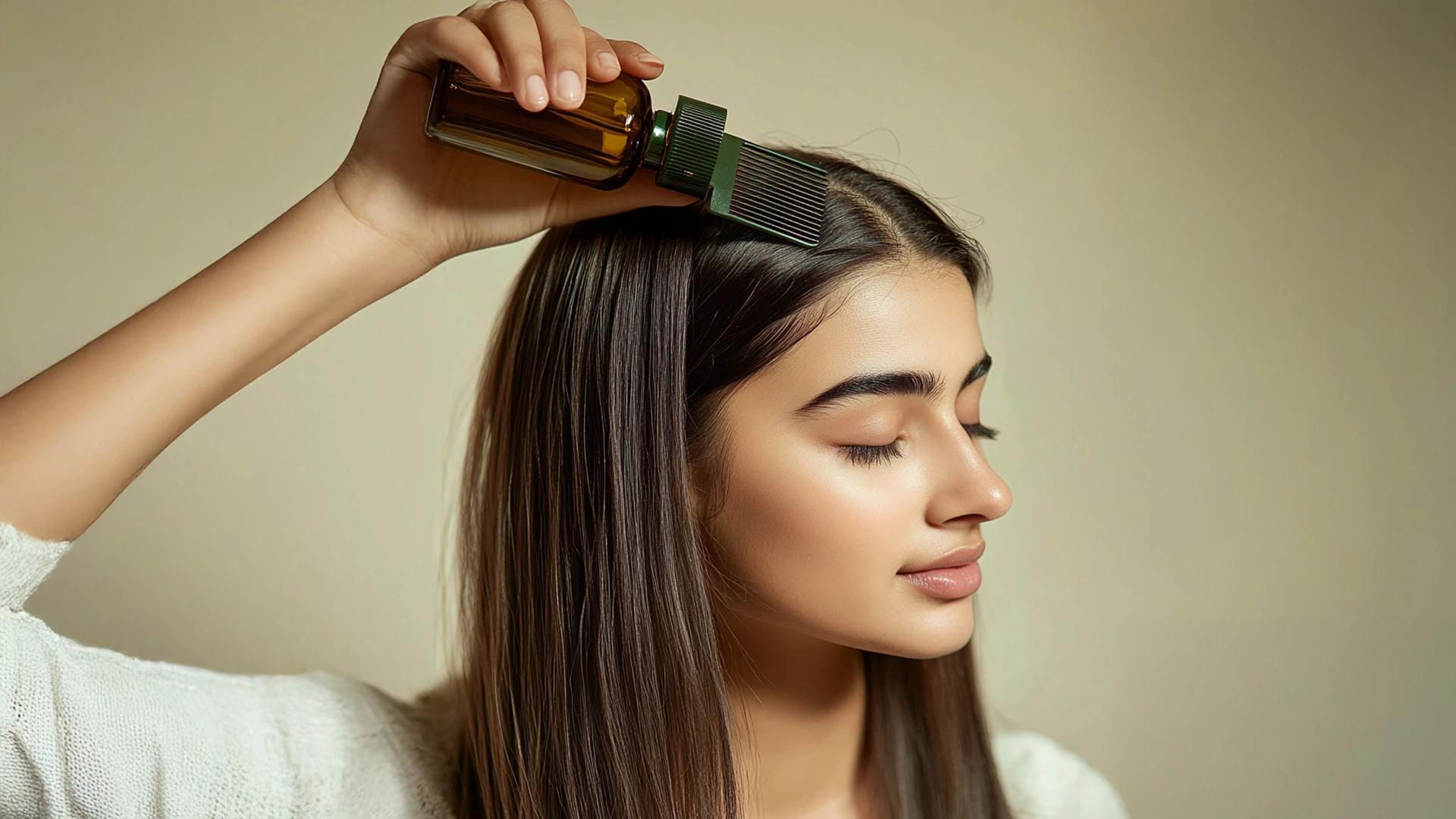

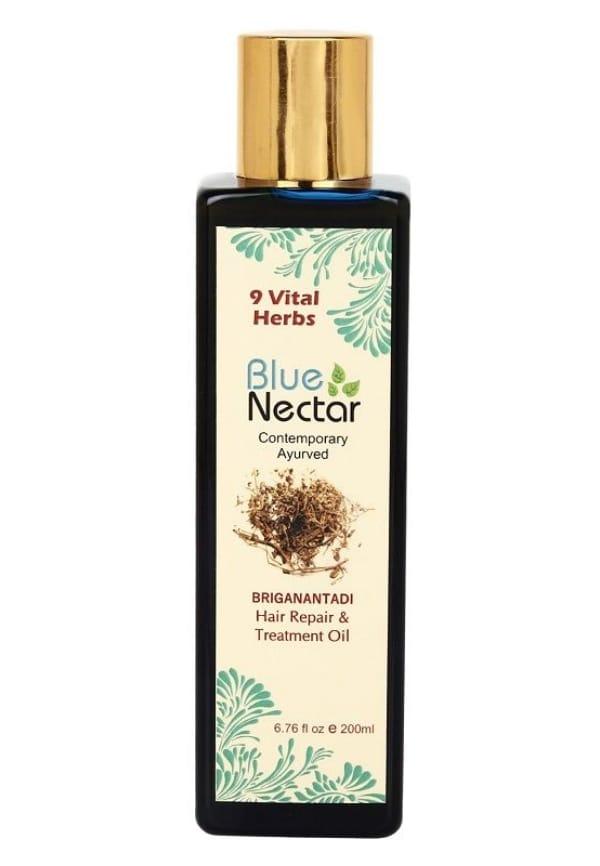
Briganantadi Hair Repair & Treatment Hair Oil 9 Herbs
Picture this: you've just stepped out of the house with perfectly styled hair, only to get caught in an unexpected downpour. By the time you reach your destination, your scalp feels sticky, your hair looks limp, and you're already dreading the next few days of dealing with an itchy, problematic scalp. Sound familiar? The monsoon season brings its own set of challenges for our hair and scalp health, turning what should be a refreshing time of year into a period of constant hair woes.
Let's be real—monsoon weather is basically a perfect storm for scalp problems. The combination of high humidity, fluctuating temperatures, and increased moisture creates an environment where bacteria and fungi absolutely thrive. Your scalp's natural pH balance gets disrupted, leading to everything from excessive oiliness to stubborn dandruff.
During the rainy season, humidity levels can spike up to 90%, which means your scalp produces more sebum to compensate for the moisture in the air. This excess oil, combined with environmental pollutants and sweat, creates a breeding ground for scalp issues. Hair problems in rainy season aren't just about bad hair days—they're about genuine scalp health concerns that need proper attention.
Research shows that up to 30% more people experience hair fall during monsoons compared to other seasons. The constant dampness weakens hair follicles, whilst the increased fungal activity can lead to conditions like seborrheic dermatitis. Your scalp health monsoon routine needs to address these specific challenges, not just general hair care.
Ready to tackle those monsoon scalp woes head-on? These nine treatments target the most common issues you'll face during the rainy season, from fungal infections to excessive oiliness. Each treatment addresses specific concerns whilst being gentle enough for regular use.
Tea tree oil is your best friend when it comes to fighting fungal infection scalp monsoon issues. Its natural antifungal and antibacterial properties make it incredibly effective against the microorganisms that love to party on your damp scalp. Mix 5-6 drops of tea tree oil with 2 tablespoons of coconut oil, massage gently into your scalp, and leave for 30 minutes before washing. This itchy scalp remedies monsoon solution works by creating an environment where harmful bacteria simply can't survive.
Fresh aloe vera gel is like a cooling drink for your irritated scalp. Extract gel from a fresh aloe leaf and apply directly to your scalp, focusing on itchy or inflamed areas. The natural enzymes in aloe vera help restore your scalp's pH balance whilst providing instant relief from monsoon-induced irritation. Leave it on for 20 minutes before rinsing with lukewarm water.
Neem has been used for centuries as a natural remedy for scalp issues, and it's particularly effective for dandruff treatment monsoon concerns. Boil a handful of neem leaves in water, strain the liquid, and use it as a final rinse after shampooing. The bitter compounds in neem, called limonoids, have powerful antifungal properties that target the root cause of dandruff.
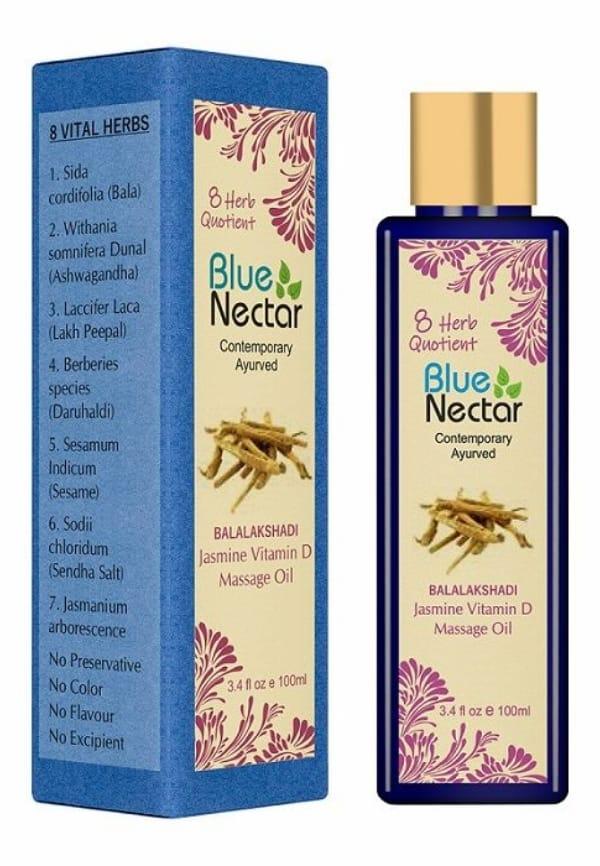
Briganantadi Hair Repair & Treatment Hair Oil 9 Herbs
When dealing with oily scalp solutions monsoon problems, lemon juice is your go-to ingredient. Its natural acidity helps balance your scalp's pH whilst cutting through excess oil buildup. Mix the juice of one lemon with equal parts water and massage into your scalp 15 minutes before shampooing. The citric acid also helps remove product buildup that tends to accumulate more during humid weather.
Apple cider vinegar is brilliant for scalp care during monsoon because it creates an acidic environment that harmful microorganisms hate. Mix 2 tablespoons of ACV with 1 cup of water and use as a final rinse after shampooing. This treatment helps restore your scalp's natural pH, reduces inflammation, and adds shine to your hair whilst controlling excess oil production.
Coconut oil isn't just moisturising—it's also naturally antimicrobial, making it perfect for hair fall control monsoon treatments. Warm 2-3 tablespoons of virgin coconut oil and massage into your scalp and hair. The lauric acid in coconut oil penetrates the hair shaft, strengthening it from within whilst creating a protective barrier against environmental damage.
Fenugreek seeds are packed with proteins and lecithin that strengthen hair follicles and combat dandruff. Soak 2 tablespoons of fenugreek seeds overnight, grind into a paste, and apply to your scalp. This treatment works as both dandruff treatment monsoon solution and hair fall control monsoon remedy, thanks to its hormone-balancing properties.
Green tea is loaded with antioxidants that promote scalp health monsoon recovery. Brew 2 cups of strong green tea, let it cool, and use as a final rinse. The catechins in green tea help reduce inflammation and may even block DHT, a hormone linked to hair loss. Plus, it leaves your hair smelling fresh and clean.
Sometimes, home remedies aren't enough, and that's when professional monsoon scalp treatments come in. Salon scalp detox therapies use specialised equipment and products to deep-clean your scalp, removing buildup and treating underlying conditions. Consider this option if you're dealing with persistent fungal infections or severe hair fall that doesn't respond to home treatments.
Prevention is always better than cure, especially when it comes to hair problems in rainy season. The key is understanding what triggers these issues and taking proactive steps to avoid them. Monsoon hair care tips aren't just about treatment—they're about creating a routine that prevents problems before they start.
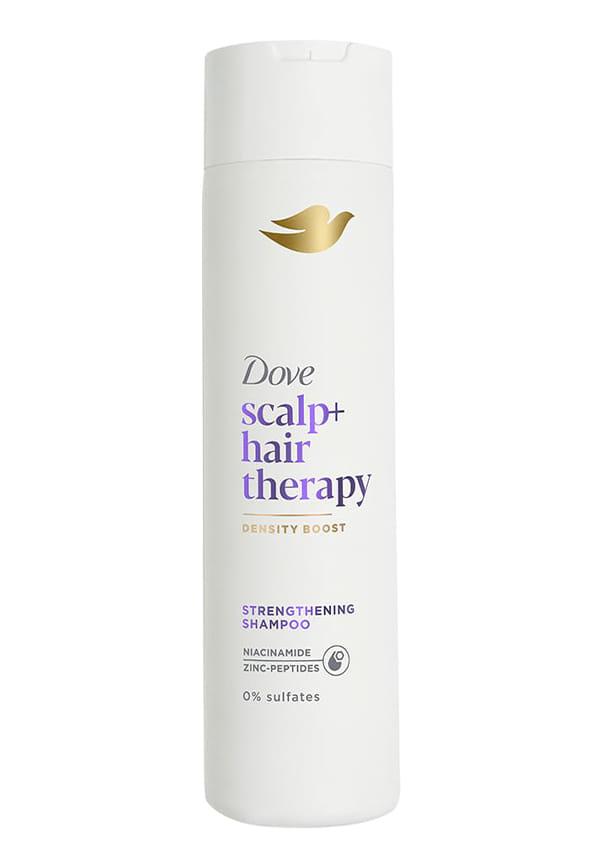
Dove Scalp+Hair Therapy Sulphate Free Density Boost Strengthening Shampoo
Hair fall control monsoon strategies start with understanding what's normal. Losing 50-100 hairs per day is completely normal, but if you're noticing clumps in your brush or significant thinning, it's time to take action. Focus on gentle handling, avoid tight hairstyles, and ensure you're getting enough protein in your diet. Iron deficiency is particularly common during monsoons due to reduced sunlight and vitamin D absorption.
Oily scalp solutions monsoon routines require a delicate balance. Over-washing can actually trigger more oil production, whilst under-washing leads to buildup. Aim for washing every other day with a gentle, sulfate-free shampoo. Use dry shampoo on non-wash days to absorb excess oil, and avoid heavy styling products that can weigh your hair down.
Fungal infection scalp monsoon prevention is all about keeping your scalp dry and clean. Change out of wet clothes immediately, use antifungal shampoos containing ketoconazole or selenium sulfide, and avoid sharing hair accessories. If you notice persistent itching, flaking, or unusual odours, consult a dermatologist promptly.
Hair hygiene monsoon routines need to be more stringent than your regular hair care. The increased humidity and moisture mean that bacteria and fungi can multiply rapidly, so maintaining cleanliness becomes crucial. Start with washing your hair 2-3 times per week—more if you have an oily scalp, less if your hair is naturally dry.
Proper drying is absolutely essential during monsoon season. Never sleep with damp hair, as this creates the perfect environment for fungal growth. Use a microfibre towel to gently squeeze out excess water, then air dry as much as possible before using a blow dryer on a cool setting. Keep your hair accessories clean and avoid sharing them with others.
Monsoon hair care tips also include protecting your hair from rain. Carry a silk scarf or umbrella, and if you do get caught in the rain, rinse your hair with clean water as soon as possible to remove pollutants and bacteria. Change your pillowcase more frequently during monsoon season, as it can harbour moisture and bacteria.
Your scalp health monsoon routine isn't complete without addressing internal factors. During the rainy season, your body's vitamin D production decreases due to limited sunlight, which can affect hair growth. Include vitamin D-rich foods like fatty fish, eggs, and fortified cereals in your diet.
Protein is crucial for hair strength, especially during monsoons when hair fall tends to increase. Include lean meats, legumes, nuts, and seeds in your meals. Zinc and iron are particularly important—deficiencies in these minerals can worsen monsoon-related hair problems. Stay hydrated, but avoid excessive caffeine and alcohol, which can dehydrate your body and affect scalp health.
Stress management is often overlooked but incredibly important. The gloomy weather and increased hair problems can create a cycle of stress that worsens hair fall. Practice relaxation techniques, maintain a regular sleep schedule, and don't obsess over daily hair fall—some increase is normal during monsoons.

Rosemary & Yuzu Lemon Anti Dandruff Scalp Conditioning Treatment
The ideal frequency depends on your scalp type. If you have an oily scalp, washing every other day or even daily might be necessary during peak monsoon season. For normal to dry scalps, 2-3 times per week is usually sufficient. The key is to keep your scalp clean without over-stripping natural oils, which can trigger more oil production.
Monsoon-related hair problems are typically temporary and reversible with proper care. However, neglecting scalp health during this season can lead to prolonged issues. Persistent fungal infections or severe hair fall should be addressed promptly to prevent long-term damage. Most people see improvement within 4-6 weeks of starting a proper monsoon hair care routine.
Both natural remedies and commercial products have their place in monsoon scalp care. Natural treatments like tea tree oil and neem are excellent for mild to moderate issues and have fewer side effects. However, severe fungal infections or persistent dandruff might require medicated shampoos with active ingredients like ketoconazole or selenium sulfide. The best approach often combines both natural and commercial solutions.
Increased humidity creates ideal conditions for fungal and bacterial growth on your scalp, leading to irritation and itching. Additionally, the constant dampness can disrupt your scalp's natural pH balance, making it more sensitive. Sweat and oil buildup, combined with environmental pollutants that stick to damp hair, can also trigger itching and inflammation.
Most people notice some improvement within 1-2 weeks of consistent treatment. However, complete resolution of issues like dandruff or excessive hair fall can take 4-8 weeks. The key is consistency—sporadic treatment won't give you the results you're looking for. If you don't see any improvement after 4 weeks of diligent care, consider consulting a dermatologist.
Monsoon scalp treatments don't have to be complicated or expensive to be effective. The key is understanding your specific scalp concerns and addressing them with targeted solutions. Whether you're dealing with dandruff, hair fall, or general scalp irritation, consistency in your routine will give you the best results.
Remember that scalp care during monsoon is about more than just the products you use—it's about creating a holistic approach that includes proper hygiene, nutrition, and lifestyle habits. Don't get discouraged if you don't see immediate results; your scalp needs time to adjust and heal.
If you're looking to experiment with different scalp care products without committing to full-size purchases, Smytten's curated selection includes trial-size versions of many scalp treatments from trusted brands. It's a smart way to find what works for your specific monsoon scalp concerns before investing in larger quantities.
