9 Monsoon Hair Care Tips for Healthy Strands


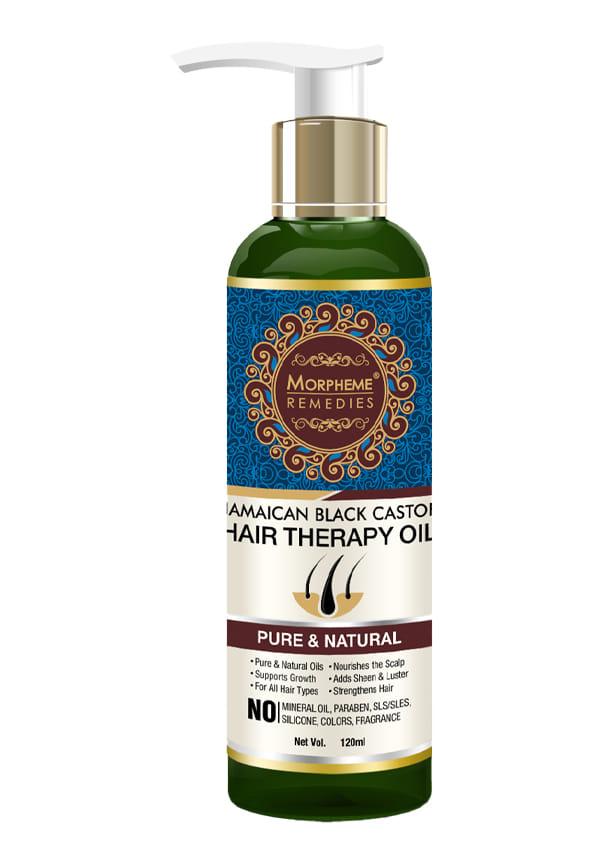
Morpheme Remedies Jamaican Black Castor Hair Therapy Oil - No Mineral Oil & Silicones
Monsoon season brings relief from scorching heat, but your hair might not be celebrating as much as you are. The sudden spike in humidity can turn your gorgeous locks into a frizzy, unmanageable mess faster than you can say "rainy day." From unexpected hair fall to stubborn dandruff, monsoon hair problems are real and they're frustrating. But here's the thing—you don't have to surrender to bad hair days just because the weather's acting up. With the right monsoon hair care tips, you can keep your strands healthy, bouncy, and absolutely gorgeous throughout the rainy season. Whether you're dealing with oily roots, dry ends, or that dreaded frizz that seems impossible to tame, we've got your back. At Smytten, we understand that finding the perfect haircare routine shouldn't be a guessing game, which is why we're sharing these tried-and-tested strategies that actually work. Let's dive into the essential monsoon hair care tips that'll have you loving your hair, rain or shine.
Monsoon humidity causes frizz, hair fall, and scalp infections due to increased moisture and atmospheric pressure changes
Gentle cleansing with sulfate-free shampoos and strategic conditioning helps combat monsoon hair problems
Natural remedies like DIY masks and proper drying techniques prevent damage without harsh chemicals
Regular scalp care and nutrition support healthy hair growth during humid weather
Avoiding common mistakes like over-washing and heat styling protects hair from monsoon damage
Let's be real—monsoon weather is basically your hair's worst enemy. When humidity levels shoot up to 80% or higher, your hair cuticles start acting like tiny sponges, absorbing moisture from the air and swelling up. This is what creates that frustrating frizz that no amount of brushing seems to fix.
The science behind monsoon hair problems is actually quite fascinating. High humidity disrupts the hydrogen bonds in your hair shaft, causing the cuticle layer to lift and create an uneven surface. This not only leads to frizz but also makes your hair more vulnerable to breakage and tangling. Add to this the atmospheric pressure changes during monsoons, and you've got a recipe for hair chaos.
Hair care during rainy season becomes tricky because of several interconnected issues. Your scalp produces more oil to combat the humidity, leading to greasy roots while your ends might still feel dry. This imbalance creates the perfect environment for scalp infections and dandruff to thrive.
Hair fall also tends to increase during monsoons due to weakened hair follicles and increased scalp sensitivity. The constant moisture exposure can make your hair shaft swell and contract repeatedly, leading to structural damage and eventual breakage.
Now that we understand why monsoon wreaks havoc on our hair, let's tackle these challenges head-on with practical solutions that actually work. These tips are designed to address every major monsoon hair concern while keeping your routine simple and effective.
Oily hair monsoon care starts with getting your cleansing routine right. During humid weather, your scalp tends to produce excess sebum, making you want to wash your hair more frequently. However, over-washing can strip your scalp of natural oils, triggering even more oil production.
Switch to a sulfate-free shampoo that cleanses without being harsh. For oily hair, washing every alternate day works best, while those with dry hair should stick to 2-3 times a week. Always focus the shampoo on your scalp and roots, letting the suds naturally cleanse your lengths as you rinse.
Frizzy hair solutions monsoon requires a smart conditioning approach. Apply conditioner only from mid-length to ends, avoiding the roots to prevent weighing down your hair. Leave-in conditioners work brilliantly during monsoons as they create a protective barrier against humidity.
For dry hair monsoon tips, consider using a deep conditioning mask once a week. Look for ingredients like argan oil, shea butter, or keratin that help seal the hair cuticle and lock in moisture while keeping frizz at bay.
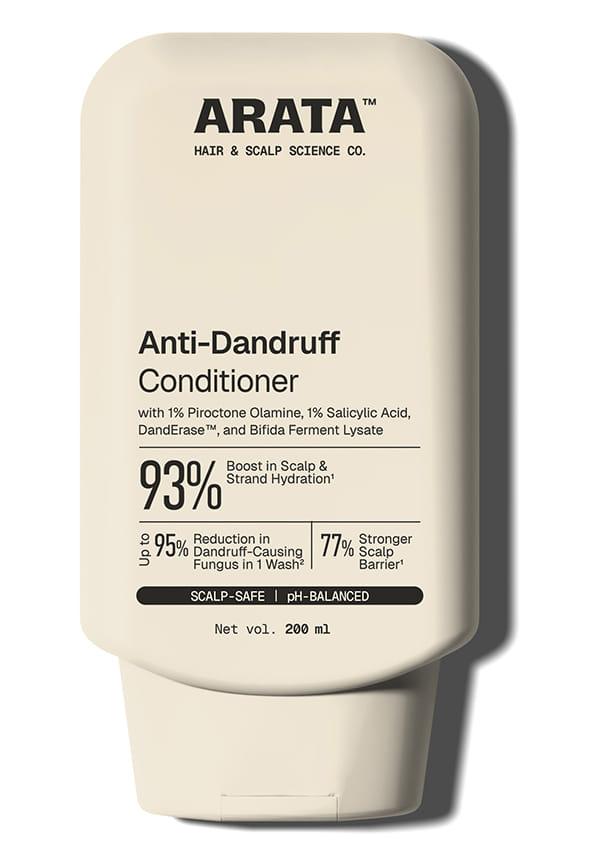
Anti-Dandruff Conditioner | Hydrates Scalp & Strands | Reduces Dandruff | Extends Antifungal Action | Soft Hair | Piroctone Olamine, Salicylic Acid,
Good Quality, Affordable
 5
5“good product ,good Quality,affordable cost”
Effective for Oily Scalp
5“very good and effective..best for oily scalp”
Hair fall control in monsoon requires addressing both internal and external factors. Scalp massages with oils like coconut, castor, or rosemary can improve blood circulation and strengthen hair follicles. Spend 5-10 minutes massaging your scalp before shampooing.
Include protein-rich treatments in your routine to strengthen hair strands. Egg masks, yoghurt treatments, or protein-infused serums can help rebuild damaged hair structure and reduce breakage significantly.
Preventing dandruff in monsoon becomes crucial as the humid environment promotes fungal growth. Tea tree oil, neem, and apple cider vinegar are excellent natural antifungal ingredients that can keep your scalp healthy.
Create a simple anti-dandruff rinse by mixing 2 tablespoons of apple cider vinegar in a cup of water. Use this as a final rinse after shampooing to maintain your scalp's pH balance and prevent flake formation.
Drying your hair properly during monsoons is absolutely essential to prevent scalp infections monsoon. Never sleep with wet hair as it creates a breeding ground for bacteria and fungi. Instead, use a microfiber towel to gently squeeze out excess water without causing friction damage.
Improve air circulation in your room with fans or dehumidifiers to speed up natural drying. If you must use a blow dryer, keep it on the cool setting and maintain at least 6 inches distance from your hair.
Anti-humidity products become your best friends during monsoon. Look for serums or creams containing silicones like dimethicone that create a protective coating around your hair shaft. Apply these products to damp hair for maximum effectiveness.
Protective hairstyles like braids, buns, or ponytails can also shield your hair from humidity while looking chic. Just make sure not to tie your hair too tightly to avoid breakage.
Your scalp health directly impacts your hair quality, especially during monsoons. Watch out for signs like excessive itching, redness, or unusual odour that might indicate scalp infections. Regular exfoliation with a gentle scalp scrub can remove dead skin cells and product buildup.
Natural antimicrobial treatments using ingredients like turmeric, neem, or aloe vera can keep your scalp clean and infection-free. Apply these treatments once a week for best results.
Hair strengthening monsoon care isn't just about external treatments—what you eat matters too. Include biotin-rich foods like eggs, nuts, and leafy greens in your diet. Vitamin C helps with iron absorption, which is crucial for healthy hair growth.
Stay hydrated by drinking plenty of water and herbal teas. Proper hydration helps maintain your scalp's natural moisture balance and supports healthy hair growth from within.
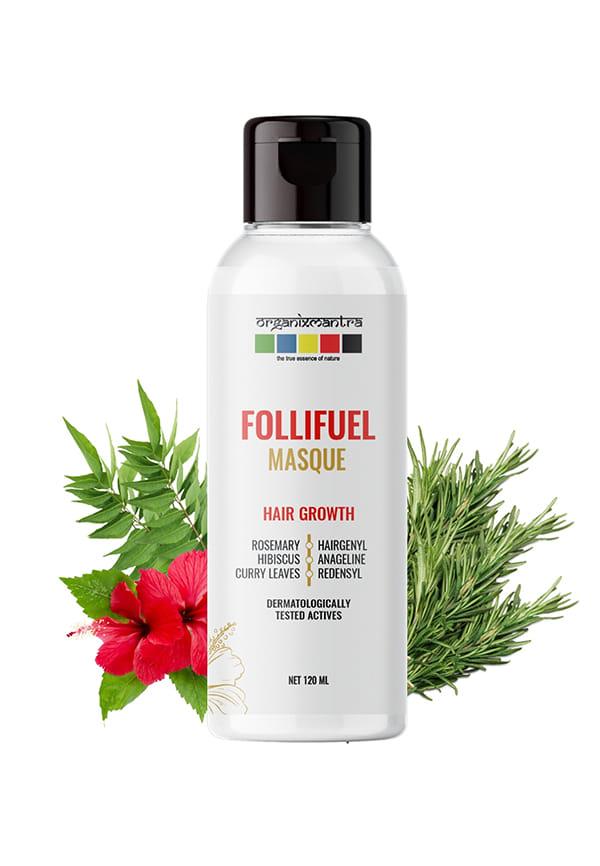
FolliFuel Hair Masque with Hairgenyl, Anageline, Rosemary Oil, Curry Leaves & Hibiscus
Sometimes monsoon weather catches you off guard, and you need quick fixes. Keep a small bottle of diluted leave-in conditioner in your bag for instant frizz control. Dry shampoo can absorb excess oil and add volume when your hair feels flat.
For emergency styling, try the "pineapple" method—gather your hair loosely at the very top of your head to preserve curls and prevent flattening while protecting your style from humidity.
Natural monsoon hair remedies can be incredibly effective when used consistently. These DIY treatments use ingredients you probably already have in your kitchen, making them both affordable and accessible.
A weekly hair mask made with 2 tablespoons of yoghurt, 1 tablespoon of honey, and a few drops of lemon juice can help balance your scalp's pH while providing deep conditioning. The lactic acid in yoghurt gently exfoliates, while honey adds moisture and lemon helps control excess oil.
Create a consistent routine by dedicating specific days to different treatments. Mondays for protein masks, Wednesdays for oil treatments, and Fridays for deep conditioning work well for most people.
Always do a patch test before trying new ingredients, especially if you have sensitive skin. Apply a small amount behind your ear and wait 24 hours to check for any adverse reactions.
Even with the best intentions, it's easy to make mistakes that can worsen monsoon hair problems. Over-washing is probably the most common error—while your hair might feel greasy, washing it daily can actually make the problem worse by stripping natural oils.
Another major mistake is using heavy oils or products during humid weather. While oils can be beneficial, using too much or choosing the wrong type can weigh your hair down and attract more moisture from the air. Stick to lightweight oils like argan or jojoba, and use them sparingly.
Using heat styling tools during monsoons is like fighting fire with fire—it rarely ends well. The combination of heat damage and humidity exposure can leave your hair severely dehydrated and prone to breakage.
If you absolutely must use heat tools, always apply a heat protectant and keep the temperature below 180°C. Better yet, embrace air-drying and heat-free styling methods during the rainy season.
While DIY treatments are fantastic for maintenance, sometimes professional intervention becomes necessary. If you're experiencing severe hair fall, persistent scalp infections, or significant damage, it might be time to consult a trichologist or dermatologist.
Professional treatments like keratin smoothing or deep protein treatments can provide longer-lasting results, especially for severely damaged hair. However, these should complement, not replace, your regular at-home care routine.
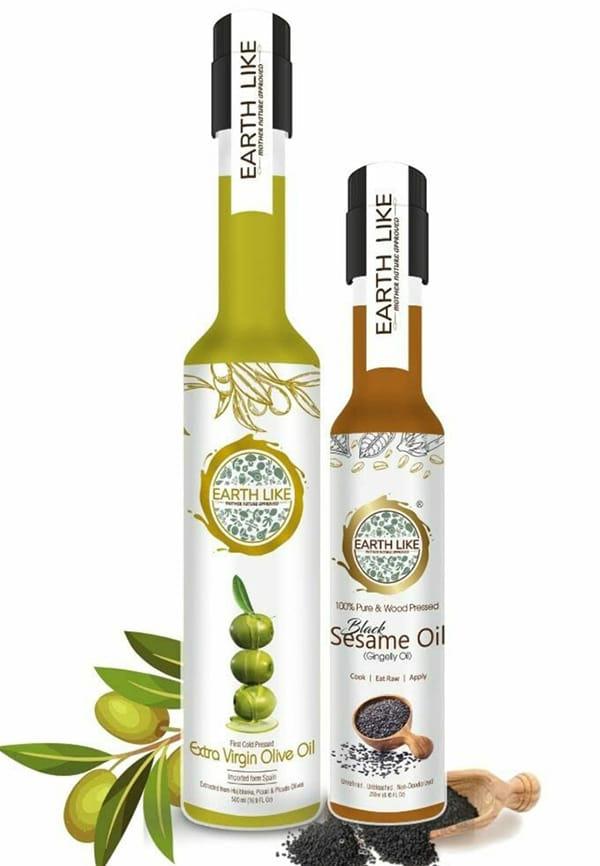
Olive Oil & Cold Pressed Black Sesame Oil Combo for Hair, Skin & Massage
Good Product, Best from Smytten
5“good one.... best product from smytten application”
Good Product, Best from Smytten
5“good one.... best product from smytten application”
Red flags that indicate you need professional help include sudden, excessive hair loss, persistent scalp irritation, or hair that doesn't respond to any treatments. Don't wait too long to seek help—early intervention often leads to better outcomes.
The frequency depends on your hair type. Oily hair can be washed every alternate day, while dry or chemically treated hair should be washed 2-3 times a week. Over-washing can strip natural oils and worsen monsoon hair problems.
Yes, but choose lightweight oils like argan, jojoba, or grapeseed oil. Apply them sparingly to avoid weighing your hair down. Heavy oils like coconut oil might be too much during humid weather unless you have very dry hair.
Monsoon hair fall is caused by increased humidity affecting hair structure, scalp infections due to moisture, nutritional deficiencies, and stress from weather changes. The constant swelling and contracting of hair shafts also weakens them.
Keep your scalp clean and dry, avoid sleeping with wet hair, use antifungal ingredients like tea tree oil or neem, and ensure proper ventilation. If you notice persistent itching or unusual odour, consult a dermatologist promptly.
Avoid heavy silicones, sulfates, and alcohol-based products that can either weigh your hair down or dry it out excessively. Also, be cautious with protein treatments if your hair is already protein-sensitive, as monsoon humidity can make this worse.
Smytten's trial packs let you test different haircare products before committing to full sizes. This is especially helpful during monsoons when your hair's needs might change, allowing you to find what works best for your specific concerns without wasting money on products that don't suit you.
Monsoon hair care doesn't have to be a constant battle if you understand your hair's needs and adapt your routine accordingly. The key is finding the right balance between cleansing and conditioning while protecting your hair from humidity damage. Remember that consistency is more important than perfection—small, regular efforts will yield better results than sporadic intensive treatments.
Focus on gentle cleansing, strategic conditioning, and natural remedies that work with your hair type rather than against it. Don't forget that your scalp health is just as important as your hair strands, and what you eat and drink significantly impacts your hair's ability to withstand monsoon challenges.
Finding the perfect monsoon haircare routine shouldn't involve expensive guesswork or disappointing purchases. Smytten is India's largest product discovery and trial platform, connecting consumers with top lifestyle, beauty, wellness, and grooming brands through curated trial packs from over 2,400 trusted brands such as Cetaphil, Dot & Key, True Elements, Oziva, Renee, Swiss Beauty, Love Beauty & Planet, WishCare, Carlton London, and Bella Vita. With up to 10 Trial Points for just ₹279 and 100% cashback on trial purchases, you can explore different haircare solutions risk-free during monsoon season. The platform's 90% pin code coverage ensures that whether you're in a metro city or a smaller town, you can access authentic brand-verified minis and find what truly works for your hair. After all, why settle for maybe when you can try before you buy and discover your perfect monsoon haircare routine? With Smytten, you can #TryItAll and make confident choices for healthy, beautiful hair throughout the rainy season.
