9 Lightweight Hair Oils for Monsoon: Frizz Control & Hydration

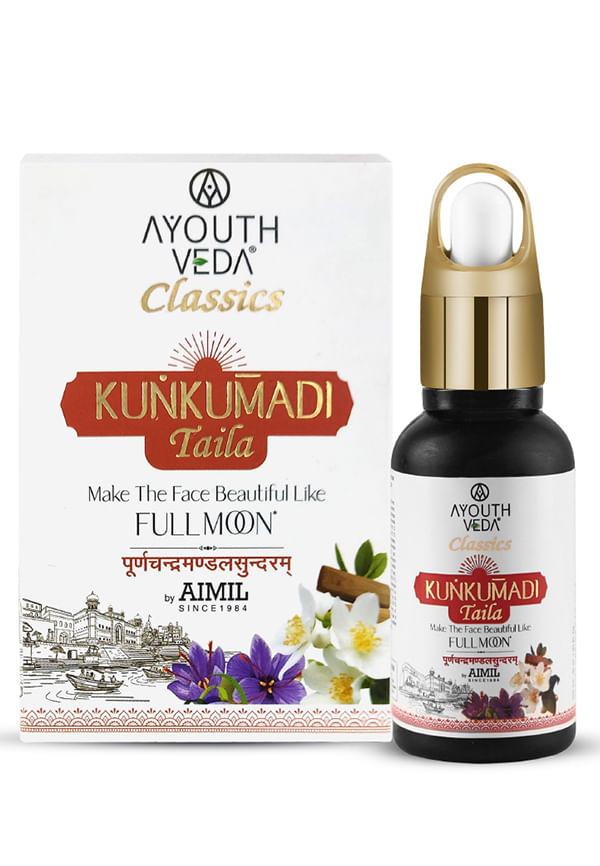
Kunkumadi Taila
Picture this: you wake up, check the weather, and there's that familiar monsoon humidity hanging in the air. Your hair, which looked decent last night, now resembles a frizzy mess that seems to have its own weather system. Sound familiar? You're definitely not alone in this struggle. The thing is, monsoon season brings its own set of hair challenges, and your usual heavy coconut oil routine might actually be making things worse. That's where lightweight hair oil for monsoon comes in—your secret weapon against humidity-induced hair chaos.
Let's get real about what monsoon humidity actually does to your hair. When moisture levels in the air spike, your hair cuticles lift and allow excess moisture to penetrate the hair shaft. This causes the hair to swell unevenly, leading to that dreaded frizz we all know too well. Traditional heavy oils like coconut or castor oil can actually trap this excess moisture, making your hair look greasy and weighed down whilst still being frizzy underneath.
Lightweight hair oil for monsoon works differently. These formulations have smaller molecular structures that penetrate the hair shaft quickly without sitting on the surface. They create a protective barrier that helps regulate moisture absorption, preventing your hair from becoming a humidity sponge. Think of it as giving your hair a smart raincoat rather than a heavy winter coat—protection without the bulk.
Hair oil for humid weather needs to be strategic. Your hair's porosity plays a huge role here. Low porosity hair (where the cuticles lie flat) struggles to absorb heavy oils, especially in humid conditions. High porosity hair, on the other hand, absorbs everything too quickly and needs lightweight oils that won't overload the already damaged cuticles. Understanding your hair's needs during monsoon season is the first step towards frizz-free days.
The science behind this is pretty fascinating. Humidity affects the hydrogen bonds in your hair, causing them to break and reform irregularly. Lightweight oils help stabilise these bonds without adding unnecessary weight. They also provide essential fatty acids that keep your hair flexible and less prone to breakage when it swells from moisture exposure.
Finding the best hair oil for frizzy hair during monsoon doesn't have to be a guessing game. These nine lightweight champions have proven their worth in India's humid climate, offering the perfect balance of nourishment and protection without the grease factor.
Often called "liquid gold," argan oil is your go-to non-greasy hair oil for monsoon season. Rich in vitamin E and essential fatty acids, it absorbs quickly into the hair shaft, providing deep hydration without weighing your hair down. Perfect for low porosity hair that tends to repel heavier oils.
Technically a wax ester, jojoba oil closely mimics your scalp's natural sebum. This makes it an excellent hair oil for fine hair, as it regulates oil production whilst providing moisture. It's particularly effective for those with oily scalps who still need hair hydration during humid weather.
Sweet almond oil penetrates hair almost instantly, making it ideal for quick touch-ups during monsoon. Its light texture provides excellent frizz control hair oil benefits without leaving any residue. Rich in magnesium and proteins, it strengthens hair whilst keeping it manageable in humidity.
Ultra-light and packed with antioxidants, grapeseed oil protects hair from environmental damage whilst providing moisture. Its high linoleic acid content makes it perfect for damaged hair that needs repair without additional weight. Excellent as a light hair serum alternative.
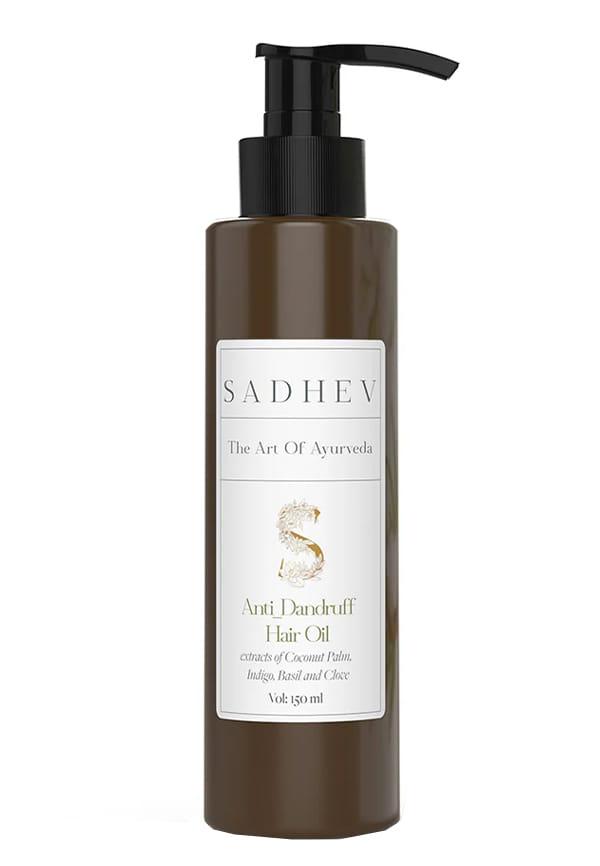
Ayurvedic Anti - Dandruff Oil - Coconut, Holy Basil & Clove 150ml
Used by Japanese women for centuries, camellia oil is incredibly lightweight yet deeply nourishing. It creates a natural shine without greasiness and works brilliantly as a moisture retaining hair oil during monsoon season. Perfect for adding lustre to dull, humidity-affected hair.
Derived from olives or sugarcane, squalane is naturally found in human sebum. This makes it one of the most compatible oils for all hair types. It provides deep hydration without any greasy residue, making it an excellent oily hair solution for monsoon months.
Packed with vitamins A and C, rosehip seed oil not only controls frizz but also promotes hair health. Its lightweight texture makes it perfect for daily use during humid weather, providing both immediate and long-term benefits for hair strength and manageability.
Marula oil absorbs faster than most oils, making it perfect for those who want quick results. Rich in antioxidants and omega fatty acids, it provides excellent protection against humidity whilst keeping hair soft and manageable. Ideal for all hair types during monsoon.
Unlike regular coconut oil, fractionated coconut oil remains liquid at room temperature and has a much lighter texture. It provides all the nourishing benefits of coconut oil without the heaviness, making it perfect for monsoon hair care routines.
Choosing the right hair oil for fine hair during monsoon requires understanding your hair's unique needs. Fine hair has a smaller diameter, which means it gets weighed down easily by heavy products. During humid weather, this becomes even more challenging as the hair tends to absorb moisture from the air, making it look limp and greasy.
Start with a simple porosity test. Take a clean strand of hair and drop it in a glass of water. If it floats, you have low porosity hair that needs lighter oils like argan or jojoba. If it sinks quickly, you have high porosity hair that can handle slightly heavier oils but still benefits from lightweight formulations during monsoon.
For oily scalp conditions, focus on oils that won't clog pores or stimulate excess sebum production. Jojoba oil is particularly effective as an oily hair solution because it signals to your scalp that enough oil is present, potentially reducing overproduction. Grapeseed oil is another excellent choice due to its astringent properties.
Consider the difference between oils and serums. Light hair serum formulations often contain silicones that provide immediate smoothing effects, whilst natural oils offer deeper nourishment. During monsoon, you might want to alternate between both depending on your daily needs and styling requirements.
Getting the most out of your hair hydration oil during monsoon is all about technique and timing. The key is to apply lightweight oils when your hair can best absorb them without competing with environmental humidity.
Pre-shampoo treatments work brilliantly during monsoon. Apply your chosen lightweight oil to dry hair 30 minutes before washing. This allows the oil to penetrate the hair shaft and create a protective barrier that prevents your hair from absorbing too much water during washing, which can lead to swelling and frizz.
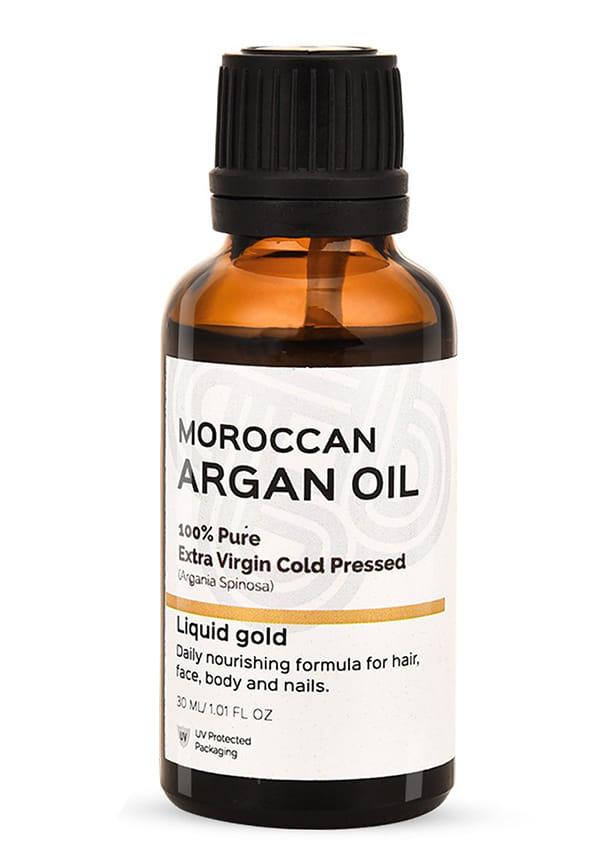
100% Pure Moroccan Argan Oil
For leave-in application, timing matters. Apply moisture retaining hair oil to damp hair immediately after towel-drying. Your hair cuticles are slightly open at this point, allowing better absorption. Use the praying hands method—smooth the oil between your palms and gently press it onto your hair rather than rubbing, which can cause frizz.
Section your hair for even distribution, especially if you have thick or long hair. Work in small sections from mid-length to ends, avoiding the roots if you have an oily scalp. During monsoon, focus extra attention on the outer layer of your hair, as this is most exposed to humidity.
Consider the layering technique for maximum protection. Start with a lightweight oil, follow with a leave-in conditioner if needed, and finish with a small amount of the same oil to seal everything in. This creates multiple barriers against humidity whilst maintaining hair movement and natural texture.
Understanding the molecular science behind oil weight can transform your monsoon hair game. Lightweight oils have smaller molecular structures that can penetrate the hair cuticle more easily. Heavy oils, whilst nourishing, tend to sit on the hair surface, creating a coating that can trap humidity and make hair appear greasy.
The comedogenic rating of oils also matters for scalp health during humid weather. Non-greasy hair oil options like jojoba (rating 2) and argan oil (rating 0) are less likely to clog pores, whilst heavier oils like coconut oil (rating 4) might cause scalp issues in humid conditions, especially for those prone to oiliness.
Processing methods significantly affect oil weight. Cold-pressed oils retain more of their natural structure and tend to be lighter than heat-processed versions. Fractionated oils, where certain fatty acid chains are removed, become much lighter whilst retaining beneficial properties. This is why fractionated coconut oil works better than regular coconut oil during monsoon.
Climate-specific formulations are becoming more common, with brands creating lighter versions of traditionally heavy oils specifically for humid weather. These formulations often combine multiple lightweight oils to provide comprehensive hair care without the weight factor that can make monsoon hair management challenging.
One of the biggest mistakes during monsoon is over-oiling your hair. Many people think more oil equals better protection, but this actually backfires in humid weather. Excess oil attracts dirt and pollution, making hair look dull and feel heavy. Lightweight frizz control hair oil allows you to provide adequate protection with minimal product.
Wrong oil selection for your hair type is another common issue. Using heavy oils on fine hair or oil-prone scalps during monsoon can lead to limp, greasy-looking hair that still frizzes underneath. Switching to lightweight alternatives like sweet almond or grapeseed oil can solve this problem immediately.
Timing your oil application incorrectly can also sabotage your efforts. Applying oil right before stepping out into humid weather can make your hair a magnet for moisture and frizz. Instead, apply lightweight oils to damp hair and allow them to absorb before facing the humidity.
Many people also make the mistake of applying oil only to their hair ends, neglecting the mid-lengths where frizz often starts. Lightweight oils allow you to treat larger sections of your hair without worrying about weighing it down, providing more comprehensive protection against humidity-induced frizz.
Lightweight oils like argan, jojoba, and sweet almond are ideal for monsoon as they provide hydration without weighing hair down or increasing greasiness in humid conditions. These oils penetrate quickly and create a protective barrier against humidity without the heavy feel of traditional oils.
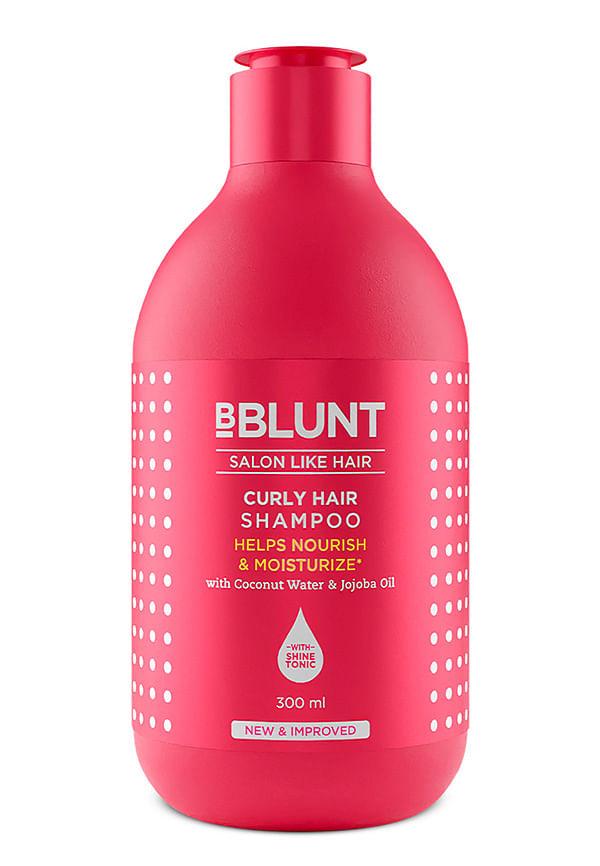
Curly Hair Shampoo with Coconut Water & Jojoba Oil
Argan oil, often called "liquid gold," is among the lightest oils perfect for low porosity hair. Squalane and fractionated coconut oil are also exceptionally lightweight options that absorb quickly without leaving any residue.
Top lightweight oils include argan oil, camellia oil, squalane, grapeseed oil, and jojoba oil—all known for being light yet nourishing, ideal for fine or thin hair types. These oils provide excellent moisture and frizz control without the weight factor.
Yes, lightweight oils are gentle enough for daily use during monsoon. Their quick-absorbing nature means they won't build up on your hair or scalp, making them perfect for regular application to maintain moisture and frizz control throughout the humid season.
Start with 2-3 drops for short hair and 4-6 drops for longer hair. You can always add more if needed, but it's harder to remove excess oil. Focus on mid-lengths to ends, avoiding the roots if you have an oily scalp.
Lightweight oils can benefit damaged hair by providing gentle nourishment without overwhelming already compromised hair structure. However, severely damaged hair might need a combination approach with protein treatments and deeper conditioning alongside lightweight oil use.
Both natural and synthetic lightweight oils have their benefits. Natural oils like argan and jojoba provide additional nutrients, whilst synthetic options like squalane offer consistent performance and longer shelf life. Choose based on your hair's specific needs and personal preferences.
Lightweight oils can complement leave-in conditioners but might not fully replace them. Oils primarily provide moisture and frizz control, whilst leave-in conditioners often contain proteins and other ingredients that offer additional benefits like detangling and heat protection.
Monsoon hair care doesn't have to be a constant battle against humidity and frizz. The right lightweight hair oil for monsoon can transform your hair routine, giving you smooth, manageable hair even on the most humid days. Remember, it's not about using more product—it's about using the right product for your hair type and the season.
Whether you're dealing with fine hair that gets weighed down easily or an oily scalp that still needs moisture, there's a lightweight oil solution that can work for you. The key is understanding your hair's unique needs and choosing oils that complement rather than fight against the humid weather.
At Smytten, you'll find a curated selection of premium haircare brands offering these lightweight oil formulations, from trusted names to innovative newcomers. With options for every hair type and concern, plus the convenience of cashback and India-wide delivery, finding your perfect monsoon hair companion has never been easier. Not sure which lightweight oil format works best for your hair? Smytten also offers trial-size versions of many of these products—a smart way to test before committing to a full bottle.
