9 Itchy Scalp Remedies for Fast Relief
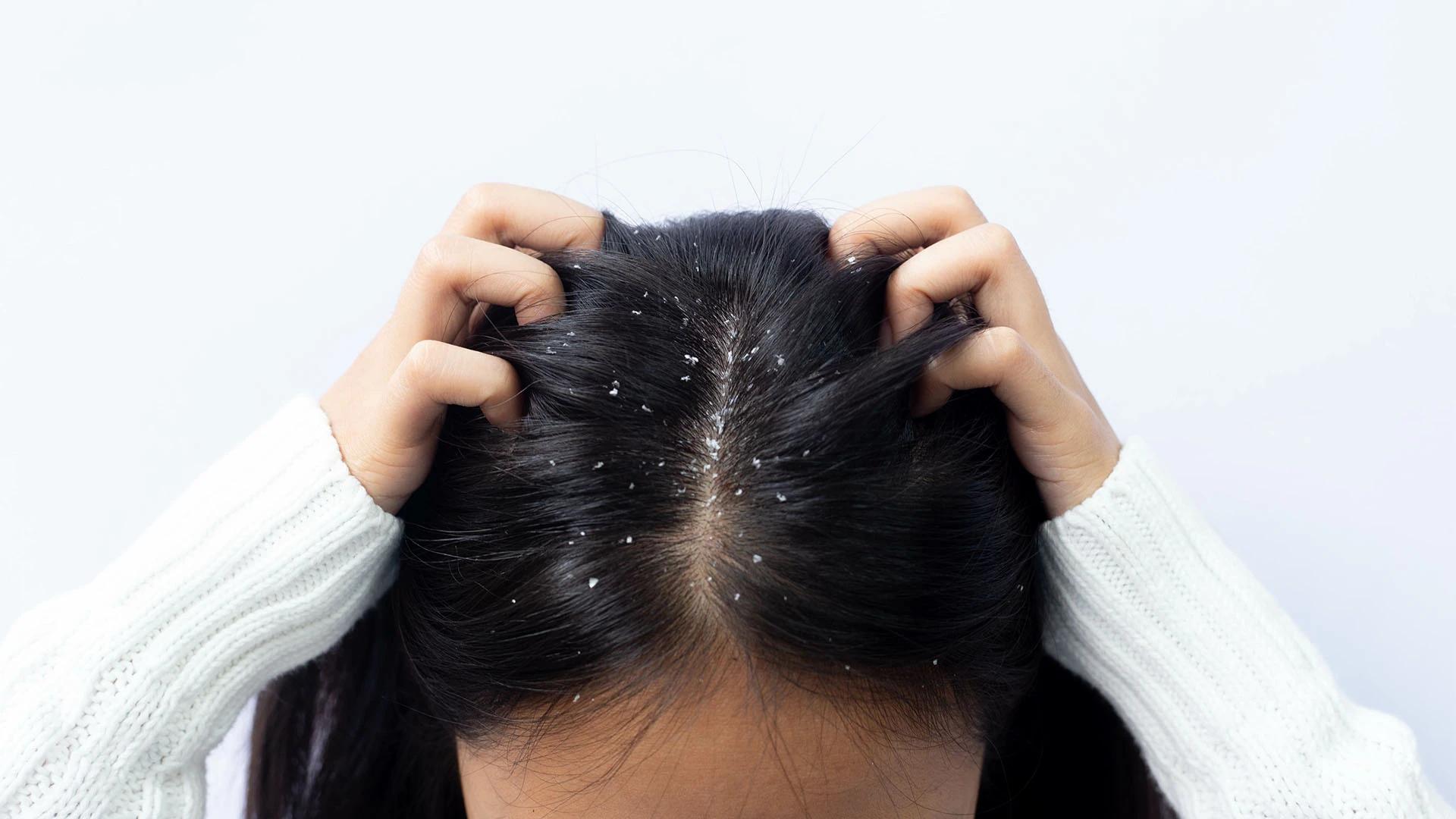

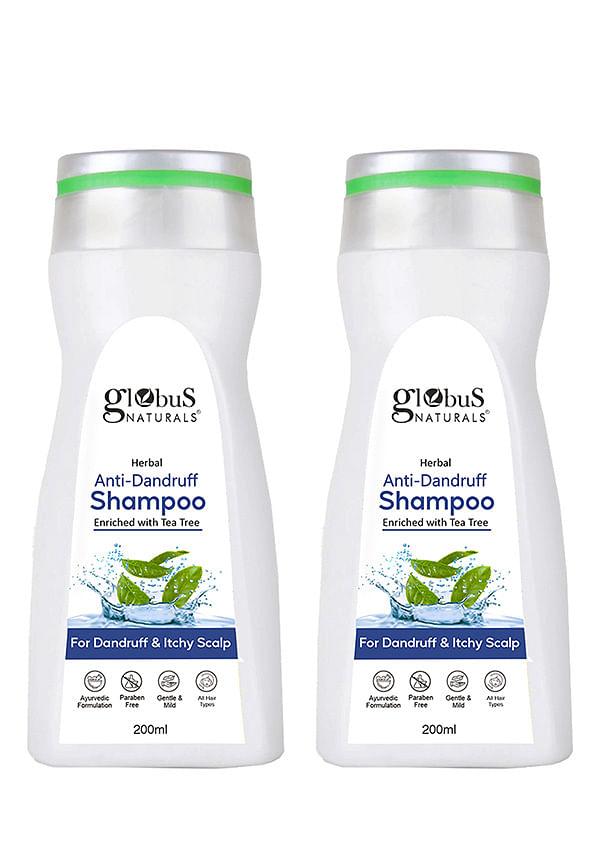
Anti Dandruff Shampoo, For Dandruff and Itchy Scalp
You know that moment when your scalp starts itching in the middle of an important meeting? Or when you're lying in bed, trying to sleep, but all you can think about is scratching your head? We've all been there. An itchy scalp isn't just annoying—it can seriously mess with your confidence and daily routine. Whether it's dandruff making you self-conscious about those white flakes on your shoulders, or a dry, tight feeling that won't quit, finding the best itchy scalp solutions becomes your top priority. The good news? There are proven remedies that actually work, and we're about to break them all down for you.
Before diving into solutions, let's get real about what's actually happening up there. Your scalp is basically an extension of your facial skin, but it's often forgotten in our skincare routines. The causes of itchy scalp range from simple dryness to more complex fungal infections, and knowing which one you're dealing with makes all the difference in treatment.
The most common culprits include seborrheic dermatitis (fancy name for dandruff), contact dermatitis from harsh products, fungal overgrowth, and good old-fashioned dryness. Sometimes it's a combination of factors—like using the wrong shampoo while dealing with seasonal weather changes. Your scalp might also be reacting to stress, hormonal changes, or even your diet.
Here's where things get interesting. Dandruff and dry scalp look similar but need completely different approaches. Dandruff typically involves larger, yellowish flakes that feel oily, whilst dry scalp produces smaller, white flakes that feel tight and uncomfortable. Dandruff itchy scalp often comes with redness and irritation, whereas dry scalp feels more like your face when you've forgotten moisturiser.
Your environment plays a bigger role than you might think. Hard water, pollution, extreme temperatures, and low humidity can all trigger scalp sensitivity. Even your heating system during winter months can strip moisture from your scalp, leading to that persistent itch.
Plot twist: sometimes the products meant to help are actually making things worse. Over-washing strips natural oils, whilst under-washing allows buildup. Finding that sweet spot is key to maintaining scalp health and preventing irritation.
Fungal itchy scalp conditions like seborrheic dermatitis thrive in warm, moist environments. These require specific antifungal treatments rather than just moisturising approaches. If your itch comes with persistent flaking and doesn't respond to gentle treatments, fungal overgrowth might be the issue.
When home remedies aren't cutting it, it's time to bring in the big guns. Professional treatments offer targeted scalp itch relief with clinically proven ingredients. These aren't your average drugstore finds—they're formulated specifically for stubborn scalp issues.
The key is understanding which active ingredient works best for your specific type of itch. Some target fungal overgrowth, others focus on inflammation, and some work by gently exfoliating buildup. Getting this match right can mean the difference between temporary relief and long-term comfort.
Zinc pyrithione is your go-to for general dandruff and mild fungal issues. It's gentler and works well for regular use. Ketoconazole, on the other hand, is the heavy hitter for persistent fungal conditions. It's more potent but typically used less frequently—think twice weekly rather than daily.
Perfect for dry itchy scalp treatment, salicylic acid gently removes buildup without harsh scrubbing. It's particularly effective if your itch comes with flaky, scaly patches. The key is starting slowly—too much too soon can actually increase irritation.
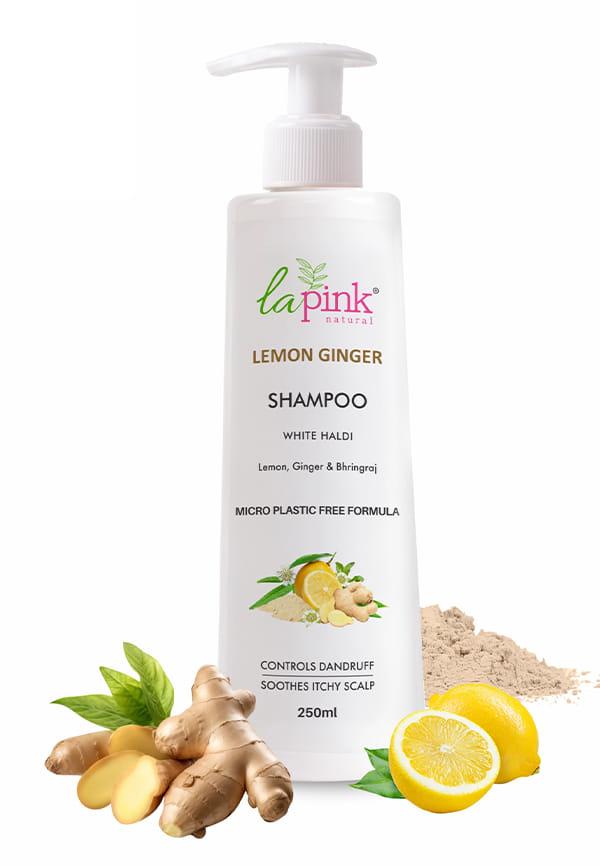
Lemon Ginger Shampoo with White Haldi to Control Dandruff & Soothe Itchy Scalp
When inflammation is the main issue, hydrocortisone provides targeted relief. It's especially helpful for sensitive itchy scalp conditions where other treatments feel too harsh. Use sparingly and as directed—a little goes a long way.
This ingredient is particularly effective for persistent dandruff that doesn't respond to gentler treatments. It works by slowing down skin cell turnover and reducing fungal growth. Expect to see results within a few weeks of consistent use.
For those preferring natural approaches, tea tree oil offers genuine antifungal properties. Look for shampoos with 5-10% tea tree oil concentration for effective soothing itchy scalp relief without the harsh chemicals.
Sometimes the best solutions are sitting in your kitchen cupboard. These home remedies for itchy scalp have been used for generations, and modern research backs up their effectiveness. The beauty of natural treatments is that they're gentle enough for regular use whilst still providing real relief.
What makes these remedies special is their multi-action approach. They don't just mask symptoms—they address underlying issues like pH imbalance, dryness, and inflammation. Plus, they're budget-friendly and easily accessible, making them perfect for immediate relief whilst you're figuring out your long-term strategy.
Mix one part apple cider vinegar with three parts water for a scalp-balancing rinse. The acidity helps restore your scalp's natural pH, creating an environment where healthy bacteria thrive and harmful fungi struggle. Use once weekly after shampooing.
Blend oats into a fine powder, mix with water to form a paste, and apply to damp scalp for 10-15 minutes. Oatmeal contains compounds called avenanthramides that reduce inflammation and provide immediate cooling relief for irritated skin.
Warm coconut oil and massage into scalp, leaving for 30 minutes before washing. Its antimicrobial properties help with fungal issues whilst deeply moisturising dry, flaky skin. Perfect for overnight treatments when itch is particularly bothersome.
Mix 2-3 drops of peppermint oil with a carrier oil like jojoba. The menthol provides immediate cooling relief whilst improving circulation. This remedy works particularly well for stress-related scalp tension and itching.
Not all itchy scalp shampoo formulations are created equal. Understanding which ingredients target your specific concerns helps you choose products that actually deliver results rather than just promising them. The best itchy scalp treatments often combine multiple active ingredients for comprehensive relief.
Reading ingredient lists becomes crucial when you're dealing with persistent scalp issues. Some ingredients provide immediate relief but don't address root causes, whilst others work slowly but offer long-term solutions. The most effective products balance both approaches.
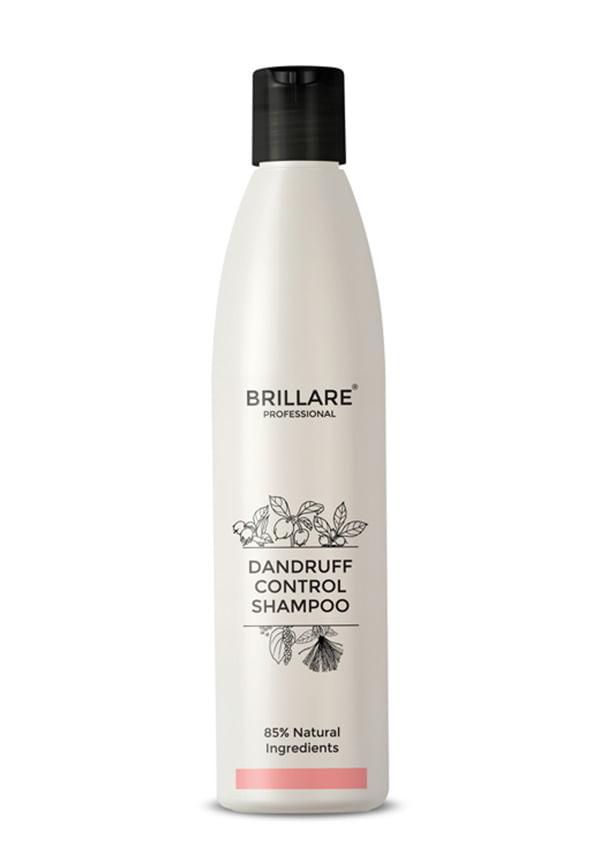
Dandruff Control Shampoo For Itchy, Flaky Scalp
Zinc pyrithione works against both bacteria and fungi, making it versatile for various scalp conditions. Ketoconazole specifically targets fungal overgrowth. Salicylic acid exfoliates gently, whilst coal tar (though less common now) reduces inflammation and slows cell turnover.
Sulfate-free formulas are gentler for daily use but might not provide enough cleansing power for oily, flaky scalps. Medicated shampoos offer targeted treatment but can be drying with overuse. Many people find success alternating between both types.
Start with 2-3 times weekly, then adjust based on your scalp's response. Some people need daily use initially, whilst others find once weekly maintenance sufficient. Pay attention to your scalp's feedback—over-treatment can actually worsen itching.
Layer treatments strategically rather than using everything at once. For example, use a medicated shampoo twice weekly, a gentle sulfate-free formula on other days, and apply a soothing oil treatment weekly. This approach addresses multiple causes without overwhelming your scalp.
Sometimes DIY approaches aren't enough, and that's completely normal. Knowing when to seek professional help can save you months of frustration and prevent potential complications. Dermatologists have access to prescription treatments that aren't available over-the-counter, plus they can identify underlying conditions you might miss.
Don't feel like you've failed if home remedies aren't working. Some scalp conditions require medical intervention, and catching them early often means simpler, more effective treatment. Professional diagnosis can also rule out more serious conditions that present with similar symptoms.
If you've tried multiple approaches for 6-8 weeks without improvement, it's time for professional evaluation. Persistent itching might indicate conditions like psoriasis, eczema, or allergic reactions that need specific medical treatment.
When itching comes with noticeable hair loss or thinning, especially in women, underlying hormonal or autoimmune conditions might be involved. Early intervention can often prevent further hair loss and address both symptoms simultaneously.
Prescription antifungals, topical steroids, and specialised shampoos offer stronger concentrations of active ingredients. Your dermatologist might also recommend combination therapies or identify specific triggers through patch testing.
For immediate relief, try a cool water rinse followed by gentle scalp massage with a few drops of peppermint oil mixed with carrier oil. Medicated shampoos containing zinc pyrithione or selenium sulfide provide the fastest long-term relief for most people. Avoid hot water and harsh scrubbing, which can worsen irritation.
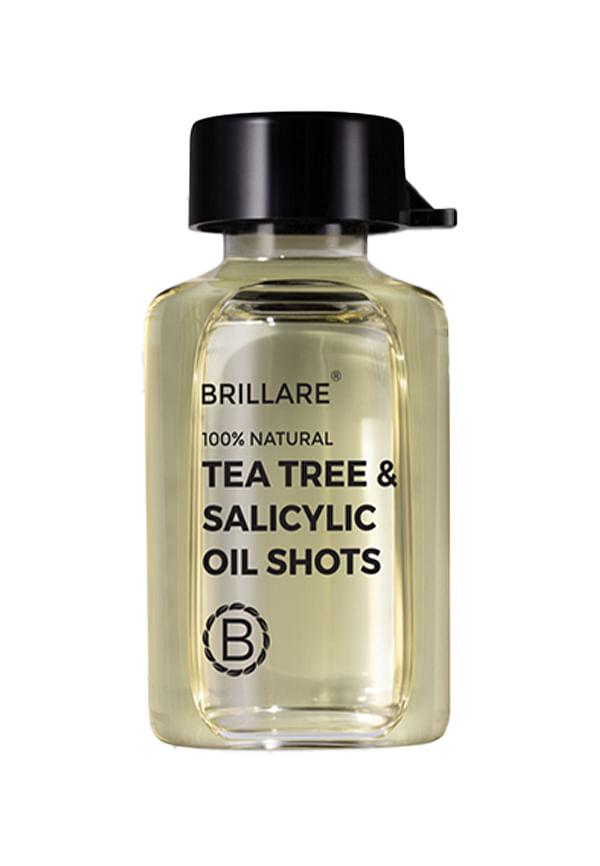
Tea Tree & Salicylic Oil Shots For Dry, Itchy Scalp to Fights Dandruff
Dermatologists typically recommend starting with anti-dandruff shampoos containing active ingredients like ketoconazole, zinc pyrithione, or salicylic acid, used 2-3 times weekly. They often suggest a systematic approach: identify triggers, use appropriate medicated products, and maintain consistent scalp care routines.
Zinc pyrithione works well for general dandruff and mild fungal issues. Ketoconazole targets persistent fungal conditions. Salicylic acid helps with flaky buildup and dry scalp. Hydrocortisone addresses inflammatory conditions. Tea tree oil provides natural antifungal action for sensitive scalps.
Most people notice improvement within 2-4 weeks of consistent treatment with appropriate products. Severe cases may require 6-8 weeks for complete resolution. Home remedies might provide immediate soothing but typically need 4-6 weeks for lasting results. Consistency is key—sporadic use often leads to disappointing outcomes.
Prevention really is better than cure when it comes to scalp health. Once you've found relief, maintaining it becomes your new priority. The good news is that most itchy scalp remedies become easier and less frequent once your scalp returns to its healthy state.
Think of scalp care like skincare—it needs consistent attention rather than crisis intervention. Small daily habits can prevent major flare-ups and keep your scalp comfortable year-round. The key is finding a routine that works with your lifestyle and hair type.
Start with gentle brushing to distribute natural oils and remove loose flakes. Use lukewarm water for washing, and always follow up with a lightweight, scalp-friendly conditioner applied only to hair lengths. Finish with a cool rinse to seal the hair cuticle and soothe the scalp.
Rotate between different active ingredients to prevent your scalp from becoming resistant to treatments. Use medicated shampoos 2-3 times weekly, gentle cleansers on other days, and incorporate weekly treatments like oil massages or clarifying rinses as needed.
Stress, diet, and sleep all affect scalp health more than you might think. Stay hydrated, manage stress through exercise or meditation, and consider whether certain foods trigger flare-ups. Your scalp reflects your overall health, so taking care of yourself benefits your hair too.
Adjust your routine based on weather and environmental changes. Winter might require more moisturising treatments, whilst summer could need more frequent washing and lighter products. Pay attention to how your scalp responds to seasonal changes and adapt accordingly.
Finding the best itchy scalp solution often involves some trial and error, but the relief is absolutely worth it. Whether you're dealing with occasional dryness or persistent dandruff, there's a combination of treatments that will work for your specific situation. Remember that consistency matters more than perfection—stick with your chosen approach for at least a month before deciding if it's working.
The beauty of having multiple options is that you can tailor your approach to your lifestyle, budget, and preferences. Some people swear by natural remedies, whilst others need the targeted action of medicated treatments. Many find success combining both approaches for comprehensive scalp care.
If you're curious about trying different scalp treatments without committing to full-size products, Smytten offers trial-size versions of many scalp care products from trusted brands. It's a smart way to test what works for your specific scalp concerns before investing in larger bottles—because finding your perfect scalp care routine shouldn't require guesswork.
