9 Itchy Flaky Scalp Solutions for Instant Relief

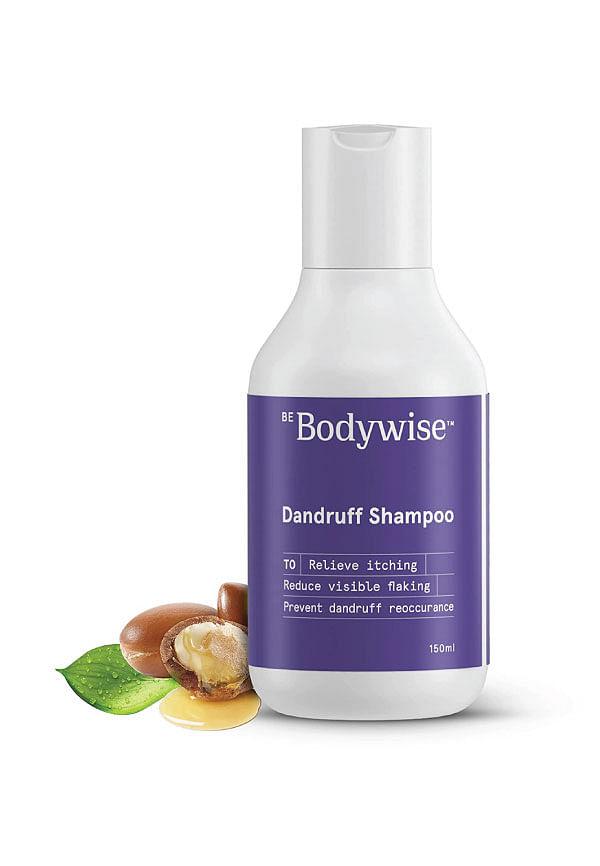
1% Ketoconazole Dandruff Shampoo
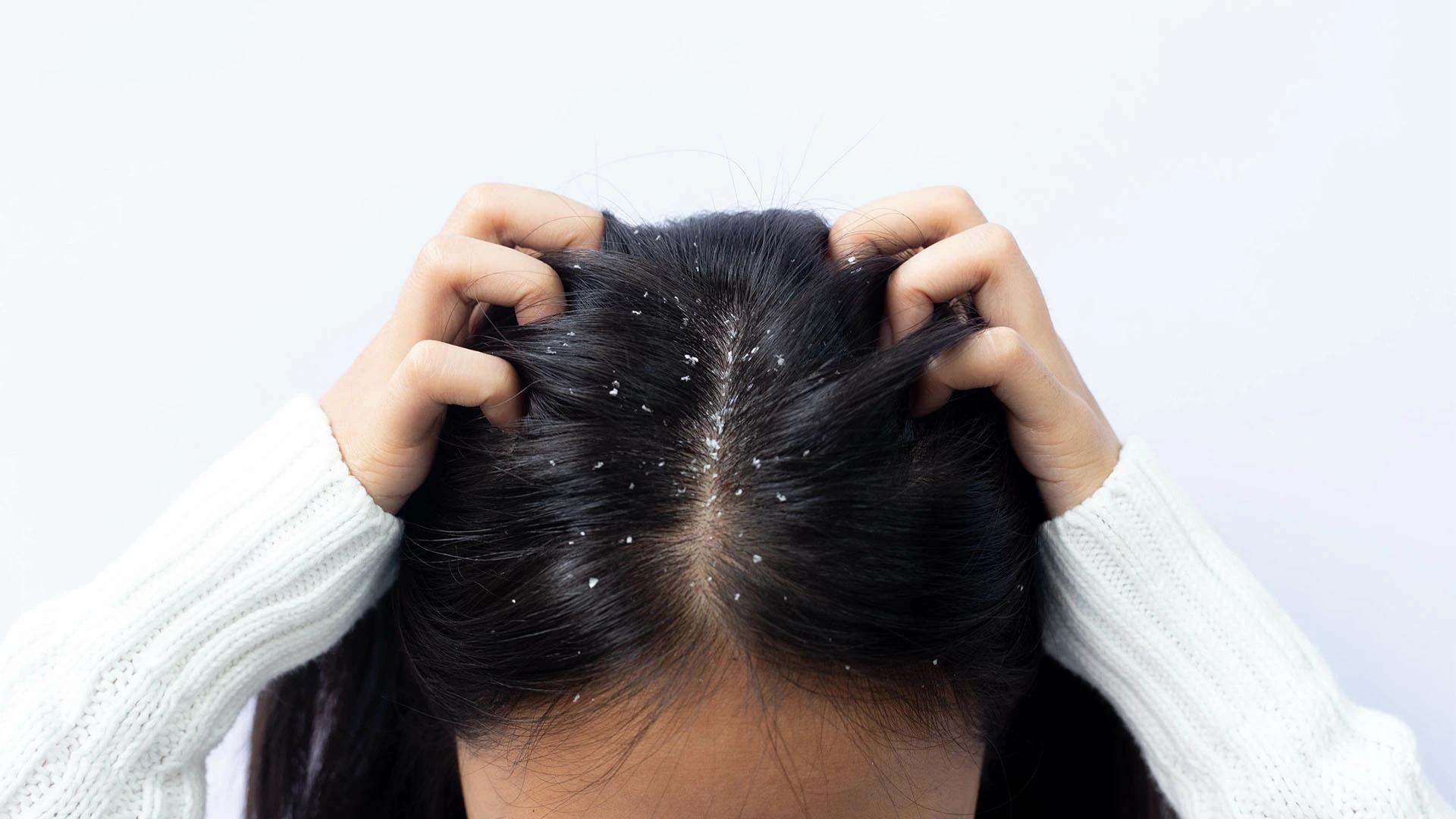
That moment when your scalp feels like it's hosting its own personal sandstorm—itchy, flaky, and absolutely impossible to ignore. Whether you're dealing with stubborn dandruff that shows up on your favourite black top or that maddening itch that strikes during important meetings, an irritated scalp can seriously mess with your day. The good news? You don't have to suffer through it. From quick home fixes to dermatologist-backed treatments, there are proven solutions that can give you the relief you're craving.
Before diving into solutions, let's get real about what's actually happening up there. Your scalp is basically skin, and like the rest of your skin, it can get cranky for various reasons. The most common culprits behind that persistent itch and flaking include seborrheic dermatitis (fancy term for a type of eczema), product buildup from styling products, and good old-fashioned dryness.
Seborrheic dermatitis scalp issues are particularly sneaky because they can mimic regular dandruff but are actually caused by an overgrowth of yeast that naturally lives on your skin. When this yeast goes into overdrive, it triggers inflammation, leading to those telltale flakes and that irresistible urge to scratch. Environmental factors like cold weather, stress, and even hormonal changes can all contribute to making your scalp more sensitive and prone to irritation.
Product buildup is a major player in scalp drama. When you layer on dry shampoos, styling gels, and leave-in treatments without properly cleansing, these products can clog your hair follicles and create an environment where bacteria and yeast thrive. Harsh chemicals in some shampoos can also strip your scalp of its natural oils, leading to overcompensation and more oil production—creating a frustrating cycle.
Most itchy scalp situations can be managed at home, but there are red flags that warrant professional attention. If you notice bleeding from scratching, patches of hair loss, or if the irritation spreads beyond your scalp, it's time to book that dermatologist appointment. Chronic issues that don't respond to over-the-counter treatments after 4-6 weeks also deserve medical evaluation.
Ready to tackle that irritation head-on? These nine solutions range from gentle home remedies to more intensive treatments, so you can find what works for your specific situation and comfort level.
1. Ketoconazole Shampoos: These antifungal powerhouses target the yeast that often causes seborrheic dermatitis. Look for shampoos containing 1-2% ketoconazole and use them 2-3 times per week. Most people see improvement within 2-4 weeks of consistent use.
2. Zinc Pyrithione Formulations: This ingredient pulls double duty as both an antifungal and anti-inflammatory agent. It's gentler than ketoconazole, making it perfect for sensitive scalp itchy situations. You'll find it in many drugstore anti-dandruff shampoos.
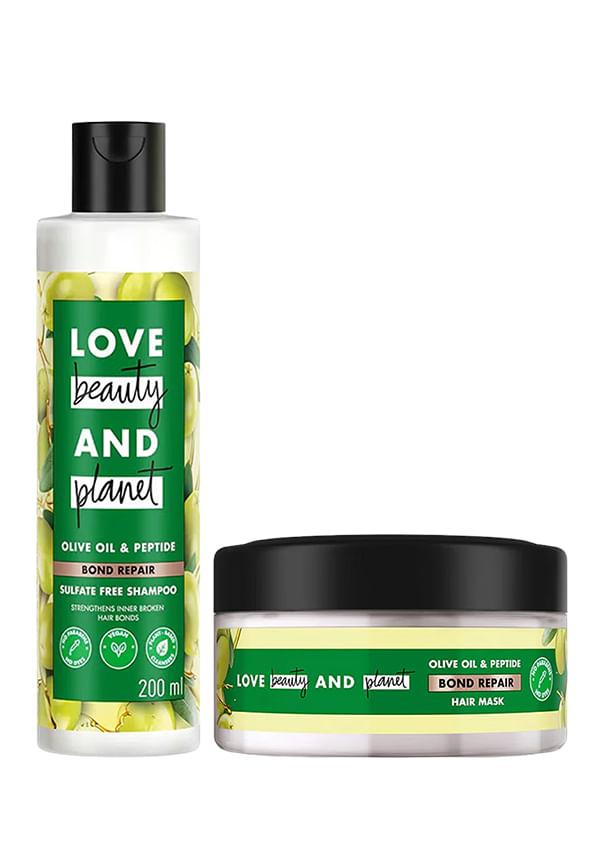
Olive Oil & Peptide Bond Repair Shampoo & Hair Mask
3. Selenium Sulfide Treatments: For particularly stubborn flaking, selenium sulfide can be your secret weapon. It slows down cell turnover on your scalp, reducing flake formation. Use it once or twice weekly, and always follow with a good conditioner since it can be drying.
4. Apple Cider Vinegar Rinse: This kitchen staple helps restore your scalp's natural pH balance. Mix one part apple cider vinegar with three parts water, apply to damp hair, let it sit for 5 minutes, then rinse thoroughly. The acidity helps remove buildup and reduce yeast growth.
5. Tea Tree Oil Treatment: With its natural antifungal properties, tea tree oil can provide significant itchy scalp relief. Always dilute it—mix 5-10 drops with a tablespoon of carrier oil like coconut or jojoba. Massage into your scalp, leave for 10 minutes, then shampoo as usual.
6. Coconut Oil Scalp Massage: This deeply moisturising treatment works wonders for dry itchy scalp causes related to dehydration. Warm a small amount of virgin coconut oil, massage it into your scalp using circular motions, and leave it on for at least 30 minutes before washing out.
7. Salicylic Acid Exfoliation: This beta-hydroxy acid gently removes dead skin cells and product buildup. Use a salicylic acid scalp treatment once weekly to prevent flake accumulation. It's particularly effective for those dealing with thick, stubborn flakes.
8. Colloidal Oatmeal Masks: Perfect for soothing inflammation and providing gentle relief for sensitive scalps. Grind plain oats into a fine powder, mix with water to form a paste, apply to your scalp, and leave for 15-20 minutes before rinsing.
9. Prescription Alternatives: When over-the-counter options aren't cutting it, dermatologists can prescribe stronger antifungal treatments, topical steroids, or medicated shampoos with higher concentrations of active ingredients.
Sometimes you need relief right now, not in two weeks. These quick fixes can provide temporary comfort while you work on longer-term solutions.
A cold compress can instantly calm inflamed skin. Wrap ice cubes in a thin towel and apply to the itchiest areas for 2-3 minutes. Peppermint oil (properly diluted) provides a cooling sensation that can interrupt the itch-scratch cycle. For immediate relief, try gently massaging your scalp with your fingertips—not your nails—to increase blood flow without causing damage.
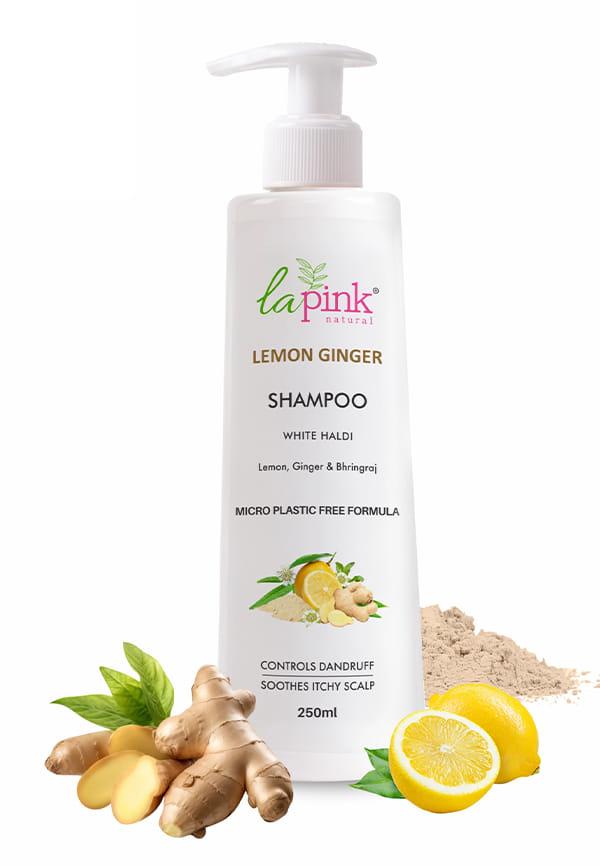
Lemon Ginger Shampoo with White Haldi to Control Dandruff & Soothe Itchy Scalp
Ever notice how scalp itching seems worse when you're trying to sleep? Your pillowcase might be the culprit. Fabric softeners and detergents can leave residues that irritate sensitive skin. Switch to hypoallergenic products and wash your pillowcases more frequently. Also, lying down increases blood flow to your head, which can intensify itching sensations.
Not all scalp irritation remedies work for everyone. Your approach should depend on whether you're dealing with oily, dry, or combination scalp issues, plus any underlying sensitivities.
If you have a sensitive scalp itchy from previous reactions, fragrance-free formulations are non-negotiable. Always patch test new products on a small area behind your ear before applying to your entire scalp. Look for ingredients like chamomile, aloe vera, and colloidal oatmeal, which are known for their soothing properties.
Many people deal with oily roots but dry, flaky ends—a tricky combination that requires a balanced approach. Focus medicated treatments on your scalp while using moisturising products on your hair lengths. Seasonal adjustments are also crucial; you might need more intensive moisture in winter and lighter formulations in humid summer months.
The best itchy flaky scalp solution is preventing the problem in the first place. Small changes to your routine can make a massive difference in maintaining scalp health.
Over-washing can strip natural oils and trigger more oil production, while under-washing allows buildup to accumulate. Most people benefit from washing every 2-3 days, but this varies based on hair type and lifestyle. Water temperature matters too—hot water can irritate already sensitive skin, so stick to lukewarm temperatures.
Product rotation can prevent your scalp from becoming too accustomed to specific ingredients. Alternate between your regular shampoo and a clarifying formula once weekly to remove buildup without over-stripping.
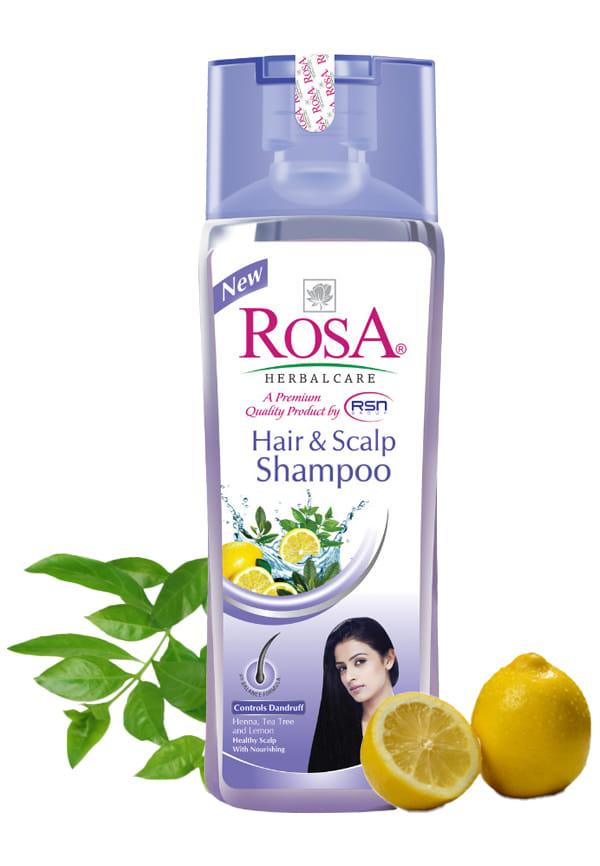
Hair & Scalp Shampoo with Tea Tree Oil and Lemon l Natural & Herbal ingredients
Your diet plays a bigger role in scalp health than you might think. Omega-3 fatty acids from fish, nuts, and seeds help maintain skin barrier function. Staying hydrated keeps your skin—including your scalp—properly moisturised from the inside out. Stress management is equally important since chronic stress can trigger inflammatory conditions like seborrheic dermatitis.
Gentle cleansing with sulfate-free shampoos, followed by targeted treatments containing ingredients like ketoconazole, zinc pyrithione, or salicylic acid work best. The key is consistency—use medicated products 2-3 times per week while maintaining a gentle daily routine.
Medicated shampoos containing antifungal ingredients are most effective for persistent flaking. Expect to see improvement within 2-4 weeks of consistent use. For immediate relief, gentle exfoliation with a scalp brush can help remove loose flakes without causing irritation.
Ketoconazole-based treatments show the highest success rates for most people, with clinical studies showing 70-80% improvement in symptoms. However, the best approach often involves combining medicated treatments with proper scalp hygiene and lifestyle modifications.
Common causes include seborrheic dermatitis, product buildup, dry skin, or allergic reactions to hair products. If symptoms persist despite treatment, consider patch testing to identify specific allergens or consult a dermatologist for proper diagnosis.
Dealing with an itchy, flaky scalp doesn't have to be a permanent struggle. Whether you start with gentle home remedies or jump straight to medicated treatments, the key is finding what works for your specific situation and sticking with it long enough to see results. Remember that scalp health is an ongoing process, not a one-time fix.
If you're exploring hair products for itchy scalp relief, Smytten's curated selection includes trusted brands that specialise in scalp care solutions. From gentle cleansing formulas to targeted treatments, you can discover what works for your hair type without committing to full-size products. Not sure which approach suits your scalp best? Smytten also offers trial-size versions of many scalp care products—a smart way to test different solutions before investing in full bottles.
