9 Hydrating Hair Masks for Deep Conditioning Treatment

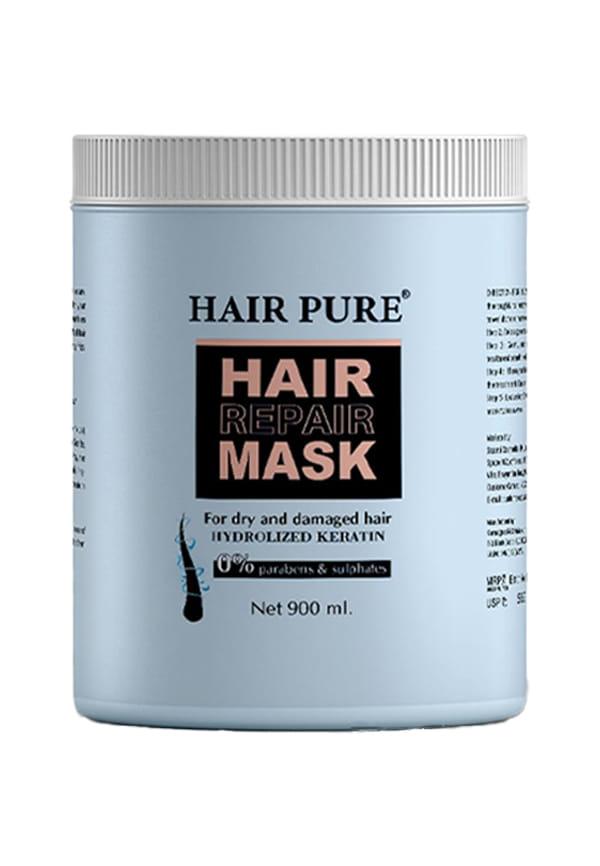
Hair Repair Mask Deep Conditioning
Amazing product, suited skin
 5
5“the product was amazing and it suited my skin”
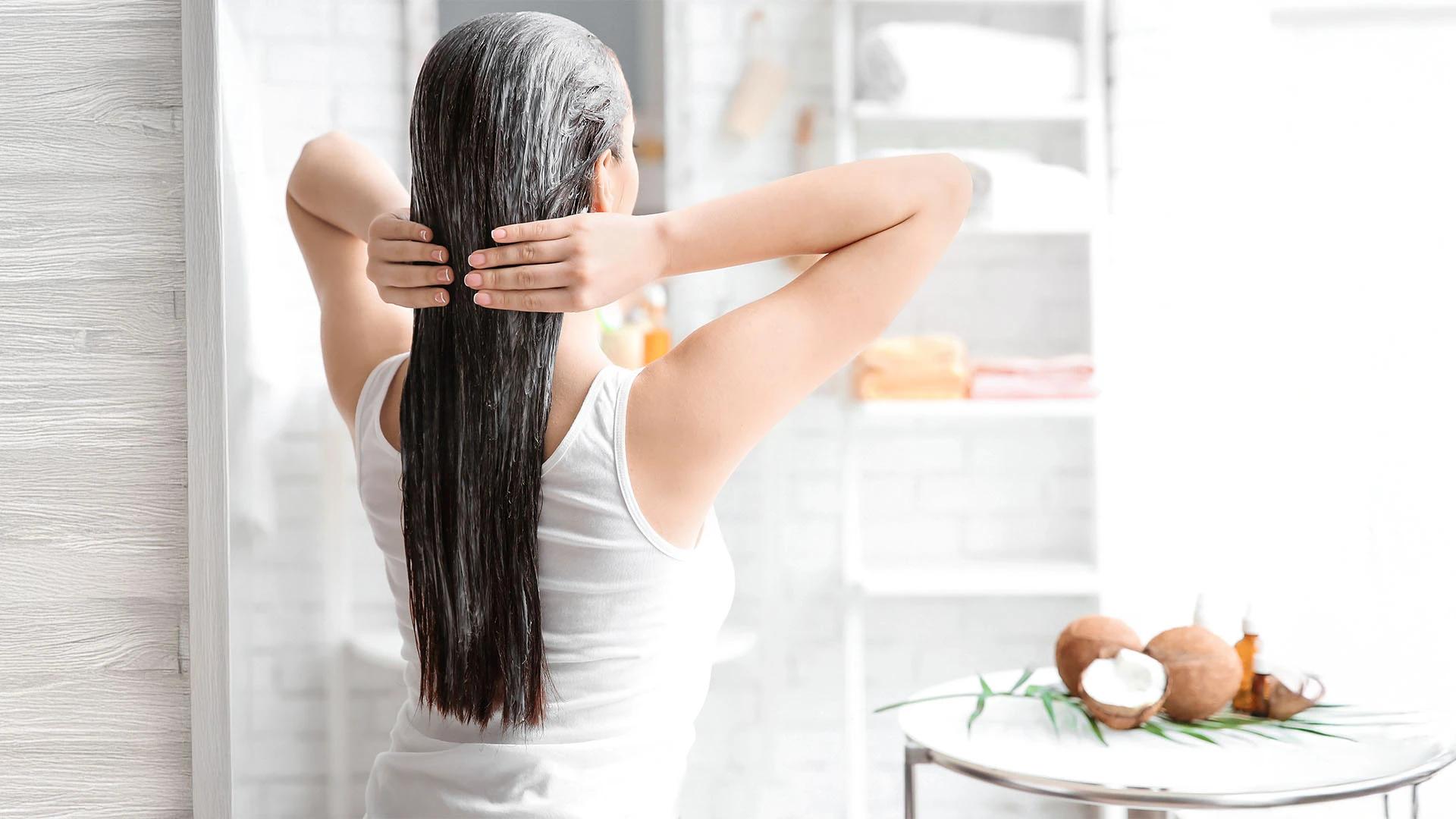
Let's be real—if you've ever wondered why your regular conditioner isn't cutting it anymore, you're not alone. A hair mask for deep conditioning is basically the intensive care unit for your strands. While your everyday conditioner works on the surface to smooth and detangle, a deep conditioning treatment goes much deeper, penetrating the hair cuticle to repair damage from the inside out.
The science bit is actually quite fascinating. Your hair cuticle has tiny gaps and cracks, especially if it's been damaged by heat, chemicals, or environmental factors. A proper hydrating hair mask contains smaller molecules that can slip through these gaps and deposit moisture, proteins, and nutrients directly into the hair shaft. This is why you'll notice such a dramatic difference after using a moisturising hair mask compared to your regular routine.
Here's what makes deep conditioning treatments so effective: they're formulated with higher concentrations of active ingredients like keratin, amino acids, natural oils, and humectants. These powerhouse ingredients work together to rebuild damaged hair structure, seal the cuticle, and lock in moisture for days rather than hours.
Your hair is basically telling you it needs this level of care if you're noticing increased breakage, dullness, rough texture, or if it feels like straw after washing. Colour-treated, chemically processed, or heat-styled hair particularly benefits from weekly deep conditioning sessions, while naturally healthy hair might only need this intensive treatment bi-weekly.
Think of regular conditioner as your daily moisturiser and a deep conditioning treatment as your weekly face mask—both important, but serving very different purposes. The molecular structure of intensive hair conditioners is designed to penetrate deeper layers of your hair shaft, while regular conditioners primarily coat the surface.
The concentration game is where things get interesting. A hair repair mask typically contains 3-5 times more active ingredients than your everyday conditioner. This means more proteins for strength, more oils for moisture, and more conditioning agents for smoothness. Plus, the leave-in time makes a huge difference—while you rinse regular conditioner after 2-3 minutes, deep conditioning treatments need 5-20 minutes to work their magic properly.
This is why a proper hair conditioning treatment can transform your hair in ways that even the most expensive daily conditioner simply can't match. It's about depth, concentration, and time—the holy trinity of hair repair.
Finding the perfect hydrating hair mask can feel overwhelming with so many options out there, but we've done the legwork for you. Each of these treatments targets specific hair concerns, so you can pick your perfect match based on what your strands actually need right now.
From protein-packed formulas for severely damaged hair to lightweight options that won't weigh down fine strands, here are the moisturising hair masks that are actually worth your time and money.
When your hair has been through the wringer—think multiple bleaching sessions, excessive heat styling, or chemical treatments—you need serious intervention. Protein-rich repair masks work by filling in the gaps in damaged hair cuticles with amino acids and keratin, essentially rebuilding your hair's structure from within.
Look for masks containing hydrolysed keratin, wheat protein, or silk amino acids. These ingredients are small enough to penetrate deeply but powerful enough to strengthen weakened hair bonds. The Manetain Deep Repair Hair Mask With Keratin & Almond Oil is particularly effective for this level of damage, combining intensive repair proteins with nourishing oils.
Apply these masks to damp hair, focusing on the most damaged areas, and leave for 15-20 minutes. Your hair should feel noticeably stronger and less prone to breakage after just one use, though consistent weekly treatments will give you the best long-term results.
Dry, brittle hair needs serious hydration, and that's where ultra-moisturising cream masks shine. These rich, creamy formulations are packed with emollient ingredients like shea butter, argan oil, and hyaluronic acid that can hold up to 1000 times their weight in water.
The key is finding a dry hair treatment that provides deep moisture without leaving residue. Ingredients like coconut oil and vitamin E work together to seal the hair cuticle and prevent moisture loss, while natural humectants draw water from the environment to keep your hair hydrated longer.
For best results, apply to towel-dried hair and wrap in a warm towel or shower cap. The gentle heat helps the moisturising ingredients penetrate more effectively, leaving you with soft, manageable hair that actually stays hydrated between washes.
Curly hair has unique needs—it's naturally drier because the oils from your scalp have a harder time travelling down the curved hair shaft. A good curl-defining mask should provide intense moisture while enhancing your natural curl pattern without weighing it down.
Look for masks with glycerin, aloe vera, and lightweight oils like jojoba or grapeseed. These ingredients provide slip for detangling while defining curls and reducing frizz. The Love Beauty & Planet Coconut Water & Mimosa Hair Mask offers excellent curl definition with its lightweight, hydrating formula.
Apply generously to soaking wet hair, scrunch gently, and leave for 10-15 minutes. Rinse with cool water to seal the cuticle and enhance shine. Your curls should feel bouncy, defined, and properly moisturised without any crunchiness or weight.
Colour-treated hair needs special care because the chemical process opens the hair cuticle, making it more porous and prone to moisture loss. A colour-safe deep conditioner should seal the cuticle, lock in moisture, and protect your colour investment.
Antioxidants like vitamin E and UV filters help prevent colour fade, while gentle oils and proteins repair damage without stripping colour. Avoid masks with harsh sulphates or clarifying ingredients that can cause premature fading.
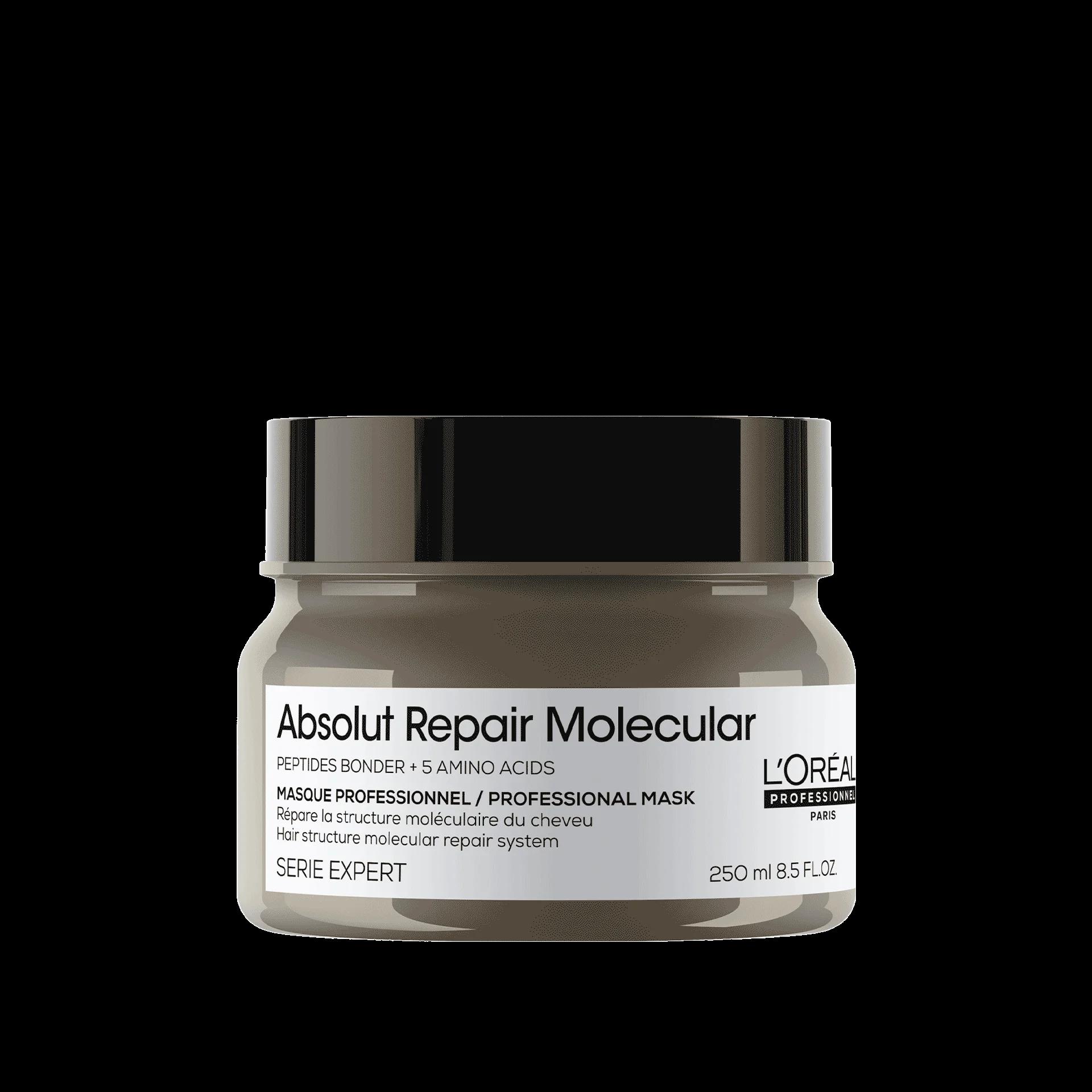
The L'Oréal Professionnel Absolut Repair Molecular Deep Repairing Cream Mask 250ml stands out for colour-treated hair, offering molecular-level repair that strengthens damaged bonds while preserving colour vibrancy. Its advanced formula penetrates deep into the hair fibre to restore strength and shine without compromising your colour investment.
Fine hair presents a unique challenge—it needs moisture but can't handle heavy formulations that weigh it down. Lightweight volumising masks use smaller molecular ingredients that provide hydration without bulk.
Rice protein and bamboo extract are excellent for fine hair because they strengthen and add body without heaviness. These ingredients coat each strand with a thin, protective layer that creates the appearance of thicker, fuller hair while providing essential moisture.
Apply only to mid-lengths and ends, avoiding the roots entirely. Leave for just 5-7 minutes—fine hair processes treatments quickly and can become overloaded with longer application times. Your hair should feel stronger and look fuller without any limpness or greasiness.
Combination hair types need a strategic approach—you want to address dryness at the ends without adding oil to already greasy roots. Balancing treatment masks often contain clay or charcoal to absorb excess oil at the scalp while providing moisture where it's needed most.
Look for masks with kaolin clay, tea tree oil, and lightweight moisturising agents. Apply the mask only from mid-length to ends, keeping it well away from your scalp and roots. This targeted application ensures you get the benefits without exacerbating oiliness.
The Brillare Dandruff Control Hair Mask works well for this hair type, as it contains tea tree oil to balance scalp conditions while providing gentle moisture to the lengths of your hair.
If you're a regular user of hot tools, your hair needs specialised care to repair heat damage and prevent future harm. Thermal protection masks contain heat-activated ingredients that form a protective barrier around each strand.
Ceramides and silicones are particularly effective for heat-damaged hair because they smooth the cuticle and create a protective coating. These ingredients help seal split ends and prevent further damage from styling tools.
Apply before your regular styling routine for ongoing protection, or use as an intensive weekly treatment. The key is consistency—heat damage accumulates over time, so regular use of a protective mask is essential for maintaining healthy hair.
Hair that's been bleached, permed, or chemically relaxed needs serious reconstruction. These processes break down the hair's natural protein structure, leaving it weak, porous, and prone to breakage.
Reconstruction masks contain high levels of hydrolysed proteins that can penetrate damaged hair and rebuild broken hair bonds. Look for ingredients like hydrolysed keratin, collagen, and amino acid complexes that work at a molecular level to restore hair strength.
Use these masks weekly immediately after chemical processing, then reduce to bi-weekly as your hair recovers. The Aravi Organic Repairing Hair Mask With Keratin provides intensive reconstruction with its blend of keratin and herbal oils.
As we age, our hair naturally becomes thinner, drier, and more fragile. Anti-ageing renewal masks address these concerns with ingredients that stimulate the scalp, strengthen hair follicles, and restore moisture balance.
Peptides, antioxidants, and collagen-boosting ingredients help improve hair density and strength. These masks often contain caffeine or other circulation-boosting ingredients that can help improve scalp health and potentially support hair growth.
The Minimalist Growth Boost Hair Mask with Peptides + Caffeine is particularly effective for ageing hair, combining growth-supporting peptides with energising caffeine to revitalise both hair and scalp.
Sometimes the best nourishing hair mask is sitting right in your kitchen. DIY masks can be just as effective as store-bought treatments, plus you know exactly what's going into them. The key is understanding which ingredients work for your specific hair concerns and how to combine them properly.
These homemade treatments are perfect when you're out of your usual mask, want to save money, or prefer natural ingredients. Plus, you can customise them based on what your hair needs right now.
This ultra-hydrating mask combines the moisturising power of avocado with honey's humectant properties. You'll need: 1 ripe avocado, 2 tablespoons honey, 1 tablespoon olive oil, 1 egg yolk, and a few drops of essential oil for scent.
Mash the avocado until smooth, then mix in the honey and olive oil. Add the egg yolk for protein and essential oils for a lovely scent. Apply to damp hair from mid-length to ends, cover with a shower cap, and leave for 20-30 minutes. This mask is perfect for severely dry or damaged hair that needs intensive moisture.
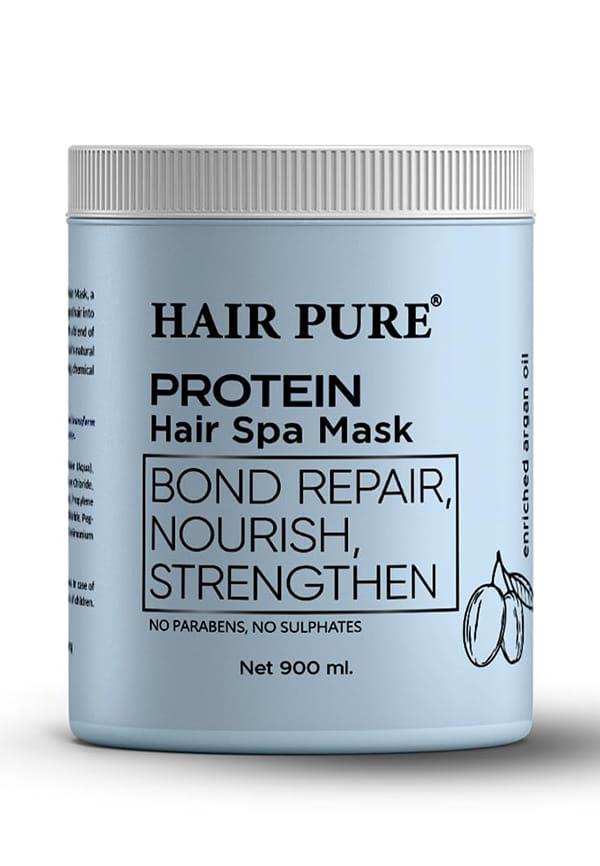
Protein Hair Spa Mask Bond Repair & Nourish
Improved Hair Quality
5“improved hair quality.nice and great”
Nice Product, Smells Good
4“nice product... smells good...”
Excellent Product!
5“it's a very nice product...it suits my skin perfectly...I totally love it, and definitely gonna recommend it to my friends and all the family members!!”
For strengthening weak, brittle hair, combine 3 tablespoons melted coconut oil, 2 whole eggs, and 1 tablespoon apple cider vinegar. The eggs provide protein to strengthen hair structure, while coconut oil deeply moisturises and the vinegar helps seal the cuticle for added shine.
Whisk everything together until smooth, apply to clean, damp hair, and leave for 15-20 minutes. Rinse with cool water to prevent the egg from cooking in your hair. This treatment is particularly effective for hair that's been weakened by chemical processing or excessive heat styling.
Frizzy, unmanageable hair benefits from this smoothing combination. Blend 1 ripe banana, 2 tablespoons olive oil, and 1 tablespoon honey until completely smooth—any lumps will be difficult to rinse out.
The natural sugars in banana help smooth the hair cuticle, while olive oil provides deep conditioning. Apply to damp hair, focusing on the frizziest areas, and leave for 15-20 minutes. This mask works particularly well for thick, coarse hair that needs serious smoothing power.
If you're dealing with a dry, itchy scalp alongside damaged hair, this soothing mask addresses both concerns. Mix 1/2 cup plain Greek yogurt, 2 tablespoons fresh aloe vera gel, and 1 tablespoon honey.
The probiotics in yogurt help balance scalp health, while aloe vera provides cooling relief and hydration. Apply to both scalp and hair, massage gently, and leave for 20 minutes. This treatment is perfect for sensitive scalps or anyone dealing with irritation from chemical treatments.
Getting the application right can make the difference between an okay treatment and a transformative one. The way you prep your hair, apply the mask, and remove it all impacts how well the deep conditioning treatment works.
Here's how to get salon-quality results from your hair conditioning treatment at home, whether you're using a store-bought mask or a DIY creation.
Start with clean, damp hair—not soaking wet, but not completely dry either. Shampoo as usual, then gently squeeze out excess water with a microfibre towel. Your hair should be damp enough that the mask can spread easily but not so wet that it dilutes the treatment.
Section your hair into 4-6 parts depending on thickness and length. This ensures even application and prevents you from missing any areas. Use clips to keep sections separate and work through one section at a time for the most thorough coverage.
Here's where many people go wrong—applying mask to the roots. Unless you have extremely dry hair or a scalp-specific treatment, focus on mid-lengths to ends where damage is typically worst. Start about 2 inches from your scalp and work the mask through to the tips.
Use a wide-tooth comb or your fingers to distribute the mask evenly. The goal is to coat every strand without creating a heavy, goopy mess. For extra penetration, cover with a shower cap or plastic wrap—the gentle heat from your scalp helps the ingredients work more effectively.
Timing matters more than you might think. Fine hair processes treatments quickly and can become overloaded with too much time, while thick, coarse hair needs longer to absorb the benefits. Start with the recommended time on your product and adjust based on how your hair responds.
When it's time to rinse, use cool water to seal the hair cuticle and lock in the treatment benefits. Rinse thoroughly—any residue left behind can weigh hair down or cause buildup. Follow with a light leave-in conditioner if your hair tends to tangle easily.
Not all hair masks are created equal, and what works amazingly for your friend might be completely wrong for your hair type. Understanding your hair's specific needs—whether it's porosity, texture, or damage level—helps you choose the most effective treatment.
The key is matching the right ingredients to your hair's current condition, not just what you wish it would become. Here's how to decode what your hair actually needs right now.
For dry hair, look for oil-based ingredients like argan, jojoba, or shea butter that can penetrate the hair shaft and provide lasting moisture. These ingredients work by filling in gaps in the cuticle and creating a protective barrier against moisture loss.
Damaged hair needs protein-rich formulas with keratin, amino acids, or hydrolysed proteins that can rebuild broken hair bonds. However, be careful not to overdo protein treatments—too much can make hair brittle and prone to breakage.
Frizzy hair benefits from smoothing ingredients like silicones, ceramides, and natural oils that coat the hair shaft and prevent humidity from causing frizz. Look for masks that specifically mention anti-frizz or smoothing properties.
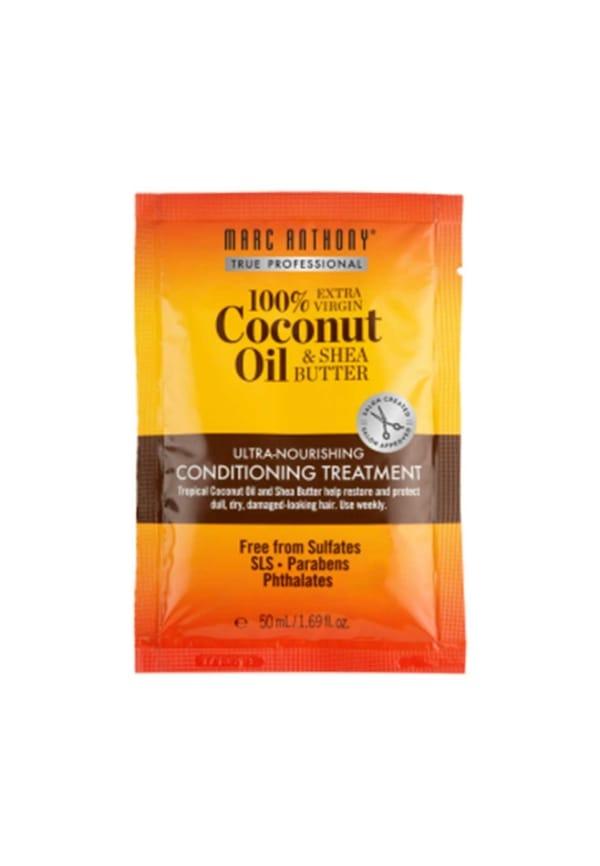
Hydrating Coconut Oil And Shea Butter Deep Nourishing Conditioning Treatment Mask
Fine hair requires lightweight formulas that won't weigh it down. Avoid heavy oils and butters, instead choosing masks with rice protein, bamboo extract, or other volumising ingredients that add body without bulk.
For thick, coarse hair, you can handle richer, more intensive treatments. Look for masks with multiple oils, butters, and conditioning agents that can penetrate through multiple cuticle layers to reach the hair shaft.
Even with the best intentions, it's easy to make mistakes that can actually damage your hair or reduce the effectiveness of your intensive hair conditioner. These common errors can turn a beneficial treatment into a hair disaster, so it's worth knowing what to avoid.
The biggest mistake is over-conditioning, especially with protein treatments. Your hair needs a balance of moisture and protein—too much of either can cause problems. Over-moisturised hair becomes limp and stretchy, while over-proteined hair becomes brittle and breaks easily.
Another major error is applying mask to oily roots. Unless you have extremely dry hair or a scalp-specific treatment, adding rich conditioning ingredients to already oily roots will just make them greasier and potentially clog follicles.
Using water that's too hot for rinsing is another common mistake. Hot water opens the hair cuticle, which means all those conditioning ingredients you just applied can wash right back out. Cool water seals the cuticle and locks in the treatment benefits.
Inconsistent treatment schedules also reduce effectiveness. Deep conditioning works best when done regularly—sporadic treatments won't give you the cumulative benefits that consistent care provides. Set a schedule and stick to it for the best results.
Finally, mixing incompatible ingredients in DIY masks can neutralise their benefits or even damage your hair. Research ingredient combinations before experimenting, and always do a patch test first.
A good hair mask for deep conditioning should contain ingredients that match your specific hair needs. For damaged hair, look for protein-rich formulas with keratin or amino acids. For dry hair, choose masks with natural oils like argan or coconut oil. The best masks penetrate deeply, provide lasting benefits, and don't weigh your hair down. Brands available on Smytten like Manetain, Love Beauty & Planet, and Brillare offer excellent options you can trial before committing to full sizes.
Yes, hair masks and deep conditioners are essentially the same thing—both provide intensive conditioning beyond what regular conditioner offers. The terms are often used interchangeably, though "hair mask" sometimes refers to thicker, cream-based treatments while "deep conditioner" might include lighter formulations. The key is the concentration of active ingredients and longer processing time compared to regular conditioner.
Start with clean, damp hair and section it for even application. Apply your chosen mask from mid-lengths to ends, avoiding oily roots. Cover with a shower cap for better penetration and leave for 5-20 minutes depending on your hair type. Rinse thoroughly with cool water to seal the cuticle. For best results, deep condition weekly for damaged hair or bi-weekly for healthy hair maintenance.
The best DIY mask depends on your hair's needs, but a simple avocado and honey mask works well for most hair types. Mash one ripe avocado with 2 tablespoons honey and 1 tablespoon olive oil. This combination provides moisture, protein, and shine-enhancing properties. For protein-focused treatment, try coconut oil and egg, while banana and olive oil work well for frizz control.
Frequency depends on your hair's condition and type. Severely damaged or chemically-treated hair benefits from weekly treatments, while healthy hair needs deep conditioning only bi-weekly or monthly. Fine hair processes treatments quickly and may need less frequent applications, while thick, coarse hair can handle more regular intensive conditioning. Start weekly and adjust based on how your hair responds.
While some leave-in treatments are designed for overnight use, most rinse-out masks should not be left on for more than 30 minutes. Leaving heavy conditioning treatments on too long can cause over-conditioning, making hair limp, greasy, or prone to breakage. If you want overnight treatment, choose products specifically formulated as overnight masks or sleeping treatments.
Finding the right hair mask for deep conditioning is about understanding your hair's specific needs and choosing treatments that address those concerns effectively. Whether you're dealing with damage from chemical processing, dryness from environmental factors, or just want to maintain healthy hair, there's a moisturising hair mask that can help transform your strands.
The key is consistency and proper application—even the best hair repair mask won't work miracles if you use it sporadically or apply it incorrectly. Focus on mid-lengths to ends, choose the right processing time for your hair type, and maintain a regular treatment schedule for the best results.
Remember that DIY options can be just as effective as store-bought treatments, especially when you understand which ingredients work for your specific concerns. Whether you choose professional formulations or kitchen-based recipes, the principles remain the same: deep penetration, adequate processing time, and ingredients that match your hair's needs.
Discovering the perfect deep conditioning treatment for your hair doesn't have to involve expensive salon visits or buying full-size products that might not work for you. Smytten is India's largest product discovery and trial platform, connecting consumers with top lifestyle, beauty, wellness, and grooming brands through curated Trial Packs. With mini-sized products from over 2,400 trusted brands including the hair mask options mentioned in this guide, you can explore and experience different treatments before committing to full-size purchases. Each mini is linked with Trial Points, and you can get up to 10 Trial Points for just ₹279, plus Smytten offers 100% cashback on the purchase of these minis, redeemable in the shop section for future orders. This makes finding your perfect hair mask both affordable and rewarding—because why settle for 'maybe' when you can #TryItAll!
