9 Hair Repair Tips for Damaged Hair Solutions

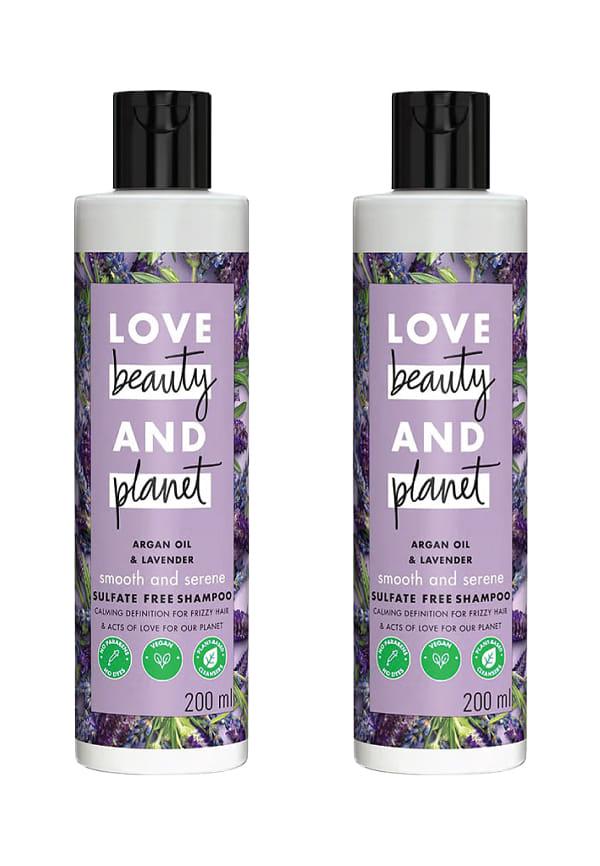
Argan Oil and Lavendar Sulfate Free Shampoo (Pack of 2)
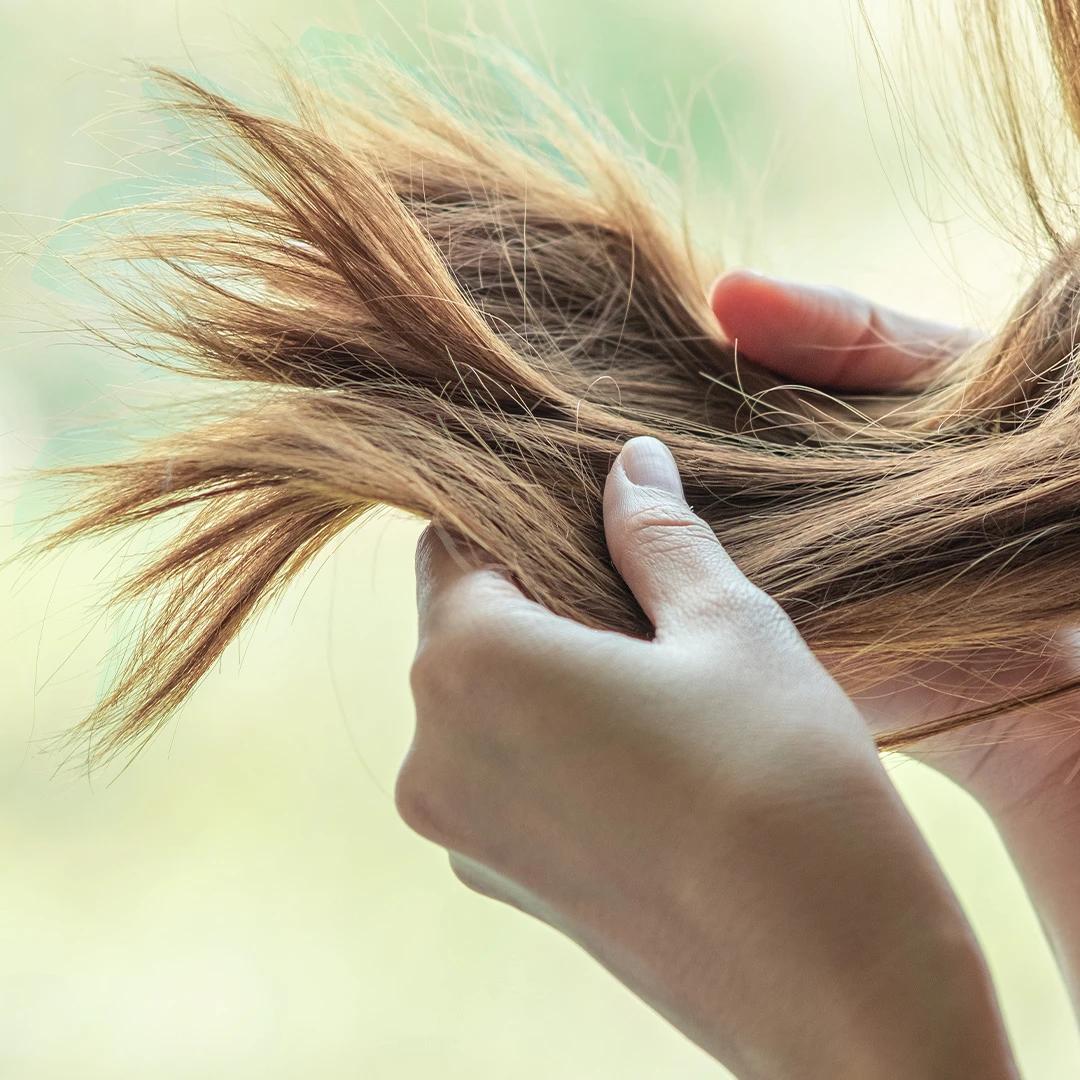
You know that moment when you catch your reflection and realise your hair looks more like straw than silk? We've all been there. Whether it's from too many heat styling sessions, chemical treatments gone wrong, or just life happening, damaged hair can feel like a lost cause. But here's the thing—with the right hair treatment for damage and a bit of patience, you can actually turn things around. Let's dive into nine hair repair tips that'll help you get back to having hair that feels as good as it looks.
Before we jump into solutions, let's talk about what damaged hair actually looks like. Split ends are the obvious giveaway, but there's more to it. Your hair might feel rough to the touch, lack shine, break easily when you brush it, or just refuse to hold any style. Sound familiar?
The culprits behind hair damage are pretty much everywhere. Heat styling tools like straighteners and curling irons can literally cook your hair cuticles. Chemical treatments—think bleaching, perming, or even some harsh shampoos—strip away your hair's natural protective layer. Then there's environmental damage from sun exposure, pollution, and even hard water that can leave your strands feeling brittle and lifeless.
When your hair gets damaged, the outer layer (called the cuticle) starts to lift and crack. This exposes the inner cortex, making your hair more vulnerable to further damage. It's like having a broken umbrella in the rain—not much protection left. That's why damaged hair solutions need to focus on both repairing what's broken and protecting what's still healthy.
Let's be honest here—once hair is damaged, you can't completely reverse it back to its original state. Hair isn't living tissue like your skin, so it can't heal itself. But that doesn't mean you're stuck with damaged hair forever.
What you can do is temporarily fill in the gaps, smooth down the cuticle, and strengthen what's left. Think of it like putting a really good band-aid on a cut—it won't make the cut disappear, but it'll protect it and make it look and feel better. Hair restoration treatments work by depositing proteins, moisture, and other nutrients into the damaged areas of your hair shaft.
The key is managing your expectations. You'll start seeing improvements in how your hair feels within a few weeks of consistent hair repair efforts. But for significant visual changes, you're looking at about 2-3 months of dedicated care. The good news? Every new inch of hair that grows will be healthier if you're taking proper care of it.
You've probably wondered whether those expensive salon treatments are worth it or if you can get the same results at home. The truth is, both have their place in your hair repair journey.
Professional treatments like Olaplex, protein reconstructors, and deep conditioning masks can deliver more concentrated ingredients and often show faster results. They're particularly good for severely damaged hair that needs intensive intervention. The downside? They can cost anywhere from ₹2,000 to ₹8,000 per session, and you'll need multiple treatments.
At-home hair strengthening treatments are more budget-friendly and convenient. You can do them on your own schedule, and many are surprisingly effective. The trade-off is that results might take longer to show, and you'll need to be consistent with your routine. For most people dealing with moderate damage, a good at-home routine can work wonders.
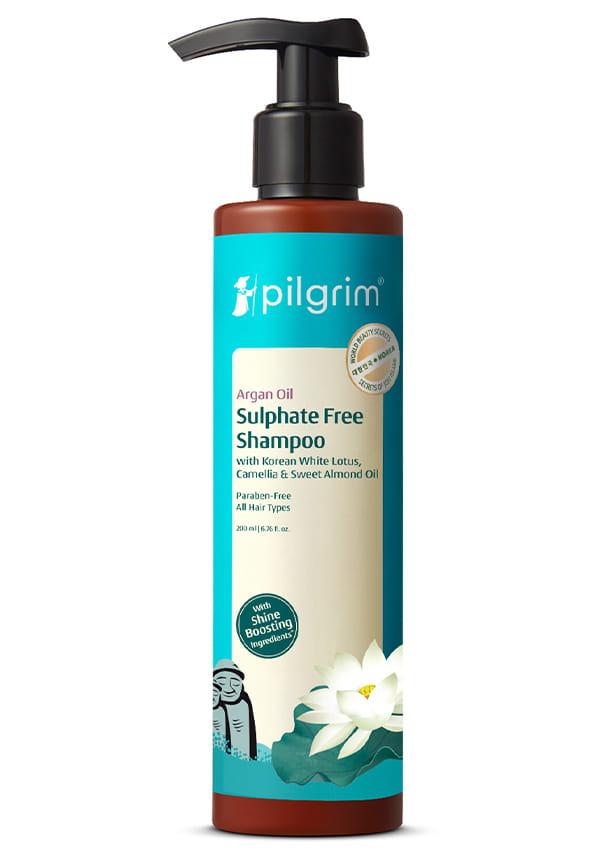
Hydrating Sulfate Free Shampoo With Argan Oil
Your shampoo might be sabotaging your hair repair efforts. Sulfates are harsh detergents that strip away natural oils and can further damage already compromised hair. Look for gentle, sulfate-free formulas with ingredients like keratin, argan oil, or ceramides that actually help with hair nourishment while cleansing.
Conditioning isn't just about making your hair feel soft—it's crucial for damaged hair solutions. Apply conditioner from mid-length to ends, never on your roots. Leave it on for at least 3-5 minutes to let the ingredients penetrate. For extra damaged areas, try the "conditioner sandwich" method: apply conditioner, gently detangle, then apply another layer before rinsing.
Think of deep conditioning as a weekly spa day for your hair. These intensive treatments deliver concentrated hair nourishment that regular conditioners can't match. You can use store-bought masks or try DIY remedies for damaged hair like a mixture of honey, coconut oil, and egg yolk. Apply to damp hair, cover with a shower cap, and let it work for 20-30 minutes.
We know, we know—easier said than done. But heat is one of the biggest enemies of damaged hair. When you do use heat tools, always apply a heat protectant first. Look for products with silicones or proteins that create a barrier between your hair and the heat. Try to keep temperatures below 180°C and give your hair heat-free days whenever possible.
This might sound counterproductive when you're trying to grow your hair, but regular trims are essential for split end repair. Split ends can travel up the hair shaft, causing more damage. Trim every 6-8 weeks, or whenever you notice splits. Even just taking off a centimetre can make a huge difference in how healthy your hair looks and feels.
Damaged hair often lacks protein, which is essential for hair strengthening. You can tell if your hair needs protein if it feels mushy when wet or stretches too much without bouncing back. Try a protein treatment once a week—you can use store-bought options or make your own with ingredients like gelatin or rice water. Just don't overdo it, as too much protein can make hair brittle.
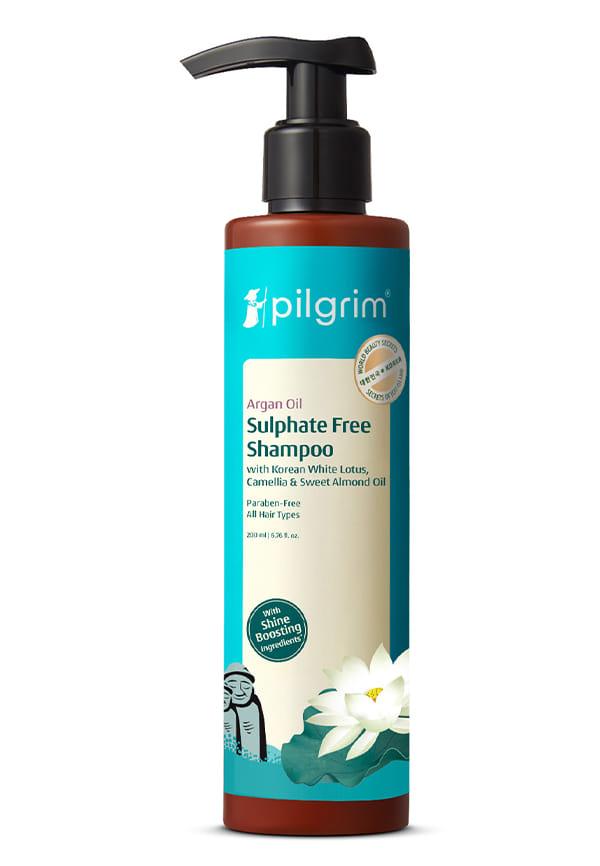
Argan Oil Sulphate Free Shampoo
While you sleep, your hair can be getting some serious TLC. Apply a small amount of nourishing oil like argan, coconut, or jojoba to your mid-lengths and ends before bed. Cover with a silk scarf or use a silk pillowcase to prevent friction. This gives the oils hours to penetrate and repair your hair cuticles.
How you brush your hair can make or break your hair breakage treatment efforts. Always detangle when hair is damp and has some conditioner or leave-in treatment on it. Start from the ends and work your way up, using a wide-tooth comb or a brush specifically designed for wet hair. Never brush wet hair aggressively—it's at its most vulnerable state.
Healthy hair tips aren't just about what you put on your hair—it's also about what you put in your body. Hair restoration starts from within. Make sure you're getting enough protein, iron, vitamins A, C, and E, and omega-3 fatty acids. Foods like eggs, spinach, salmon, and nuts can all contribute to stronger, healthier hair growth.
Sometimes you need quick results—maybe you have an event coming up or your hair is in crisis mode. While true hair repair takes time, there are some emergency protocols that can improve how your hair looks and feels in just a day or two.
Start with an intensive protein treatment followed by a deep conditioning mask. Apply a leave-in treatment with silicones for instant smoothness and shine. Use a hair serum on the ends to seal split ends temporarily. This won't fix the damage permanently, but it'll buy you time while you work on a longer-term hair repair strategy.
For a 48-hour intensive routine, alternate between protein and moisture treatments. Day one: protein treatment and light conditioning. Day two: skip the protein and focus on deep moisture. This helps balance your hair's needs without overwhelming it with too much of one thing.
Damaged hair and frizzy hair often go hand in hand, creating a double challenge. When your hair cuticles are damaged, they can't lay flat, which leads to frizz and makes your hair more susceptible to humidity.
For hair treatment for damage and frizzy hair, you need products that address both issues simultaneously. Look for treatments with ingredients like keratin, which smooths the cuticle, and hyaluronic acid, which provides moisture without weighing hair down. Anti-humidity serums can also help create a protective barrier against environmental factors that worsen both damage and frizz.
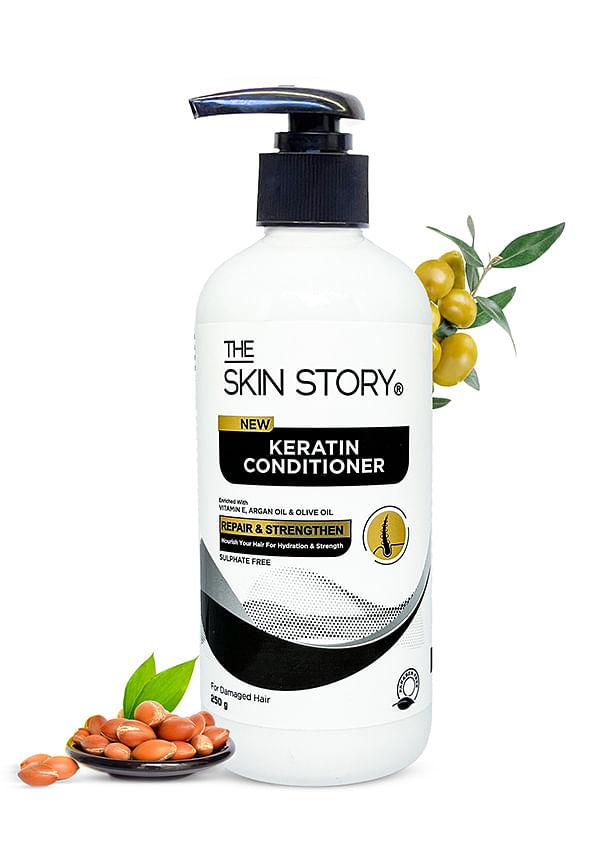
Sulphate Free Keratin Conditioner Enriched With Vitamin E, Argan Oil For Damaged Hair
When styling damaged, frizz-prone hair, work with your hair's natural texture rather than against it. Use leave-in treatments, scrunch rather than brush when styling, and consider protective styles that keep your ends tucked away from environmental damage.
The best treatment depends on your specific type of damage. For severely damaged hair, professional bond repair treatments like Olaplex can be game-changers. For moderate damage, a combination of weekly protein treatments and deep conditioning masks usually works well. The key is consistency rather than any single miracle treatment.
Start with a gentle, sulfate-free shampoo and always follow with conditioner. Add a weekly deep conditioning treatment and a protein treatment every other week. Minimise heat styling, get regular trims, and be patient—hair repair is a marathon, not a sprint.
There's no single "best" repair because damaged hair needs multiple approaches. A combination of protein treatments for structure, deep conditioning for moisture, protective styling to prevent further damage, and good nutrition for healthy new growth gives you the best chance of success.
While you can't completely reverse damage to existing hair, you can significantly improve its appearance and prevent further damage. The goal is to make damaged hair look and feel healthier while ensuring new growth is as healthy as possible.
Hair repair isn't about finding one magic product—it's about creating a routine that addresses your hair's specific needs. Whether you're dealing with heat damage, chemical processing gone wrong, or just general wear and tear, these nine tips can help you get back on track to healthier hair.
Remember, consistency is key. You might not see dramatic changes overnight, but stick with your routine for a few months and you'll likely be surprised by the improvement. And if you're not sure which products might work for your specific hair concerns, exploring trial-size versions can be a smart way to test different formulations before committing to full bottles. Smytten offers trial packs from trusted haircare brands, letting you discover what works for your hair without the guesswork or expense of buying full-size products that might not suit your needs.
