9 Hair Dandruff Treatment Options for Itchy Scalp Relief

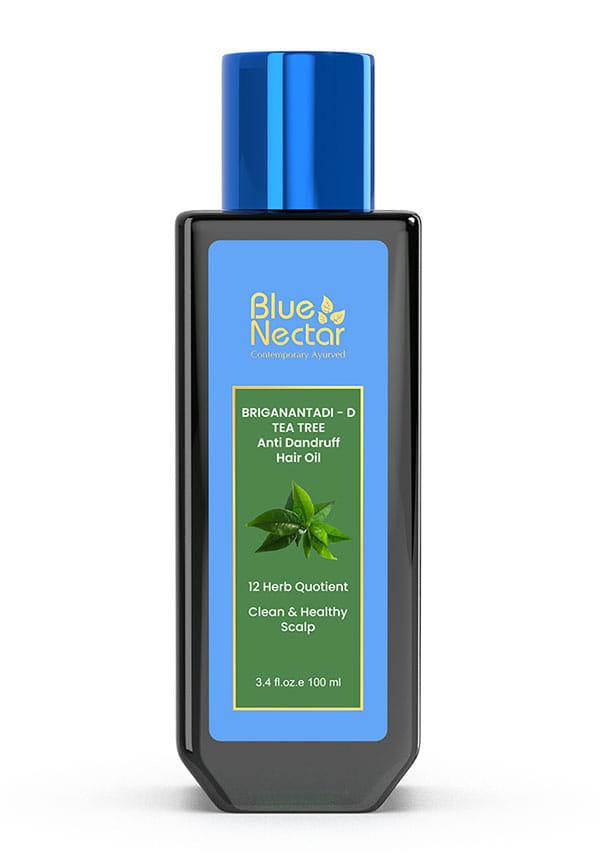
Tea Tree Anti Dandruff and Healthy Scalp Oil 12 Herbs
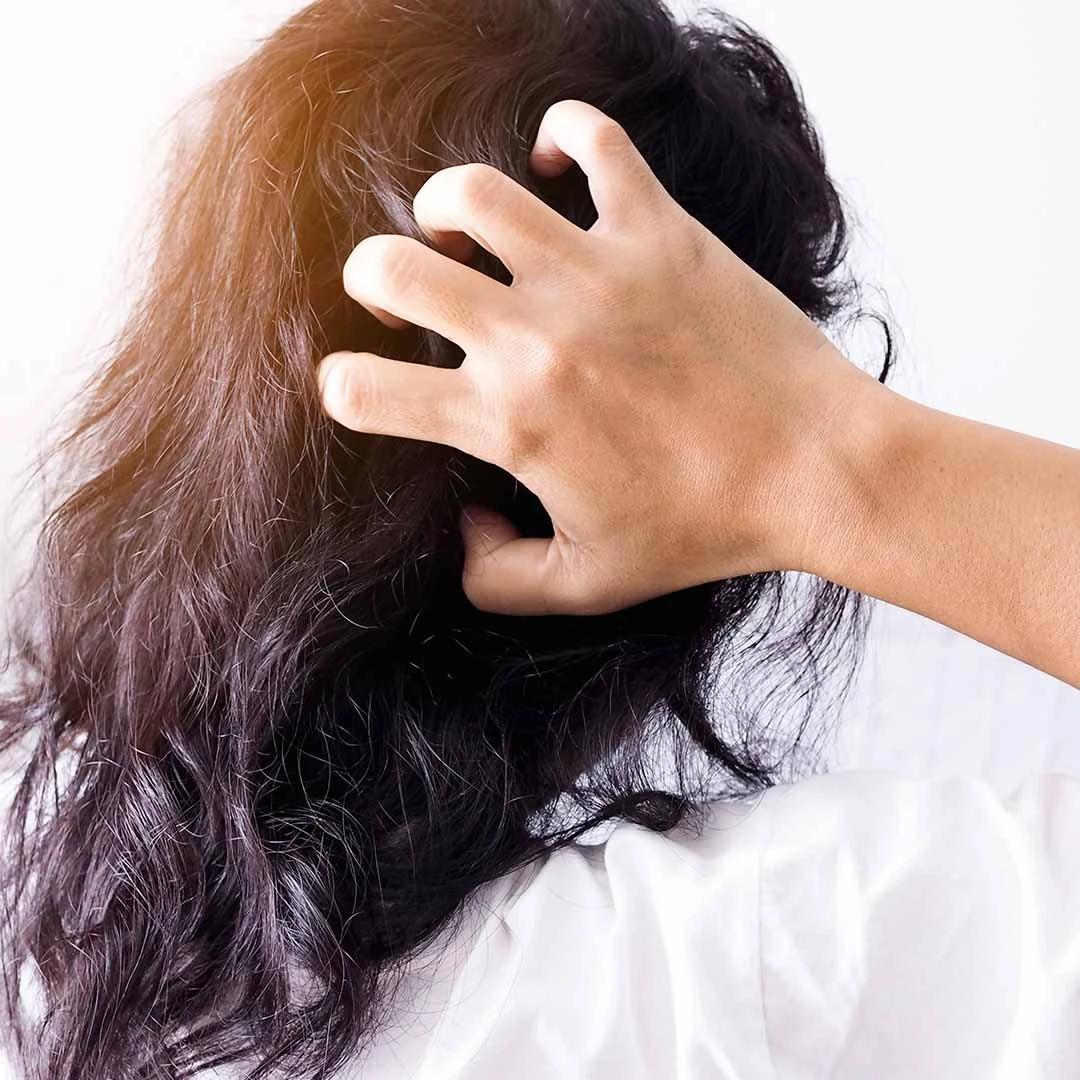
You know that moment when you're scrolling through your phone and suddenly feel the urge to scratch your scalp? Then you notice those telltale white flakes on your shoulders, and you're like, "Not again." Real talk—dandruff affects about half of all adults worldwide, so you're definitely not alone in this struggle. Whether it's the constant itching, the visible flakes, or just feeling self-conscious about your scalp health, finding the right hair dandruff treatment options can feel overwhelming. But here's the thing: there are actually loads of effective ways to tackle this, from gentle home remedies to targeted medical treatments. Let's dive into nine proven approaches that might just become your scalp's new best friends.
Before jumping into dandruff remedies, it's worth understanding what's actually happening up there. Dandruff isn't just "dry skin"—it's usually caused by an overgrowth of a naturally occurring fungus called Malassezia. This little troublemaker feeds on the oils your scalp produces, and when it gets a bit too enthusiastic, it can cause irritation and those flaky patches we all know and hate.
The main culprit behind most scalp flaking solutions is that Malassezia fungus, but it's not working alone. Seborrheic dermatitis treatment often involves addressing multiple factors: hormonal changes, stress levels, and even the weather can all play a part. Some people are just more sensitive to this fungus than others, which explains why your mate might have a perfectly flake-free scalp whilst you're dealing with constant irritation.
Here's where it gets interesting—not all dandruff is the same. Oily scalp dandruff tends to produce larger, yellowish flakes and often comes with that greasy feeling, whilst dry scalp treatment focuses on smaller, white flakes that feel tight and uncomfortable. Knowing which type you're dealing with helps you pick the most effective approach.
Sometimes you need to bring in the big guns, and that's where medically-proven treatments come in. These aren't necessarily prescription-only—many effective anti-dandruff ingredients are available over the counter and can provide serious itchy scalp relief.
Let's start with the classics that actually have science backing them up. Zinc pyrithione is probably the most common active ingredient you'll find in anti-dandruff shampoo, and it works by slowing down the production of skin cells whilst also fighting that pesky fungus. Ketoconazole is another powerhouse—it's specifically antifungal and can be incredibly effective for stubborn cases. Selenium sulfide might sound a bit scary, but it's brilliant for dandruff control because it reduces both flaking and itching. The key is finding which one your scalp responds to best, as everyone's different.
The selenium sulphide option gives us a useful starting point for looking at a specific shampoo. If those “not again” moments sound familiar, here’s how Head & Shoulders describes its Clinical Strength Shampoo:
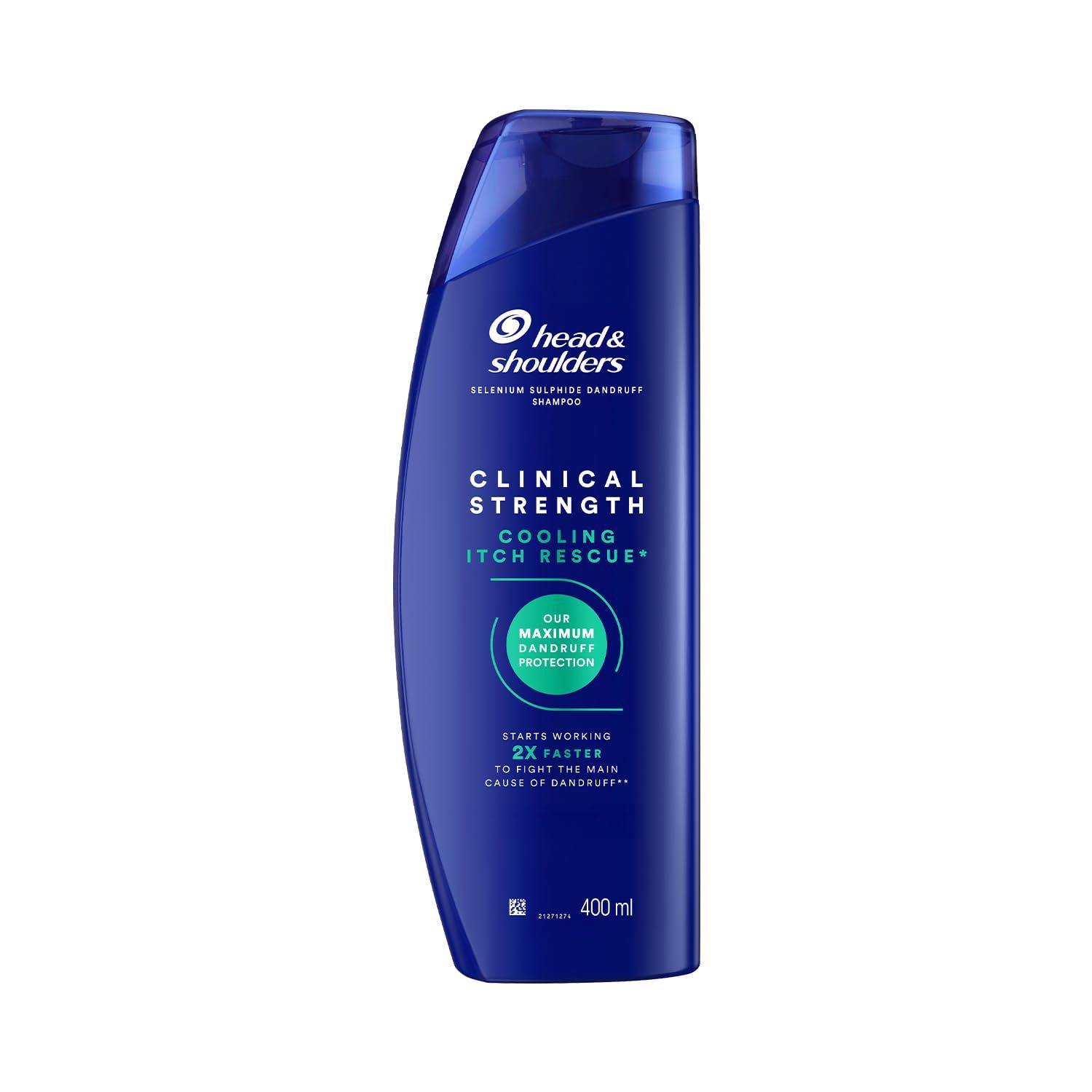
*Head & Shoulders Clinical Strength is a proven solution for stubborn dandruff, to help tackle dandruff that keeps coming back. Powered by 1% Selenium Sulfide, a potent anti-infective agent that helps kill excess yeast and clear up inflammation, this shampoo works 2X faster to fight the main cause of dandruff. With 4X stronger efficacy against stubborn dandruff*, it helps break the cycle of stubborn dandruff**. As dermatologists' No. 1 choice***, the shampoo removes up to 100% of the root cause of dandruff in 4 hours, helping you be dandruff-free from the 1st wash****. Now with New Fragrance Technology, it delivers a refreshing fragrance, without compromising on the efficacy of the shampoo. While delivering powerful dandruff protection, the formula is also supplemented with conditioning agents that help leave hair feeling soft and smooth. Head & Shoulders’s unique technology also helps maintain the scalp barrier, making the formula gentle enough to use with every wash.
*vs H&S Smooth & Silky Sh. with regular use
**visible flakes, with regular use
***As surveyed with Dermatologists' aware of Head & Shoulders at the 2023 World Congress of Dermatology. Singapore
****Best results after 3 weeks
When over-the-counter options aren't cutting it, your dermatologist might suggest stronger seborrheic dermatitis treatment options. Topical steroids can calm severe inflammation, whilst prescription-strength antifungal treatments can tackle persistent fungal overgrowth. These aren't your first line of defence, but they can be game-changers for people dealing with chronic, severe dandruff.
Some dermatologists offer in-office treatments like light therapy or professional scalp treatments that can provide targeted itchy scalp relief. These are usually reserved for severe cases, but they can be worth considering if you've tried everything else without success.
Not everyone wants to jump straight to medicated shampoos, and that's totally fair. There are some brilliant natural dandruff cures that have been used for ages and actually have research supporting their effectiveness. Plus, they're often gentler on your scalp and wallet.
Tea tree oil is one of those home remedies for dandruff that actually has proper scientific backing. It's naturally antifungal and anti-inflammatory, making it perfect for tackling the root causes of flaking. The trick is diluting it properly—pure tea tree oil can be way too harsh. Mix a few drops with a carrier oil like coconut or jojoba, or look for shampoos that already contain it in the right concentration.
Your scalp's pH balance plays a huge role in its health, and apple cider vinegar can help restore that balance. It's one of those dandruff remedies that sounds a bit odd but actually works. The acidity helps create an environment where that troublesome fungus can't thrive. Mix equal parts water and apple cider vinegar, apply it to your scalp, leave for a few minutes, then rinse thoroughly.
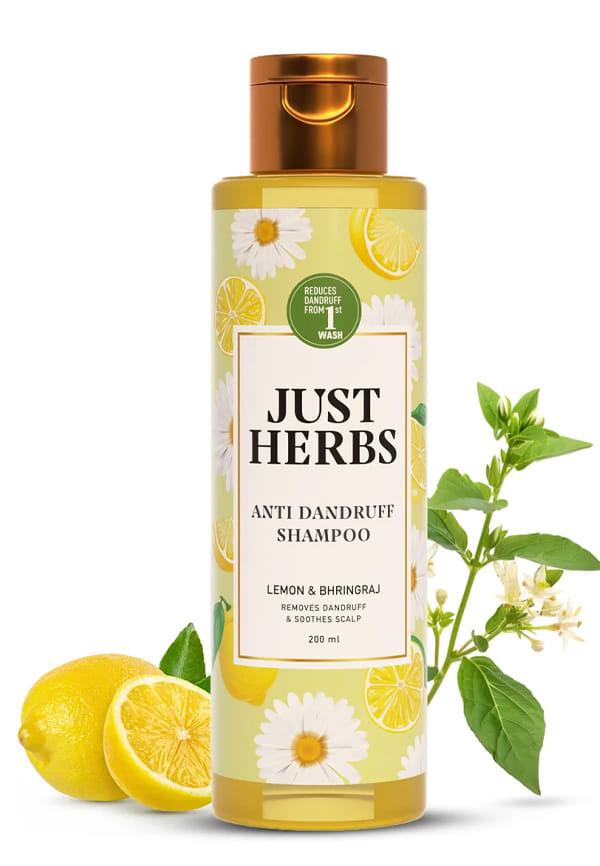
Anti Dandruff Shampoo | Lemon, Bhringraj & 12 Herbs
Cleans scalp, removes dandruff
 5
“It cleans my scalp and vanishes all the dandruff from the scalp.”
Favourite Product Ever
5“this is my favourite product ever”
Favourite Product Ever
5“this is my favourite product ever”
For dry scalp treatment, these two are absolute heroes. Coconut oil has natural antifungal properties and provides deep moisturisation, whilst aloe vera soothes inflammation and irritation. You can use them separately or mix them together for a super-nourishing treatment. Apply to your scalp, leave for 20-30 minutes, then wash out with a gentle shampoo.
Sometimes the most effective dandruff control comes from looking at the bigger picture. Your lifestyle, diet, and daily habits can all impact your scalp health in ways you might not expect.
This might sound obvious, but proper scalp hygiene is one of the most important scalp flaking solutions. How often you wash your hair depends on your scalp type—oily scalps might need daily washing, whilst dry scalps do better with less frequent washing. When you do wash, focus on massaging your scalp gently with your fingertips (not nails!) to help remove flakes and improve circulation.
What you eat can definitely impact your scalp health. Foods rich in omega-3 fatty acids, zinc, and B vitamins can support healthy skin and potentially reduce inflammation. Some people find that cutting back on sugar and processed foods helps with their dandruff, though the research on this is still developing. It's worth experimenting to see if dietary changes make a difference for you.
Stress is a major trigger for dandruff flare-ups, so finding ways to manage it can be surprisingly effective for dandruff control. Whether that's through exercise, meditation, or just making sure you get enough sleep, taking care of your overall wellbeing often reflects in your scalp health too.
With so many hair dandruff treatment options available, picking the right one can feel a bit overwhelming. The key is understanding your specific scalp needs and starting with gentler approaches before moving to stronger treatments if needed.
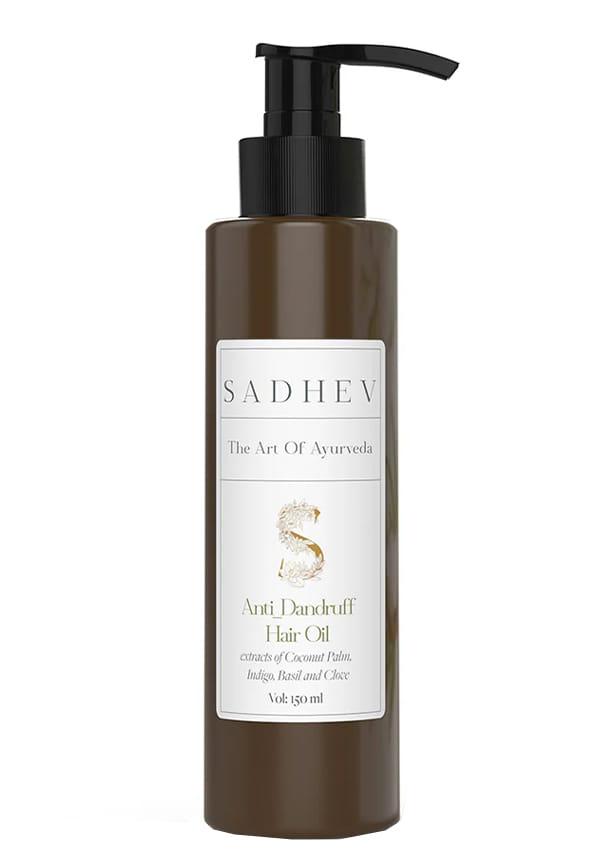
Ayurvedic Anti - Dandruff Oil - Coconut, Holy Basil & Clove 150ml
If you're dealing with mild, occasional flaking, starting with natural remedies or a gentle anti-dandruff shampoo makes sense. For persistent or severe dandruff, you might want to jump straight to medicated treatments. Many people find that combining approaches works best—like using a medicated shampoo twice a week and natural treatments in between. Just remember that most scalp flaking solutions take 2-4 weeks to show real results, so patience is key.
If you've been trying treatments for 6-8 weeks without improvement, or if you're experiencing severe itching, redness, or hair loss, it's time to see a dermatologist. Sometimes what looks like simple dandruff might actually be seborrheic dermatitis treatment or another scalp condition that needs professional attention.
Complete dandruff removal usually requires a combination approach. Start with a good anti-dandruff shampoo containing zinc pyrithione or ketoconazole, use it consistently for at least 4 weeks, and complement it with natural treatments like tea tree oil. Most people see significant improvement within 2-4 weeks, but maintaining a good scalp care routine is essential for preventing it from coming back.
For rapid itchy scalp relief, medicated shampoos with ketoconazole or selenium sulfide tend to work fastest, often showing results within 1-2 weeks. Tea tree oil treatments can also provide quick relief from itching and inflammation. However, "quick" is relative with dandruff—even the most effective treatments typically need at least a week or two to show noticeable results.
Dandruff is more about management than a permanent cure. Since it's often caused by an overgrowth of naturally occurring fungus, it can return if you stop treating it. However, with the right hair dandruff treatment options and consistent scalp care, most people can keep it completely under control and flake-free for long periods.
Home remedies for dandruff can be incredibly effective for long-term management, especially for mild cases. Natural treatments like tea tree oil, apple cider vinegar, and proper scalp hygiene can keep dandruff at bay indefinitely for many people. However, severe or persistent cases might need medicated treatments for the best results.
Finding the right hair dandruff treatment options is often about trial and patience—what works brilliantly for your friend might not be your scalp's cup of tea, and that's completely normal. Start with gentler approaches like natural dandruff cures or mild anti-dandruff shampoos, and don't be afraid to combine different methods for better results. Remember, consistency is key with any dandruff control routine, and most treatments need at least a few weeks to show their full potential. Whether you're dealing with occasional flakes or persistent itchy scalp relief needs, there's definitely a solution out there that'll work for you. Not sure which products might suit your specific scalp type? Smytten offers trial-size versions of many dandruff treatments from trusted brands—a smart way to test what works before committing to full bottles.