9 Frizz-Free Hair Tips for Humid Weather


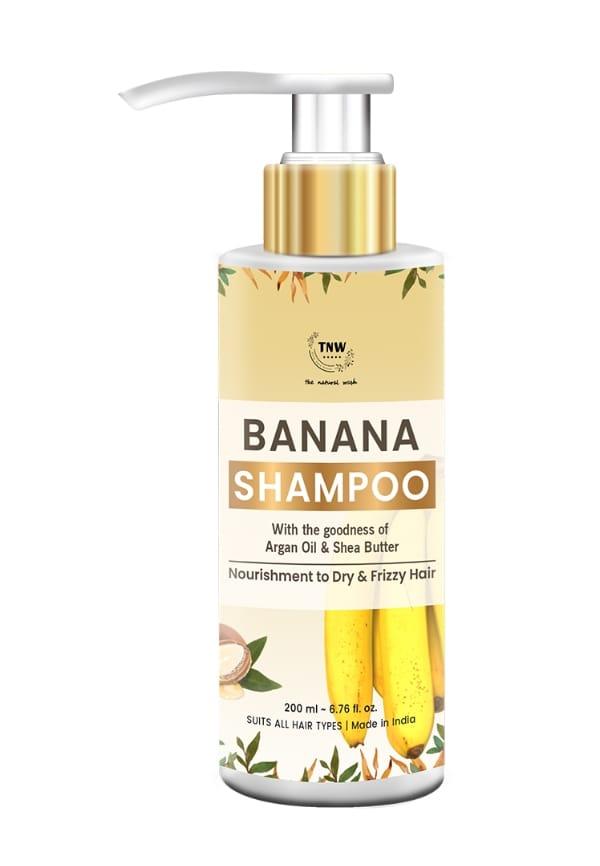
Banana Shampoo for Frizz | AntiFrizz Shampoo for All Hair Types | Banana Shampoo for Manageable Hair200ml
You know that sinking feeling when you check the weather app and see 80% humidity? Your hair knows it too. One minute you're having a decent hair day, the next you're dealing with a frizzy mess that seems to have its own weather system. If you've ever wondered why your carefully styled hair turns into a cloud the moment you step outside, you're definitely not alone. The good news? Learning how to manage frizzy humid hair doesn't have to feel like rocket science.
Let's get real about what's actually happening to your hair when the air gets thick and sticky. Your hair is basically a moisture sponge, and humidity is like an all-you-can-drink buffet for thirsty strands. When there's more moisture in the air than in your hair, those little cuticles lift up to grab every bit of water they can find. Think of it like your hair trying to balance itself out, but instead of looking smooth, it ends up looking like it stuck its finger in an electrical socket.
Hair porosity plays a huge role here too. If your hair is damaged from heat styling, chemical treatments, or just general wear and tear, those cuticles are already roughed up and ready to absorb moisture like crazy. High-porosity hair is basically humidity's best friend – and your worst enemy on muggy days. Even naturally porous hair types can struggle with this, which is why some people seem to have frizz-free hair while others are constantly battling the puff.
Your hair's natural oils also factor into this whole situation. When your scalp produces the right amount of sebum and it's distributed evenly down your hair shaft, it creates a natural barrier against humidity. But if your hair is dry, damaged, or you're over-washing, that protective layer isn't doing its job properly.
Here's something most people skip that could totally change your frizz game: what you do before you even touch shampoo matters. Pre-treating your hair with oils creates a moisture barrier that helps prevent frizzy hair from the get-go. Argan oil, coconut oil, or jojoba oil work brilliantly for this – just work a small amount through your mid-lengths and ends about 30 minutes before washing.
If you're dealing with curly hair in humidity, protective styling before your wash can also help maintain your curl pattern and reduce manipulation. Try a loose braid or twist to keep everything contained. And here's a pro tip: figuring out your hair's porosity level will help you choose the right pre-treatment. Drop a clean strand of hair in a glass of water – if it sinks quickly, you've got high porosity hair that'll drink up moisture (and humidity) fast.
Your washing routine is where the magic really starts. The best shampoo for frizzy hair is typically sulfate-free because harsh detergents strip away those natural oils your hair desperately needs to fight humidity. Look for formulas with moisturising ingredients like glycerin, hyaluronic acid, or natural oils that help smooth frizzy hair from the inside out.
Water temperature is crucial too – hot water might feel amazing, but it's opening up those cuticles and making your hair more susceptible to humidity damage. Stick to lukewarm water for washing and finish with a cool rinse to seal everything down. Co-washing (using conditioner instead of shampoo) can be a game-changer for dry, frizz-prone hair, especially if you're not dealing with oily roots.
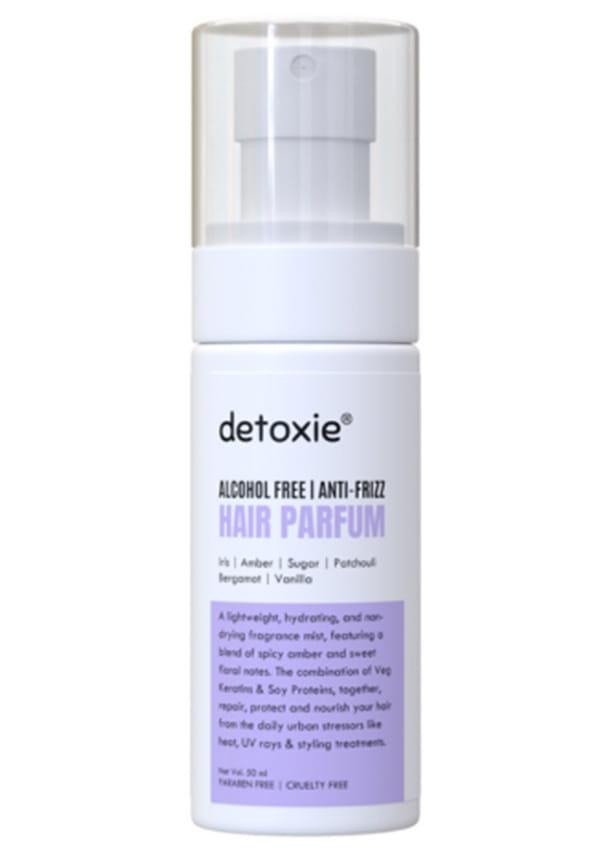
Alcohol Free Anti-Frizz Hair Parfum
When it comes to conditioning, this is where you really want to focus your energy. Apply conditioner from mid-length to ends, leave it on for at least 3-5 minutes, and consider using a wide-tooth comb to distribute it evenly. For extra humidity hair solutions, try a deep conditioning mask once a week – your hair will thank you when the weather gets sticky.
Real talk: how you dry your hair can make or break your anti-frizz efforts. That fluffy cotton towel you've been using? It's probably causing more harm than good. Cotton creates friction and roughens up your cuticles, which is exactly what you don't want when you're trying to achieve frizz-free hair tips that actually work.
Switch to a microfiber towel or even better, use an old cotton t-shirt to gently squeeze (not rub) excess water from your hair. The plopping technique works wonders for curly and wavy hair – just lay the t-shirt flat, flip your hair into it, and twist it up like a turban for 10-15 minutes. This helps your curls form without the frizz-inducing friction.
Air drying is usually your best bet in humid weather, but if you must blow-dry, use a diffuser on low heat and keep that nozzle moving. The key is to dry your hair about 80% and then let it finish air drying – this gives you control over the drying process without completely exposing wet hair to humidity.
Let's talk about the products that'll actually help you control flyaways and keep your hair looking smooth. Leave-in conditioners are your first line of defense – they create a protective barrier and add moisture that helps your hair resist pulling humidity from the air. Apply these to damp hair, focusing on the mid-lengths and ends where frizz tends to be worst.
Hair serum for humidity is different from regular hair oils. Look for silicone-based serums that create a moisture barrier without weighing your hair down. A few drops worked through damp hair can make a massive difference in how your hair handles sticky weather. Just remember – a little goes a long way, and you can always add more.
Heat protectants aren't just for styling tools – many modern formulas include humidity-blocking ingredients that help seal your cuticles. If you're using any heat styling, this step is non-negotiable. For haircare for humid weather, layering is key: leave-in conditioner first, then heat protectant, then any styling products like creams or gels.
If you've got curls, humidity doesn't have to be your enemy. Sometimes the best approach is working with your natural texture instead of fighting it. The scrunching method helps encourage your curl pattern while minimising frizz – just scrunch upward with your styling product and let gravity do its thing.
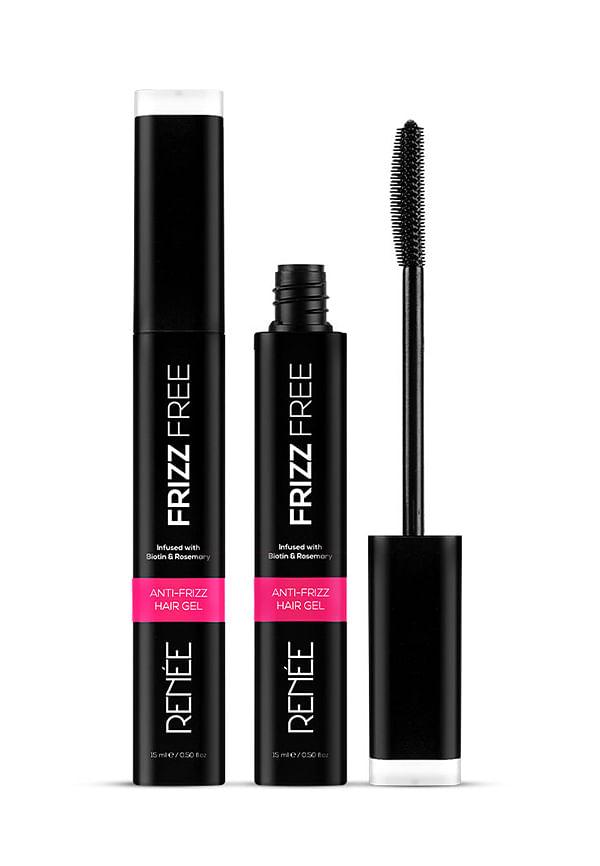
Frizz Free Anti Frizz Hair Gel
Diffusing can be brilliant for curly hair in humidity, but technique matters. Use low heat, hover the diffuser around your curls rather than touching them directly, and scrunch out any crunch once your hair is completely dry. For days when humidity is particularly brutal, protective styles like braids, buns, or twist-outs can keep your hair looking intentional rather than frizzy.
Refresh sprays are your second-day hair saviour. Mix a bit of leave-in conditioner with water in a spray bottle, add a drop of your favourite hair serum, and lightly mist over your hair before scrunching. This reactivates your styling products and adds moisture without starting from scratch.
Nighttime is when a lot of frizz damage happens, and most people don't even realise it. Cotton pillowcases create friction that roughens your cuticles and causes static. Switching to silk or satin pillowcases reduces this friction and helps your hair retain moisture overnight. If you're not ready to invest in new bedding, a silk or satin hair scarf works just as well.
Protective overnight styles can prevent your hair from getting tangled and frizzy while you sleep. Try a loose top knot, a silk scrunchie ponytail, or even loose braids depending on your hair length and texture. The key is keeping everything contained without creating tension that could cause breakage.
For morning touch-ups, keep a small bottle of diluted leave-in conditioner handy. A light mist followed by gentle scrunching can tame overnight frizz without weighing your hair down. If static is an issue, running slightly damp hands over your hair can help control flyaways instantly.
Sometimes you need to bring in the big guns, and professional treatments can offer longer-lasting humidity hair solutions. Keratin treatments create a protective coating that blocks moisture absorption for several months, though they do require maintenance and can be pricey. Protein treatments help strengthen damaged cuticles, making your hair less porous and more resistant to humidity.
DIY options can be surprisingly effective too. Apple cider vinegar rinses help seal cuticles and remove product buildup that can make frizz worse. Mix one part ACV with three parts water, apply after shampooing, and rinse thoroughly. Coconut oil masks work well for deep moisture, but use them sparingly if you have fine hair.
The cost-benefit really depends on your hair type and how much frizz you're dealing with. If humidity makes your life miserable for months at a time, a professional treatment might be worth the investment. For occasional frizz or if you're just starting to address the issue, consistent home care with the right products often does the trick.
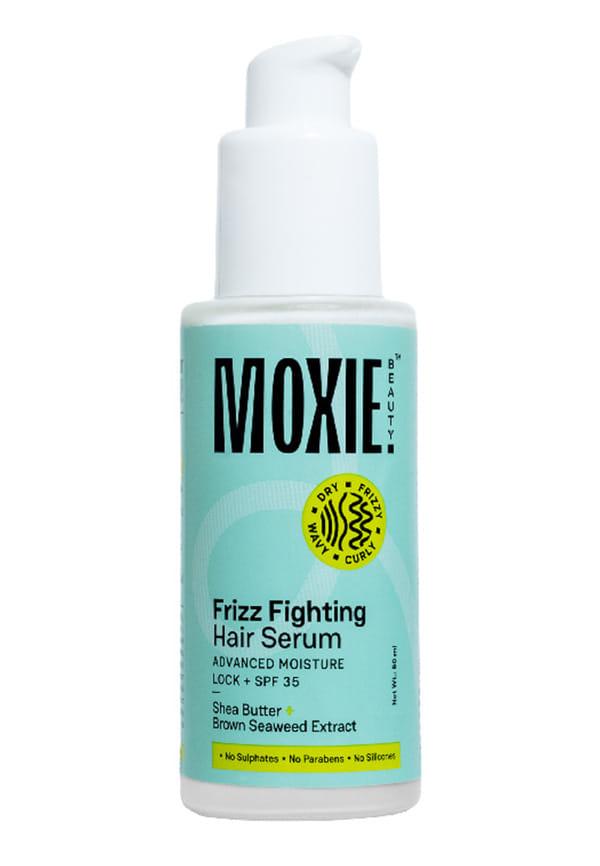
Frizz Fighting Hair Serum For Dry and Frizzy Hair
Focus on moisture retention through proper conditioning, use anti-frizz products with humidity-blocking ingredients like silicones, and avoid over-manipulation. The key is creating a barrier that prevents your hair from absorbing excess moisture from the air.
Create a moisture barrier with leave-in products, use protective styling techniques, and maintain proper hair health through regular deep conditioning. Consistent care routines help your hair become more predictable in humid conditions.
Hair porosity, damage level, and product buildup all affect how your hair responds to humidity. Your hair's moisture level on any given day also plays a role – well-moisturised hair is less likely to grab humidity from the air.
Use silk or satin pillowcases, try protective hairstyles like loose braids or top knots, and apply a light leave-in treatment before bed. This minimises friction and helps your hair retain moisture while you sleep.
Managing frizzy humid hair really comes down to understanding what your hair needs and being consistent with your routine. It's not about having perfect hair every single day – it's about having strategies that work when the weather doesn't cooperate. From choosing the right products to mastering your drying technique, small changes can make a massive difference in how your hair handles humidity.
The most important thing to remember is that frizz isn't a character flaw – it's just your hair responding to its environment. With the right approach, you can work with your hair's natural tendencies instead of constantly fighting them. Whether you're dealing with occasional frizz or daily humidity battles, there's definitely a solution that'll work for your hair type and lifestyle.
Not sure which anti-frizz products might work best for your specific hair needs? Smytten offers trial-size versions of many humidity-fighting haircare products from trusted brands – a smart way to test what works before committing to full-size bottles.
