9 Frizz Control Humidity Solutions for Smooth Hair

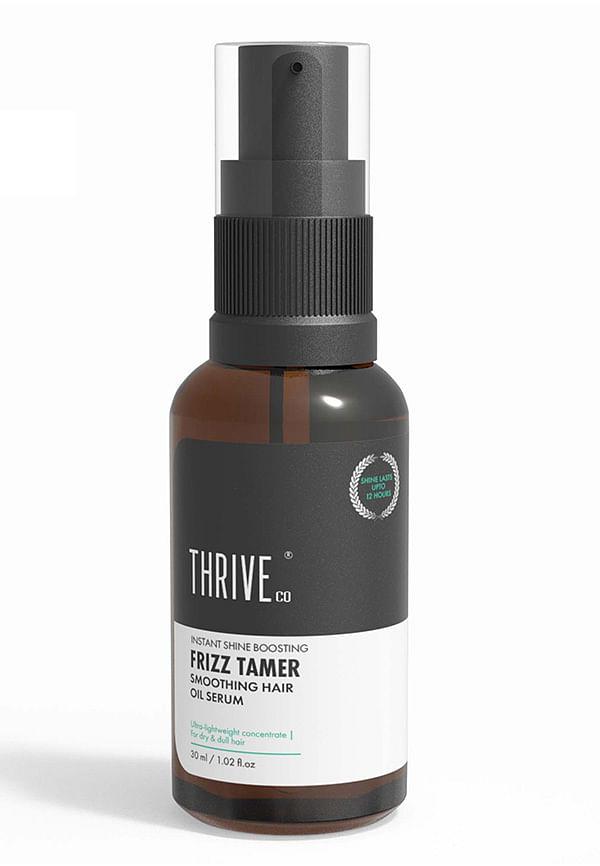
Frizz Tamer Smoothening Hair Oil
Nice & Worthy Product
 4
4“this one is acutually nice worthy spended money on”
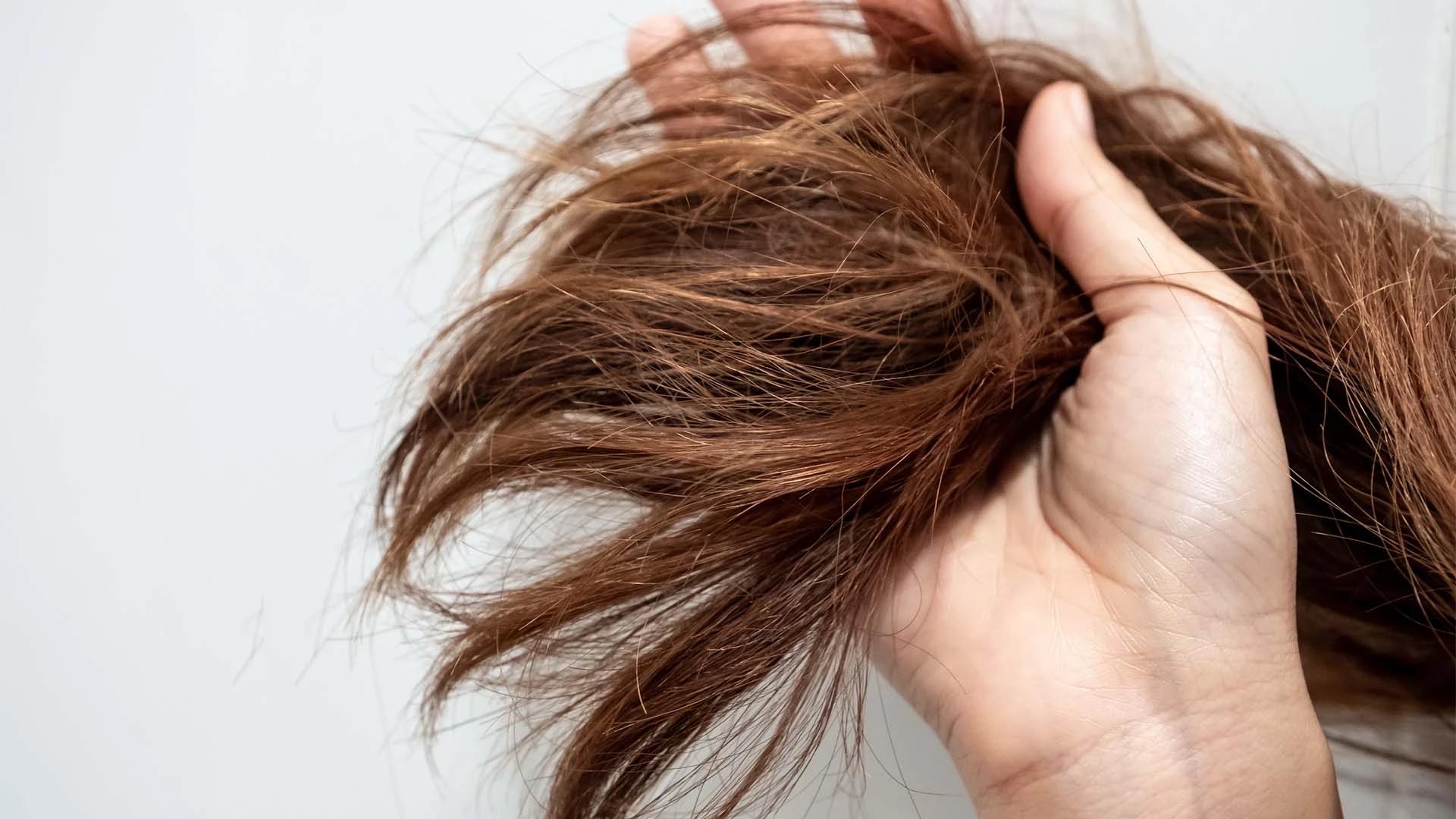
You step out of your air-conditioned room, and within minutes, your perfectly styled hair transforms into a frizzy mess. Sound familiar? That moment when humidity hits and your hair decides to rebel is something most of us know all too well. The good news? There are actually proven ways to keep your hair smooth and sleek, even when the weather's working against you.
Let's get real about what's happening up there. When humidity levels climb above 70%, your hair basically becomes a moisture magnet. The science is pretty straightforward: humid air contains water molecules that penetrate your hair cuticles and disrupt the hydrogen bonds that keep your strands smooth. Think of it like your hair drinking from the air around it, but instead of getting hydrated, it gets chaotic.
Different hair types react differently to this moisture invasion. Curly and coily hair tends to be more porous, making it extra vulnerable to humidity's effects. Fine hair can go limp and lose volume, whilst damaged or chemically treated hair often turns into a frizz festival. The key culprit? An imbalance between the moisture inside your hair and the moisture in the air around you.
Your hair cuticles are like tiny scales that should lie flat for smooth, shiny hair. When humidity strikes, these scales lift up, creating that rough, frizzy texture we all dread. Understanding this process is the first step to fighting back with the right frizz control humidity solutions.
Ready to take control? These nine strategies combine smart product choices with clever techniques to keep your hair looking smooth, no matter what the weather throws at you.
Think of anti-frizz serums as your hair's personal bodyguard against humidity. These smooth hair products work by creating a protective layer around each strand, blocking moisture from penetrating your hair cuticles. Look for serums containing dimethicone or cyclomethicone – these silicones form an invisible shield that keeps humidity at bay whilst adding shine.
Apply serum to damp hair, focusing on mid-lengths and ends where frizz tends to be worst. A little goes a long way – start with a pea-sized amount and add more if needed. The trick is even distribution: rake it through with your fingers or use a wide-tooth comb to ensure every strand gets protection.
Not all hairsprays are created equal when it comes to fighting humidity. The best humidity resistant hairspray options contain polymers that create a flexible film over your hair, locking out moisture whilst maintaining natural movement. Unlike traditional hairsprays that can make hair stiff, these formulas adapt to your hair's natural texture.
Timing is everything with hairspray application. Mist it over your finished style from about 12 inches away, then let it set for a few seconds before touching your hair. For extra protection on particularly humid days, try the layering technique: light mist after styling, then another layer once your hair is completely dry.
Here's something that might surprise you: not all leave-in conditioners work well in humidity. Those containing glycerin can actually attract more moisture from the air, making frizz worse. Instead, look for humidity hair products with ingredients like hydrolysed proteins or amino acids that strengthen your hair's structure from within.
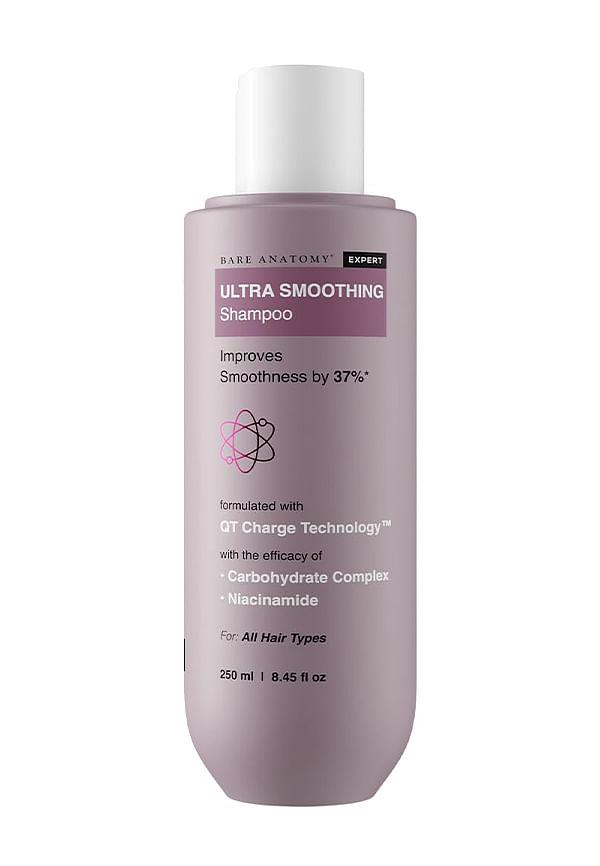
Ultra Smoothing Shampoo for Dry and Frizzy Hair
Loved the feel, nice product
5“used it once and loved the feel! nice product”
Amazing Hair Product
5“amazing product for hair try once”
Hair Smoother & Shinier
5“Makes the hair smoother and silky and shiny”
Apply leave-in conditioner to towel-dried hair, concentrating on areas that tend to get frizzy. These products work best when they're the first thing you apply after washing – they create a foundation that other styling products can build on.
If you're dealing with serious frizz issues, keratin treatments might be worth considering. Professional treatments can last 3-4 months and significantly reduce your hair's porosity, making it naturally more resistant to humidity. At-home keratin treatments offer a gentler alternative that lasts 4-6 weeks.
The key is realistic expectations. Keratin won't completely eliminate frizz, but it can reduce it by 50-80%, making your daily styling routine much easier. Think of it as giving your hair a humidity-resistant upgrade.
Sometimes the simplest solutions work best. Natural oils like argan, jojoba, or coconut oil can seal your hair cuticles and create a barrier against humidity. The trick is using just enough to protect without weighing your hair down.
For fine hair, stick to lighter oils like argan or jojoba and apply only to ends. Thicker hair types can handle coconut oil applied from mid-length down. Warm a few drops between your palms before applying – this helps the oil distribute more evenly.
Your blow-drying technique can make or break your humidity defence. The secret weapon? That cool shot button on your dryer. After styling with heat, blast your hair with cool air for 10-15 seconds. This seals the cuticles and locks in your smooth style.
Ionic dryers are particularly good for frizz fighting tips because they break down water molecules faster, reducing drying time and heat damage. Always point the airflow down the hair shaft – this helps smooth the cuticles and creates that sleek finish.
When humidity levels are through the roof, sometimes the best strategy is working with your hair's natural texture rather than against it. Low buns, braids, and twist-outs can look intentionally styled whilst keeping frizz under control.
The key is choosing styles that don't require your hair to fight its natural tendencies. A sleek ponytail might be perfect for dry weather but could turn into a frizz fest in humidity. Instead, try textured styles that can handle a bit of volume and movement.
Think of this as primer for your hair. Heat protectants with anti-humidity properties create a base layer that other products can build on. Apply these to damp hair before any other styling products – they need direct contact with your hair to work effectively.
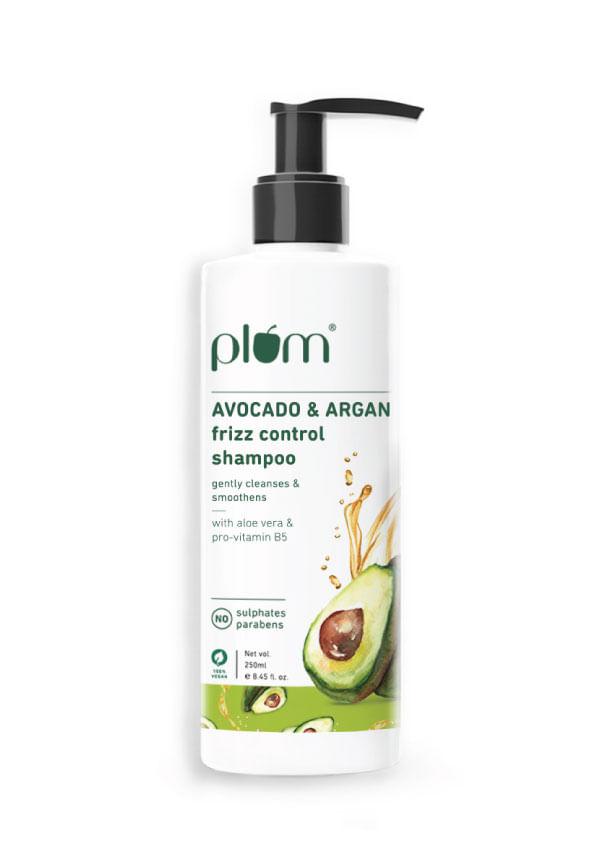
Avocado & Argan Frizz Control Shampoo For Curly, Wavy, Frizzy Hair
Very Nice Product
5“very nice product I love it 😍😍😍”
Makes hair soft and shiny
4“This shampoo is very nice it makes my hair soft and shine”
Awesome & Excellent Products
5“awesome products... Excellent item...”
Layering is crucial here. Start with your humidity barrier, add any styling products you need, then finish with a light mist of anti-humidity spray. Each layer adds another level of protection against moisture invasion.
Even with the best preparation, sometimes frizz happens. Keep a small bottle of diluted leave-in conditioner (mix one part conditioner with three parts water) in your bag for quick touch-ups. Lightly mist over frizzy areas and smooth with your hands.
Another trick: run slightly damp hands over your hair to redistribute natural oils and tame flyaways. Just make sure your hands are barely damp – too much water will reactivate the frizz cycle.
Curly hair faces unique challenges when humidity strikes. The natural structure of curls makes them more porous, meaning they absorb moisture faster than straight hair. But here's the thing – curly hair humidity solutions aren't about fighting your natural texture; they're about working with it.
The key is maintaining moisture balance. Curly hair needs hydration to look its best, but too much moisture from humidity can cause frizz and loss of curl definition. Look for products specifically designed for curls that contain humectants like honey or aloe vera – these attract just enough moisture without going overboard.
Curl creams and gels with anti-humidity properties can help define your curls whilst protecting against frizz. Apply to soaking wet hair using the "praying hands" method – smooth the product down your hair with flat palms rather than scrunching, which can disrupt curl formation. The best frizz control for curly hair often involves embracing your natural texture rather than trying to eliminate it completely.
Spent ages getting your hair pin-straight only to have humidity ruin it within hours? The secret is in the prep work. Before you even pick up your straightener, make sure your hair is completely dry and protected with a heat protectant that specifically mentions humidity resistance.
When straightening, work in small sections and use a temperature that's hot enough to be effective but not so hot that it damages your hair. Fine hair usually needs lower heat (around 150-180°C), whilst thicker hair can handle higher temperatures (up to 200°C). The key is getting it right the first time – multiple passes with lower heat often work better than one pass with scorching heat.
After straightening, let your hair cool completely before applying any finishing products. This gives the cuticles time to seal in their new shape. A light mist of humidity resistant hairspray followed by a tiny amount of anti-frizz serum can help lock in your smooth style for hours.
Not everyone wants to rely on chemical-heavy products to fight frizz. Natural alternatives can be surprisingly effective, though they often require more frequent application. Apple cider vinegar rinses help seal cuticles and reduce porosity – mix one part vinegar with four parts water and use as a final rinse after shampooing.
Aloe vera gel works as a natural humidity barrier and curl definer. It's particularly good for those with sensitive scalps who can't tolerate silicones or sulfates. Green tea rinses can also help smooth cuticles thanks to their natural tannins.
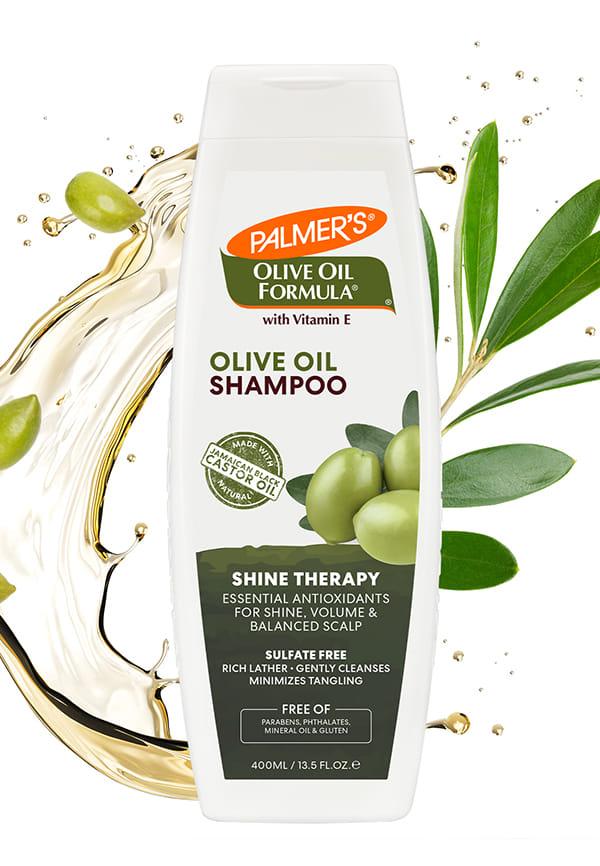
Olive Oil Smoothing Shampoo for frizz-prone hari 400ml
That said, chemical solutions often provide longer-lasting and more reliable results. The choice between natural and chemical hair products for humid weather often comes down to your hair's specific needs, your lifestyle, and personal preferences. Many people find success with a combination approach – using natural treatments for maintenance and chemical products for special occasions or particularly challenging weather.
The most effective approach combines proper preparation with the right products. Start with a humidity-blocking leave-in conditioner on damp hair, follow with anti-frizz serum, style as usual, then finish with humidity-resistant hairspray. The key is creating multiple barriers against moisture penetration rather than relying on just one product.
Yes, but not all anti-frizz products are designed for humidity protection. Look for products that specifically mention humidity resistance or contain ingredients like silicones, polymers, or keratin proteins. These create protective barriers that prevent moisture from penetrating your hair cuticles and causing frizz.
Most hair types will experience some frizz at 70% humidity or higher, but the severity depends on your hair's porosity, damage level, and natural texture. Curly and chemically treated hair tends to react more dramatically to high humidity levels. With proper preparation and products, you can minimise frizz even in very humid conditions.
Frizz control products address frizz from various causes – damage, dryness, or styling. Anti-humidity products specifically target moisture from the air as the cause of frizz. While there's overlap, anti-humidity formulas typically contain ingredients that create barriers against environmental moisture, making them more effective in humid weather.
Most humidity protection products provide 12-24 hours of coverage, depending on the humidity level and your hair type. Professional treatments like keratin can offer protection for months, whilst daily-use products need reapplication after each wash. In extremely humid conditions, you might need touch-ups throughout the day.
Fighting frizz in humidity doesn't have to be a losing battle. The key is understanding your hair's specific needs and building a routine that works with your natural texture rather than against it. Whether you prefer natural solutions or high-tech formulas, consistency is what makes the difference.
Remember, what works for your friend might not work for you – hair is incredibly individual. Start with one or two techniques from this list and build your routine gradually. Pay attention to how your hair responds and adjust accordingly.
If you're not sure which products might work best for your hair type, Smytten offers trial-size versions of many humidity-fighting products from trusted brands. It's a smart way to test different frizz control humidity solutions before committing to full-size bottles, especially when you're building a new routine from scratch.
