9 Effective Hair Care Routine Steps for Hair Fall Control

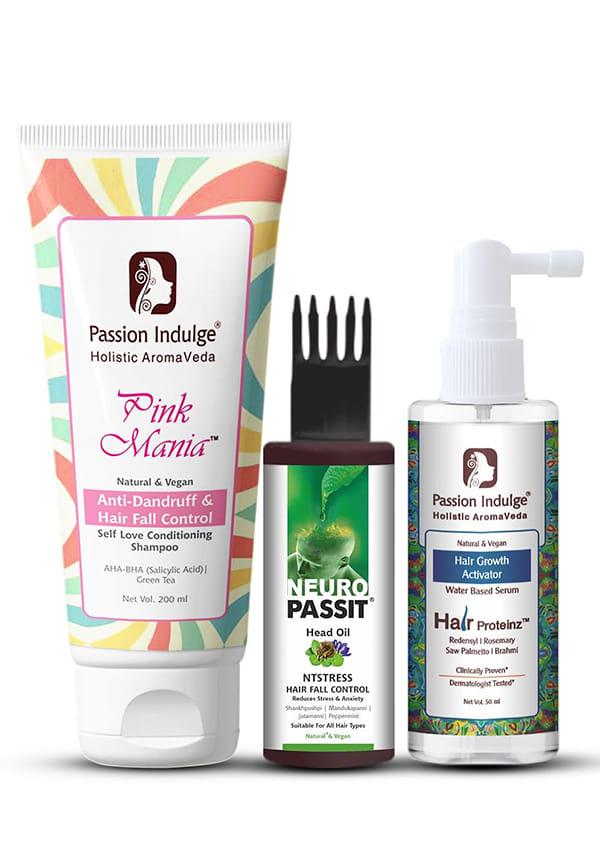
Hair Growth Serum Rosemary, Neuropassit NTstress Hair fall control Hair Oil & Pink Mania Anti-Dandruff & Hair Fall Control Shampoo
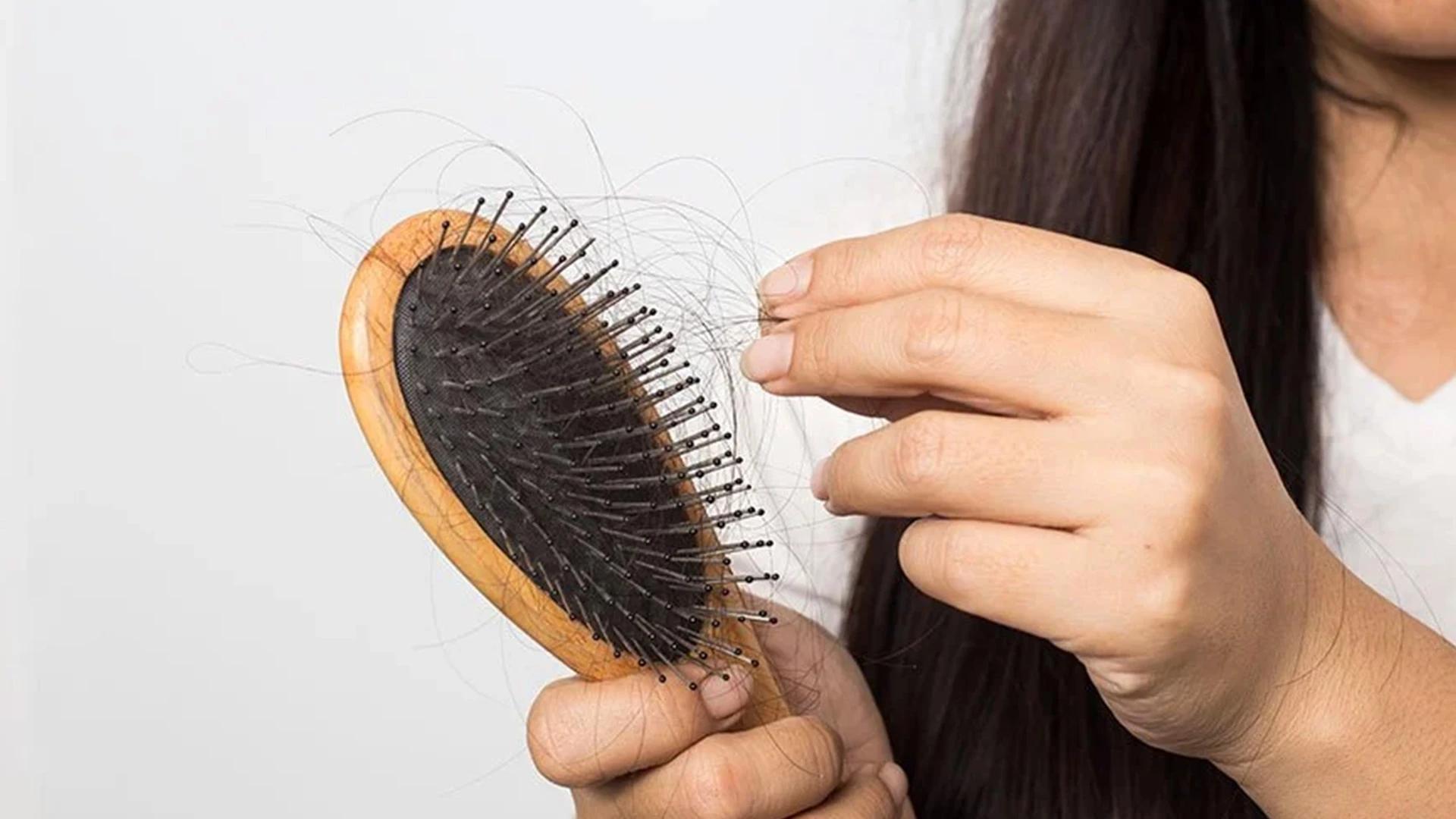
Let's be real—watching clumps of hair swirl down the drain every morning isn't exactly the confidence boost you're looking for. If you're dealing with more than the usual 50-100 strands falling daily, you're not alone. Hair fall affects millions, but here's the thing: most people are tackling it with random products instead of a proper routine. The difference between occasional shedding and actual hair loss often comes down to understanding what your scalp and strands actually need. Whether it's hormonal changes, stress, or just using the wrong products, your hair care routine for hair fall needs to be strategic, not scattered. With platforms like Smytten making it easier to trial different products before committing, finding your perfect hair fall control routine has never been more accessible. Ready to transform those morning hair disasters into something you can actually feel good about?
TL;DR
Hair fall control requires a systematic 9-step routine targeting cleansing, nourishment, and protection
The best shampoo for hair fall should be sulfate-free and used 2-3 times weekly, not daily
Natural remedies for hair fall like scalp massage with growth oils can significantly reduce breakage
Oily scalp hair fall and dry hair fall solutions require different approaches—one size doesn't fit all
Consistency beats intensity—gentle daily habits outperform aggressive weekly treatments
Before diving into solutions, let's get clear on what's actually happening up there. Hair fall isn't just about weak strands—it's often a complex mix of factors that need addressing from multiple angles.
The most common causes of hair fall vary dramatically between demographics. For women, hormonal fluctuations during periods, pregnancy, or menopause can trigger increased DHT sensitivity, leading to thinning around the crown and temples. Men typically face androgenetic alopecia, where DHT shrinks hair follicles over time. But regardless of gender, stress, nutritional deficiencies (especially iron, biotin, and protein), and environmental damage play massive roles in hair loss patterns.
Here's what many don't realise: your scalp type directly influences your hair fall control strategy. Oily scalp hair fall often stems from clogged follicles and inflammation, whilst dry hair fall solutions need to focus on moisture retention and preventing breakage. Understanding your specific pattern helps you choose the right products and techniques for maximum impact.
Your cleansing routine sets the stage for everything else. Get this wrong, and even the best treatments won't work effectively. The key is creating a clean, healthy environment for your follicles without stripping away natural oils.
The best shampoo for hair fall isn't necessarily the most expensive one—it's the one that cleanses without causing additional damage. Look for sulfate-free formulas containing ingredients like biotin, caffeine, or saw palmetto. These work to strengthen hair to prevent breakage whilst promoting circulation.
Frequency matters more than you think. Washing 2-3 times weekly allows natural oils to nourish your scalp whilst preventing buildup. Daily washing, especially with harsh formulas, can actually worsen hair fall by irritating follicles and stripping protective oils.
Conditioner application technique can make or break your routine. Apply from mid-length to ends only—never on the scalp. This prevents buildup that can clog follicles whilst ensuring your lengths get the moisture they need.
For oily scalp hair fall, choose lightweight, protein-rich conditioners. Those dealing with dry hair fall solutions should opt for heavier, moisture-rich formulas containing ingredients like shea butter or argan oil.
How you dry your hair can significantly impact hair fall. Swap your regular towel for a microfiber one and gently press—never rub—to remove excess water. This simple change reduces friction and prevents unnecessary breakage.
Air drying wins over heat styling every time. If you must use heat, apply a protectant and keep temperatures below 180°C. Your hair will thank you for the gentler approach.
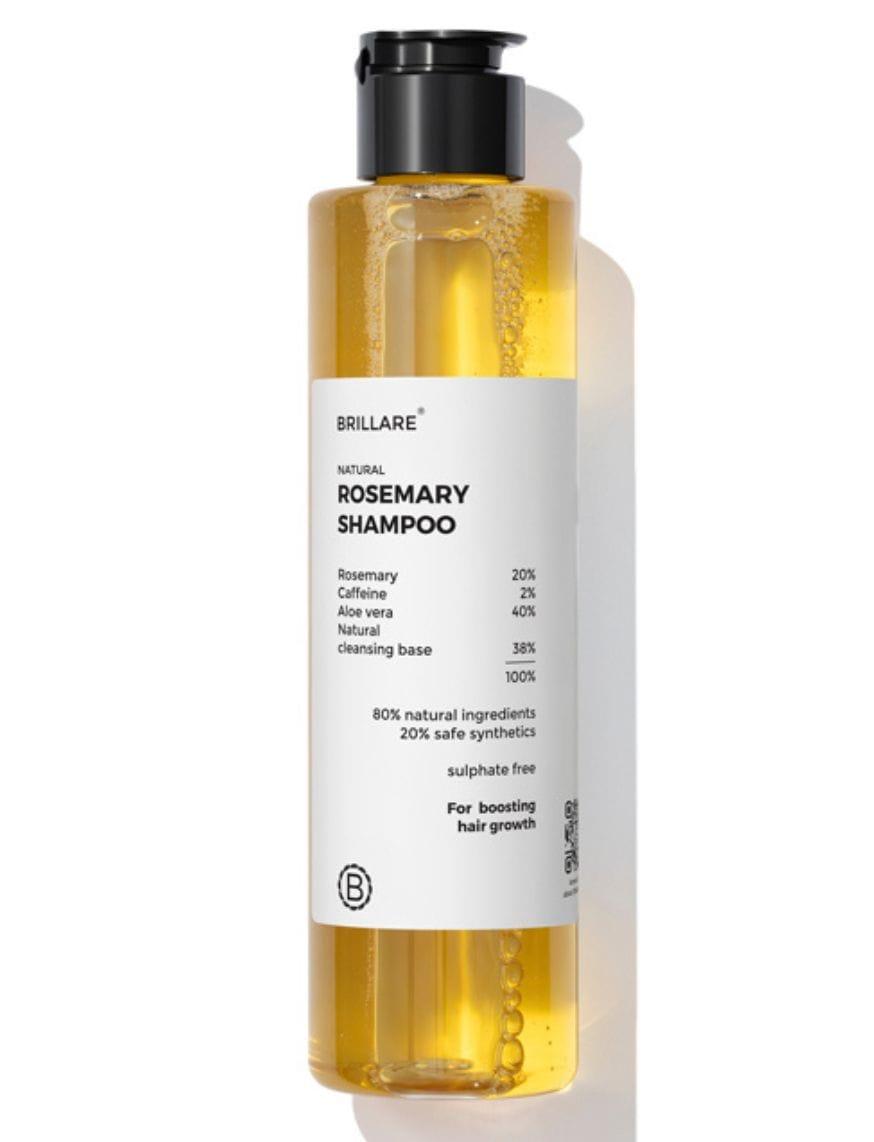
20% Rosemary Shampoo with 2% Caffeine for Hair Growth & Hair Fall Control
Good Smell
 5
5“Smells good. ”
Good Smell
5“Smells good. ”
Good Product
5“i love this product i works good”
Now that your foundation is solid, it's time to add targeted treatments that address hair fall at its root. These steps focus on stimulating circulation, delivering nutrients, and strengthening existing strands.
Natural remedies for hair fall don't get much better than a proper scalp massage with the right oils. Combine rosemary oil (proven to be as effective as minoxidil in some studies) with a carrier oil like coconut or jojoba. The massage itself boosts blood circulation, whilst the oils nourish follicles.
Technique matters: use your fingertips, not nails, and work in small circular motions for 5-10 minutes. Do this 2-3 times weekly for best results. The key is consistency—sporadic treatments won't give you the circulation boost your scalp needs.
Modern hair loss treatment options go beyond traditional oils. Look for serums containing peptides, caffeine, or adenosine—ingredients that have actual research backing their effectiveness. These work by extending the growth phase of your hair cycle and improving follicle health.
Application timing is crucial. Use these treatments on clean, slightly damp scalp for better absorption. Most work best when applied at night, giving them hours to penetrate without interference from styling products.
Weekly deep conditioning treatments help strengthen hair to prevent breakage—a major component of visible hair fall. Choose protein treatments if your hair feels limp or stretchy, moisture treatments if it feels dry or brittle.
The protein-moisture balance is crucial for hair thinning solutions. Too much protein makes hair brittle; too much moisture makes it weak. Pay attention to how your hair responds and adjust accordingly.
The final steps focus on protecting the progress you've made. These daily habits might seem small, but they're often what separates those who see lasting results from those who don't.
Detangling wet hair requires a completely different approach than dry hair. Use a wide-tooth comb and start from the ends, working your way up. Never force through knots—this causes unnecessary breakage and can damage follicles.
For dry hair, a boar bristle brush distributes natural oils whilst minimising static. The key is being patient and gentle—aggressive brushing is one of the fastest ways to increase hair fall.
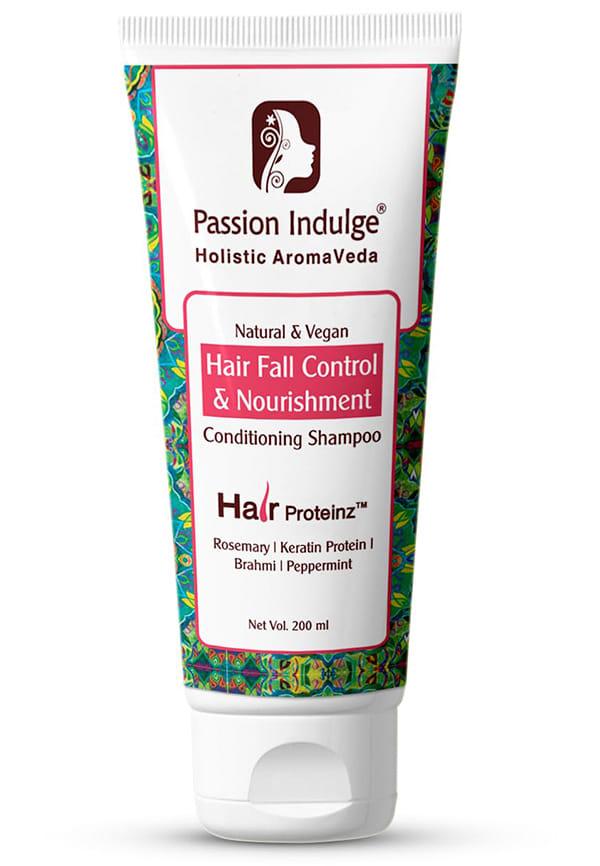
Rosemary Hair Fall Control & Nourishment Shampoo
If you can't give up heat styling completely, at least make it safer. Use heat protectants with silicones that create a barrier between your hair and the tool. Limit heat styling to 2-3 times weekly maximum.
Low-tension hairstyles prevent traction alopecia—a type of hair loss caused by constant pulling. Avoid tight ponytails, braids, or buns, especially when hair is wet and more fragile.
Weekly scalp exfoliation removes buildup that can clog follicles and impede growth. Use a gentle scrub or a brush designed for scalp care. This step is particularly important for those dealing with oily scalp hair fall.
Maintaining your scalp's pH balance (around 4.5-5.5) creates an environment where healthy bacteria thrive whilst harmful microorganisms struggle. Look for products that support this natural balance rather than disrupting it.
One size definitely doesn't fit all when it comes to hair fall control. Your routine needs to reflect your specific hair type, scalp condition, and lifestyle factors to be truly effective.
Men's hair care routine for hair fall often benefits from a more streamlined approach. Focus on a good sulfate-free shampoo, a lightweight leave-in treatment, and weekly oil massages. The shorter hair length means less manipulation and often fewer styling-related issues.
Women's routines typically need more complexity due to longer hair, more styling, and hormonal factors. The key is layering treatments—a good shampoo and conditioner base, weekly masks, daily leave-in treatments, and protective styling techniques.
Seasonal adjustments matter too. Summer might require more frequent washing due to sweat and humidity, whilst winter calls for extra moisture to combat dry air and static. Pay attention to how your hair responds to environmental changes and adjust accordingly.
The most effective hair growth remedies work from the inside out. Your hair follicles need proper nutrition to function optimally, and no topical treatment can completely compensate for internal deficiencies.
Essential nutrients for hair health include biotin (found in eggs and nuts), iron (leafy greens and lean meats), protein (aim for 1.2-1.6g per kg of body weight), and omega-3 fatty acids (fatty fish, walnuts, flaxseeds). These provide the building blocks your follicles need to produce strong, healthy strands.
Stress management isn't just good for your mental health—it's crucial for hair health too. Chronic stress increases cortisol levels, which can push hair follicles into the resting phase prematurely. Regular exercise, adequate sleep (7-9 hours), and stress-reduction techniques like meditation can significantly impact hair fall patterns.
Hydration plays a bigger role than most people realise. Your scalp needs adequate moisture to maintain healthy circulation and follicle function. Aim for 8-10 glasses of water daily, and consider using a humidifier in dry environments.
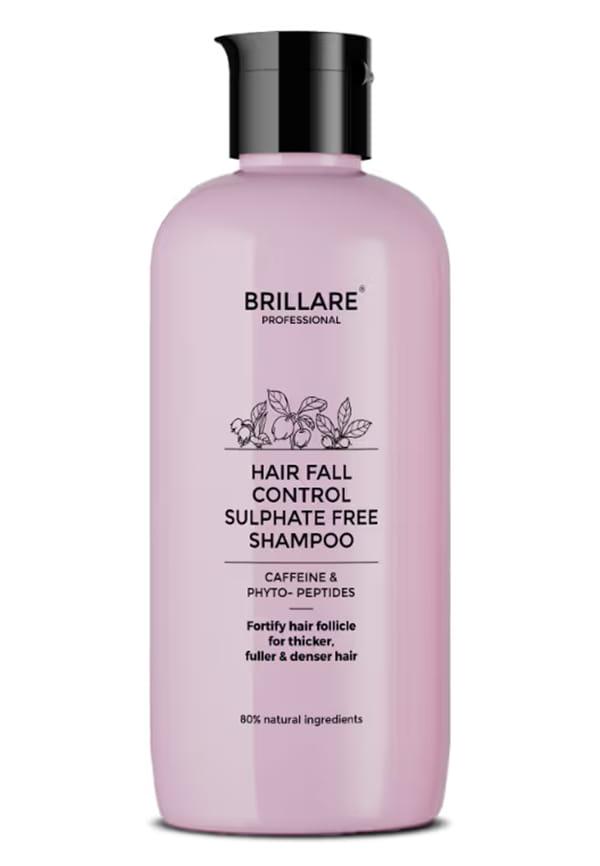
Hair Fall Control Sulfate Free Shampoo
Most people notice reduced shedding within 4-6 weeks of starting a consistent routine. However, visible regrowth takes 3-6 months since hair grows approximately 1cm per month. The key is patience and consistency—don't switch routines too quickly.
Losing 50-100 strands daily is completely normal. Be concerned if you notice sudden increases in shedding, bald patches, or thinning that affects your confidence. When in doubt, consult a dermatologist or trichologist for professional assessment.
Yes, but introduce them gradually. Start with one new product every 2-3 weeks to monitor how your scalp responds. Some combinations work synergistically, but others can cause irritation or cancel each other out.
Some natural ingredients like rosemary oil have research supporting their effectiveness. However, the concentration and formulation matter significantly. Commercial treatments often provide more consistent results due to standardised concentrations and better penetration enhancers.
Hormonal hair fall often follows specific patterns—thinning at the crown for women, receding hairline for men. It may coincide with life changes like pregnancy, menopause, or starting/stopping hormonal contraceptives. A blood test can reveal hormonal imbalances that might be contributing to hair loss.
No—this is a common misconception. The hair you lose during washing was already in the shedding phase. Avoiding washing can actually worsen hair fall by allowing buildup to clog follicles. Stick to gentle, sulfate-free formulas and proper technique. Products available on Smytten let you trial different gentle shampoos to find what works best for your scalp without committing to full sizes.
Effective hair fall control isn't about finding one miracle product—it's about creating a comprehensive routine that addresses cleansing, nourishment, and protection. The 9 steps outlined here work synergistically to create an environment where your hair can thrive whilst minimising factors that contribute to excessive shedding.
Remember that consistency trumps intensity every time. Gentle daily habits will always outperform aggressive weekly treatments that shock your scalp and strands. Your hair care routine for hair fall should feel sustainable, not like a chore you're constantly trying to escape.
Most importantly, be patient with the process. Hair growth cycles take time, and visible improvements often lag behind the actual healing happening at follicle level. Track your progress through photos and notes rather than daily mirror scrutiny—you'll be amazed at the difference this perspective shift makes.
Building an effective hair care routine for hair fall doesn't have to mean investing in expensive products you're not sure will work. Smytten is India's largest product discovery and trial platform, connecting consumers with top lifestyle, beauty, wellness, and grooming brands through curated trial packs from over 2,400 trusted brands. This try before you buy approach lets you explore different shampoos, serums, and treatments before committing to full-size purchases. Each mini is linked with Trial Points, and users can get up to 10 Trial Points for just ₹279, with 100% cashback on trials redeemable for future orders. With PAN-India delivery and 100% authentic, directly sourced from brands products, you can confidently build your perfect hair fall control routine. After all, why settle for 'maybe' when you can #TryItAll!
