9 Effective Frizz Control Treatments for Smooth Hair
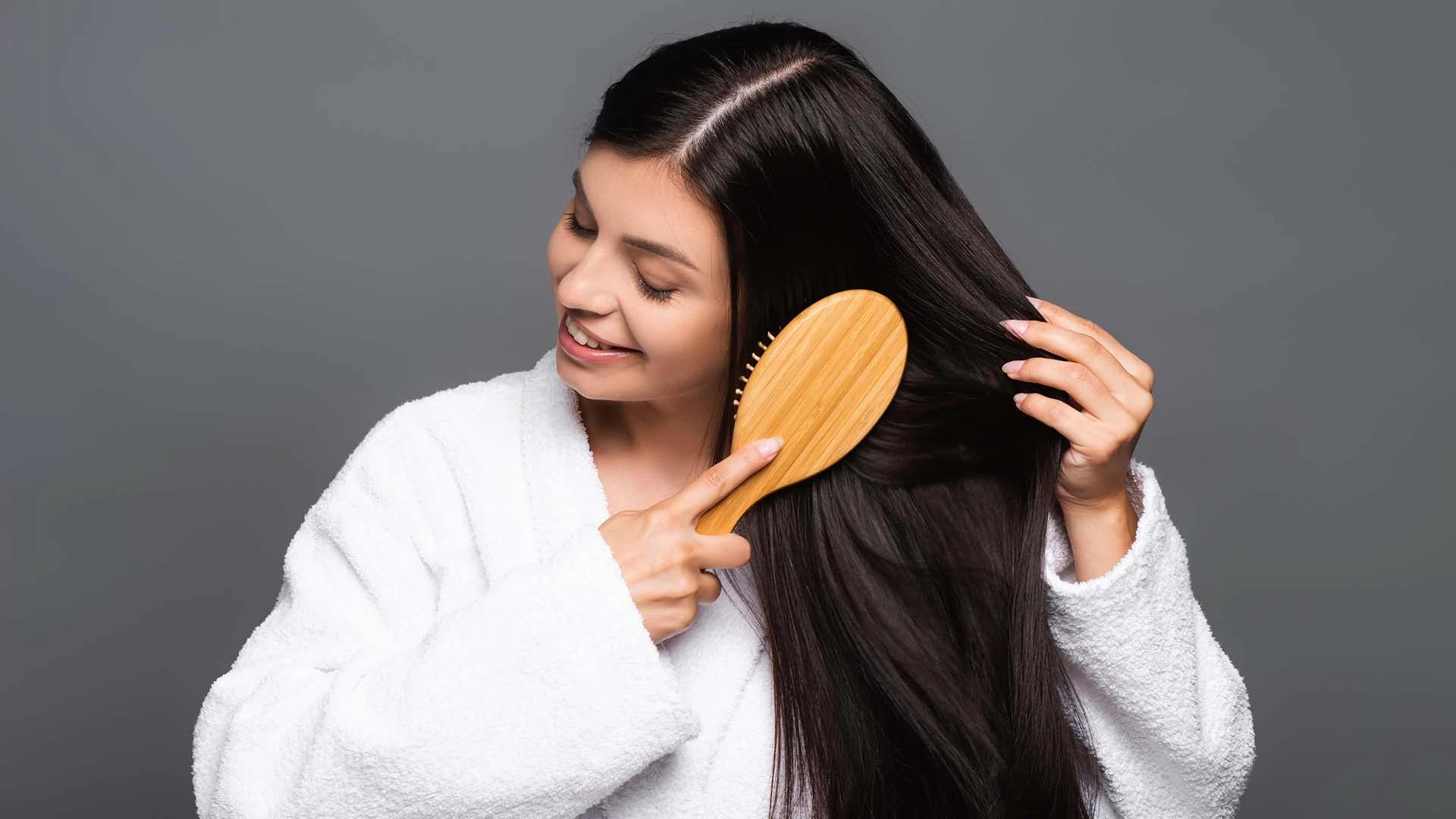

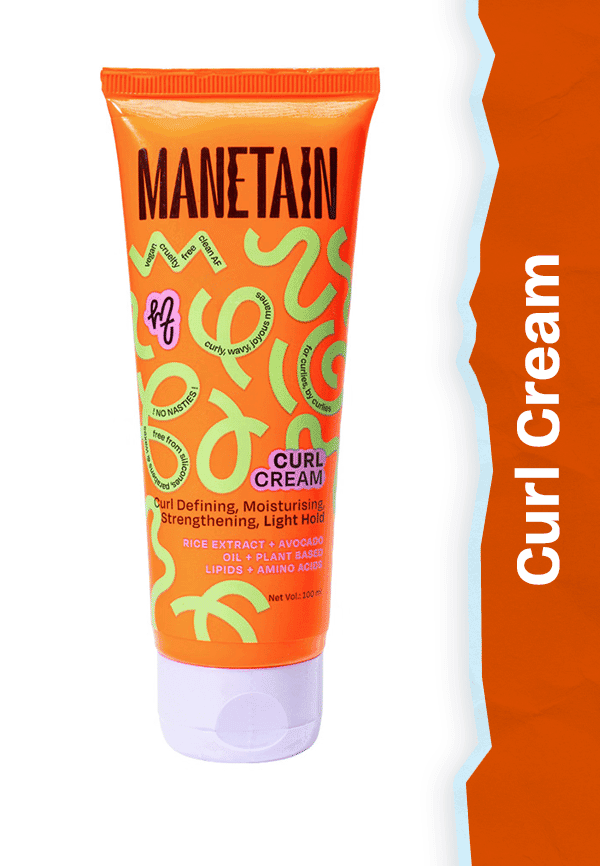
Frizz Control Curl Cream Wit Avocado Oil
You know that moment when you step outside and your hair instantly transforms into a frizzy mess? Or when you spend ages styling your hair only to have humidity turn it into something resembling a lion's mane within minutes? Real talk — frizz is one of those hair struggles that can make even the most confident person feel defeated. Whether it's genetics, damage from heat styling, or just living in a humid climate, frizzy hair affects millions of people daily. The good news? There are actually effective frizz control treatments that work, and you don't have to spend a fortune to get smooth, manageable hair. From simple at-home remedies to professional salon treatments, we've rounded up nine proven methods to help you finally win the battle against frizz.
Before diving into solutions, let's get real about what's actually happening to your hair. Frizz occurs when your hair cuticles — the outer protective layer — become raised or damaged, allowing moisture to enter and exit unpredictably. Think of it like a damaged roof that can't keep the weather out. When humidity hits, your hair absorbs moisture unevenly, causing strands to swell and create that dreaded frizzy texture.
Hair porosity plays a massive role here too. High porosity hair (often from chemical processing or heat damage) absorbs moisture quickly but loses it just as fast, leading to constant frizz cycles. Low porosity hair, on the other hand, repels moisture initially but once it gets in, it can cause swelling and frizz. Environmental factors like humidity, pollution, and even the water you wash with can make things worse. Curly and coily hair textures are naturally more prone to frizz because of their structure, but even straight hair can become unruly with enough damage or environmental stress.
Let's start with the foundation of any good anti-frizz routine — deep conditioning masks. These are your hair's equivalent of a spa day, providing intensive moisture and repair that regular conditioners simply can't match. The key is finding the right balance between protein and moisture for your specific hair needs.
For dry, damaged hair that's crying out for hydration, look for masks with ingredients like hyaluronic acid, glycerin, or natural oils. If your hair feels mushy when wet or lacks structure, you might need protein-rich masks with keratin, collagen, or amino acids. The best frizz control for dry hair often comes from alternating between moisture and protein treatments rather than sticking to just one type.
Apply your mask to damp (not soaking) hair, focusing on mid-lengths to ends where damage is typically worst. Use a wide-tooth comb to distribute evenly, then pop on a shower cap for better penetration. Most masks work best with some heat, so try wrapping a warm towel around your head or sitting in a steamy bathroom for 15-20 minutes.
Anti frizz serum might just become your new best friend if you're dealing with stubborn frizz. These concentrated treatments work by creating a protective barrier around each strand, sealing the cuticle and preventing moisture from wreaking havoc on your hair structure.
There's ongoing debate about silicone-based versus silicone-free formulas, and honestly, both have their place. Silicone serums provide immediate smoothing and heat protection, making them brilliant for special occasions or when you need quick results. However, they can build up over time, so you'll need clarifying shampoos occasionally. Silicone-free options with natural oils and plant-based smoothing agents work more gradually but tend to be gentler on your hair long-term.
The secret to serum success is all in the application. Start with a tiny amount — seriously, less than you think you need — and work it through damp hair from mid-lengths to ends. Avoid the roots unless you want that greasy look. For fine hair, try applying serum to wet hair before blow-drying. Thicker hair types can handle application on dry hair for touch-ups throughout the day.
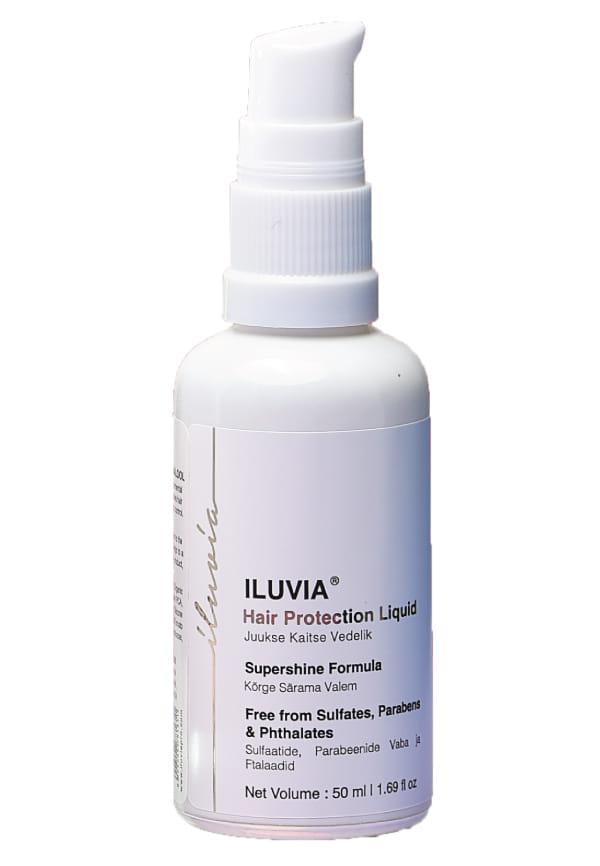
Hair Protections Liquid | Frizz control with super shiny hair + Heat Protection
Hair oils are having a major moment, and for good reason. These smooth hair products work by filling in gaps in damaged cuticles and creating a protective seal that locks out humidity whilst locking in moisture. Argan oil is probably the most famous frizz-fighter, packed with vitamin E and fatty acids that smooth and nourish. Coconut oil penetrates the hair shaft better than most oils, making it brilliant for deep conditioning treatments. Jojoba oil technically isn't an oil at all — it's a wax ester that closely mimics your scalp's natural sebum, making it perfect for all hair types.
The trick with oils is knowing how much to use and when. A few drops worked through damp hair before styling can provide heat protection and frizz control. For overnight treatments, you can be more generous, but always shampoo thoroughly the next morning to avoid buildup.
Sometimes the most effective frizz control treatments aren't products at all — they're techniques. How you dry, style, and handle your hair can make or break your frizz-fighting efforts. These frizz taming techniques cost nothing but can deliver salon-worthy results.
First up: ditch the terry cloth towel. That rough texture creates friction that lifts your cuticles and encourages frizz. Switch to a microfibre towel or even a cotton t-shirt for gentler drying. Instead of rubbing, gently squeeze or press the fabric against your hair to absorb excess water.
If you're air-drying, try the "plopping" method for curly hair — wrap your hair in a t-shirt turban-style for 10-20 minutes to encourage curl formation whilst reducing frizz. For straighter hair types, gently comb through with a wide-tooth comb whilst damp, then leave it alone. Touching wet hair repeatedly is a fast track to frizz city.
When at-home methods aren't cutting it, professional hair smoothing treatments might be worth considering. Keratin treatments work by infusing your hair with proteins that fill in damaged areas and create a smooth, protective coating. The results can last 3-6 months, making them a worthwhile investment if you're dealing with severe frizz.
There are different types of keratin treatments, from formaldehyde-free options that are gentler but less long-lasting, to stronger formulas that provide more dramatic results. Expect to pay anywhere from ₹8,000 to ₹25,000 depending on your hair length and the salon. The process typically takes 2-4 hours and requires avoiding water for 72 hours afterwards — yes, that means no washing, sweating, or even getting caught in the rain.
Post-treatment, your hair will feel noticeably smoother and more manageable. Blow-drying time gets cut in half, and humidity becomes much less of an issue. However, these treatments do contain chemicals, so they're not suitable for everyone, especially if you're pregnant or have sensitive skin.
Brazilian blowouts are another professional option that's slightly different from traditional keratin treatments. They tend to be less intense and don't require the same strict aftercare routine. You can wash your hair immediately after treatment, and the results, whilst not as dramatic, still provide significant frizz reduction for 2-3 months.
These treatments work particularly well for people who want to maintain their natural texture whilst reducing frizz, rather than completely straightening their hair. They're also a good stepping stone if you're nervous about committing to a full keratin treatment.
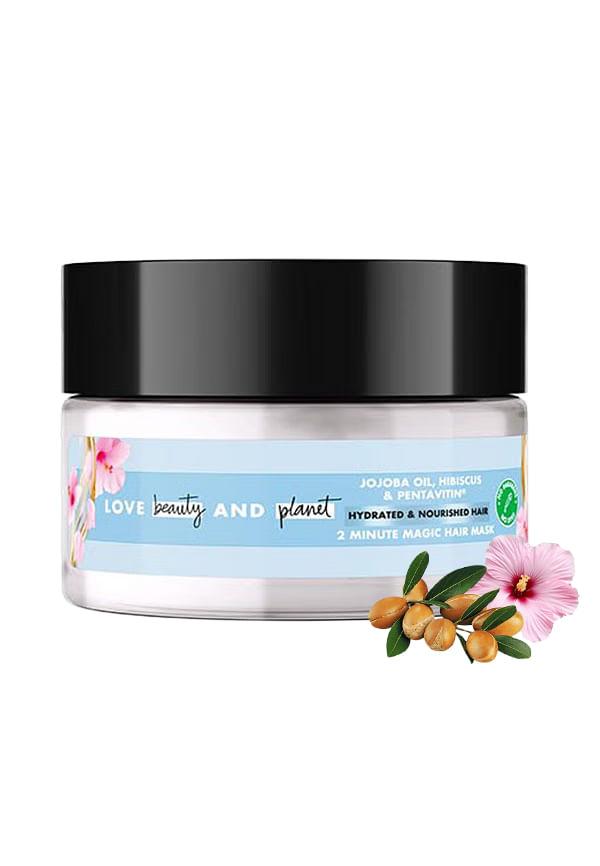
Jojoba oil , Hibiscus & Pentavitin Hydrate & Nourish Hair Mask
Curly hair requires special attention when it comes to frizz control. The key is working with your natural texture rather than against it. Curly hair frizz solutions focus on enhancing curl definition whilst minimising the halo of frizz that often surrounds beautiful curls.
The curly girl method has revolutionised how people with textured hair approach frizz. This involves avoiding sulphates and silicones, using co-washing (conditioner-only washing) or low-poo methods, and applying products to soaking wet hair using specific techniques like scrunching or praying hands.
For curly hair, product layering is everything. Start with a leave-in conditioner on soaking wet hair, follow with a curl cream for definition, and finish with gel for hold. The key is applying each product to wet hair and then not touching it until it's completely dry. This might feel weird at first, but trust the process.
If you live in a humid climate, you need humidity hair products specifically designed to create a barrier against moisture. These products work by forming a protective film around your hair that prevents environmental moisture from penetrating and causing frizz.
Look for ingredients like polymers, certain silicones, or natural waxes that create this protective barrier. Some products work better as preventative measures applied before styling, whilst others can be used for touch-ups throughout the day when you feel frizz starting to creep in.
Learning how to stop frizzy hair often comes down to prevention rather than just treatment. Small changes to your daily routine can make a massive difference in your hair's overall health and frizz levels.
Start with your pillowcase — cotton can create friction that leads to frizz and breakage. Silk or satin pillowcases allow your hair to glide smoothly as you sleep. If silk pillowcases aren't in your budget, try wrapping your hair in a silk scarf or using a silk hair wrap.
Heat styling is another major culprit. If you can't give up your straightener or curling iron completely, always use a heat protectant and keep temperatures below 180°C. Consider having heat-free days where you embrace your natural texture with the right products and techniques.
Split ends travel up the hair shaft, creating more damage and frizz as they go. Regular trims every 6-8 weeks can prevent this damage from spreading and keep your hair looking healthier overall. Even if you're growing your hair out, small trims are essential for maintaining smooth, frizz-free ends.
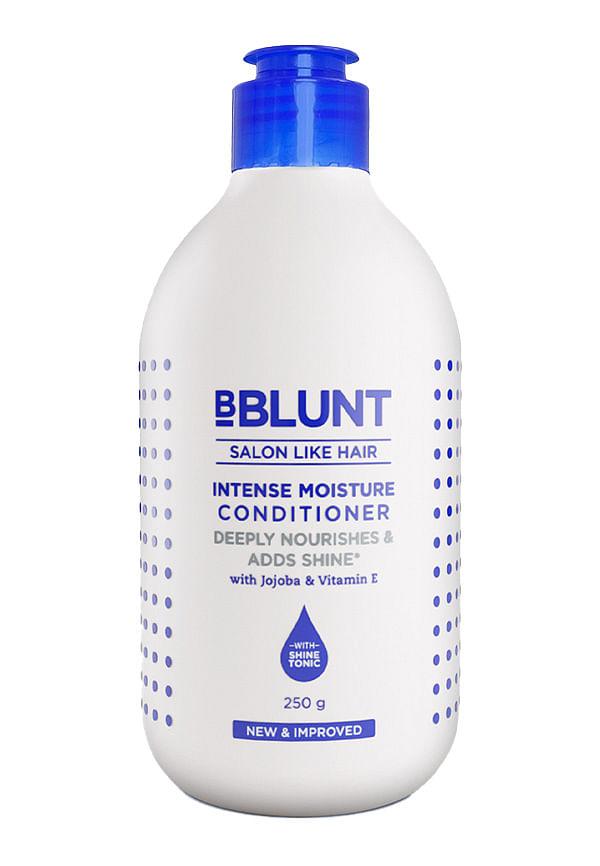
Intense Moisture Conditioner with Vitamin E & Jojoba for Dry & Frizzy Hair
With so many frizz reducing products on the market, choosing the right ones can feel overwhelming. The key is understanding your hair type, porosity, and specific concerns. Fine hair needs lightweight products that won't weigh it down, whilst thick, coarse hair can handle heavier creams and oils.
If you have colour-treated hair, look for products specifically formulated for chemically processed hair. These often contain additional proteins and UV protection to prevent further damage. For sensitive scalps, fragrance-free and hypoallergenic options are worth seeking out.
Don't feel like you need to spend a fortune to manage frizzy hair effectively. Some of the best drugstore products can compete with high-end salon brands. The key is finding what works for your specific hair needs rather than just buying the most expensive option.
The best treatment depends on your hair type, damage level, and lifestyle. For mild frizz, start with deep conditioning masks and anti-frizz serums. Severe frizz might benefit from professional keratin treatments. Most people see the best results combining multiple approaches rather than relying on just one treatment.
Professional keratin treatments provide the most dramatic and long-lasting results, but they're not suitable for everyone. For at-home options, a combination of deep conditioning masks, leave-in treatments, and proper styling techniques often works just as well with consistent use.
Whilst no treatment is truly permanent, professional smoothing treatments can last 3-6 months. For longer-lasting results, focus on repairing damage through consistent deep conditioning, protecting your hair from heat and environmental damage, and using the right products for your hair type.
Absolutely. High porosity hair absorbs moisture quickly but loses it just as fast, leading to frizz. Low porosity hair repels moisture initially but can become frizzy when moisture finally penetrates. Understanding your hair's porosity helps you choose the right products and techniques.
Yes, many people successfully manage frizzy hair using natural oils, gentle styling techniques, and mechanical methods like protective sleeping styles. Whilst chemical treatments can provide more dramatic results, natural approaches are gentler and can be very effective with consistency.
Managing frizz doesn't have to be a daily battle that you're destined to lose. With the right combination of treatments, techniques, and products, you can achieve smooth, manageable hair that looks great even in humid weather. Start with one or two methods that appeal to you most — perhaps a weekly deep conditioning mask and switching to a microfibre towel — then gradually build your routine as you see what works.
Remember, what works for your friend might not work for you, and that's completely normal. Hair is incredibly individual, and finding your perfect frizz-fighting routine might take some experimentation. The key is being patient with the process and consistent with your chosen methods. Not sure which products might work for your specific hair type? Smytten offers trial-size versions of many frizz control treatments — a smart way to test different formulas before committing to full-size bottles.
