9 Effective Dandruff Treatment Options for Itchy Scalp Relief

Tea Tree Anti Dandruff and Healthy Scalp Oil 12 Herbs
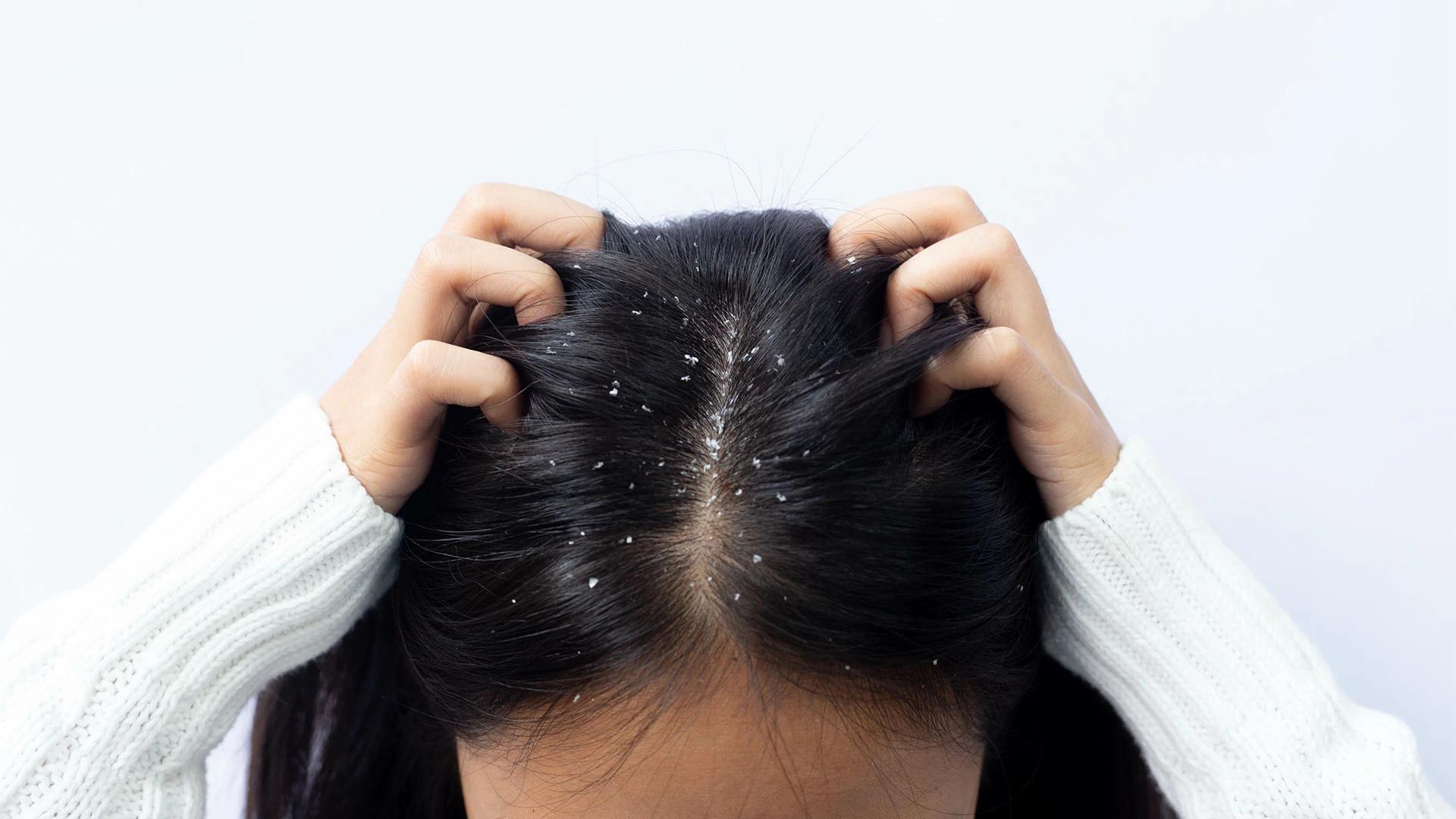
Those white flakes on your shoulders aren't just embarrassing—they're your scalp's way of telling you something's up. Whether it's the classic dandruff situation or something trickier like seborrheic dermatitis, finding the right dandruff treatment can feel like a proper mission. The good news? You've got loads of options, from tried-and-tested anti-dandruff shampoos to natural remedies that actually work. Let's dive into nine effective ways to get your scalp back to its happy, flake-free self. And here's where Smytten comes in clutch—instead of gambling with full-size products that might not work for your specific scalp situation, you can trial different dandruff remedies through their curated mini collection. Because let's be real, what works for your mate might not work for you, and that's totally fine.
TL;DR
Dandruff treatment works best when you understand your specific scalp type and triggers
Anti-dandruff shampoos with zinc pyrithione, ketoconazole, or salicylic acid are your first line of defence
Natural dandruff solutions like tea tree oil and apple cider vinegar can complement medical treatments
Consistency is key—most treatments need 4-6 weeks to show proper results
Severe cases might need professional seborrheic dermatitis treatment from a dermatologist
Before jumping into treatments, let's sort out what you're actually dealing with. Not all flaky scalps are created equal, and getting this bit right makes all the difference in your dandruff control journey.
Most dandruff comes down to a fungus called Malassezia that lives on everyone's scalp. When it gets a bit too comfortable, it feeds on your scalp's natural oils and creates irritation. Your scalp responds by shedding skin cells faster than usual—hello, visible flakes. Hormones, stress, weather changes, and even your hair care routine can all trigger this process.
Here's the thing—dry scalp remedies won't fix actual dandruff, and dandruff treatments might be too harsh for a simply dehydrated scalp. Dandruff flakes are usually yellowish and oily, while dry scalp creates smaller, white flakes. Seborrheic dermatitis is dandruff's more intense cousin, often showing up as red, scaly patches that might extend beyond your hairline.
When you need results that actually stick around, these clinically-proven ingredients are your best mates. They target the root cause rather than just masking symptoms.
This is probably the most common active you'll find in drugstore anti-dandruff shampoos, and for good reason. Zinc pyrithione works as both an antifungal and antibacterial agent, tackling that Malassezia overgrowth head-on. Use it 2-3 times a week initially, then scale back to once or twice weekly for maintenance.
Tea Tree Anti Dandruff and Healthy Scalp Oil 12 Herbs
When regular shampoos aren't cutting it, ketoconazole steps up as a proper antifungal powerhouse. You can find 1% versions over the counter, but stronger formulations need a prescription. It's particularly effective for seborrheic dermatitis treatment and can show results within a few weeks of consistent use.
Think of salicylic acid as your scalp's gentle exfoliator. It helps remove built-up flakes and dead skin cells, making way for healthier skin underneath. It's brilliant for thick, stubborn scaling but can be drying, so you might want to follow up with a moisturising conditioner on your lengths.
Not everyone wants to go straight to the clinical stuff, and that's totally fair. These natural options have proper research backing them up and can work brilliantly, especially for mild cases or as part of a broader hair care for dandruff routine.
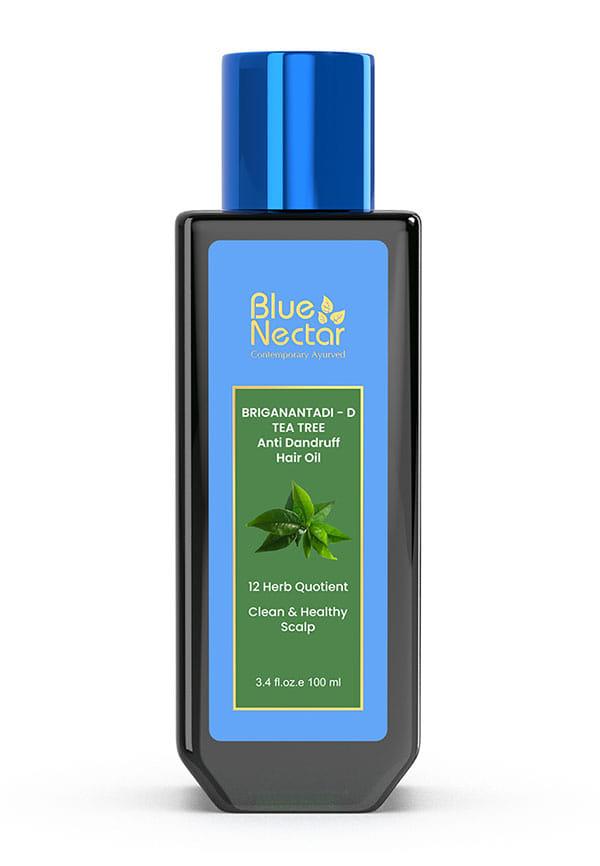
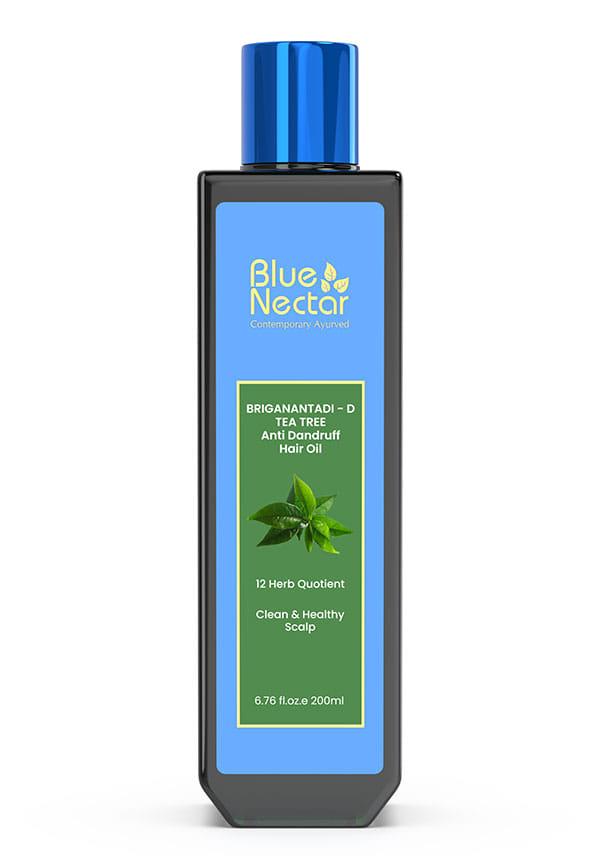
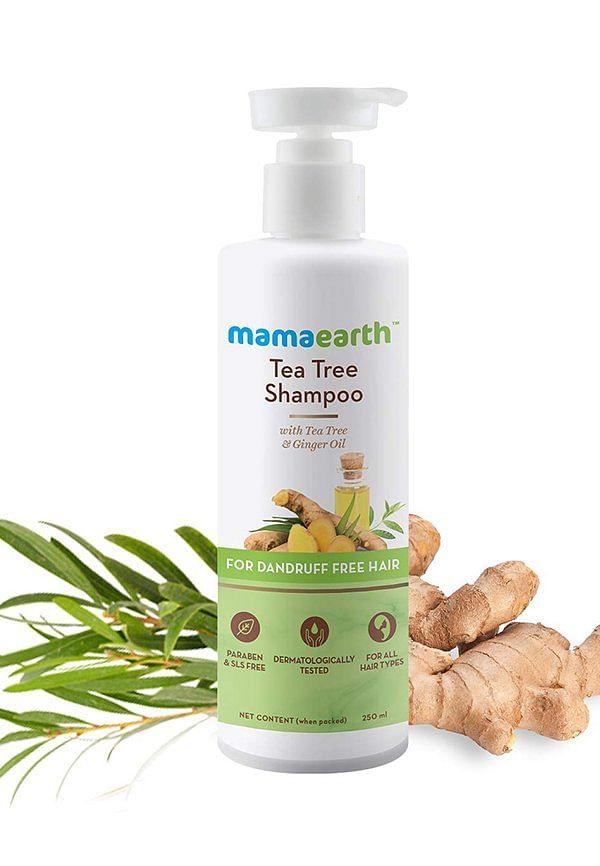
Tea tree oil isn't just trendy—it's got genuine antimicrobial properties that can help control the fungi and bacteria contributing to dandruff. Always dilute it (5% concentration is plenty) and do a patch test first. You can find shampoos with tea tree oil already formulated, which takes the guesswork out of dilution.
Your scalp's pH balance affects how well your natural protective barrier works. Apple cider vinegar can help restore this balance and create an environment that's less friendly to problematic microorganisms. Mix one part ACV with two parts water and use as a rinse once or twice weekly.
While coconut oil won't cure fungal dandruff, it's ace for dry, irritated scalps that need some TLC. Its antimicrobial properties are a bonus, and it can help soothe inflammation. Apply to your scalp 30 minutes before shampooing, focusing on particularly dry or itchy areas.
Tea Tree Anti Dandruff Shampoo With Tea Tree & Ginger Oil
Effective Anti-Dandruff Shampoo
 5
5“it's very effective and anti dandruff shampoo”
Effective Anti-Dandruff Shampoo
5“it's very effective and anti dandruff shampoo”
Effective Anti-Dandruff Shampoo
5“it's very effective and anti dandruff shampoo”
Sometimes your scalp needs more than what you can manage at home. Knowing when to seek professional help can save you months of frustration and potentially prevent your condition from getting worse.
If over-the-counter options aren't making a dent after 6-8 weeks, or if you're dealing with red, inflamed patches, it's time to see a dermatologist. They can prescribe stronger antifungal treatments, topical steroids for inflammation, or combination therapies tailored to your specific situation.
Professional scalp analysis can identify underlying issues you might have missed—like sensitivity to certain ingredients, hormonal factors, or other skin conditions masquerading as dandruff. This targeted approach often leads to faster, more effective results than trial and error at home.
Consistency beats intensity when it comes to dandruff control. A well-planned routine that you can actually stick to will always trump sporadic use of the "perfect" product.
Contrary to what you might think, washing your hair more frequently can actually help with dandruff control by removing excess oil and flakes before they build up. Focus on massaging your scalp gently with your fingertips (not nails) and let medicated shampoos sit for 3-5 minutes before rinsing.
Your scalp can get used to the same active ingredient over time, making it less effective. Rotating between different types of anti-dandruff treatments—say, zinc pyrithione one week and salicylic acid the next—can help maintain their effectiveness long-term.
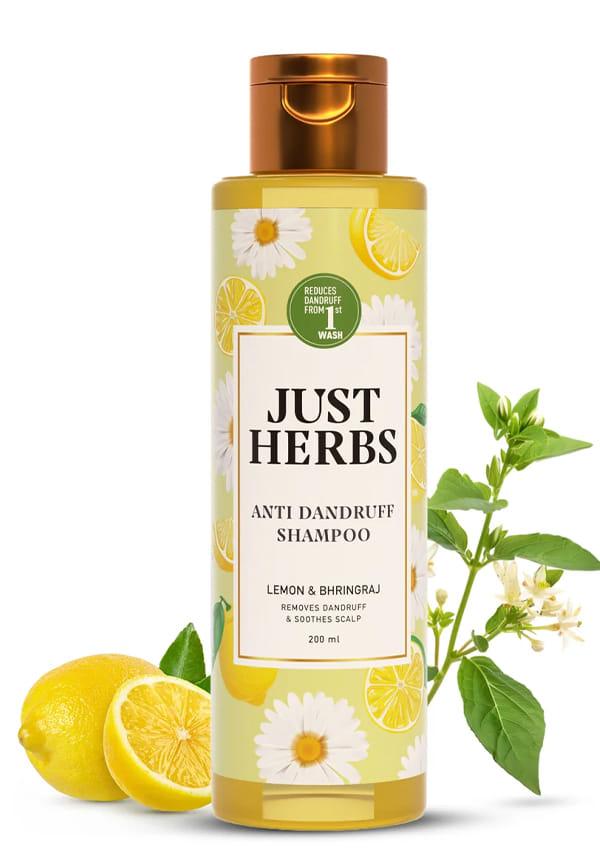
Anti Dandruff Shampoo | Lemon, Bhringraj & 12 Herbs
Favourite Product Ever
5“this is my favourite product ever”
Affordable Favourite Shampoo
5“affordable and favourite shampoo”
Affordable Favourite Shampoo
5“affordable and favourite shampoo”
Most people see improvement within 2-4 weeks of consistent use, but it can take up to 8 weeks for stubborn cases. The key is sticking with your chosen treatment long enough to see proper results.
It's generally better to try one treatment at a time so you can figure out what's actually working. Combining treatments can sometimes cause irritation or make it harder to identify which ingredient is helping. If you want to trial different options, Smytten's mini collection lets you test various dandruff remedies without committing to full sizes.
Cold, dry air and indoor heating can dehydrate your scalp, making existing dandruff worse or triggering dry scalp issues. You might need to adjust your routine seasonally, perhaps adding more moisturising treatments or increasing your washing frequency.
Not necessarily. The active ingredient matters more than the price tag. A budget-friendly shampoo with 2% zinc pyrithione can be just as effective as a premium brand with the same concentration. Focus on finding the right active for your scalp type rather than the fanciest packaging.
Effective dandruff treatment isn't about finding one magic product—it's about understanding your scalp, choosing the right active ingredients, and staying consistent with your routine. Start with proven ingredients like zinc pyrithione or ketoconazole, and don't be afraid to try natural options like tea tree oil if you prefer a gentler approach. Remember that what works for someone else might not work for you, so give treatments enough time to show results before switching. If over-the-counter options aren't cutting it after a couple of months, don't hesitate to see a dermatologist for professional guidance.
Finding your perfect dandruff treatment doesn't have to involve buying full-size products that might not work for your specific scalp needs. Smytten is India's largest product discovery and trial platform, connecting you with top lifestyle, beauty, wellness, and grooming brands through curated trial packs. With mini-sized products from over 2,400 trusted brands, you can explore different anti-dandruff shampoos and scalp treatments before committing to full-size purchases. Each mini is linked with Trial Points, and you can get up to 10 Trial Points for just ₹279, plus Smytten offers 100% cashback on these trials, redeemable for future orders. This try before you buy approach makes finding your ideal dandruff control routine both affordable and risk-free. With authentic brand-verified minis available on Smytten and PAN-India delivery, you can access India's largest minis collection from the comfort of your home. After all, why settle for 'maybe' when you can #TryItAll!
