9 Effective Anti-Dandruff Scalp Treatments for Healthy Hair

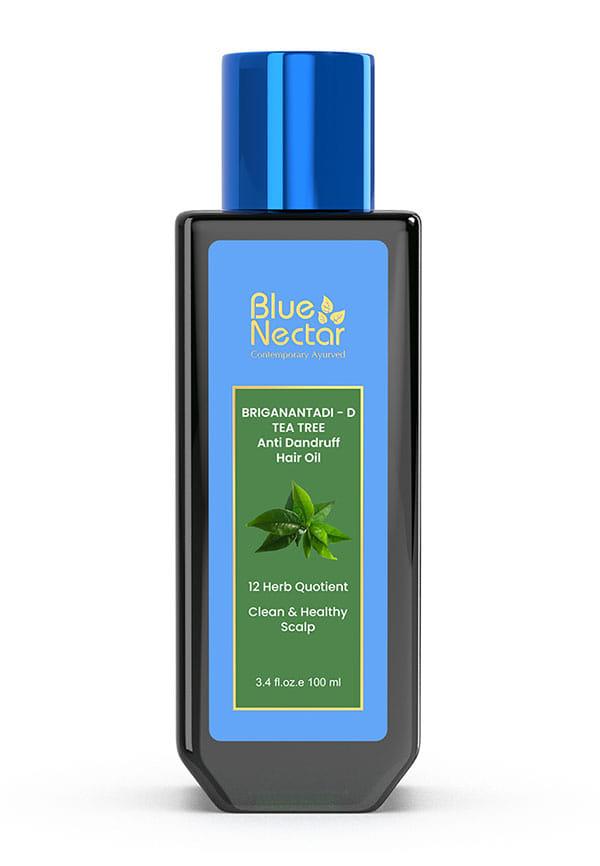
Tea Tree Anti Dandruff and Healthy Scalp Oil 12 Herbs
You know that moment when you're getting ready for an important meeting, and suddenly your shoulders look like you've been caught in a snowstorm? Dandruff doesn't just mess with your confidence—it can turn your favourite black top into a no-go zone. The good news? You don't have to live with those pesky white flakes forever. Let's dive into nine anti-dandruff scalp treatments that actually work, so you can finally say goodbye to the constant shoulder-brushing routine.
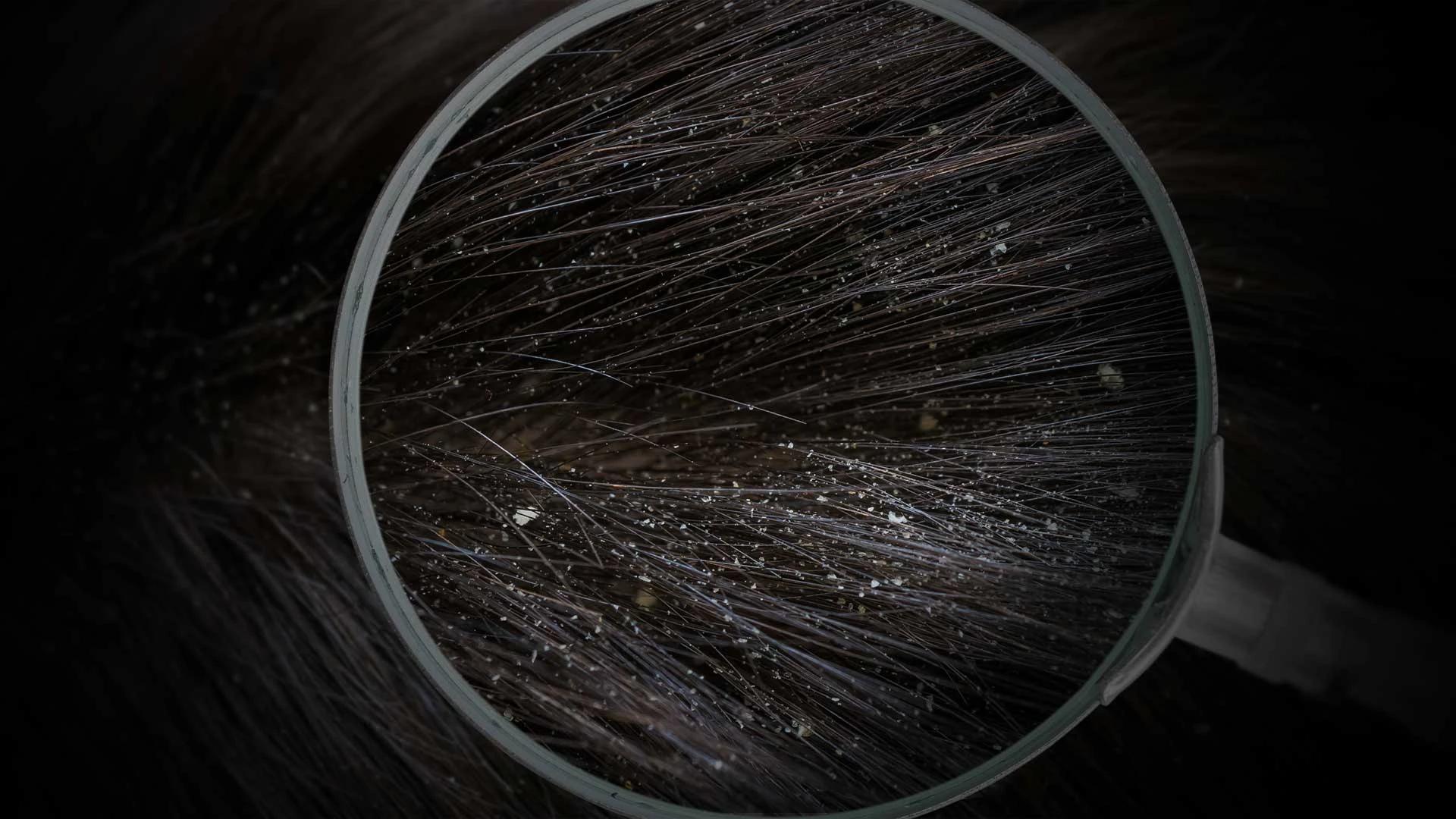
Before we jump into solutions, let's get real about what's causing all that flaking. Dandruff isn't just about having a "dirty" scalp—it's usually down to a sneaky little fungus called Malassezia that lives on everyone's scalp. When this fungus gets a bit too comfortable, it feeds on the natural oils your scalp produces and creates irritation that leads to those annoying flakes. Seborrheic dermatitis is dandruff's more intense cousin, causing not just flaking but also redness and inflammation. Your scalp's pH balance plays a huge role too—when it gets thrown off, it creates the perfect environment for these issues to thrive. Stress, hormonal changes, and even the weather can make things worse, which explains why your dandruff might flare up during exam season or when the seasons change. The key difference between dandruff and just having a dry scalp? Dandruff flakes are usually oily and yellowish, while dry scalp creates smaller, white flakes. Knowing which one you're dealing with helps you pick the right flaky scalp treatment approach.
When it comes to medicated dandruff shampoos, ketoconazole is like bringing out the big guns. This antifungal ingredient directly targets the Malassezia fungus that's causing all your scalp drama. You'll find it in 1% concentrations in over-the-counter products, whilst 2% versions need a prescription. The trick with ketoconazole is patience—don't just lather and rinse immediately. Let it sit on your scalp for about 5-10 minutes to really get to work. Start with twice-weekly applications, then scale back to once weekly for maintenance once your flakes are under control.
Apply to wet hair, massage gently into your scalp (not just your hair), and set a timer. Use lukewarm water for rinsing—hot water can irritate an already sensitive scalp. Some people find their hair feels a bit dry after using ketoconazole, so follow up with a gentle conditioner on your lengths and ends only.
Selenium sulfide works on two fronts—it reduces the fungus count on your scalp whilst also slowing down the rate at which your skin cells shed. This makes it particularly effective for stubborn, persistent dandruff that doesn't respond to gentler treatments. You'll typically find selenium sulfide in 1% concentrations in products available without prescription. Like ketoconazole, it needs contact time to work properly, so plan for those 5-10 minutes of waiting time. Start with twice weekly, then adjust based on how your scalp responds.
Selenium sulfide can temporarily discolour blonde, grey, or chemically treated hair, so do a patch test first. The good news? This discolouration is usually temporary and washes out after a few regular shampoo sessions.
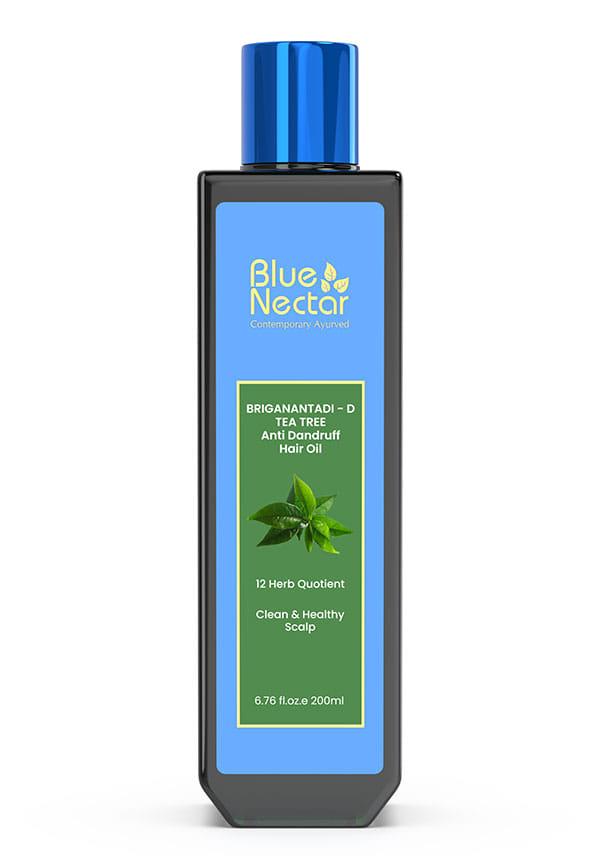
Tea Tree Anti Dandruff and Healthy Scalp Oil 12 Herbs
If you need something you can use more frequently, zinc pyrithione is your friend. It's got both antibacterial and antifungal properties but is gentle enough for regular use. This makes it perfect for maintaining clear scalp health once you've got your dandruff under control. Many popular anti-dandruff scalp treatments contain zinc pyrithione because it's effective yet mild. You can use it as your regular shampoo, making it super convenient for busy lifestyles. It's also less likely to cause the dryness that some stronger medicated options can trigger.
When you're dealing with thick, stubborn flakes that seem glued to your scalp, salicylic acid is your go-to. This beta-hydroxy acid works by breaking up the bonds that hold dead skin cells together, making it easier to wash away buildup. Salicylic acid treatments work best when you've got visible scaling or when other treatments haven't quite cleared up all the flakes. It's particularly helpful for people with seborrheic dermatitis scalp care needs, as it can penetrate through oily buildup.
Start slowly with salicylic acid—it can be drying if you overdo it. Once or twice weekly is usually plenty, and always follow up with a moisturising conditioner. If you colour your hair, check with your stylist first, as salicylic acid can sometimes affect colour longevity.
For those who prefer natural anti-dandruff remedies, tea tree oil is a proven performer. Its antifungal and anti-inflammatory properties make it effective against the root causes of dandruff, whilst also providing scalp irritation relief. Never use tea tree oil straight from the bottle—it's way too strong and can cause burns. Mix 5-10 drops with a tablespoon of carrier oil like coconut or jojoba oil. Massage this into your scalp, leave for 10-15 minutes, then shampoo as normal.
Apple cider vinegar works by restoring your scalp's natural pH balance, creating an environment where dandruff-causing fungi struggle to thrive. It's one of those itchy scalp remedies that's been passed down through generations—and there's actually science behind why it works. Mix one part apple cider vinegar with three parts water for a gentle rinse. Apply after shampooing, let it sit for a few minutes, then rinse thoroughly. The smell disappears once your hair dries, promise.
Start with once weekly applications and see how your scalp responds. Some people can handle it more frequently, whilst others find even weekly use a bit strong. Always dilute it properly—undiluted vinegar can damage your hair and irritate your scalp.
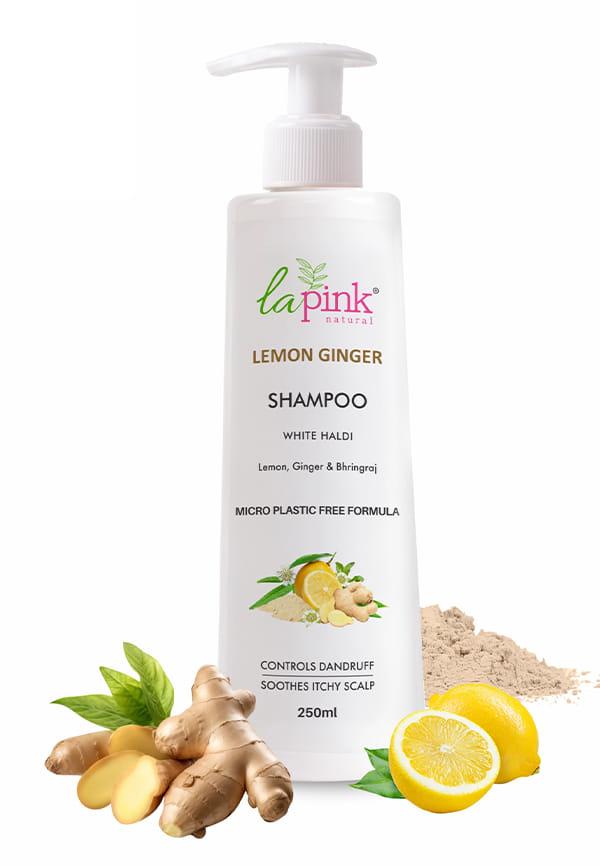
Lemon Ginger Shampoo with White Haldi to Control Dandruff & Soothe Itchy Scalp
When your scalp feels like it's on fire from all the itching and irritation, aloe vera gel provides instant cooling relief. Its anti-inflammatory properties help calm angry, inflamed skin whilst its natural enzymes gently remove dead skin cells. Use pure aloe vera gel (check the ingredients—you want 99% aloe, not a gel loaded with alcohol and artificial colours). Apply directly to your scalp, massage gently, and leave for 15-20 minutes before shampooing.
Sometimes dandruff is more than just a cosmetic annoyance—it can be a sign of seborrheic dermatitis or other scalp conditions that need professional attention. If over-the-counter treatments aren't cutting it after 6-8 weeks of consistent use, it's time to see a dermatologist. Professional hair and scalp treatments might include prescription-strength antifungals, corticosteroid solutions for inflammation, or combination therapies tailored to your specific scalp needs. A dermatologist can also rule out other conditions like psoriasis that might be masquerading as dandruff.
Book that appointment if you're experiencing severe itching that disrupts your sleep, if your scalp is red and inflamed, or if the flaking is spreading to your face or other areas. Hair follicle health can be compromised by untreated scalp conditions, so don't tough it out if things aren't improving.
The best anti-dandruff scalp treatments work when they're part of a consistent routine, not just emergency measures when flakes appear. Your daily habits play a huge role in maintaining scalp health products effectiveness. Wash your hair regularly—not daily unless you have very oily hair, but don't let oil and product buildup accumulate for days either. Rotate between different active ingredients to prevent your scalp from getting too used to one treatment. And here's something many people don't realise: the way you style your hair matters too.
Stress management isn't just good for your mental health—it directly impacts your scalp condition. Getting enough sleep, eating a balanced diet rich in zinc and B vitamins, and managing stress through exercise or meditation can all support your anti-dandruff efforts.
With so many options available, picking the right treatment can feel overwhelming. Start by identifying whether you're dealing with oily dandruff (yellowish, greasy flakes) or dry scalp issues (small, white flakes). Oily dandruff usually responds better to antifungal treatments, whilst dry scalp needs more moisturising approaches. Consider your lifestyle too—if you're always rushing in the morning, a leave-on treatment that needs 10 minutes might not be practical. In that case, a gentle daily zinc pyrithione shampoo might work better than a weekly intensive treatment.
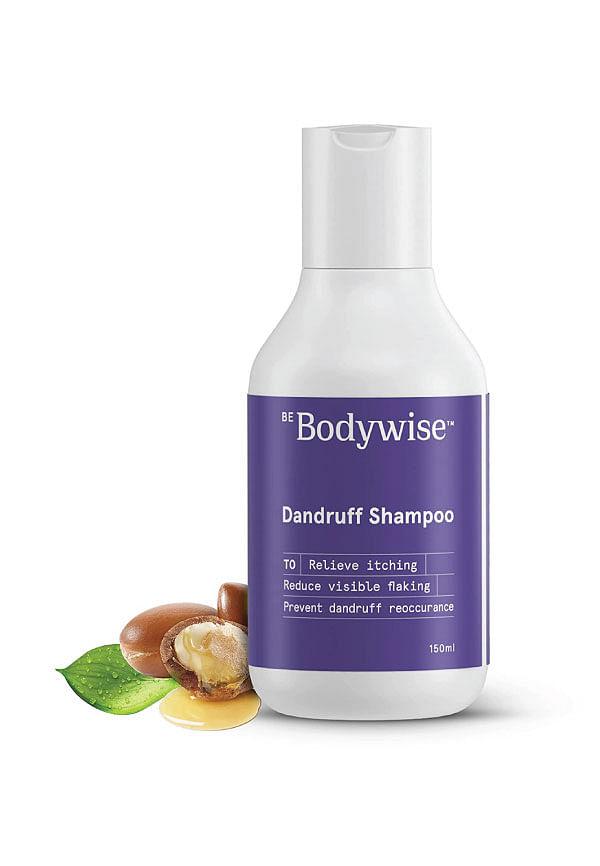
1% Ketoconazole Dandruff Shampoo
Many people find success combining different approaches—perhaps using a medicated shampoo twice weekly and a natural remedy like tea tree oil once weekly. The key is giving each treatment time to work before switching to something else. Most scalp irritation relief treatments need at least 4-6 weeks of consistent use to show their full effects.
The most effective treatment depends on what's causing your dandruff. For fungal-related dandruff, ketoconazole or selenium sulfide tend to be most effective. For sensitive scalps, zinc pyrithione offers gentler but still effective results. The "best" treatment is the one you'll use consistently and that doesn't irritate your particular scalp type.
Whilst there's no permanent "cure" for dandruff, you can definitely keep it under control long-term. Most people find that once they identify the right treatment combination, they can maintain a flake-free scalp with minimal effort. The key is finding a sustainable routine rather than looking for a one-time fix.
Dandruff is better thought of as a manageable condition rather than something that needs to be "cured." The fungi that contribute to dandruff naturally live on everyone's scalp—it's about keeping them in balance rather than eliminating them completely. With the right approach, most people can achieve and maintain a completely flake-free scalp.
For quick relief, medicated shampoos with ketoconazole or selenium sulfide typically show results within 2-4 weeks. However, "permanent" results come from consistent long-term scalp care rather than quick fixes. The fastest sustainable approach is identifying your triggers and building a routine around effective treatments.
Dealing with dandruff doesn't have to be a lifelong battle of constant shoulder-checking and dark clothing avoidance. Whether you go for medicated treatments, natural remedies, or a combination approach, the key is consistency and patience. Most people see significant improvement within a month of starting the right treatment. Remember that what works for your friend might not work for you—scalp chemistry is surprisingly individual. Don't be afraid to experiment (safely) with different approaches until you find your perfect match. And if over-the-counter options aren't doing the trick, there's no shame in getting professional help. Smytten's curated selection includes various scalp health products from trusted brands, making it easier to explore different anti-dandruff options without committing to full-size bottles right away. Not sure which treatment approach suits your scalp best? Smytten also offers trial-size versions of many of these products—a smart way to test what works before investing in the full routine.
