9 Dry Scalp Treatments for Instant Itch Relief

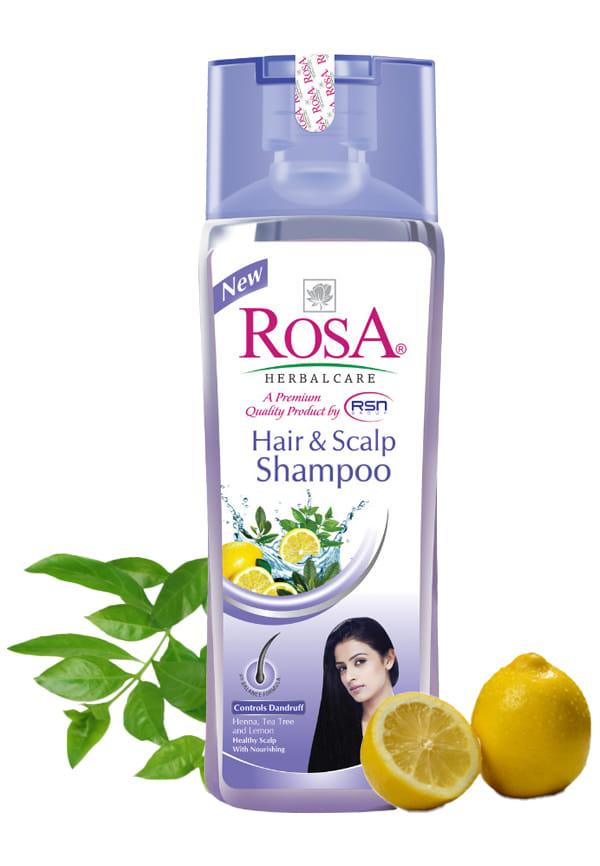
Hair & Scalp Shampoo with Tea Tree Oil and Lemon l Natural & Herbal ingredients
You know that moment when your scalp feels like it's been through a desert storm? The constant itch, the embarrassing flakes on your shoulders, and that tight, uncomfortable feeling that makes you want to scratch until it bleeds. If you're nodding along, you're definitely not alone. Dry scalp is one of those sneaky issues that can turn even the best hair days into a nightmare. The good news? There are actually loads of dry scalp treatments that can give you instant itch relief without breaking the bank or requiring a chemistry degree to understand.
Before diving into treatments, let's clear up the confusion between dry scalp and dandruff because they're not the same thing (even though they feel equally annoying). Dry scalp happens when your scalp lacks moisture, leading to small, white flakes that feel tight and itchy. Dandruff, on the other hand, is usually caused by an overgrowth of yeast and produces larger, yellowish flakes that are often oily.
Here's a quick way to tell the difference: if your flakes are small and white, and your scalp feels tight after washing, you're dealing with dryness. If the flakes are larger and your scalp feels oily even after washing, it's likely dandruff. This distinction matters because the treatments are quite different, and using the wrong approach might make things worse.
Dry scalp typically comes with small, dry flakes, tightness, and general discomfort. Your hair might also feel dry and brittle. Dandruff presents with larger, greasier flakes, and your scalp might actually feel oily rather than tight.
Gently part your hair in different sections and look at your scalp in good lighting. Notice the size and texture of any flakes, how your scalp feels to touch, and whether it looks red or irritated. This quick check helps you choose the right scalp itch relief approach.
Ready to tackle that itch head-on? These nine treatments range from simple switches in your routine to more intensive approaches. The best part is that most of them use ingredients you probably already have at home or can easily find at any store.
Your regular shampoo might be the culprit behind your dry scalp woes. Many commercial shampoos contain harsh sulphates that strip away natural oils, leaving your scalp parched and irritated. Look for moisturising scalp products that contain ingredients like glycerin, hyaluronic acid, or ceramides.
When shopping for hair care for dry scalp, avoid anything with sodium lauryl sulphate or alcohol high up in the ingredients list. Instead, go for gentle, hydrating formulas that promise to nourish rather than strip. Apply the shampoo mainly to your scalp, not the lengths of your hair, and follow with a rich conditioner focused on the mid-lengths and ends.
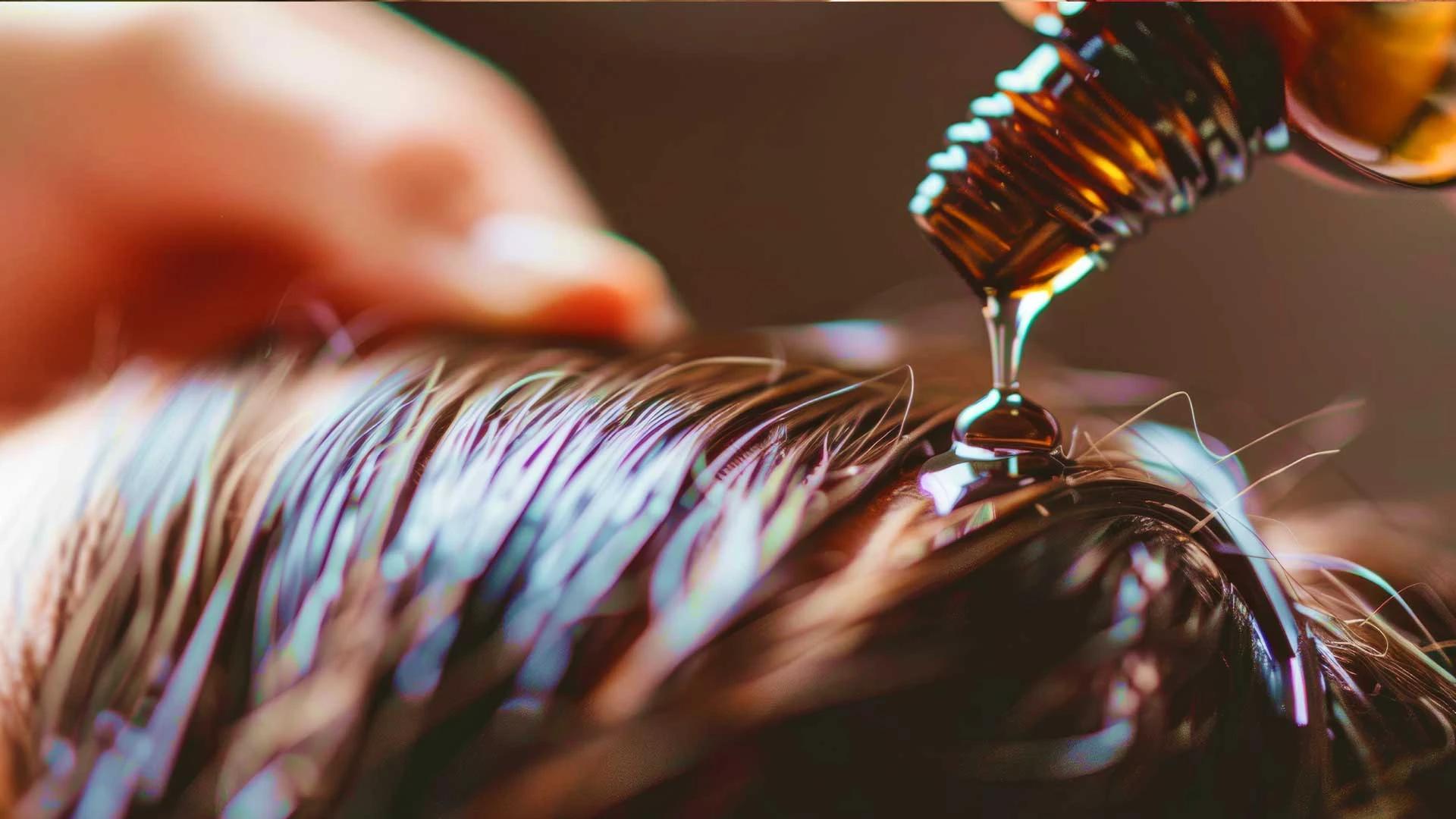
Oil treatments are probably the most effective soothing scalp treatments you can do at home. Coconut oil is brilliant because it has antimicrobial properties and penetrates the hair shaft beautifully. Jojoba oil mimics your scalp's natural sebum, making it perfect for balancing moisture levels. Argan oil is packed with vitamin E and fatty acids that heal and protect.
For the best results, warm the oil slightly (test it on your wrist first), then massage it into your scalp using circular motions. Leave it on for at least 30 minutes, or overnight if you can handle the mess. Always shampoo twice to remove all the oil, or you'll end up with greasy hair that defeats the purpose.
Think of hair masks as intensive therapy sessions for your dry hair and scalp. You can make a simple but effective mask at home using honey and olive oil. Mix two tablespoons of honey with one tablespoon of olive oil, apply it to damp hair and scalp, then cover with a shower cap for 20 minutes.
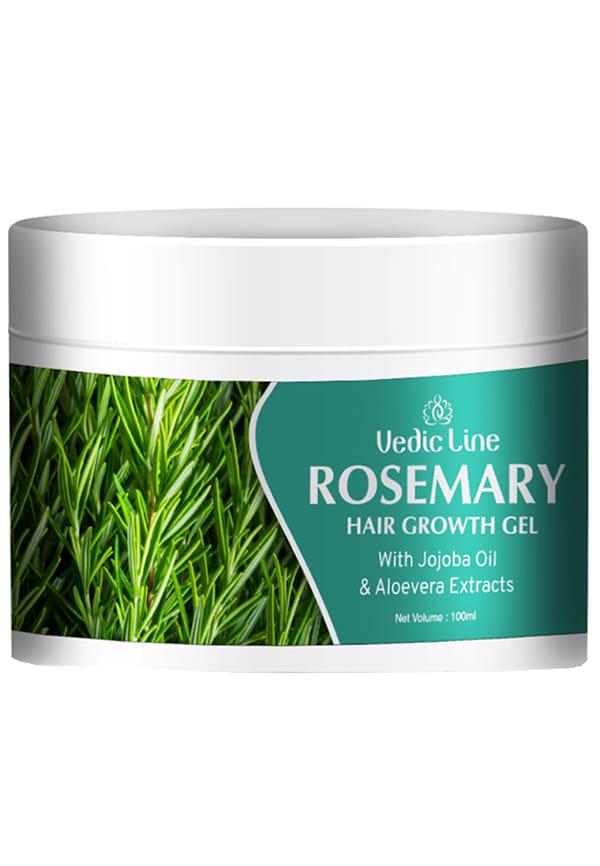
Rosemary Hair Growth Gel with Aloe Vera, Argan Oil & Jojoba Oil
Commercial masks designed for dry scalp often contain ingredients like shea butter, aloe vera, or oat extract. Use these treatments once or twice a week, depending on how dry your scalp feels. The key is consistency rather than frequency.
Just like your face, your scalp benefits from gentle exfoliation to remove dead skin cells and product buildup. You can create a simple scrub using brown sugar and olive oil, or look for products containing salicylic acid, which gently dissolves flakes and unclogs hair follicles.
Be gentle with exfoliation – your scalp is sensitive, and overdoing it can cause more irritation. Once a week is plenty for most people. Massage the exfoliant in circular motions, then rinse thoroughly and follow with a moisturising treatment.
This might be the easiest change you can make for instant scalp itch relief. Hot water feels amazing, but it strips away natural oils and can worsen dryness. Switch to lukewarm water for washing and cool water for the final rinse to seal the hair cuticles and lock in moisture.
Also, consider washing your hair less frequently. If you're washing daily, try every other day. If you're already washing every other day, try twice a week. Your scalp needs time to produce its natural oils, and overwashing disrupts this process.
Sometimes dry scalp needs a bit more intervention than basic moisturising. If you've tried the gentler approaches and you're still dealing with persistent itching and flaking, these more targeted treatments might be your answer.
Pyrithione zinc is a powerhouse ingredient for both dandruff treatment and dry scalp relief. It has antifungal properties and helps regulate cell turnover on your scalp. Look for shampoos containing 1-2% pyrithione zinc and use them 2-3 times a week initially, then reduce to once a week for maintenance.
Tea tree oil is another excellent option for its antimicrobial and soothing properties. Add a few drops to your regular shampoo, or look for products that already contain it. Aloe vera gel can be applied directly to the scalp for immediate cooling relief – just make sure it's pure aloe without added alcohol or fragrances.
If your dry scalp isn't responding to at-home treatments after 4-6 weeks, it might be time to see a dermatologist. They can determine if there's an underlying condition like seborrheic dermatitis or psoriasis that needs specific treatment.
Professional scalp treatments might include prescription shampoos, topical treatments, or even in-office procedures like scalp steaming or specialised exfoliation. Don't feel like you've failed if you need professional help – sometimes scalp health requires expert intervention.
Your environment plays a huge role in scalp health. Dry indoor air, especially during winter months, can worsen scalp dryness. Consider using a humidifier in your bedroom to add moisture to the air. Aim for humidity levels between 40-50%.
Your diet also affects your scalp health. Foods rich in omega-3 fatty acids (like salmon, walnuts, and flaxseeds) help maintain healthy skin and scalp. Staying hydrated is equally important – aim for at least 8 glasses of water daily.
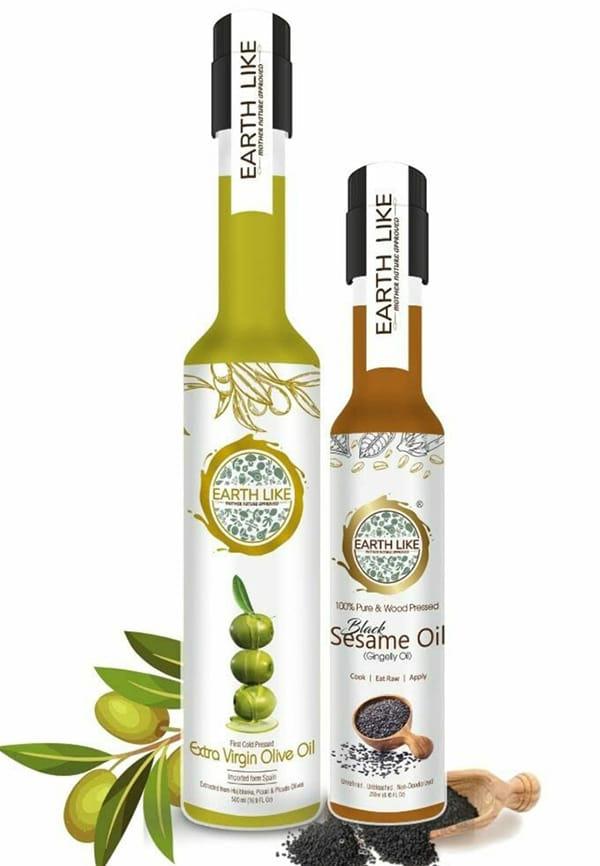
Olive Oil & Cold Pressed Black Sesame Oil Combo for Hair, Skin & Massage
Heat styling tools can worsen dry scalp by removing moisture from both your hair and scalp. Try to air-dry your hair when possible, and when you do use heat tools, always apply a heat protectant and use the lowest effective temperature.
Avoid tight hairstyles that pull on your scalp, as tension can worsen irritation. Be gentle when brushing – use a wide-tooth comb on wet hair and start from the ends, working your way up to avoid unnecessary tugging on your scalp.
The eternal debate: should you go natural or invest in commercial products? Honestly, both approaches have their merits, and the best choice depends on your specific needs, budget, and how severe your dry scalp situation is.
Natural remedies like coconut oil, honey masks, and aloe vera are gentle, affordable, and free from potentially irritating chemicals. They're brilliant for mild to moderate dryness and work well for people with sensitive skin. However, they can be messy and time-consuming to use.
Commercial moisturising scalp products are formulated specifically for scalp issues and often contain clinically proven ingredients. They're convenient to use and can be more effective for severe cases. The downside is they're more expensive and might contain ingredients that don't agree with sensitive scalps.
Some of the most effective flaky scalp remedies cost practically nothing. A simple olive oil massage costs pennies per treatment. An oatmeal paste (just oats blended with water) makes an excellent gentle exfoliant and soothing treatment. Even switching to cooler water for washing costs nothing but can make a significant difference.
The key to long-term scalp health is consistency rather than intensity. Your routine should be sustainable and fit into your lifestyle, or you simply won't stick to it. Start with the basics and gradually add more intensive treatments as needed.
Your morning routine should be simple: gentle brushing to distribute natural oils and perhaps a light application of leave-in treatment if your scalp feels tight. Evenings are perfect for more intensive treatments like oil massages or applying aloe vera gel to particularly itchy spots.
Plan one deep treatment per week – this could be an oil treatment, a hydrating mask, or gentle exfoliation. Choose a day when you have time to let treatments sit and work their magic. Sunday evenings often work well as a weekly reset.
Prevention is always better than cure, especially when it comes to scalp health. Once you've got your dry scalp under control, these strategies will help keep it that way and prevent future flare-ups.
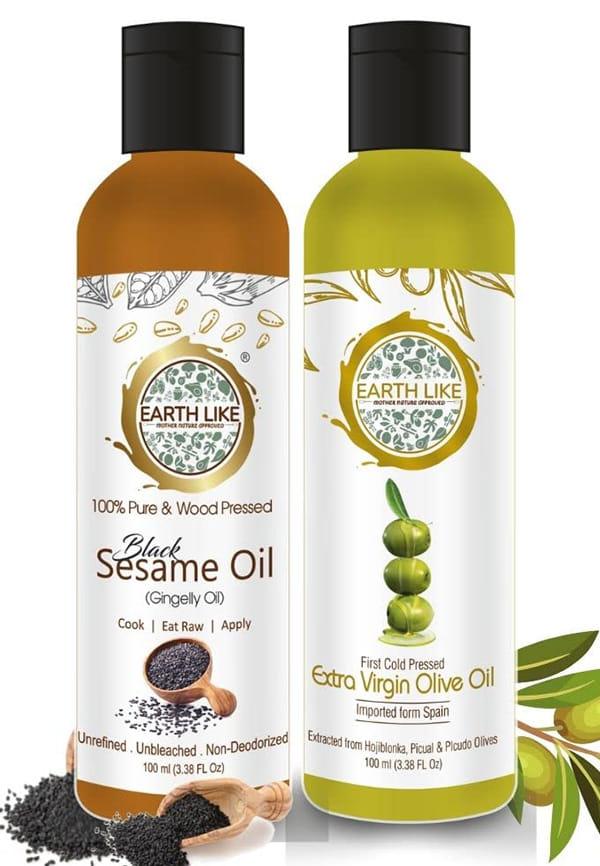
Olive Oil & Cold Pressed Black Sesame Oil Combo for Hair, Skin & Massage
Central heating, air conditioning, and seasonal changes all affect your scalp's moisture levels. During winter, use a humidifier and consider switching to a more moisturising shampoo. In summer, protect your scalp from sun damage with hats or UV-protective hair products.
Your scalp can get used to products over time, making them less effective. Rotate between two or three different shampoos and treatments to keep your scalp responding well. This also helps you identify which products work best for different seasons or stress levels.
The most effective approach combines gentle cleansing with regular moisturising treatments. Switch to a sulphate-free shampoo, wash with lukewarm water, and incorporate weekly oil treatments or hydrating masks. Consistency is key – you should see improvement within 2-3 weeks of following a proper routine.
Direct hydration comes from applying moisturising ingredients like aloe vera gel, hyaluronic acid serums, or natural oils directly to your scalp. Indirect hydration involves using gentler products, drinking more water, and using a humidifier to add moisture to your environment.
While 'cure' might be a strong word, you can definitely get dry scalp under control with the right approach. Start with identifying and eliminating irritating products, then introduce moisturising treatments gradually. Most people see significant improvement within 4-6 weeks of consistent care.
Coconut oil can be very effective for itchy scalp relief because it moisturises deeply and has antimicrobial properties. Warm the oil slightly, massage it into your scalp, leave for at least 30 minutes, then shampoo out thoroughly. Use this treatment 1-2 times per week for best results.
Home treatments are perfect for mild to moderate dryness and focus on gentle moisturising and lifestyle changes. Professional care is necessary for severe cases or when underlying conditions like dermatitis are involved. Dermatologists can prescribe stronger treatments and identify issues that home remedies can't address.
Dealing with dry scalp doesn't have to be a constant battle. With the right combination of gentle products, consistent care, and a bit of patience, you can get that itch under control and restore your scalp health. Remember, what works for your friend might not work for you, so don't be afraid to experiment with different approaches until you find your perfect routine.
The most important thing is to be gentle with your scalp and give treatments time to work. Most people see improvement within a few weeks, but it can take up to two months to see the full benefits of a new routine. If you're still struggling after trying these approaches consistently, don't hesitate to consult a dermatologist – sometimes professional guidance is exactly what you need.
Looking to try some of these treatments without committing to full-size products? Smytten offers trial-size versions of many scalp care products from trusted brands, making it easy to test what works for your specific needs before investing in larger bottles. It's a smart way to build your perfect dry scalp treatment routine without the guesswork.
