9 Dry Scalp Remedies for Instant Itch Relief

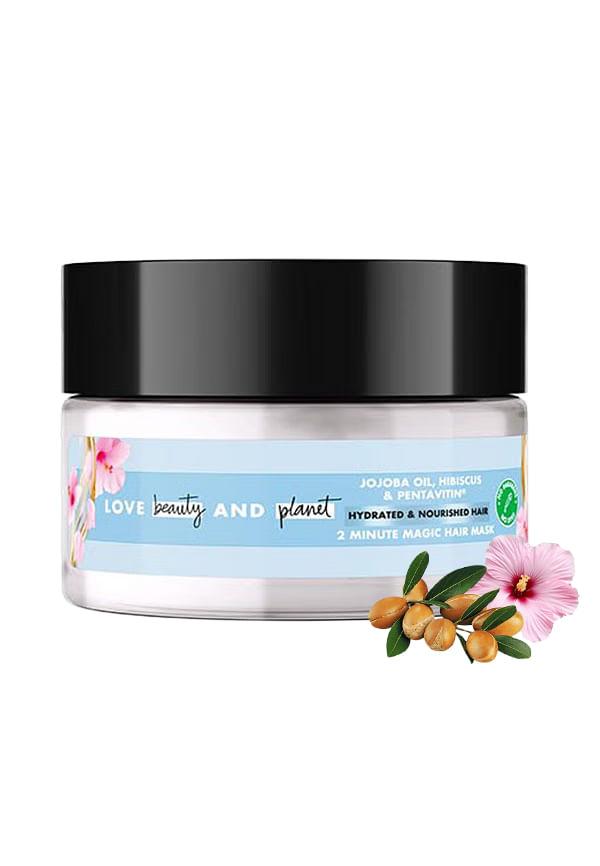
Jojoba oil , Hibiscus & Pentavitin Hydrate & Nourish Hair Mask
Hair Mask Works
 5
5“first time using this one hair mask and it also works”
Hair Mask Works
5“first time using this one hair mask and it also works”
Good Product, Go For It
5“like the product just go for it.”
You know that moment when your scalp feels like it's been through a desert storm? The constant itching, those annoying white flakes on your shoulders, and that tight, uncomfortable feeling that makes you want to scratch your head all day. If you're dealing with a persistently dry, itchy scalp, you're definitely not alone. The good news? There are actually some brilliant remedies that can give you instant relief and help restore your scalp's natural balance.
Before diving into solutions, let's get real about what's actually happening up there. Your scalp is basically an extension of your facial skin, and just like your face, it can get dehydrated, irritated, and out of balance. The top dry scalp issues usually stem from a combination of factors that strip away your scalp's natural moisture barrier.
Environmental factors play a huge role in scalp flaking causes. Cold weather and low humidity can literally suck the moisture right out of your scalp, leaving it parched and flaky. Then there's the double whammy of harsh hair products loaded with sulfates that strip away natural oils, plus hard water that leaves mineral buildup on your scalp. Over-washing and excessive heat styling just add insult to injury, creating a perfect storm for dryness.
Dry scalp typically shows up as small, white flakes that feel light and powdery. You might notice your scalp feels tight, especially after washing, and there's often persistent itching that gets worse in dry weather. The hair itself might feel brittle and look dull, since a healthy scalp is essential for healthy hair growth.
Here's where things get interesting – many people confuse dry scalp with dandruff, but they're actually quite different. Dandruff often involves an oily scalp with dry flakes, caused by a yeast-like fungus that feeds on excess oil. True dry scalp, on the other hand, is simply a lack of moisture. If you're seeing larger, yellowish flakes and your scalp feels oily, you might be dealing with seborrheic dermatitis rather than straightforward dryness.
Right, let's get to the good stuff – the remedies that actually work. These aren't just random internet suggestions; they're tried-and-tested methods that address the root causes of scalp dryness while providing immediate comfort.
This one's your foundation for how to treat dry scalp effectively. Sulfate-free shampoos cleanse without stripping your scalp's natural oils. Look for ingredients like glycerin, ceramides, and hyaluronic acid that actually add moisture while cleaning. Wash every 2-3 days max – daily washing just perpetuates the dryness cycle.
Oil treatments are absolute game-changers for scalp dryness relief. Coconut oil penetrates the hair shaft and provides deep conditioning, while argan oil is perfect for sensitive scalps due to its lightweight texture. Jojoba oil is technically a wax that mimics your scalp's natural sebum, making it brilliant for rebalancing oil production.
Pure aloe vera gel is like a cool drink of water for your parched scalp. Its anti-inflammatory properties calm irritation instantly, while its natural humectants draw moisture from the air. Apply fresh aloe gel directly to your scalp, leave for 20 minutes, then rinse with cool water.
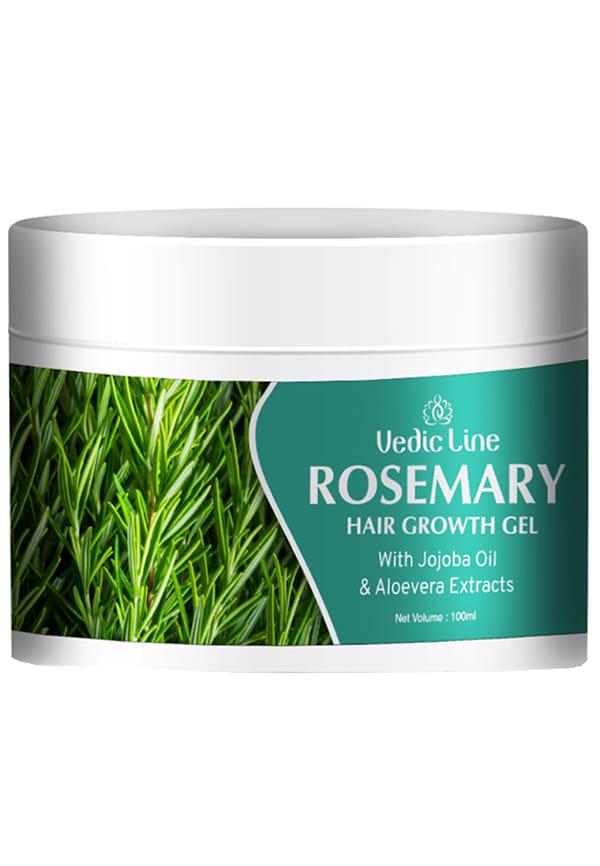
Rosemary Hair Growth Gel with Aloe Vera, Argan Oil & Jojoba Oil
Your scalp's natural pH is slightly acidic, but many shampoos and hard water can throw this balance off. A diluted apple cider vinegar rinse (1 part vinegar to 3 parts water) helps restore the proper pH while removing product buildup that can contribute to dryness.
Colloidal oatmeal is a powerhouse for sensitive dry scalp solutions. Blend plain oats into a fine powder, mix with warm water to form a paste, and apply to damp scalp. The beta-glucans in oats form a protective film while the natural saponins gently cleanse without irritation.
Tea tree oil's antimicrobial properties help address any underlying scalp issues while reducing inflammation. Always dilute it properly – 2-3 drops in a tablespoon of carrier oil. Do a patch test first, as some people find it too strong for their scalp.
Raw honey is a natural humectant that draws moisture into your scalp, while yogurt contains lactic acid that gently exfoliates dead skin cells. Mix equal parts and apply to scalp for 30 minutes before rinsing. The probiotics in yogurt might even help balance your scalp's microbiome.
Gentle scalp massage improves blood circulation, which helps deliver nutrients to hair follicles. Add a few drops of lavender or rosemary essential oil to a carrier oil and massage in circular motions for 5-10 minutes. The increased circulation helps your scalp's natural healing processes.
For seriously dry scalps, overnight treatments give ingredients time to really penetrate. Apply your chosen oil treatment, cover with a silk scarf or shower cap, and wash out in the morning. This intensive approach works brilliantly for stubborn dryness.
Choosing the right shampoo is crucial for maintaining scalp health long-term. The best shampoo for dry scalp should cleanse gently while adding moisture back to your scalp and hair.
Look for shampoos containing glycerin and hyaluronic acid, which are moisture magnets. Shea butter and ceramides help repair the scalp's moisture barrier, while vitamin E and panthenol provide antioxidant protection and conditioning benefits. These ingredients work together to address dryness at multiple levels.
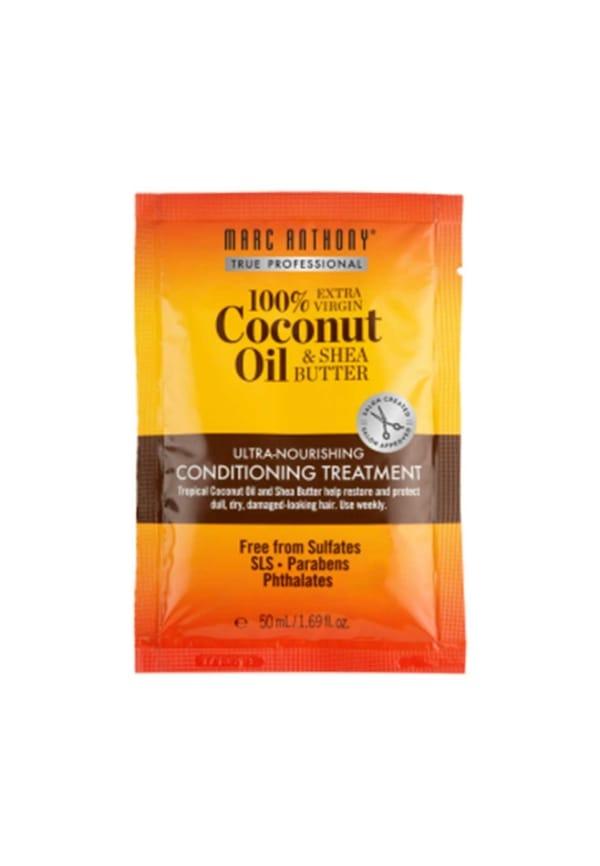
Hydrating Coconut Oil And Shea Butter Deep Nourishing Conditioning Treatment Mask
Steer clear of sulfates like sodium lauryl sulfate, which are too harsh for dry scalps. Alcohol-based products will only make dryness worse, and artificial fragrances can trigger sensitivity in already irritated scalps. Read those ingredient lists carefully – your scalp will thank you.
Fine hair needs lightweight formulas that won't weigh it down, while thick hair can handle richer, more moisturising formulations. If you have colour-treated hair, look for sulfate-free formulas specifically designed to preserve colour while addressing dryness. Adjust your washing frequency based on your hair type – fine hair might need washing every other day, while thick, coarse hair can go longer between washes.
Sometimes home remedies are enough, but other times you need to bring in the professionals. Knowing when to escalate your treatment can save you time and discomfort.
If your scalp dryness is mild to moderate and you haven't noticed any concerning symptoms like severe inflammation or hair loss, home remedies are definitely worth trying first. They're cost-effective, natural, and often surprisingly effective. Give any new routine at least 2-3 weeks to show results – scalp healing takes time.
If you're still dealing with persistent itching after several weeks of consistent treatment, or if you notice severe flaking, inflammation, or any hair loss, it's time to see a dermatologist. Sometimes what looks like simple dryness is actually a more complex scalp condition that needs professional diagnosis.
Professionals have access to prescription medicated shampoos and topical treatments that aren't available over the counter. They can also perform professional scalp analysis to identify underlying issues you might have missed. Sometimes a professional perspective is exactly what you need to break the cycle of chronic scalp problems.
The best approach to dry scalp is preventing it in the first place. Once you've got your scalp back to a healthy state, these strategies will help keep it that way.
Optimise your washing frequency based on your scalp's needs rather than following a rigid schedule. Limit heat styling temperature and always use a heat protectant. When you do style your hair, try protective techniques like loose braids or low ponytails that don't put stress on your scalp.
Use a humidifier in dry environments, especially during winter months. Protect your scalp from sun exposure with hats or UV-protective hair products. Make seasonal adjustments to your routine – your scalp needs different care in summer versus winter.
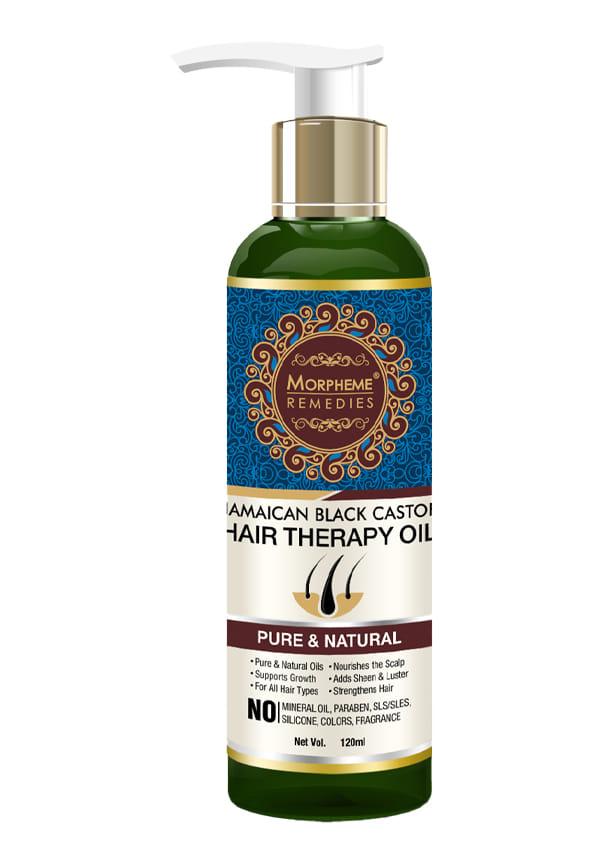
Morpheme Remedies Jamaican Black Castor Hair Therapy Oil - No Mineral Oil & Silicones
Stay hydrated – your scalp needs moisture from the inside out. Eat a balanced diet rich in omega-3 fatty acids and vitamins that support skin health. Manage stress levels, as chronic stress can definitely impact your scalp's condition. Even your sleep quality affects how well your scalp can repair itself overnight.
The top of your scalp is most exposed to environmental factors like sun, wind, and pollution, making it more prone to dryness. Additionally, this area often gets the most direct contact with harsh shampoos and styling products. Some people also have a genetic predisposition to dryness, and oil production naturally decreases with age.
For extreme dryness, start with intensive overnight oil treatments 2-3 times per week, switch to a gentle, sulfate-free shampoo, and consider seeing a dermatologist if home remedies don't provide relief within a month. Sometimes prescription treatments are necessary for severe cases.
Focus on gentle cleansing, regular moisturising treatments, and protecting your scalp from environmental damage. Establish a consistent routine with the right products for your scalp type, and be patient – it takes time to restore your scalp's natural balance.
Start with intensive hydrating treatments like overnight oil masks, switch to ultra-gentle cleansing products, and consider professional help if the condition doesn't improve within 4-6 weeks. Sometimes extreme dryness indicates an underlying condition that needs medical treatment.
Chronic scalp dryness can contribute to hair thinning if it leads to inflammation or excessive scratching that damages hair follicles. However, this is usually reversible with proper treatment. Focus on healing your scalp, and your hair health should improve as well.
Most people see improvement within 2-4 weeks of consistent treatment, but complete healing can take 6-8 weeks or longer for severe cases. Factors like the underlying cause, your overall health, and how consistently you follow your treatment routine all affect healing speed.
Dealing with a dry, itchy scalp can be frustrating, but the right combination of gentle care and targeted treatments really does work. The key is being consistent with your routine and giving your scalp time to heal. Remember, your scalp is skin too, and it deserves the same thoughtful care you give your face.
Whether you're trying natural remedies at home or working with a professional, the most important thing is to listen to your scalp and adjust your approach as needed. What works for your friend might not work for you, and that's completely normal.
If you're looking to try different products without committing to full sizes, Smytten's curated selection includes gentle shampoos and scalp treatments from trusted brands. Not sure which format works for your hair? Smytten also offers trial-size versions of many scalp care products – a good way to test what works before investing in full bottles.
