9 Doctor Recommended Oils for Hair Growth & Regrowth

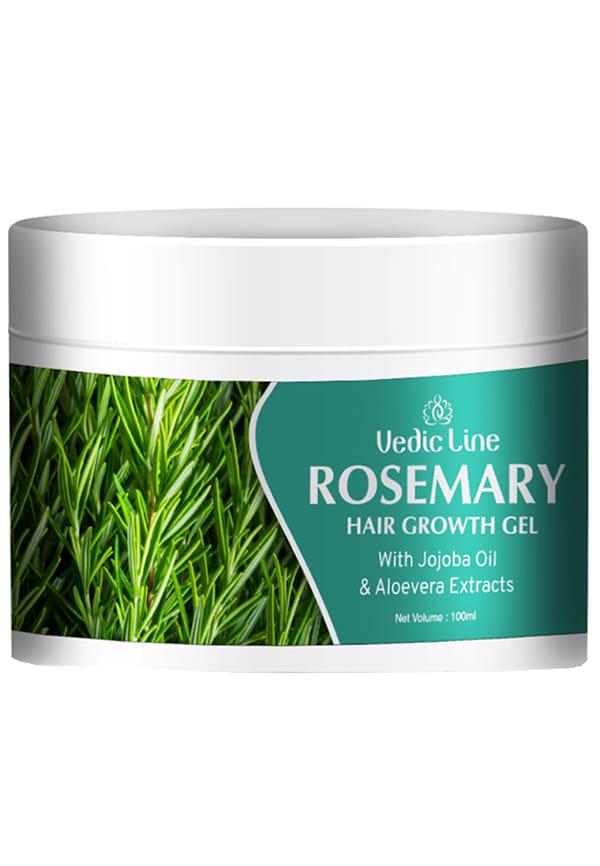
Rosemary Hair Growth Gel with Aloe Vera, Argan Oil & Jojoba Oil
Let's be real—when your hairline starts playing hide and seek or your ponytail feels more like a pencil, it's time to get serious about hair growth. But with countless oils promising miraculous results, how do you separate the science from the sales pitch? The good news is that dermatologists and trichologists have actually studied which oils genuinely support hair growth and regrowth. From ancient Ayurvedic remedies that now have clinical backing to modern formulations with proven actives, these doctor-recommended oils aren't just wishful thinking—they're backed by research. Whether you're dealing with postpartum hair loss, male pattern baldness, or just want thicker, stronger strands, understanding which oils actually work (and why) can save you time, money, and disappointment. Platforms like Smytten make it easier than ever to trial these products before committing to full sizes, letting you discover what works for your unique hair needs without the guesswork.
TL;DR
Rosemary oil has clinical studies showing it works as well as 2% minoxidil for hair regrowth
Coconut oil prevents protein loss and strengthens hair shafts to reduce breakage
Castor, argan, and jojoba oils provide scalp nourishment and follicle support
Pumpkin seed and black seed oils may help block DHT, the hormone linked to hair loss
Proper application techniques and realistic timelines (3-6 months) are crucial for seeing results
Not all hair oils are created equal, and dermatologists know this better than anyone. When doctors recommend a hair growth oil, they're looking for specific criteria that go way beyond marketing claims. The best hair growth oil recommended by doctors needs to have clinical studies, proven mechanisms of action, and safety profiles that won't irritate your scalp or interfere with other treatments.
Real doctor recommended hair loss treatment options are evaluated based on their ability to improve blood circulation to hair follicles, provide essential nutrients, or block hormones that contribute to hair loss. Unlike products that just make your hair look shinier, these oils actually work at the follicle level to promote new growth and strengthen existing strands.
Dermatologists focus on oils that contain compounds like carnosic acid (found in rosemary), lauric acid (in coconut oil), or ricinoleic acid (in castor oil). These aren't just fancy names—they're molecules that have been studied for their effects on hair follicles, scalp circulation, and hair shaft strength.
When you see "clinically proven" on a bottle, doctors want to see peer-reviewed studies, not just internal company research. The gold standard is comparing the oil's effects to established treatments like minoxidil or measuring actual hair count increases over time.
These three oils have the strongest scientific backing and are most frequently recommended by dermatologists and trichologists worldwide. Each works through different mechanisms, which is why many doctors suggest rotating between them or using them in combination.
Here's where things get really interesting—rosemary oil isn't just another essential oil trend. A 2015 study published in SKINmed journal compared rosemary oil to 2% minoxidil (the active ingredient in Rogaine) and found both treatments produced similar hair growth results after 6 months. This makes rosemary oil one of the best hair growth oil recommended by doctors, especially for people who want a natural alternative to pharmaceutical treatments.
The magic happens thanks to carnosic acid, which improves blood circulation to hair follicles and may help block DHT (dihydrotestosterone), the hormone responsible for male pattern baldness. As a follicle stimulating hair oil, rosemary works by essentially "waking up" dormant follicles and encouraging them to enter the growth phase.
While coconut oil might not directly stimulate new hair growth, it's earned its place among natural oils for hair growth because of its unique ability to penetrate the hair shaft and prevent protein loss. This is huge for anyone dealing with breakage or weak hair that snaps easily.
The lauric acid in coconut oil has a low molecular weight, allowing it to actually get inside your hair rather than just sitting on top. This makes it an excellent hair strengthening oil that works from the inside out. Dermatologists often recommend it as a pre-wash treatment to protect hair during cleansing.
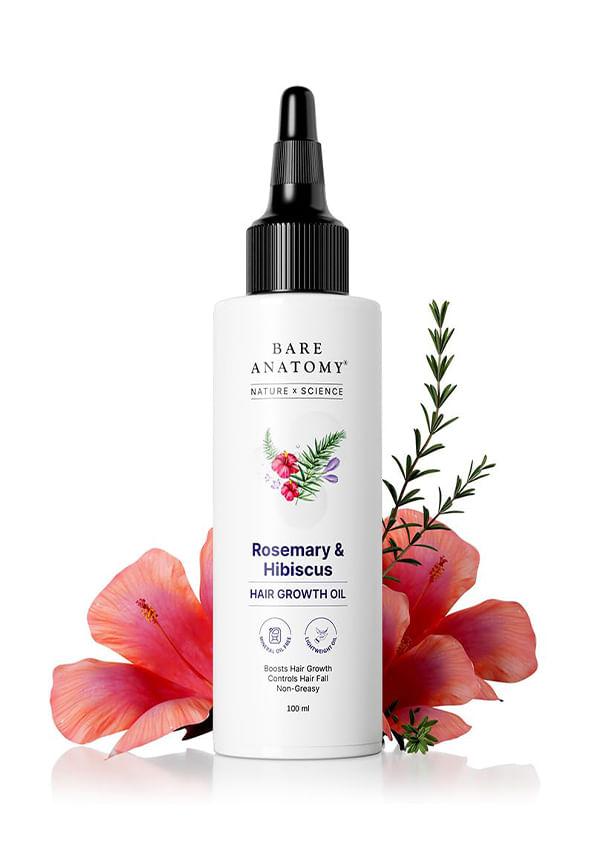
Nature x Science Rosemary Hibiscus Hair Growth Oil
Good for hair & lightweight
 4
4“Rosemary and hibiscus is good for your hair...also this is very light weight.”
Good Product, Easy to Use
4“It is a good product, easy to use and the smell is also decent ”
Bhringraj has been used in Ayurvedic medicine for centuries, but modern research is finally catching up to what traditional healers have known all along. Studies show that bhringraj can improve scalp circulation and may help increase hair density, making it a valuable hair regrowth oil for thinning hair.
What makes bhringraj special is its ability to nourish hair roots while also providing a cooling effect on the scalp. This dual action makes it particularly effective for people whose hair loss might be related to scalp inflammation or poor circulation.
Beyond the top three, several other oils have earned dermatologist approval for specific hair concerns. These oils to promote hair growth work through various mechanisms, from providing essential fatty acids to creating optimal scalp conditions for hair growth.
Castor oil's thick, sticky texture might not be the most pleasant to work with, but its ricinoleic acid content makes it worth the effort. This compound has anti-inflammatory properties that can soothe irritated scalps and potentially improve the environment for hair growth. Many doctors recommend it as a scalp health oil for hair, particularly for people with inflammatory scalp conditions.
Rich in vitamin E and essential fatty acids, argan oil works more as a protective treatment than a direct growth stimulator. It's excellent for preventing oxidative damage to hair follicles and can help maintain scalp health. Its lightweight texture makes it suitable for daily use, unlike heavier oils.
Technically a wax ester rather than an oil, jojoba closely mimics your scalp's natural sebum. This makes it an excellent carrier oil for other active ingredients and helps balance scalp oil production. It's particularly useful as a best hair oil for breakage prevention in people with sensitive scalps.
Research suggests that pumpkin seed oil may help inhibit 5-alpha reductase, the enzyme that converts testosterone to DHT. While most studies have focused on oral supplementation, topical application may offer similar benefits for androgenetic alopecia.
Despite the obvious odour concerns, onion oil contains sulfur compounds and quercetin that may improve scalp circulation and provide nutrients for hair growth. Some small studies have shown promising results for hair regrowth, though more research is needed.
Black seed oil contains thymoquinone, a compound with anti-inflammatory properties that may benefit scalp health. While research is still emerging, some studies suggest it could help with hair density and overall scalp condition.
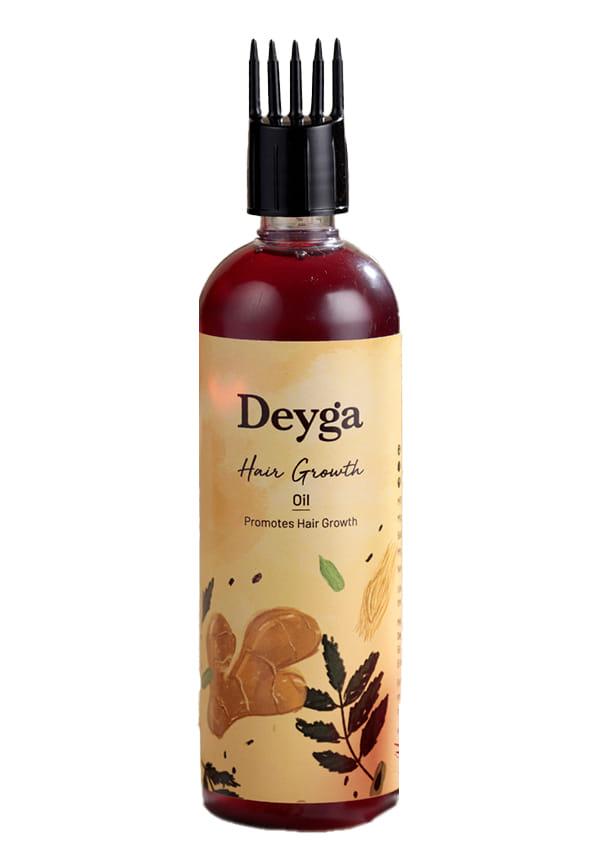
Hair Growth Oil ,Infused With Hibiscus, Rosemary & Grapeseed Oil
Men and women often experience different types of hair loss, which means their treatment approaches should be tailored accordingly. Understanding these differences helps doctors recommend the most appropriate oils for each situation.
Women's hair loss is often related to hormonal changes—pregnancy, postpartum, menopause, or PCOS. For these situations, doctors typically recommend gentler oils like coconut, argan, or jojoba that won't interfere with hormonal treatments. Rosemary oil can be effective but should be used with caution during pregnancy and breastfeeding.
Male pattern baldness is primarily driven by DHT sensitivity, so doctors often recommend oils with potential DHT-blocking properties like pumpkin seed oil or rosemary oil. The focus is usually on the crown and temples, where men typically experience the most hair loss.
Even the best doctor-recommended oil won't work if you're not using it correctly. Proper application can make the difference between seeing results and wasting your money on expensive treatments that don't deliver.
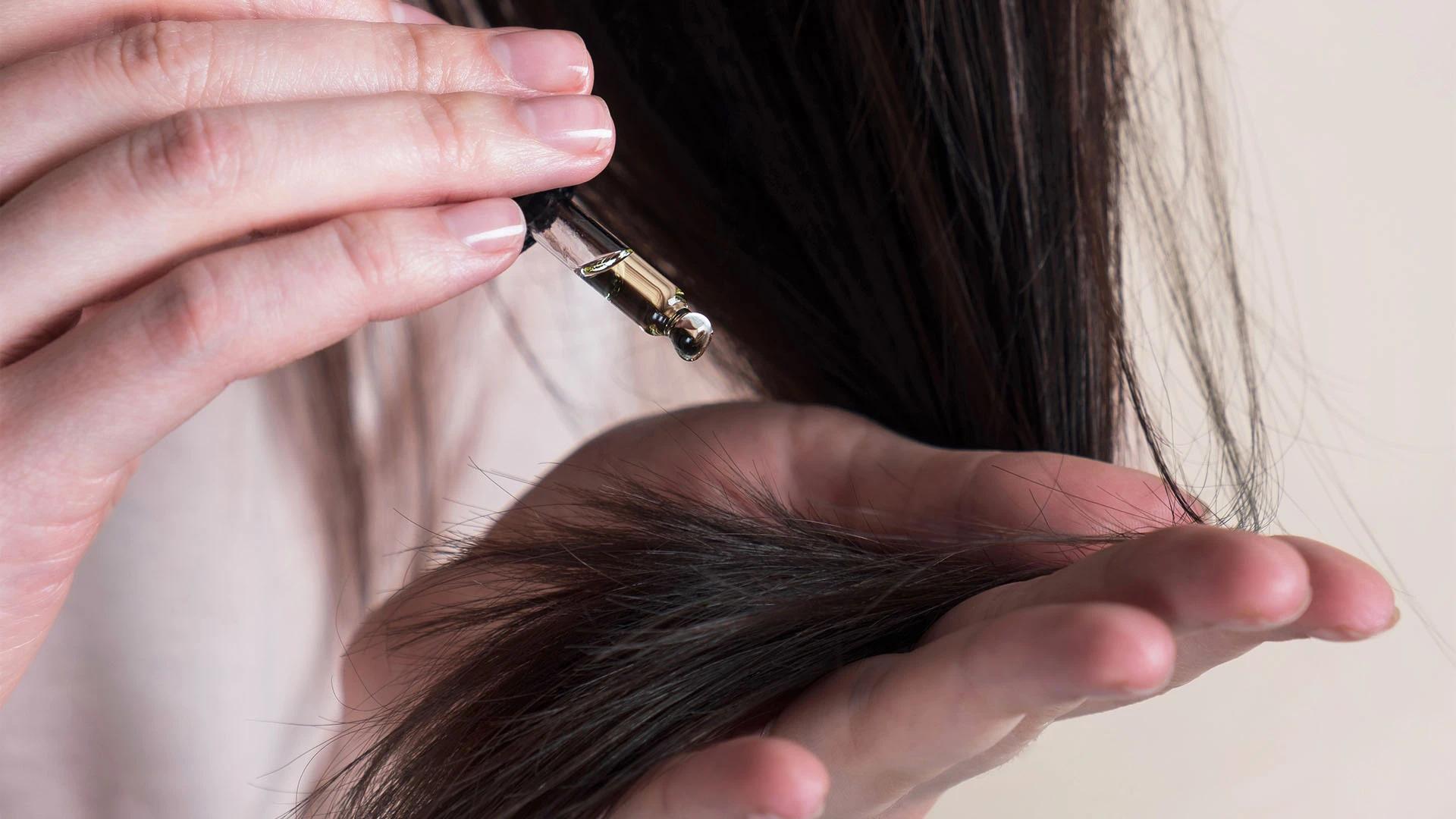
Start with a clean, slightly damp scalp for better absorption. Warm the oil slightly (never hot) and apply directly to the scalp, not just the hair lengths. Use your fingertips to massage in circular motions for at least 5 minutes to improve circulation—this massage is almost as important as the oil itself.
Most dermatologists recommend using hair growth oils 2-3 times per week, leaving them on for at least 30 minutes before washing. Some people prefer overnight treatments, but this isn't necessary and can lead to clogged pores if you're prone to scalp acne.
Always patch test new oils on a small area of skin before applying to your entire scalp. Essential oils like rosemary should be diluted with carrier oils—never apply them directly to your scalp at full strength.
Here's the truth that no marketing campaign wants to tell you: hair growth oils aren't miracle cures. Even the most effective treatments take time, and results vary significantly between individuals based on genetics, age, overall health, and the underlying cause of hair loss.
Most clinical studies show that you need to use hair growth oils consistently for at least 12-24 weeks before seeing measurable results. Some people notice reduced hair fall within 4-6 weeks, but actual new growth takes much longer. Doctors emphasise that oils work best as part of a comprehensive approach that might include proper nutrition, stress management, and sometimes medical treatments.
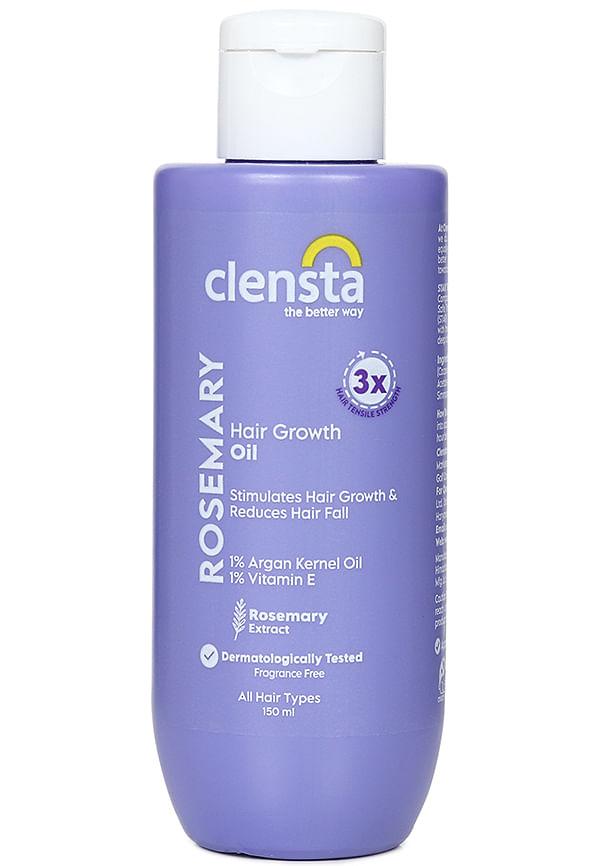
Rosemary Hair Growth Oil With Argan Oil & Vitamin E For Reducing Hair Fall, Strengthens Hair & Breakage
Amazing wellness product!
5“Here's the revised 25-word review: "Life-changing product! Reduced inflammation, improved sleep, and increased energy. Easy to use and backed by science. Highly recommend for natural wellness seekers!"”
Lightweight and good for hair
4“light weight good for notmel hairs”
Positive Product Review
5“Good results fast delivery nice 6Good results fast delivery nice product”
If you're experiencing sudden, severe hair loss, patchy bald spots, or hair loss accompanied by scalp irritation, it's time to see a dermatologist. These could be signs of conditions like alopecia areata, scalp infections, or autoimmune disorders that require medical treatment beyond what oils can provide.
Rosemary oil leads dermatologist recommendations due to clinical studies showing comparable results to 2% minoxidil for hair regrowth. Its carnosic acid content improves scalp circulation and may help block DHT production.
No oil provides overnight results. Clinical studies show 12-24 weeks for measurable improvement, with rosemary and coconut oils showing the earliest benefits in terms of reduced hair fall and improved hair strength.
Price doesn't determine effectiveness. Pure, single-ingredient oils often outperform expensive blends with unproven additives. Focus on oils with clinical backing rather than fancy packaging or celebrity endorsements.
Oils complement but don't replace FDA-approved treatments like minoxidil or finasteride for severe hair loss. They work best as part of a comprehensive approach that might include medical treatments, proper nutrition, and lifestyle changes.
Discontinue use immediately if you experience redness, itching, burning, or increased hair shedding. Always patch test before full application, especially with essential oils that need to be diluted with carrier oils.
Coconut, jojoba, and argan oils are generally considered safe during pregnancy. Avoid essential oils like rosemary without consulting your healthcare provider, as some essential oils can affect hormone levels or cause uterine contractions.
The world of hair growth oils doesn't have to be confusing when you focus on science over marketing. Rosemary oil stands out as the most clinically proven option, with studies showing it works as well as minoxidil for hair regrowth. Coconut oil excels at preventing breakage and strengthening existing hair, while oils like castor, argan, and jojoba provide excellent scalp nourishment and support.
Remember that consistency is key—most people need to use these oils for at least 3-6 months before seeing significant results. The application technique matters just as much as the oil you choose, so take time to massage your scalp properly and use the right frequency for your hair type. Most importantly, keep your expectations realistic and don't hesitate to consult a dermatologist if you're dealing with severe or sudden hair loss.
Finding the right hair growth oil for your specific needs doesn't have to involve expensive trial and error. Smytten is India's largest product discovery and trial platform, connecting consumers with top lifestyle, beauty, wellness, and grooming brands through curated trial packs from over 2,400 trusted brands. This try before you buy approach lets you explore different hair growth oils and serums without committing to full-size purchases. With Trial Points starting at just ₹279 for up to 10 minis, plus 100% cashback redeemable for future orders, you can discover what actually works for your hair without the financial risk. Whether you're testing rosemary oils, coconut-based treatments, or innovative serums with active ingredients, Smytten's authentic brand-verified minis and PAN-India delivery make it easier than ever to find your perfect hair growth solution. After all, why settle for 'maybe' when you can #TryItAll!
