9 Best Treatments for Dry Hair: Hydration Tips Revealed

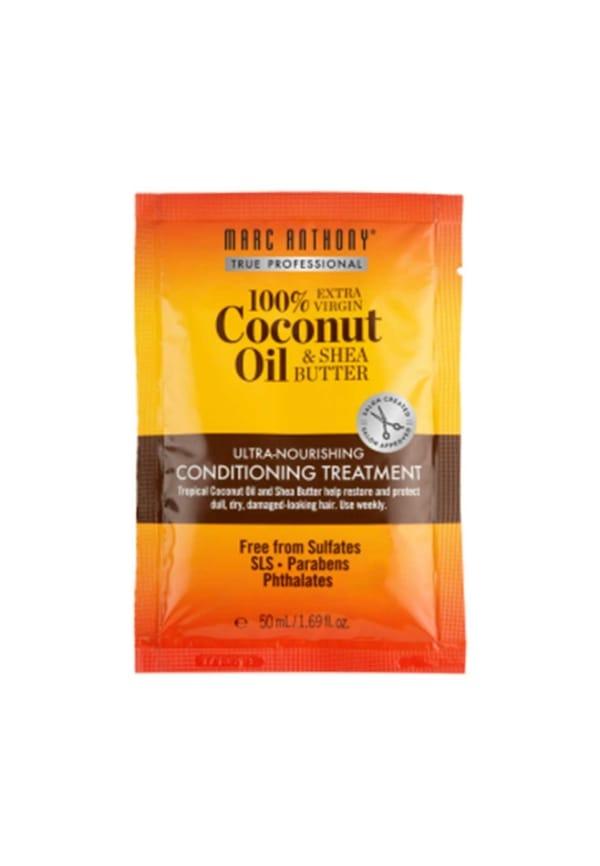
Hydrating Coconut Oil And Shea Butter Deep Nourishing Conditioning Treatment Mask
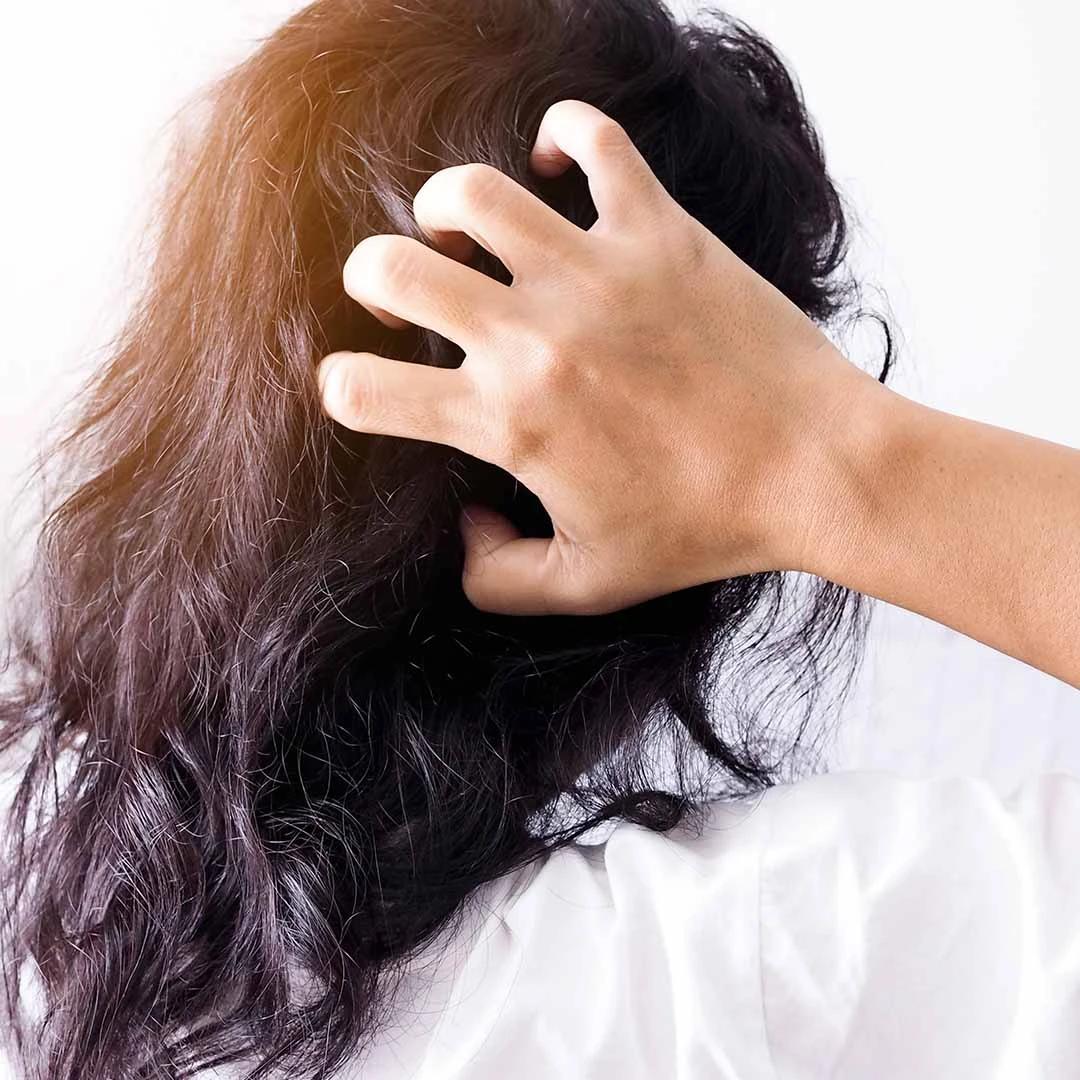
You know that feeling when your hair looks like it's been through a desert storm? Brittle strands that snap when you brush them, frizz that defies all logic, and a texture that feels more like straw than silk. If you're nodding along, you're definitely not alone. Dry hair is one of those universal struggles that can make even the simplest ponytail feel like mission impossible. The good news? There are actually loads of effective treatments that can bring your hair back to life, from quick DIY fixes to professional salon magic. Let's dive into the best treatments for dry hair that actually work.
Before we jump into solutions, let's get real about what dry hair actually means. Your hair becomes dry when it can't retain enough moisture, either because it's not producing enough natural oils or because those oils are being stripped away faster than they can be replaced. Think of it like a sponge that's lost its ability to hold water.
The culprits behind dry hair are pretty sneaky. Heat styling tools are major offenders—those straighteners and curling irons literally cook the moisture right out of your strands. Over-washing is another biggie, especially if you're using harsh shampoos with sulfates that strip away natural oils. Environmental factors like sun exposure, wind, and even air conditioning can zap moisture from your hair. Chemical treatments like bleaching, perming, or frequent colouring also damage the hair cuticle, making it harder for your strands to hold onto hydration.
You'll know your hair needs some serious hydration help when it feels rough to the touch, looks dull instead of shiny, tangles easily, and breaks or splits more than usual. Sometimes people confuse dry hair with a dry scalp, but they're different issues. Dry hair affects the strands themselves, while a dry scalp is about the skin on your head feeling tight, flaky, or itchy. Both need attention, but they require different approaches.
Sometimes your hair needs the kind of intensive care that only a professional can provide. Salon treatments for dry and damaged hair are like sending your strands to a luxury spa—they're designed to penetrate deeper and work more effectively than most at-home options.
Deep conditioning treatments are the gold standard for dry hair remedies. These aren't your regular conditioners; they're concentrated formulas that get applied to damp hair and left on for 15-30 minutes under heat. The warmth helps the treatment penetrate the hair shaft more effectively. Many salons offer customised deep conditioning based on your specific hair type and damage level.
Keratin treatments have become incredibly popular for managing dry, frizzy hair. While they're often marketed for smoothing, they also seal moisture into the hair shaft and create a protective barrier against humidity and environmental damage. The results typically last 3-4 months, making them a worthwhile investment if you're dealing with chronically dry hair.
Bond-building treatments like Olaplex work at a molecular level to repair broken disulfide bonds in damaged hair. These treatments are particularly effective if your dryness comes from chemical damage like bleaching or frequent colouring. They help restore the hair's internal structure, which improves its ability to retain moisture.
Not ready to splurge on salon treatments? Fair enough. Some of the most effective moisturising hair treatments can be whipped up in your own kitchen using ingredients you probably already have.
The honey and avocado mask is a proper game-changer for dry, brittle hair. Mash half a ripe avocado with two tablespoons of raw honey and a tablespoon of olive oil. Apply this mixture from mid-length to ends, avoiding the roots. The avocado provides healthy fats and vitamins, honey is a natural humectant that draws moisture from the air, and olive oil adds deep conditioning power. Leave it on for 20-30 minutes before washing out with a gentle shampoo.
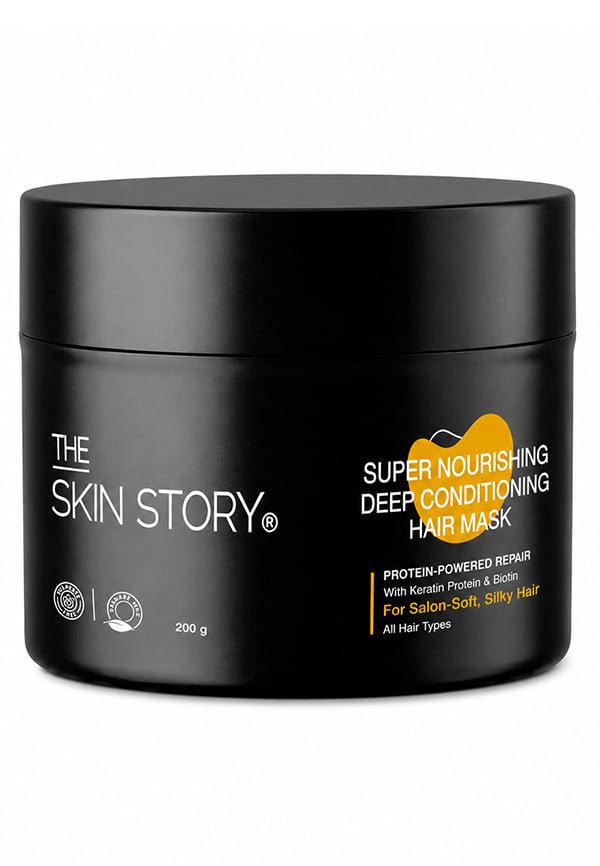
Super Nourishing Deep Conditioning Hair Mask Enriched With Keratin & Argan Oil
Coconut oil overnight treatments are brilliant for severely dry hair. Warm a few tablespoons of virgin coconut oil until it's liquid, then work it through your hair from mid-length to ends. Braid your hair loosely and sleep with it in—the extended contact time allows the oil to really penetrate the hair shaft. This treatment works particularly well for thick, coarse hair that needs serious moisture intervention.
For a protein boost alongside hydration, try an egg and olive oil mask. Whisk two eggs with three tablespoons of olive oil and apply to damp hair. Eggs contain proteins that help strengthen damaged hair, while the olive oil provides moisture. Just make sure to rinse with cool water to prevent the eggs from cooking in your hair.
If DIY isn't your thing, there are loads of excellent hair masks for dry damaged hair available in stores. Look for masks containing ingredients like argan oil, shea butter, keratin, or hyaluronic acid. Apply these masks once or twice a week, focusing on the mid-lengths and ends where dryness is typically most severe.
Your daily haircare routine is where the real magic happens for maintaining hydrated hair. The best conditioners for dry hair contain ingredients that both moisturise and seal the hair cuticle to prevent moisture loss.
Deep conditioners are different from your everyday conditioner—they're more concentrated and designed to be left on longer. Use a deep conditioner once a week in place of your regular conditioner, leaving it on for 5-10 minutes before rinsing. Regular conditioners should still be used after every wash to maintain baseline hydration.
Leave-in conditioners are absolute lifesavers for dry hair. They provide ongoing moisture throughout the day and help protect against environmental damage. Apply leave-in conditioner to damp hair, focusing on the ends, then style as usual. Look for lightweight formulas that won't weigh your hair down.
Hair oils and serums can be brilliant for sealing in moisture, but the key is using them correctly. Apply a small amount to damp hair before styling, or use a tiny bit on dry hair to tame frizz and add shine. Argan oil, jojoba oil, and marula oil are particularly good for dry hair because they're lightweight and absorb well.
When layering products, think of it like skincare—thinnest to thickest consistency. Start with leave-in conditioner on damp hair, then add any heat protectant, followed by styling products, and finish with a small amount of oil or serum if needed.
While not all natural remedies for dry hair live up to the hype, some have genuine scientific backing. Apple cider vinegar rinses can help restore your hair's natural pH balance, which improves the hair cuticle's ability to lie flat and retain moisture. Mix one part apple cider vinegar with three parts water and use as a final rinse after shampooing once a week.
Aloe vera gel contains amino acids and vitamins that can help repair damaged hair and add moisture. Pure aloe vera gel can be applied as a leave-in treatment on damp hair, though it works best on fine to medium hair types.
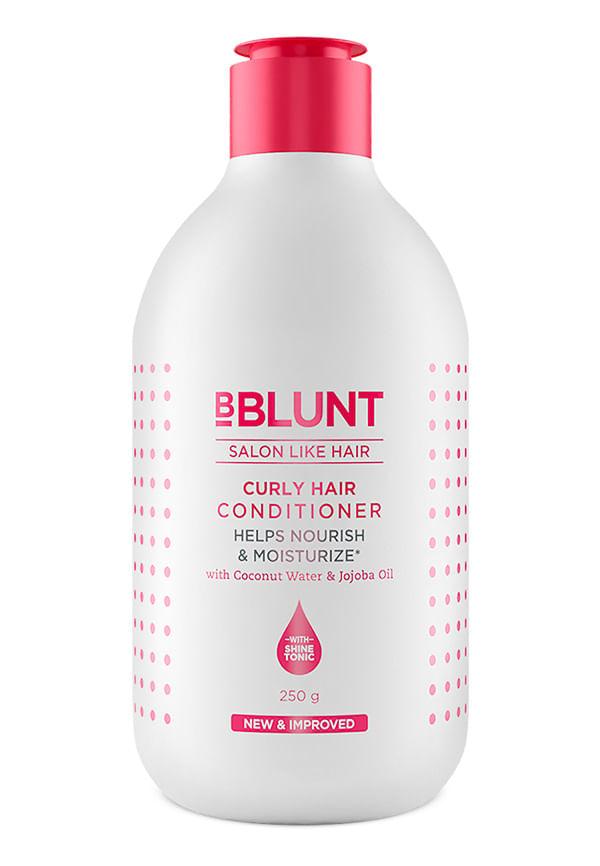
Curly Hair Conditioner with Coconut Water & Jojoba Oil
Nice and Beautiful Shampoo
 5
5“this sampoo is very nice and beautiful”
Nice Smell
4“it's nice and have a nice smell too”
Loved the Product
5“this product is very nice and I loved this product”
Green tea rinses provide antioxidants that can help protect hair from environmental damage. Brew a strong cup of green tea, let it cool completely, then use it as a final rinse after conditioning. The antioxidants help protect the hair shaft from free radical damage that can worsen dryness.
Sometimes the best treatment for dry hair isn't a product at all—it's changing how you treat your hair day-to-day. Washing frequency makes a huge difference. If you're washing daily, try cutting back to every other day or even twice a week if your hair type allows it. Over-washing strips natural oils faster than your scalp can replace them.
Heat styling protection is non-negotiable if you want to maintain healthy, hydrated hair. Always use a heat protectant spray before using any hot tools, and try to keep temperatures below 300°F when possible. Air-drying or using low-heat settings can make a massive difference in your hair's moisture levels over time.
Your pillowcase might be sabotaging your hair hydration efforts. Cotton pillowcases can create friction that leads to breakage and moisture loss. Switching to silk or satin pillowcases reduces friction and helps your hair retain its natural oils.
What you eat affects your hair health too. Foods rich in omega-3 fatty acids, biotin, and vitamins A and E support healthy hair growth and moisture retention. Think salmon, avocados, nuts, and leafy greens.
Even with the best intentions, it's easy to accidentally make dry hair worse. Using shampoos with harsh sulfates is a major culprit—they're designed to strip oil and dirt, but they don't discriminate between the bad stuff and the natural oils your hair needs.
Brushing wet hair aggressively can cause serious damage because wet hair is more elastic and prone to breakage. If you must detangle wet hair, use a wide-tooth comb and start from the ends, working your way up gradually.
Using the wrong products for your hair's porosity level can backfire. High-porosity hair (damaged or chemically treated) needs heavier, more occlusive ingredients, while low-porosity hair needs lighter products that can actually penetrate the cuticle.
Skipping regular trims might seem like you're preserving length, but split ends travel up the hair shaft and make dryness worse. A trim every 6-8 weeks keeps your ends healthy and prevents damage from spreading.
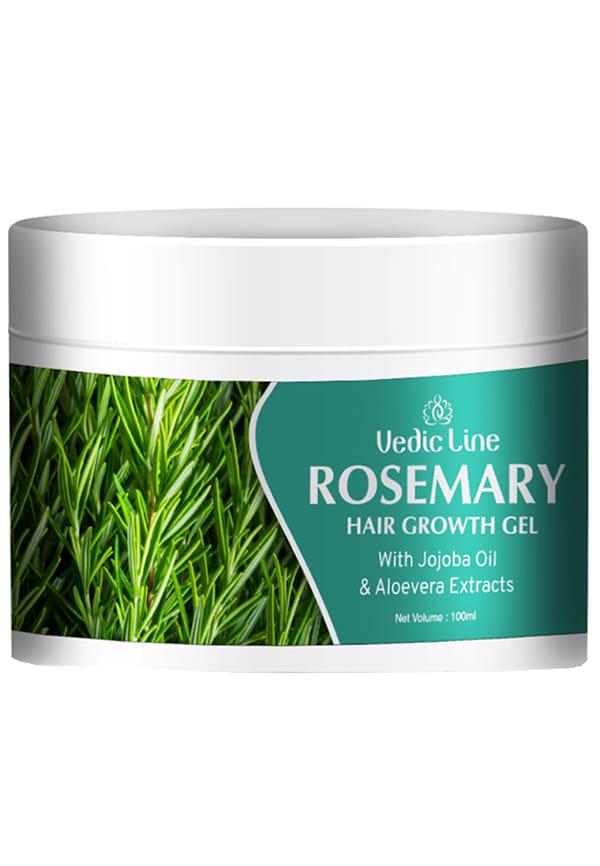
Rosemary Hair Growth Gel with Aloe Vera, Argan Oil & Jojoba Oil
The most effective approach combines regular deep conditioning treatments with daily moisture maintenance. Professional salon treatments like deep conditioning or bond-building treatments provide intensive repair, while consistent use of leave-in conditioners and hair oils maintains hydration between treatments. The key is consistency rather than relying on any single treatment.
For hair that's both dry and damaged, protein treatments combined with moisture treatments work best. Bond-building treatments like Olaplex repair structural damage, while deep conditioning masks restore moisture. Alternating between protein and moisture treatments weekly gives damaged hair the best chance to recover.
Start by reducing how often you wash your hair and switching to sulfate-free shampoos. Always use a conditioner, add a weekly deep conditioning treatment, and protect your hair from heat styling. Simple changes like using a silk pillowcase and applying leave-in conditioner can make a noticeable difference within a few weeks.
Yes, it's possible to over-condition hair, which can make it feel limp and greasy. This typically happens when you use too much product or use heavy treatments too frequently. If your hair feels weighed down, try using lighter products or reducing the frequency of deep conditioning treatments.
You might notice improvements in texture and manageability within 2-3 weeks of starting a proper moisture routine. However, significant restoration of severely dry or damaged hair typically takes 2-3 months of consistent treatment. Remember that hair grows slowly, so the healthiest hair will be the new growth coming from your scalp.
Dealing with dry hair doesn't have to be a constant battle. The best treatments for dry hair work by addressing both immediate moisture needs and long-term hair health. Whether you choose professional salon treatments, DIY masks, or a combination of both, consistency is what makes the difference.
Remember that finding the right routine might take some experimentation. What works brilliantly for your friend's hair might not be perfect for yours, and that's completely normal. Pay attention to how your hair responds to different treatments and adjust accordingly.
If you're looking to explore different haircare products without committing to full sizes, Smytten offers trial-size versions of many hydrating treatments from trusted brands. It's a smart way to test what works for your specific hair type before investing in full-size products—because when it comes to treating dry hair, finding your perfect match is worth the effort.
