9 Best Anti-Dandruff Products for Itchy Scalp Relief


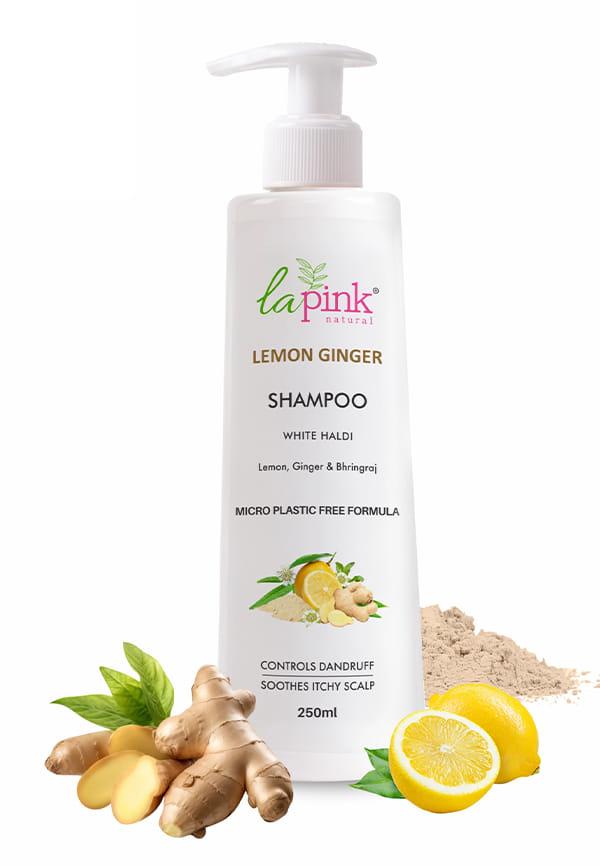
Lemon Ginger Shampoo with White Haldi to Control Dandruff & Soothe Itchy Scalp
You know that moment when you're scrolling through your phone and suddenly feel the urge to scratch your scalp? Then you look down and see those telltale white flakes on your black top. Real talk — dandruff is one of those things that can make even the most confident person feel a bit self-conscious. The good news? You're definitely not alone, and there are actually some brilliant products out there that can help you get back to feeling like yourself again. Let's dive into the best anti-dandruff products that actually work, because your scalp deserves some proper TLC.
Before we get into the good stuff, let's talk about what's actually happening up there. Dandruff isn't just about having a "dirty" scalp — it's way more complex than that. The main culprit is usually a fungus called Malassezia, which sounds scary but is actually present on everyone's scalp. The problem starts when this fungus decides to have a party and multiply rapidly, feeding on the natural oils your scalp produces.
This overgrowth can lead to seborrheic dermatitis treatment needs, which is basically a fancy way of saying your scalp gets inflamed and starts shedding skin cells faster than normal. These cells clump together with oil and create those flakes we all know and hate. Your regular shampoo, no matter how expensive or lovely-smelling, just isn't equipped to deal with this fungal situation.
That's where scalp care for dandruff becomes crucial. You need products with specific active ingredients that can actually tackle the root cause, not just wash away the visible flakes. Think of it like trying to fix a leaky tap by just mopping up the water — you're not solving the actual problem.
When you're shopping for a medicated dandruff shampoo, you'll come across some ingredients that might sound like they belong in a chemistry textbook. Here's the lowdown on what actually works: Ketoconazole is like the heavy-duty option — it's antifungal and really gets to work on that Malassezia. Zinc pyrithione is gentler but still effective, while salicylic acid helps exfoliate away buildup. Selenium sulfide is another powerhouse for stubborn cases.
Right, let's get to the main event. These are the products that have earned their stripes in the battle against flakes, each bringing something different to the table depending on what your scalp needs.
This one's the gold standard for a reason. With 1% ketoconazole, it's basically the best shampoo for severe dandruff that you can get without a prescription. It's not the gentlest thing you'll ever use, but when you're dealing with persistent flakes, sometimes you need to bring out the big guns. Use it twice a week max, and you should see results within a month.
If your scalp is on the sensitive side but you still need proper scalp care for dandruff, this German-made formula is worth considering. It's pH-balanced and uses piroctone olamine, which is effective but much gentler than ketoconazole. Perfect for those who need something they can use more frequently without irritation.
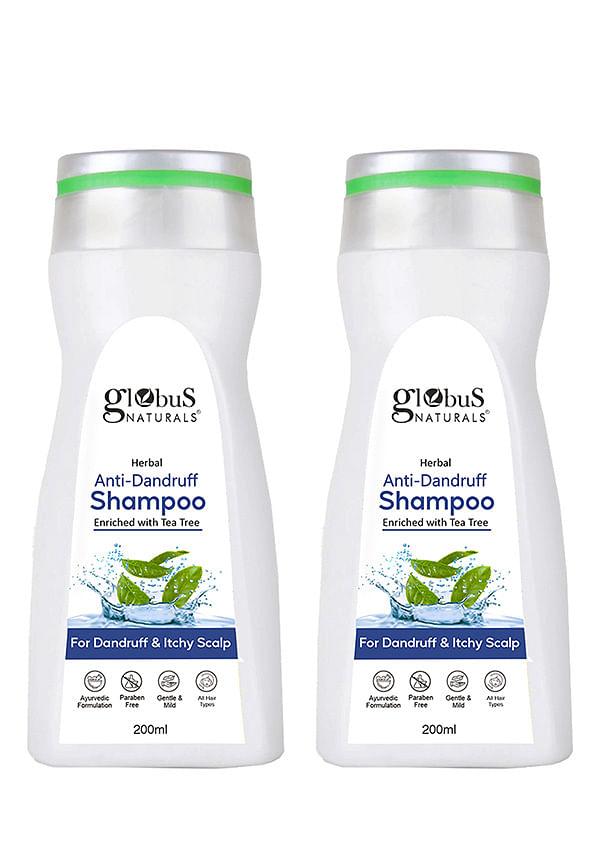
Anti Dandruff Shampoo, For Dandruff and Itchy Scalp
This one's clever because it combines salicylic acid for exfoliation with other active ingredients for comprehensive itchy scalp relief. The salicylic acid helps remove buildup and dead skin cells, while the other ingredients tackle the fungal aspect. It's like getting a mini scalp facial every time you wash your hair.
For those who prefer natural anti-dandruff remedies but still want something effective, this 90% natural formula hits the sweet spot. Ginger essential oil has antimicrobial properties, and it's particularly good for dry scalp solutions since it's less stripping than some medicated options.
Don't sleep on this one just because it's affordable. The selenium sulfide formula is genuinely effective, especially for dandruff control for oily hair. It's been around forever because it works, and sometimes the classics are classic for a reason.
Formulated specifically for men's scalp needs, this tends to be stronger and better suited for oilier scalps. The zinc pyrithione concentration is optimised for male hair and scalp characteristics, making it one of the better hair products for flaky scalp in men.
Pre-shampoo treatments can be game-changers. Tea tree oil is naturally antifungal and antimicrobial, making it perfect for natural anti-dandruff remedies. Mix a few drops with a carrier oil and massage into your scalp 30 minutes before shampooing.
This one's formulated to be gentler on colour-treated and chemically processed hair while still providing effective dandruff treatment. It's one of the better hair products for flaky scalp that won't compromise your hair colour or texture.
With 2% ketoconazole, this is what dermatologists often prescribe for stubborn cases. It's stronger than over-the-counter options and is particularly effective for seborrheic dermatitis treatment. You'll need to use it less frequently, but the results are usually impressive.
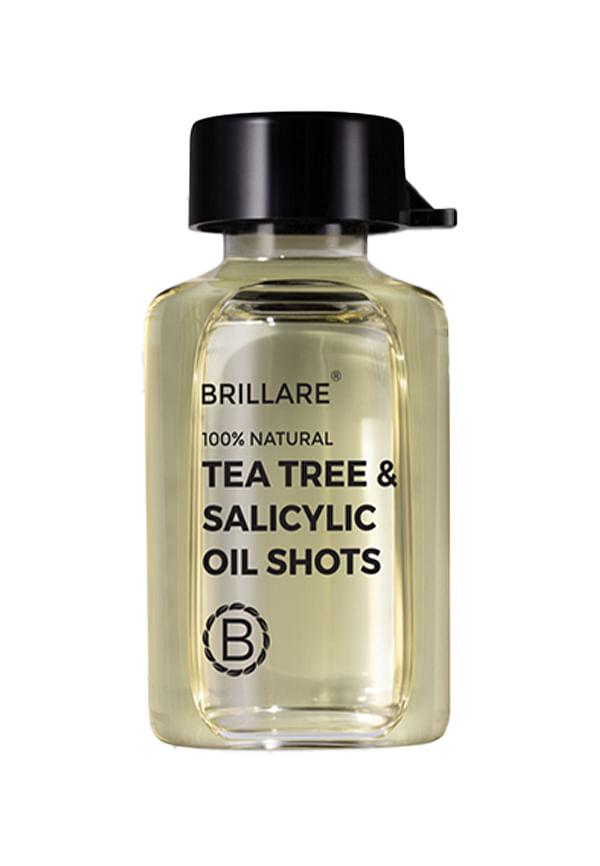
Tea Tree & Salicylic Oil Shots For Dry, Itchy Scalp to Fights Dandruff
Not all dandruff is created equal, and what works for your mate might not work for you. If you have an oily scalp, you'll want something with stronger cleansing properties and ingredients like selenium sulfide or zinc pyrithione. These help control oil production while tackling the fungal issue.
For dry or sensitive scalps, gentler options with piroctone olamine or natural ingredients are your best bet. You want scalp care for dandruff that won't strip away what little moisture you have. If you're dealing with severe, persistent flakes, you might need to start with a medicated dandruff shampoo and then switch to something gentler for maintenance.
The key is to assess your scalp honestly. Is it oily by lunchtime? You probably need something stronger. Does it feel tight after washing? Go gentler. And always, always patch test new products behind your ear first — trust me on this one.
Here's where most people go wrong: they treat anti-dandruff shampoo like regular shampoo. These products need time to work their magic. Apply the shampoo to wet hair, massage it into your scalp (not just your hair), and then leave it on for 3-5 minutes before rinsing. This contact time is crucial for the active ingredients to do their job.
For itchy scalp relief, use lukewarm water rather than hot — hot water can actually make irritation worse. And resist the urge to scratch, even when it feels amazing in the moment. Scratching can damage your scalp and make the problem worse.
Frequency matters too. Most medicated shampoos work best when used 2-3 times per week initially, then reduced to once or twice weekly for maintenance. Using them daily can actually irritate your scalp and make things worse.
If you're more of a natural remedies person, there are some options that have actual science behind them. Tea tree oil is probably the most effective — studies show it can be as effective as some medicated treatments when used correctly. The key is dilution: mix 5-10 drops with a tablespoon of carrier oil like coconut or jojoba.
Apple cider vinegar rinses can help restore your scalp's pH balance and have antimicrobial properties. Mix one part ACV with two parts water and use as a final rinse after shampooing. Aloe vera gel is brilliant for soothing irritated scalps and has some antifungal properties too.
These natural anti-dandruff remedies work best as part of a routine rather than standalone treatments. Think of them as your supporting cast rather than the main character in your dandruff-fighting story.
For severe cases, medicated shampoos with ketoconazole like Nizoral are most effective. For maintenance and milder cases, zinc pyrithione-based shampoos work well. The best choice depends on your scalp type and severity of the condition.
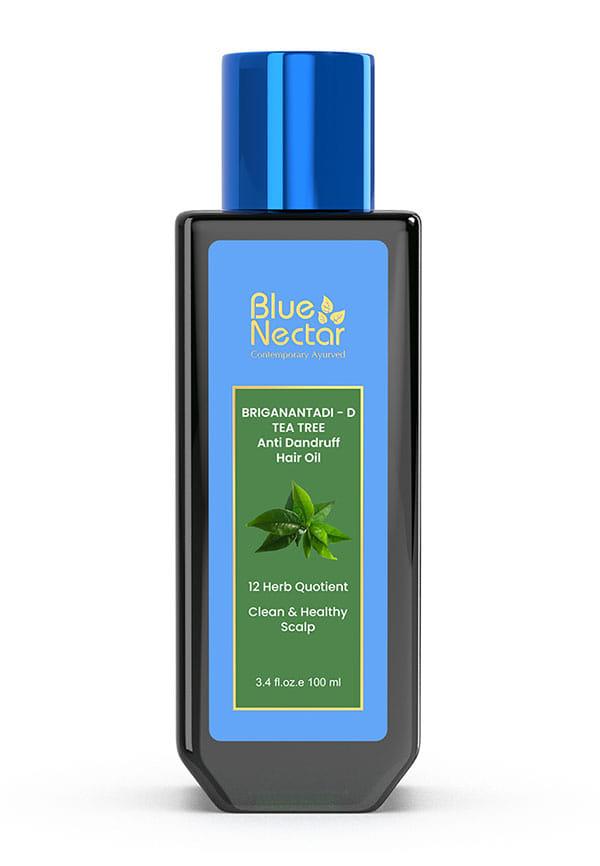
Tea Tree Anti Dandruff and Healthy Scalp Oil 12 Herbs
Ketoconazole 1% provides the fastest results, typically showing improvement within 2-4 weeks of regular use. However, "fast" is relative with dandruff — consistency is more important than speed for long-term results.
A combination approach works best: a medicated dandruff treatment shampoo used 2-3 times weekly, proper scalp care routine, and avoiding triggers like stress and certain hair products. One-size-fits-all doesn't apply here.
Most people see improvement within 2-4 weeks of consistent use. If you don't see any change after 6-8 weeks, it might be time to try a different active ingredient or consult a dermatologist.
Most medicated formulas are designed for 2-3 times weekly use. Daily use can actually irritate your scalp and strip natural oils. Gentler formulas like Sebamed can be used more frequently if needed.
Not necessarily. Some budget options like Head & Shoulders Clinical Strength are genuinely effective. What matters more is finding the right active ingredient for your specific type of dandruff rather than the price tag.
Dealing with dandruff can feel frustrating, but the right product really can make all the difference. For oily scalps, start with something like Head & Shoulders Clinical Strength or Nizoral. If you have a sensitive scalp, Sebamed or The Body Shop's ginger formula might be your best bet. And for severe, persistent cases, don't hesitate to go for the stronger ketoconazole options.
Remember, consistency is absolutely key here — these products need time to work, and stopping too early often means the flakes come back with a vengeance. If you're still struggling after trying different products for a few months, it's worth chatting to a dermatologist who can rule out other scalp conditions.
The beauty of shopping for these products today is that you don't have to commit to full-size bottles right away. Smytten offers trial-size versions of many anti-dandruff products from trusted brands — a smart way to test what works for your scalp before investing in the full-size version. After all, finding your perfect dandruff-fighting match shouldn't involve guesswork or buyer's remorse.
