9 Anti-Dandruff Solutions: Compare Effectiveness for Flaky Scalp
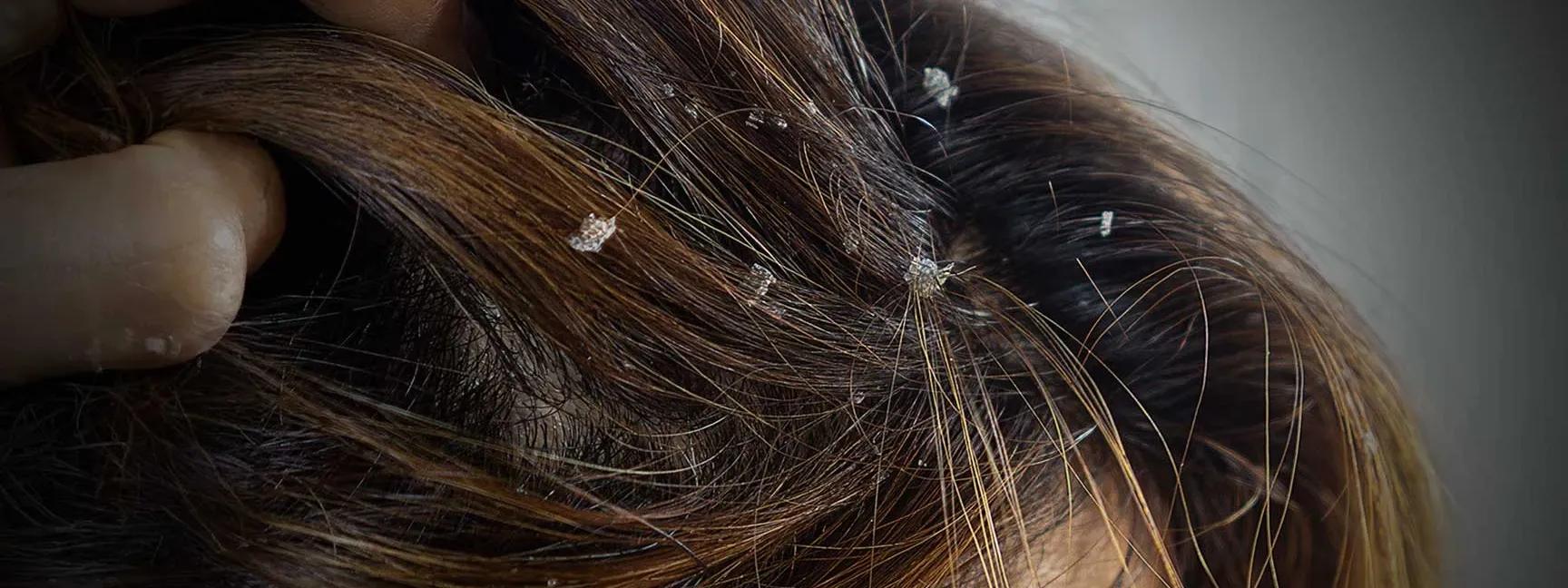

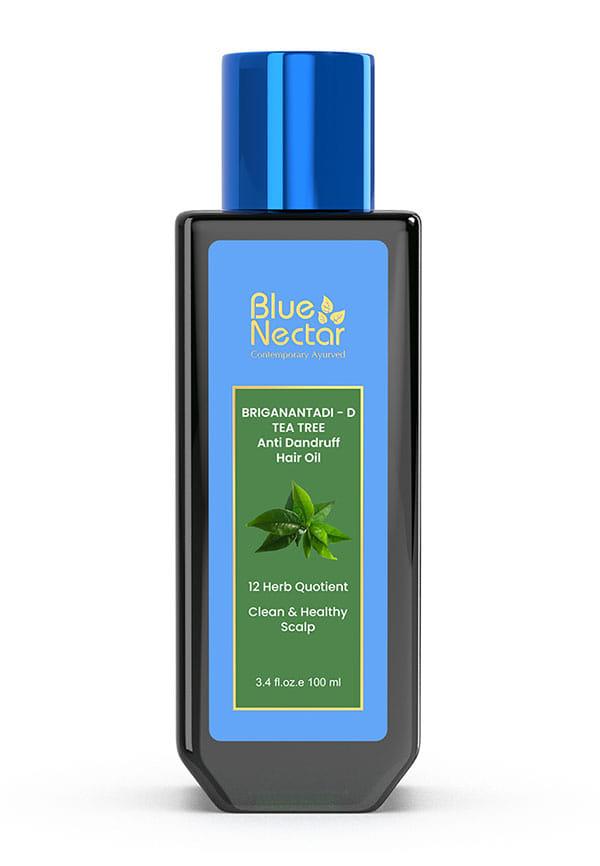
Tea Tree Anti Dandruff and Healthy Scalp Oil 12 Herbs
You know that moment when you're getting ready for something important and suddenly notice those telltale white flakes on your shoulders? Real talk—dandruff affects about half of all adults, yet finding the right solution feels like navigating a maze of conflicting advice and endless product options. Whether you're dealing with stubborn flakes that won't budge or just starting to notice some scalp irritation, choosing the most effective treatment can feel overwhelming. Let's break down nine proven anti-dandruff solutions and compare their effectiveness, so you can finally find what works for your specific scalp situation.
Before diving into solutions, let's get clear on what we're actually dealing with. Not all dandruff is created equal, and understanding your specific type makes all the difference when choosing treatments. The most common culprit is seborrheic dermatitis—basically, your scalp's oil production goes into overdrive, creating the perfect environment for a fungus called Malassezia to thrive. This little troublemaker feeds on those excess oils and causes inflammation, leading to those flaky, sometimes itchy patches we all dread.
Then there's dry scalp dandruff, which is quite different. This happens when your scalp lacks moisture, causing skin cells to flake off. It's often triggered by cold weather, over-washing, or using harsh products that strip your scalp's natural oils. Hormonal changes, stress, and even certain medical conditions can also play a role in dandruff development.
Most effective dandruff treatments target the root causes rather than just masking symptoms. Antifungal ingredients tackle Malassezia overgrowth, whilst exfoliating agents help remove built-up flakes and dead skin cells. Anti-inflammatory components soothe irritation and reduce redness. The key is finding the right combination for your scalp's specific needs and giving treatments enough time to work—most require 2-4 weeks of consistent use to show real results.
Let's dive into the nitty-gritty of what actually works. We've ranked these solutions based on scientific evidence, user feedback, and dermatologist recommendations. Keep in mind that effectiveness can vary depending on your dandruff type and severity.
Ketoconazole-Based Treatments top our list for good reason. This antifungal powerhouse directly targets Malassezia, the fungus responsible for most dandruff cases. You'll typically see improvement within 2-4 weeks of regular use. It's particularly effective for severe, persistent dandruff that hasn't responded to gentler treatments. Use it 2-3 times per week initially, then scale back to once weekly for maintenance.
Selenium Sulfide Formulations work by slowing down skin cell turnover and reducing fungal growth. They're especially effective for stubborn dandruff cases. However, they can be quite drying and may cause colour changes in chemically treated hair, so proceed with caution if you've got highlights or colour.
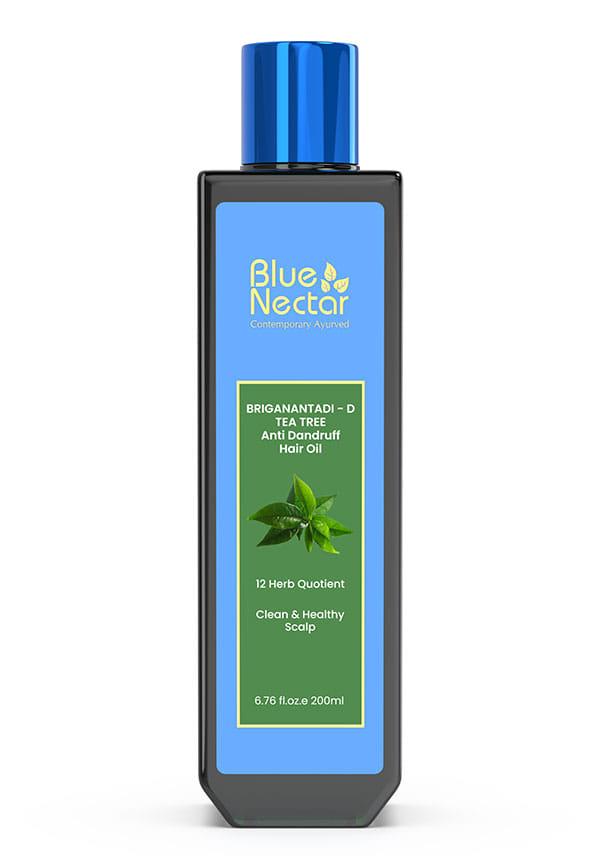
Tea Tree Anti Dandruff and Healthy Scalp Oil 12 Herbs
Pyrithione Zinc Products offer a gentler approach whilst still packing a punch. They provide antimicrobial and anti-inflammatory benefits, making them suitable for daily use. This ingredient is particularly good for maintenance once you've got your dandruff under control, and it's generally well-tolerated by most scalp types.
Salicylic acid works as a chemical exfoliant, helping to remove built-up flakes and dead skin cells from your scalp. It's particularly effective for those thick, stubborn flakes that seem impossible to shift. However, it can be quite drying, so if you've got a sensitive scalp, start with lower concentrations and use a good conditioner. Many effective formulations combine salicylic acid with other active ingredients for enhanced results.
Coal tar might sound intimidating, but it's actually been used for decades to treat scalp conditions. It works by slowing down the rapid production of skin cells that contributes to flaking. Whilst effective for severe cases, coal tar shampoos can have a strong smell and may cause photosensitivity, so you'll need to be extra careful about sun exposure after use.
Tea Tree Oil Treatments have gained popularity for their antifungal and anti-inflammatory properties. Research shows that 5% tea tree oil can be as effective as some medicated treatments, but it must be properly diluted to avoid scalp irritation. Look for products that already contain the right concentration, or dilute pure tea tree oil with a carrier oil before application.
Apple Cider Vinegar Solutions work by balancing your scalp's pH levels, creating an environment that's less hospitable to fungal growth. Mix one part apple cider vinegar with two parts water, apply to damp hair, leave for 5-10 minutes, then rinse thoroughly. Whilst some people swear by this method, scientific evidence is limited compared to medicated options.
Aloe Vera and Neem-Based Products offer soothing, antimicrobial benefits that can help with mild dandruff cases. They're particularly good for sensitive scalps that can't tolerate stronger treatments. However, they're generally less effective for severe or persistent dandruff compared to medicated alternatives.
When over-the-counter options aren't cutting it, prescription treatments like ciclopirox or higher-concentration ketoconazole might be necessary. These are typically reserved for severe cases or when other treatments have failed. A dermatologist can assess whether you need prescription-strength solutions and monitor for any side effects.
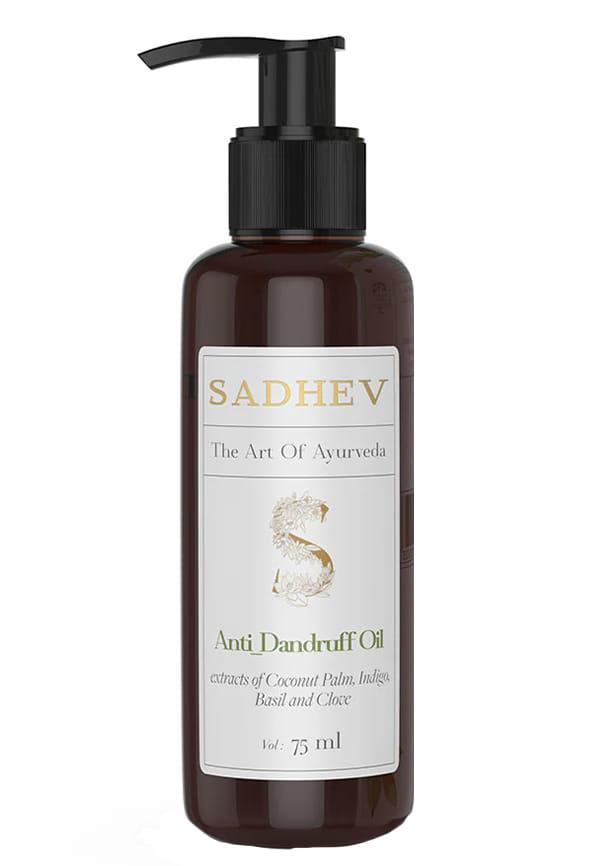
Ayurvedic Anti - Dandruff Oil - Coconut, Holy Basil & Clove 75 ml
With so many options available, selecting the right product can feel overwhelming. Start by identifying your dandruff type and severity. For mild, occasional flakes, a gentle pyrithione zinc shampoo might suffice. For persistent, severe dandruff, you'll likely need ketoconazole or selenium sulfide formulations.
Consider your hair type as well. If you've got colour-treated hair, avoid selenium sulfide and be cautious with coal tar products. Those with dry hair should look for formulations that include moisturising ingredients alongside active anti-dandruff components. Oily hair types can typically handle stronger formulations without additional dryness concerns.
Pay attention to active ingredient concentrations—higher isn't always better, especially if you're dealing with scalp sensitivity. Many effective products combine multiple active ingredients for enhanced results. For example, you might find shampoos that pair pyrithione zinc with salicylic acid for both antifungal and exfoliating benefits.
Dermatologists often recommend a stepped approach to dandruff treatment. Start with a gentle medicated shampoo and gradually increase strength if needed. For severe cases, they might suggest using a stronger treatment 2-3 times per week alongside a gentle daily shampoo. Consistency is crucial—sporadic use won't give you the results you're after.
Proper application technique matters too. Let medicated shampoos sit on your scalp for 3-5 minutes before rinsing to allow active ingredients time to work. Don't scrub aggressively, as this can irritate your scalp and worsen inflammation. Instead, massage gently with your fingertips.
If you've tried multiple over-the-counter treatments for 6-8 weeks without improvement, it's time to see a dermatologist. Also seek professional help if you experience severe itching, redness, or if the flaking spreads beyond your scalp. Sometimes what looks like dandruff might actually be psoriasis, eczema, or another scalp condition requiring different treatment approaches.
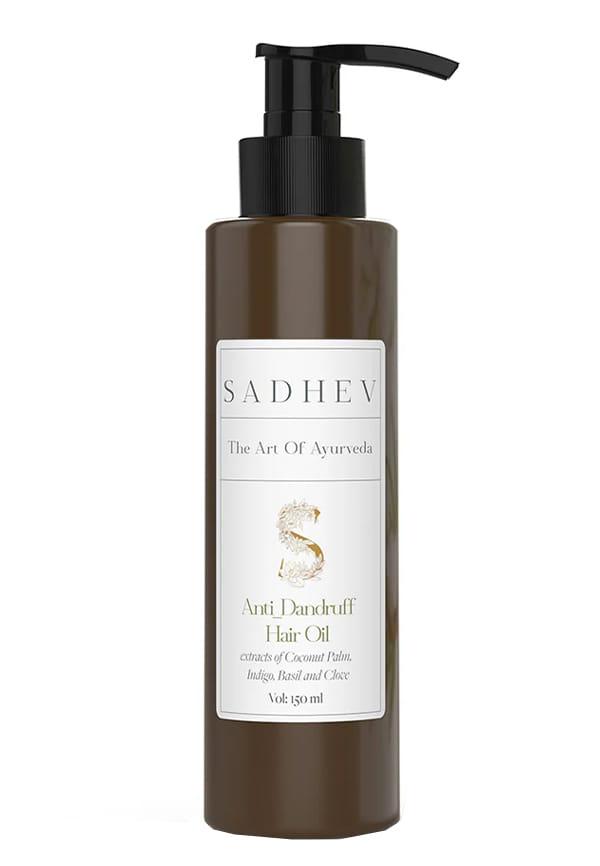
Ayurvedic Anti - Dandruff Oil - Coconut, Holy Basil & Clove 150ml
Managing expectations is crucial for dandruff treatment success. Most people start seeing improvement within 2-4 weeks of consistent use, but complete control might take 6-8 weeks. During the first week, you might notice reduced itching and inflammation. By week 2-3, flaking should start to decrease noticeably. Full results typically appear by week 4-6.
Remember that dandruff management is often ongoing rather than a one-time cure. Many people find they need to continue using medicated shampoos 1-2 times per week for maintenance, even after their symptoms are under control. Factors like stress, hormonal changes, and weather can trigger flare-ups, so having an effective treatment routine ready is important.
For severe dandruff, ketoconazole-based treatments are typically most effective due to their strong antifungal properties. For maintenance and mild cases, pyrithione zinc offers excellent results with gentler daily use. The most effective treatment depends on your specific dandruff type and severity.
Most people notice initial improvement within 1-2 weeks, with significant results appearing by 4-6 weeks of consistent use. Severe cases might take up to 8 weeks to see full results. Consistency is key—sporadic use won't give you the control you're looking for.
It's generally safe to alternate between different medicated shampoos, but avoid using multiple strong treatments simultaneously as this can cause scalp irritation. Many people successfully rotate between a stronger treatment (like ketoconazole) 2-3 times per week and a gentler option (like pyrithione zinc) on other days.
Natural options like tea tree oil can be effective for mild dandruff, but medicated shampoos typically provide faster, more reliable results for moderate to severe cases. Natural remedies work best as complementary treatments or for maintenance once you've achieved control with medicated options.
Finding the right anti-dandruff solution often requires some trial and error, but understanding the different options and their effectiveness can help you make smarter choices. Start with the appropriate strength for your dandruff severity—medicated shampoos with ketoconazole or pyrithione zinc for persistent cases, or gentler natural options for mild flaking. Remember that consistency beats intensity, and most treatments need 4-6 weeks to show full results.
The key is matching the treatment to your specific scalp needs and hair type, then sticking with it long enough to see results. If you're unsure which approach might work best for your situation, Smytten offers trial-size versions of many anti-dandruff products—a practical way to test different formulations before committing to full-size bottles.
