7 Winter Solutions for Dry Scalp Relief Now

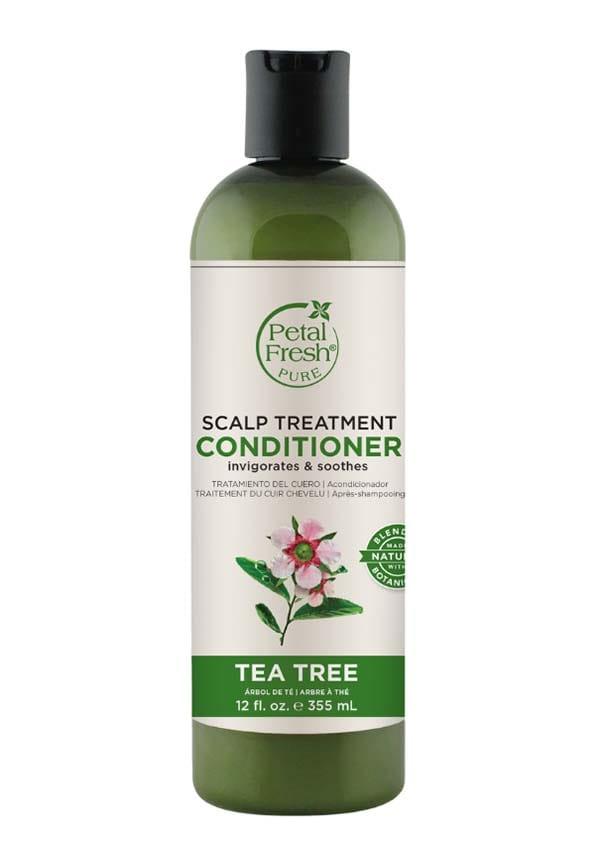
Scalp Treatment Teatree Conditioner
Winter's here, and if your scalp feels like it's staging a protest with all that itching and flaking, you're not alone. The cold months can turn even the healthiest scalp into a dry, uncomfortable mess. Between the harsh outdoor air and cranked-up indoor heating, your scalp's moisture barrier takes a proper beating. But here's the thing—you don't have to suffer through another winter of constant scratching and embarrassing flakes on your shoulders. These seven tried-and-tested dry scalp winter solutions will help you reclaim your comfort and confidence, no matter how brutal the weather gets outside.
Let's be real—winter is basically your scalp's worst enemy. The combination of cold outdoor air and dry indoor heating creates the perfect storm for scalp issues. When humidity levels drop, your scalp loses moisture faster than you can say "itchy head," and that's when the real drama begins.
Your scalp has a natural moisture barrier that keeps things balanced and happy. But winter weather strips away this protection like nobody's business. Low humidity levels mean there's less moisture in the air for your skin to absorb, whilst indoor heating systems work overtime to dry out whatever moisture is left. Your sebaceous glands, which normally produce oils to keep your scalp hydrated, can't keep up with the demand. The result? A tight, itchy scalp that feels like it's crying out for relief.
Spotting the signs early can save you weeks of discomfort. Look out for persistent itching that gets worse throughout the day, white or greyish flakes that seem to multiply no matter how much you wash your hair, and that uncomfortable tight sensation across your scalp. You might also notice increased hair breakage near the roots, where your strands are most vulnerable to the dry conditions.
Your summer haircare routine won't cut it when the temperature drops. Winter calls for a complete strategy overhaul, and it starts with rethinking how often and how you wash your hair. The goal is to maintain cleanliness without stripping away the precious oils your scalp desperately needs during these harsh months.
Here's where most people get it wrong—they think washing more will solve the flaking problem. Actually, overwashing in winter can make dry scalp worse by removing natural oils faster than your scalp can replace them. Try washing every other day instead of daily, and on non-wash days, consider co-washing with a gentle conditioner to refresh your hair without the harsh cleansing action.
That steaming hot shower might feel amazing on a freezing morning, but it's doing your scalp no favours. Hot water strips away natural oils and can actually worsen itching and dryness. Stick to lukewarm water for washing, and finish with a cool rinse to seal the hair cuticles and lock in moisture. Your scalp will thank you for the gentler approach.
Not all haircare products are created equal, especially when you're dealing with winter scalp woes. The key is finding formulations that add moisture back whilst gently cleansing away buildup. This is where ingredient knowledge becomes your superpower in the battle against dry scalp.
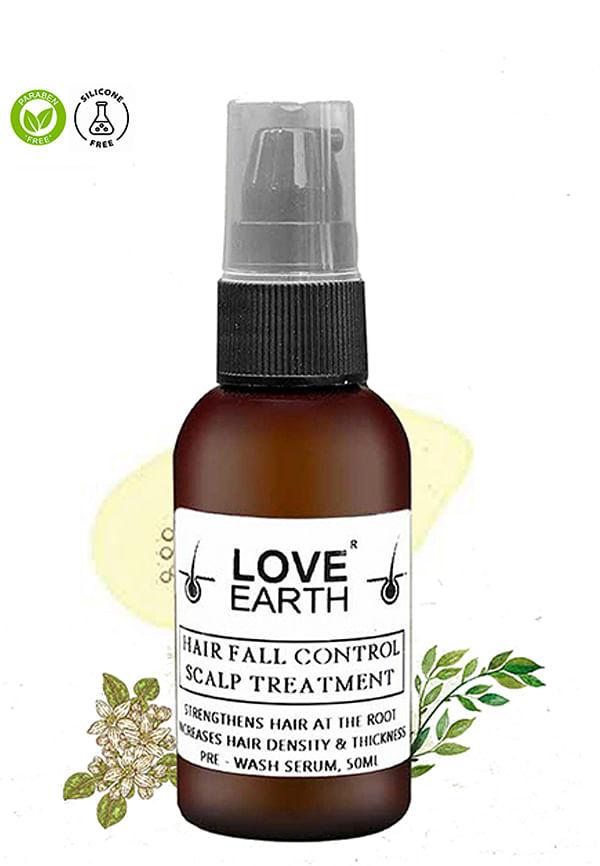
Hair Fall Control Scalp Treatment
Look for products containing hyaluronic acid, which can hold up to 1,000 times its weight in water—perfect for scalp hydration. Ceramides help rebuild your scalp's protective barrier, whilst tea tree oil provides gentle antimicrobial benefits without being too harsh. Salicylic acid can help with flake removal, but use it sparingly during winter months. Niacinamide is another winner for reducing inflammation and supporting overall scalp health.
Steer clear of shampoos loaded with sulfates like sodium lauryl sulfate, which can be too stripping for already-dry winter scalps. Alcohol-based styling products are also a no-go, as they'll only add to the dryness problem. Skip clarifying shampoos unless absolutely necessary, and avoid anything with strong fragrances that might irritate sensitive winter skin.
Sometimes the best soothing scalp solutions are hiding right in your kitchen cupboard. These dry scalp home remedies have been passed down through generations for good reason—they work, they're gentle, and they won't break the bank.
Coconut oil makes an excellent pre-shampoo treatment. Warm a tablespoon between your palms and massage it into your scalp 30 minutes before washing. The fatty acids penetrate deeply to provide lasting moisture. For a gentle exfoliating treatment, mix ground oatmeal with a bit of honey and water to create a paste. This removes dead skin cells whilst soothing irritation. Apple cider vinegar diluted with equal parts water can help restore your scalp's natural pH balance—just don't use it more than once a week.
The secret to effective home treatments lies in proper application. Use your fingertips, not your nails, to massage treatments into your scalp using gentle circular motions. This improves circulation and helps ingredients penetrate better. Leave oil treatments on for at least 20 minutes, but overnight treatments can be even more effective if you don't mind sleeping with a shower cap on.
Sometimes the solution to itchy scalp relief isn't just about what you put on your head—it's about creating an environment that supports scalp health from the inside out. Small lifestyle tweaks can make a massive difference in how your scalp feels during winter.
Indoor heating systems can drop humidity levels to desert-like conditions. Aim for 40-60% humidity in your home using a humidifier, especially in your bedroom where you spend 6-8 hours each night. If you don't have a humidifier, try placing bowls of water near radiators or hanging damp towels in your room. Even houseplants can help boost humidity levels naturally.
What you eat affects your skin, including your scalp. Load up on omega-3 rich foods like salmon, walnuts, and flaxseeds to support your skin's natural barrier function. Don't forget to drink plenty of water—dehydration shows up on your scalp just as much as anywhere else. Aim for at least 8 glasses daily, and consider adding a humidifier to your workspace if you spend long hours in heated offices.
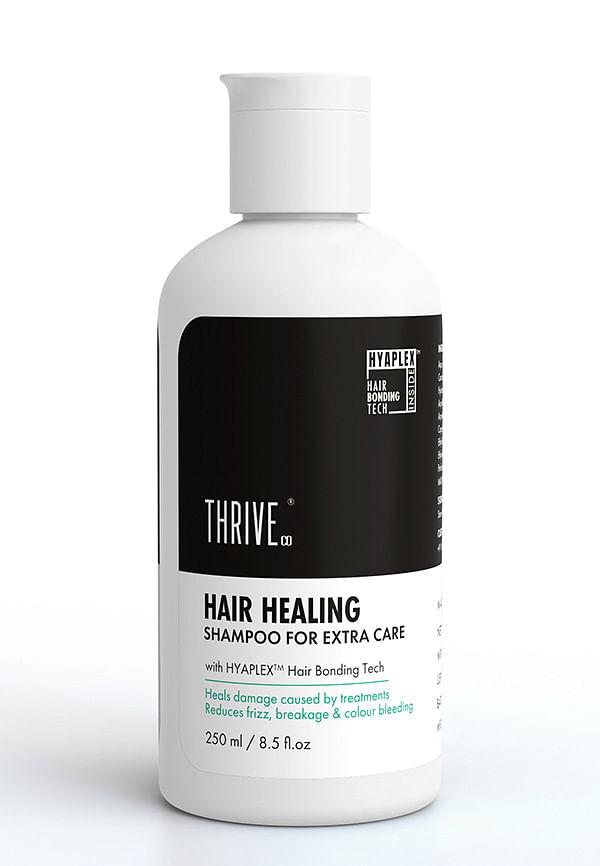
Healing Hair Shampoo
Great for Frizzy Hair
 5
5“Excellent product for frizzy and dull hair”
Superb Quality, Great Effect & Texture
4“Superb quality and like the effect and texture of it”
There's an art to proper scalp moisturising tips, and getting the technique right can mean the difference between temporary relief and long-lasting comfort. Professional-level application methods can help you get the most out of whatever products you're using.
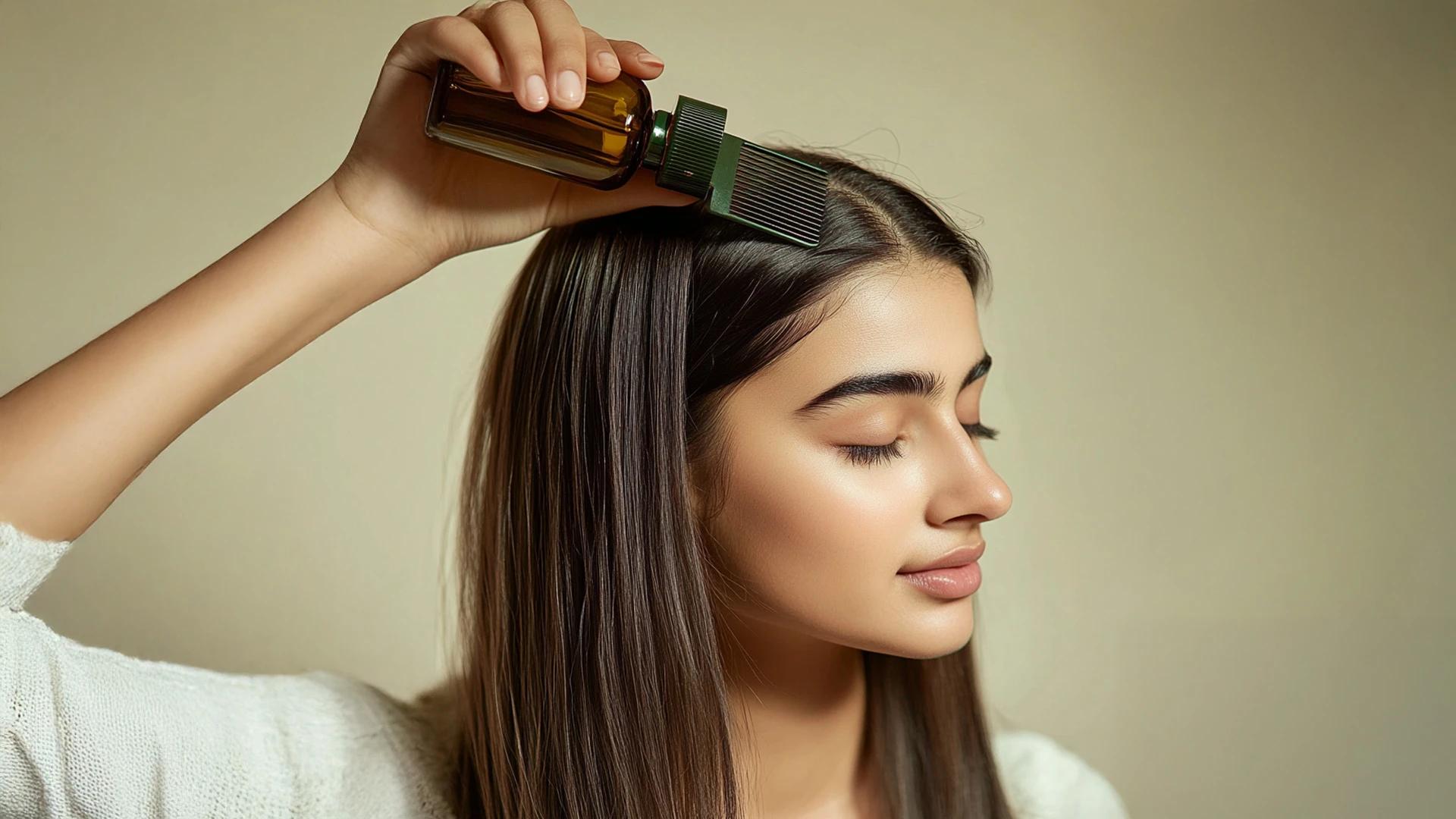
Divide your hair into sections using clips or hair ties, then apply treatments directly to your scalp rather than just your hair lengths. Use a dropper bottle or applicator tip for precise placement. Work in small sections, ensuring every bit of your scalp gets attention. For overnight treatments, focus on the areas that feel tightest or most uncomfortable.
Start with a lightweight serum or treatment, let it absorb for a few minutes, then follow with a slightly heavier oil if needed. This layering technique helps lock in moisture without weighing down your hair. Apply treatments to slightly damp hair for better penetration, and always work from scalp to ends rather than the other way around.
Here's where things get tricky—dry scalp and dandruff look similar but need different approaches. Getting this wrong means you could be treating the symptoms whilst missing the actual problem. Understanding the difference is crucial for choosing the right dry scalp treatment.
Dry scalp flakes are typically smaller, whiter, and feel dry to the touch. They're caused by lack of moisture and often come with tightness and irritation. Dandruff flakes are usually larger, more yellowish, and can feel oily. Dandruff is often caused by an overgrowth of yeast on the scalp and might require antifungal treatments rather than just moisturising.
For true dry scalp, focus on gentle, moisturising treatments and avoid harsh ingredients. If you suspect dandruff, look for products containing zinc pyrithione, ketoconazole, or selenium sulfide. When in doubt, consult a dermatologist—especially if symptoms persist despite consistent treatment or if you notice unusual redness, swelling, or hair loss.
The most effective winter haircare routine is one that's tailored to your specific needs and lifestyle. What works for your mate might not work for you, and that's perfectly normal. Building a sustainable system means finding the right balance of products, timing, and techniques that fit into your daily life.
Start with a basic routine: gentle cleansing every other day, a weekly deep conditioning treatment, and daily scalp massage with a lightweight oil or serum. Schedule intensive treatments for weekends when you have more time. Keep a simple scalp care diary to track what works and what doesn't—this helps you fine-tune your approach over time.
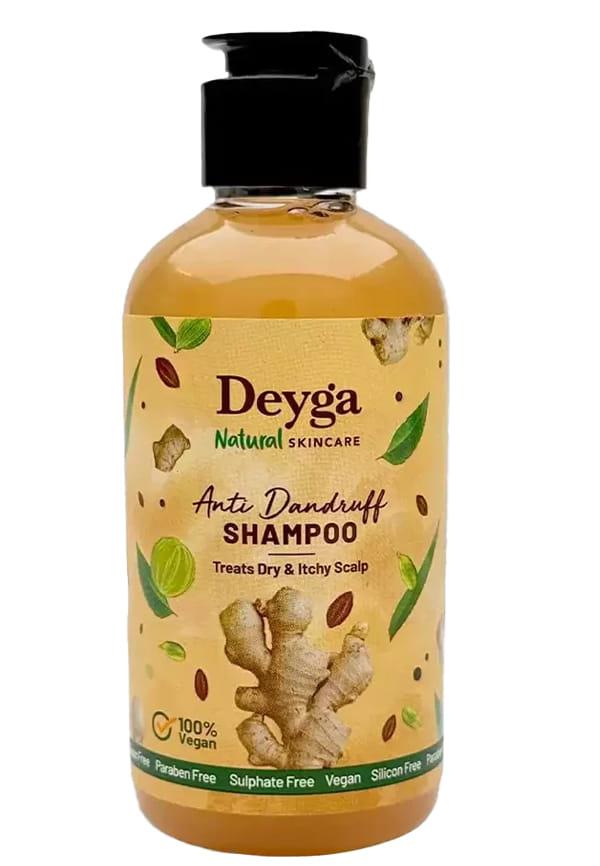
Intensive Scalp Repair Anti Dandruff Shampoo
Fine hair needs lighter formulations that won't weigh down your strands, whilst thick or coarse hair can handle richer treatments. If you have a sensitive scalp, introduce new products one at a time and patch test everything first. Those with oily roots but dry ends might need a targeted approach—treating the scalp with lightweight moisturisers whilst using richer products on the hair lengths. Smytten's curated trial packs make it easier than ever to find your perfect winter scalp care routine. With mini-sized products from trusted haircare brands, you can test different formulations without committing to full-size purchases. This trial-first approach is especially valuable when dealing with scalp issues, as what works varies so much from person to person.
Every other day is usually ideal for most people with dry scalp during winter. Daily washing can strip away natural oils, whilst going too long between washes can lead to buildup that worsens itching.
A cool compress or aloe vera gel applied directly to the scalp can provide immediate relief. For longer-term comfort, try a gentle scalp massage with a few drops of tea tree oil mixed with a carrier oil.
Whilst dry scalp itself doesn't directly cause hair loss, excessive scratching can damage hair follicles and lead to breakage. Chronic inflammation from untreated scalp issues might also affect hair growth over time.
Most people notice some relief within a week of starting a proper routine, but significant improvement typically takes 2-4 weeks of consistent care. Severe cases might need longer.
Not necessarily. Many effective ingredients are available in budget-friendly products. Focus on finding the right formulation for your needs rather than the highest price tag.
Dry scalp produces small, white, dry flakes and feels tight, whilst dandruff creates larger, yellowish, oily flakes. They require different treatment approaches, so proper identification is important.
Winter doesn't have to mean months of scalp misery. With these seven solutions in your toolkit, you're well-equipped to tackle even the driest, most irritated scalp conditions. Remember, consistency is key—stick with your chosen routine for at least a few weeks before deciding if it's working for you. The beauty of modern haircare is that you don't have to guess what might work for your unique scalp needs. Platforms like Smytten let you try products from over 1,500 trusted brands through affordable trial packs, making it easier to discover your perfect winter scalp care routine without the financial risk of full-size purchases. With 100% cashback on trial minis and the ability to buy full sizes of products you love, finding effective dry scalp solutions has never been more accessible or budget-friendly.
