7 Top Scalp Treatments: Pros and Cons Revealed
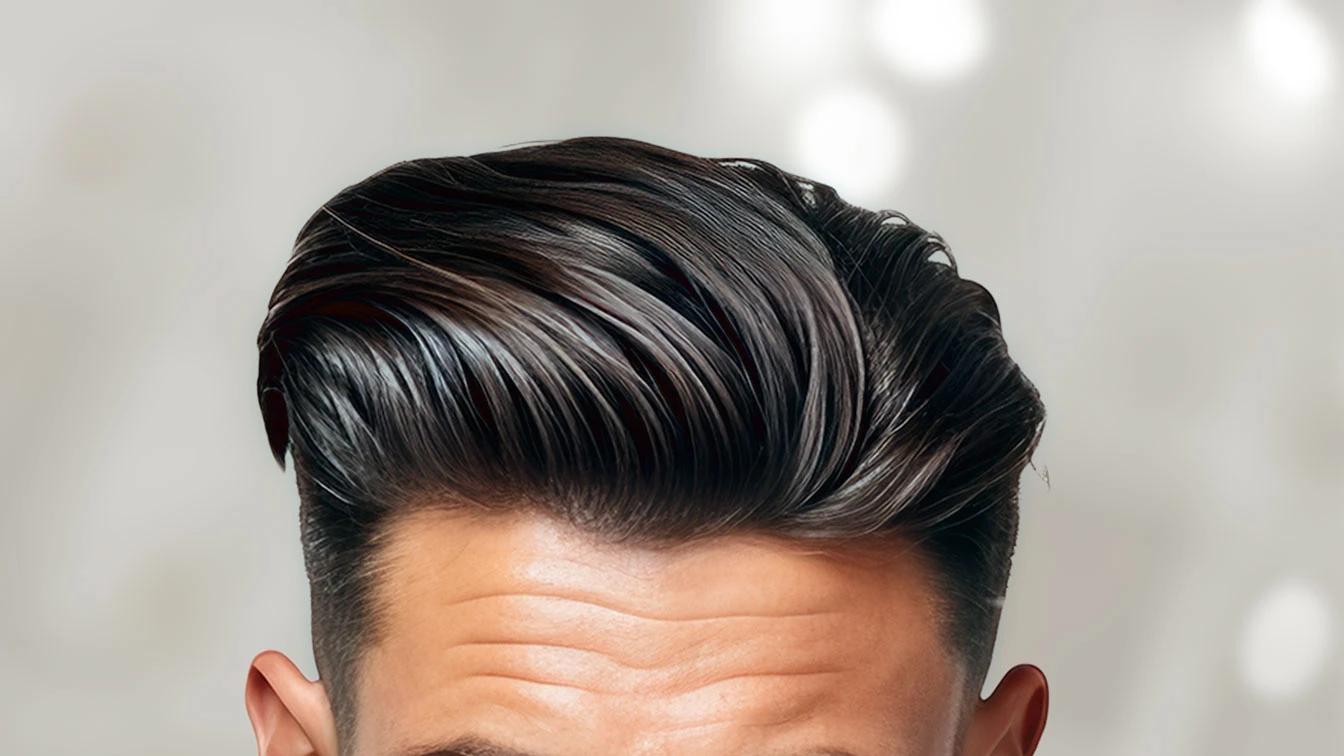

Let's be real—your scalp deserves way more attention than it gets. While we're busy obsessing over the perfect hair mask or that trending serum, our scalp is quietly dealing with everything from dryness to dandruff to that annoying itch that just won't quit. The truth is, scalp health is the foundation of gorgeous hair, and finding the right scalp treatment can be a total game-changer. But with so many options out there, how do you know which one's worth your time and money? We've done the heavy lifting and broken down seven top scalp treatments with their honest pros and cons, so you can make the smartest choice for your specific needs.
Your scalp is basically the soil where your hair grows, and just like plants need healthy soil to thrive, your hair needs a balanced, well-cared-for scalp. When your scalp is out of whack, it shows up in ways that are hard to ignore—persistent itchiness, flaky patches, excessive oiliness, or that tight, uncomfortable feeling that makes you want to scratch constantly.
Here's what's really happening: your hair follicles are working overtime to produce healthy strands, but when your scalp environment is compromised, it affects everything from hair growth to texture. Common scalp conditions like seborrheic dermatitis, folliculitis, or simple product buildup can create inflammation that disrupts the natural hair growth cycle.
The connection between scalp care and overall hair wellness is stronger than most people realise. A healthy scalp maintains proper pH balance, adequate moisture levels, and good circulation—all crucial factors for strong, vibrant hair. When you invest in proper scalp treatment, you're not just addressing immediate concerns; you're setting the stage for better hair days ahead.
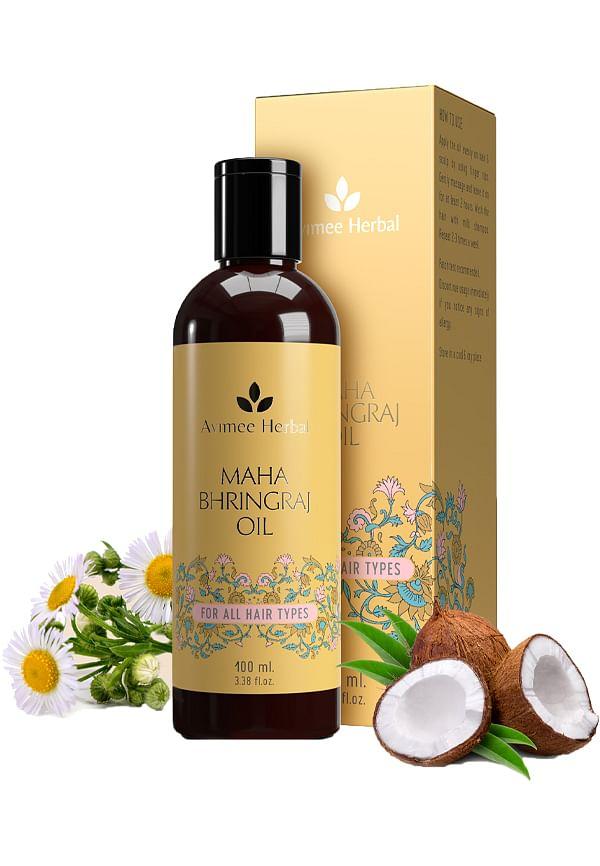
Mahabhringraj Hair Oil
Excellent Fragrance
 5
5“this product is very good product and has good fragrance”
Excellent Value
5“Great product and Value for money”
Amazing Oil
5“it's too good amazing oil I love it”
Ready to dive into the nitty-gritty? We're breaking down the most popular scalp treatment categories so you can see exactly what each brings to the table. This scalp treatment product comparison covers everything from budget-friendly options to premium formulas.
Pros: These are your heavy-duty problem solvers. Medicated shampoos pack clinical-strength ingredients that target specific scalp issues with serious efficiency. They're often dermatologist-recommended and can provide relief for stubborn conditions that regular shampoos just can't handle. Think of them as the prescription glasses of the haircare world—they get straight to the point.
Cons: The downside? They can be quite harsh on your scalp and hair, potentially causing dryness or irritation, especially with frequent use. Some people experience side effects like increased sensitivity or even temporary hair texture changes. Plus, they're not exactly the most pleasant to use—many have medicinal scents that aren't particularly luxurious.
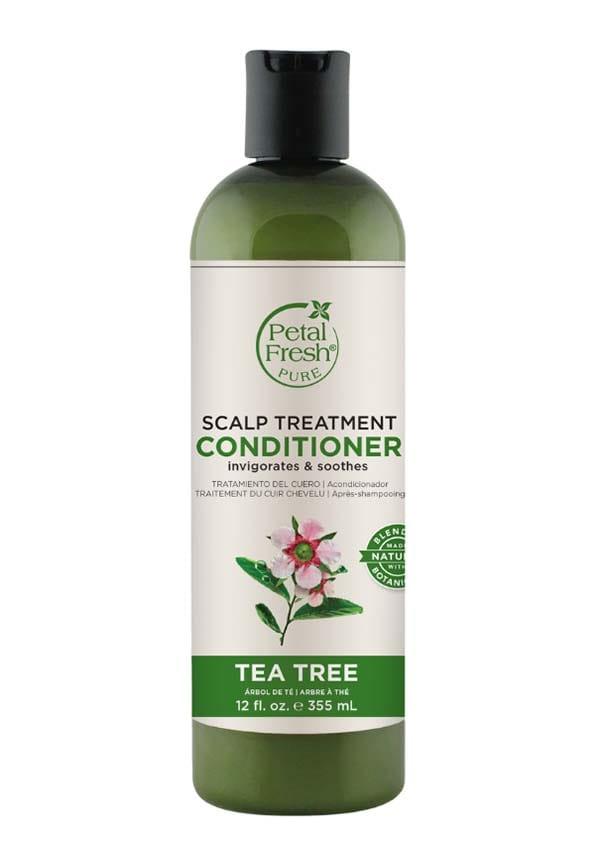
Scalp Treatment Teatree Conditioner
These work best for persistent dandruff treatment, seborrheic dermatitis, or fungal infections. Key ingredients to look for include zinc pyrithione, ketoconazole, and selenium sulfide.
Pros: Scalp serums are like the targeted skincare of the haircare world. They deliver concentrated active ingredients directly where you need them most, and since they're leave-in treatments, they work continuously. Many are formulated specifically for scalp treatment for hair growth, containing peptides, vitamins, and botanical extracts that nourish hair follicles.
Cons: The price point can be steep, and some formulas can cause product buildup if you're not careful about application. They also require consistent, long-term use to see real results, which means you need to be committed to the routine. Some people find them too heavy or notice their hair gets greasy faster.
Perfect for addressing dry scalp treatment needs and stimulating hair growth. Application technique matters—focus on the scalp, not the hair lengths, and use clean fingertips to massage gently.
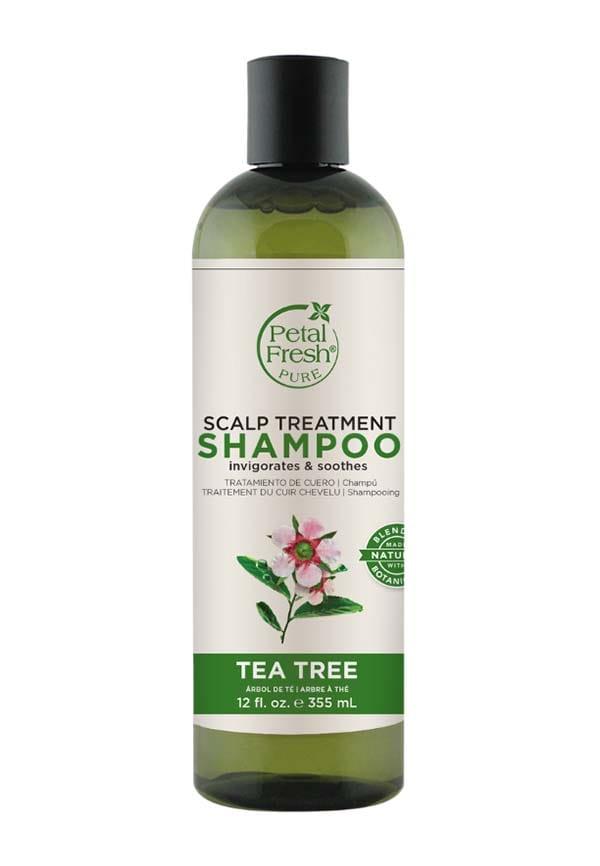
Scalp Treatment Teatree Shampoo
Pros: Oil treatments are gentle, deeply moisturising, and usually budget-friendly. They're brilliant for maintaining general scalp health and can be incredibly soothing for irritated or dry scalps. Most have minimal side effects, and you can often find them in your kitchen cupboard—coconut oil, anyone?
Cons: They can leave your hair feeling greasy and heavy, especially if you have fine hair or an already oily scalp. Results tend to be slower and more subtle compared to active treatments. Some oils can actually clog pores if used too frequently or in excessive amounts.
Ideal for dry scalp treatment and general maintenance. The most effective oils include jojoba (which technically isn't an oil but mimics your scalp's natural sebum), tea tree for its antimicrobial properties, and rosemary for circulation.
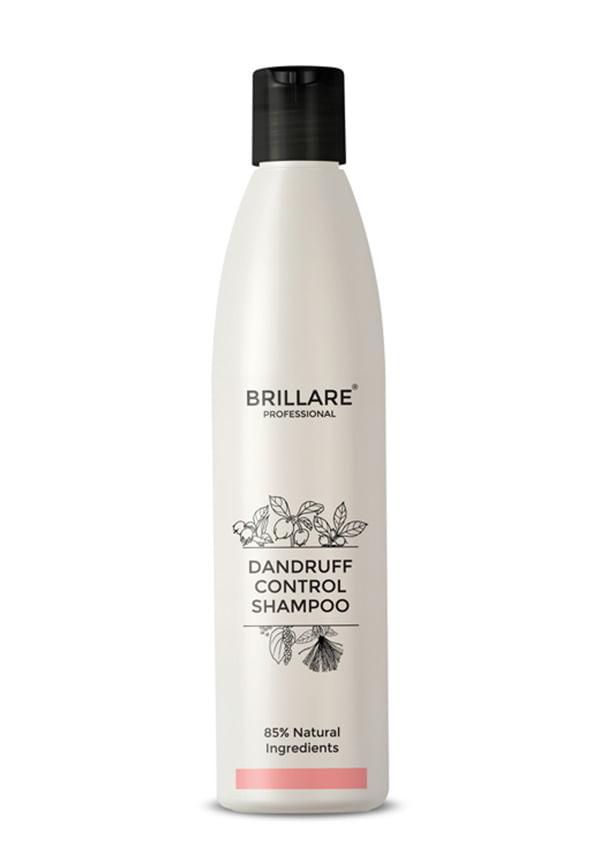
Dandruff Control Shampoo For Itchy, Flaky Scalp
Nourishing & Dandruff-Fighting Shampoo
5“This shampoo deeply nourishes the scalp and strengthens the hair from roots to tips. and removes all dandruff within 2..4 wash”
Love this product, order every time
5“love this product i ordered it every time”
Quick Results, Gentle & Amazing Quality
5“you will see results quickly rather than anything, very gentle small quantity enough , quality amazing”
Not all scalp issues are created equal, and the best scalp treatment for you depends entirely on what your scalp is trying to tell you. Let's break down the most effective approaches for common concerns.
When your scalp won't stop itching, you need ingredients that calm inflammation and provide immediate relief. Look for treatments containing aloe vera, which soothes irritation naturally, or tea tree oil, known for its antimicrobial and anti-inflammatory properties. Cooling treatments with menthol or peppermint can provide instant relief, though they're more of a temporary fix than a long-term solution.
The choice between medicated and natural options depends on the severity and cause of your itchiness. If it's persistent and accompanied by flaking or redness, medicated treatments might be necessary. For occasional itchiness or sensitivity, natural itchy scalp remedy options are often gentler and just as effective.
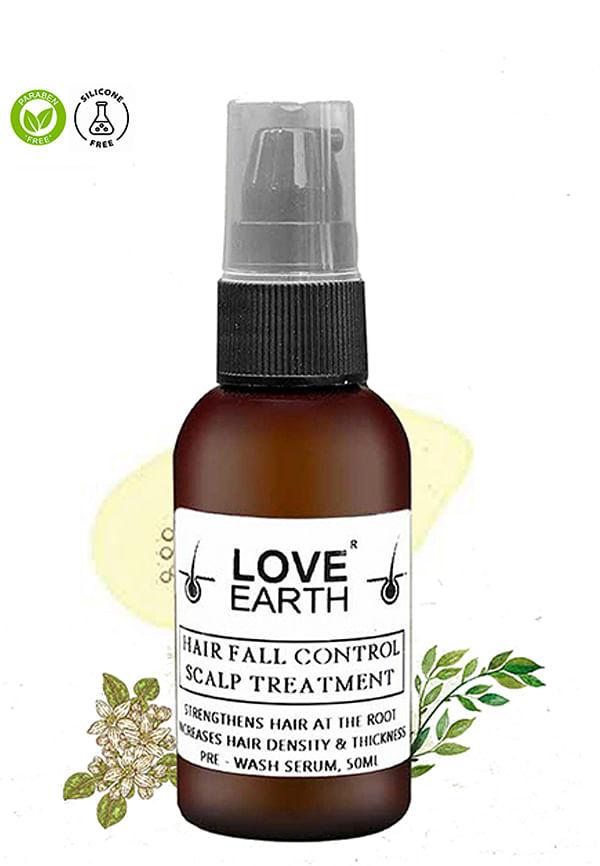
Hair Fall Control Scalp Treatment
Dealing with an oily scalp requires a delicate balance—you want to control excess oil without stripping your scalp so much that it overcompensates by producing even more sebum. Clarifying treatments work well, but use them sparingly—once or twice a week maximum.
Look for oily scalp treatment products with salicylic acid, which helps regulate oil production, or clay-based treatments that absorb excess sebum. Niacinamide is another brilliant ingredient that helps balance oil production without being overly drying.
For dandruff treatment, active ingredients are your best friends. Zinc pyrithione is gentle yet effective for mild to moderate dandruff, while ketoconazole is stronger and works well for more stubborn cases. Selenium sulfide is particularly effective for seborrheic dermatitis but can be quite drying.
Most dermatologists recommend using medicated shampoos 2-3 times per week initially, then reducing frequency once symptoms improve. Combination therapy—using different active ingredients on alternating days—can be more effective than sticking to just one.
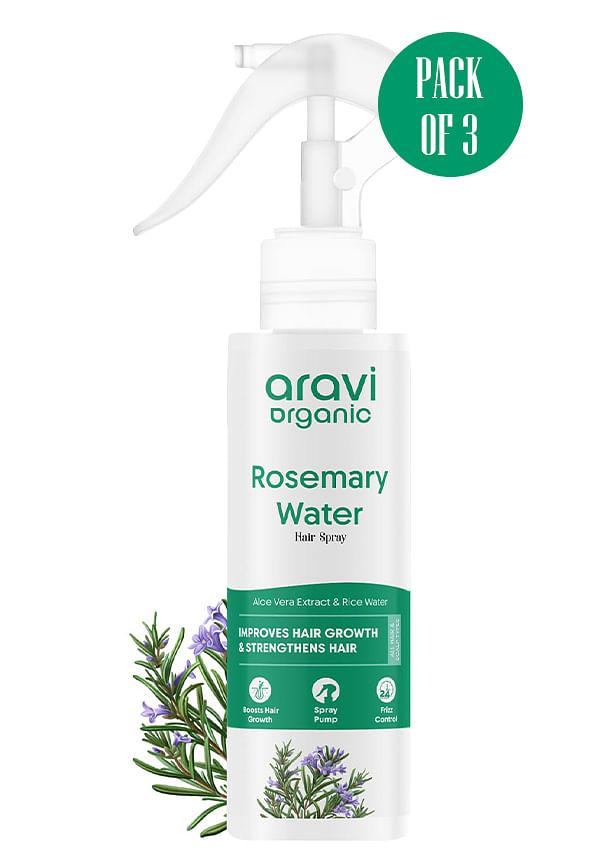
Rosemary Water Spray for Healthy Thicker Hair Growth & Natural Scalp Treatment Hair Spray
Good Essence & Hair Growth
5“it's having good essence and it really boost the hair growth”
Choosing the right scalp care products starts with honestly assessing your scalp type and specific concerns. Is your scalp oily, dry, sensitive, or combination? Do you have specific conditions like dandruff or dermatitis? Understanding your baseline helps narrow down your options significantly.
When reading ingredient labels, look for active ingredients that target your specific concerns, but also pay attention to potential irritants. Fragrances, sulfates, and certain preservatives can trigger sensitivity in some people. If you have sensitive skin, patch testing new products is crucial—apply a small amount behind your ear and wait 24-48 hours to check for reactions.
Budget considerations matter too. While expensive doesn't always mean better, investing in quality scalp treatment product comparisons shows that sometimes paying a bit more for clinically-proven ingredients is worth it. However, many effective treatments are surprisingly affordable—it's about finding what works for your specific needs.
Know when to consult a professional. If you're dealing with persistent issues, sudden changes in your scalp condition, or if over-the-counter treatments aren't helping after 6-8 weeks of consistent use, it's time to see a dermatologist or trichologist.
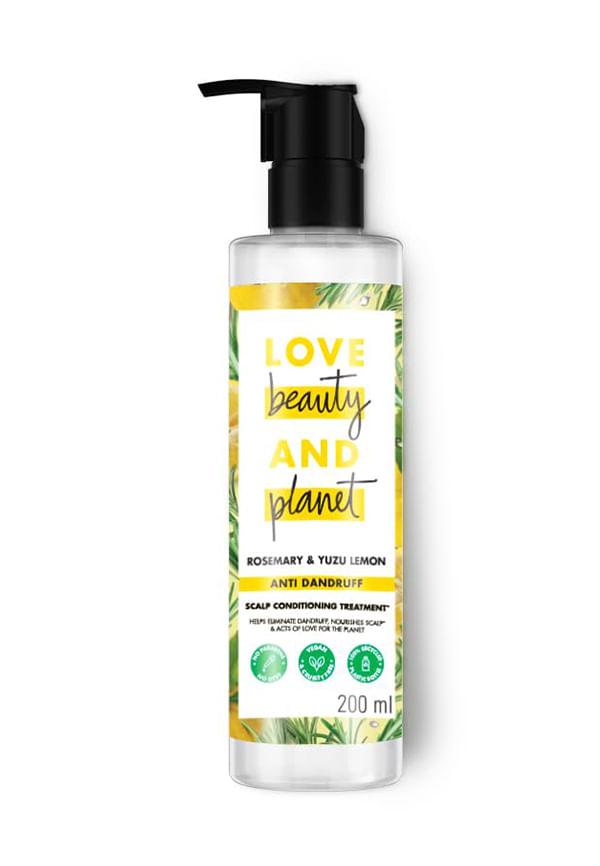
Rosemary & Yuzu Lemon Anti Dandruff Scalp Conditioning Treatment
Good Product, Affordable Price
5“Overall good product price is affordable”
Good Product, Affordable Price
5“Overall good product price is affordable”
Good Product, Affordable Price
5“Overall good product price is affordable”
Professional scalp treatments offer advantages that at-home options simply can't match. In-office treatments often use higher concentrations of active ingredients, professional-grade equipment, and customised formulations based on detailed scalp analysis. They're particularly beneficial for severe conditions or when you need faster results.
However, the cost-benefit analysis varies significantly. Professional treatments can range from ₹2,000 to ₹8,000 per session, and most conditions require multiple sessions. For many people, consistent at-home care with quality products delivers excellent results at a fraction of the cost.
DIY treatments can be effective, but safety considerations are important. Avoid overly harsh ingredients, don't leave treatments on longer than recommended, and always patch test. The beauty of at-home scalp treatment is that you can maintain consistency, which is often more important than intensity.
Many people find that combining professional and home care approaches works best—getting professional treatments quarterly while maintaining daily care with quality scalp care products at home.
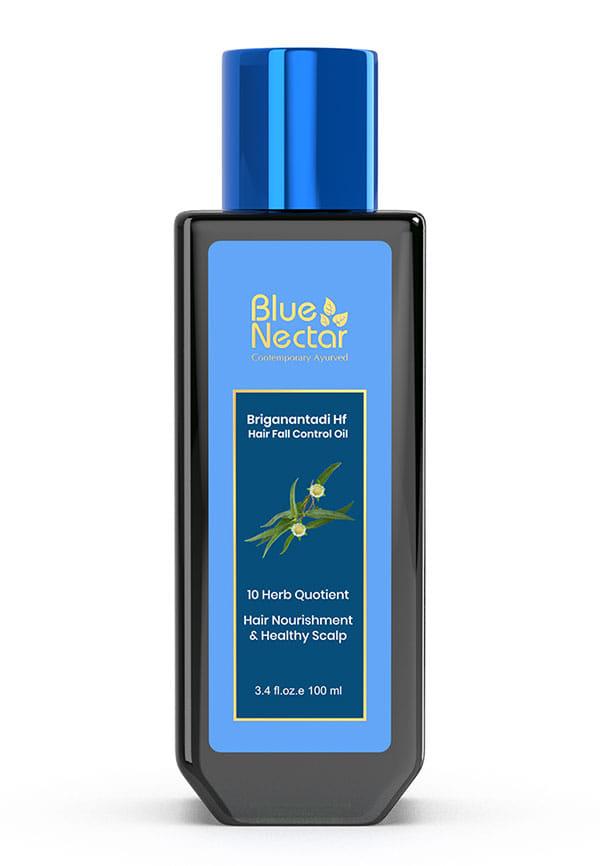
Briganantadi Hair Fall control and Healthy Scalp Hair Oil 10 Herbs
Proper application technique can make or break your scalp treatment results. For shampoos, focus on massaging the scalp rather than the hair lengths—your scalp is what needs the treatment, not your ends. Use lukewarm water, as hot water can strip natural oils and cause irritation.
Creating an effective routine means being consistent but not overwhelming your scalp. Start with one new product at a time, use it consistently for at least 4-6 weeks before deciding if it's working, and don't be tempted to mix multiple active treatments simultaneously—this often leads to irritation rather than better results.
Lifestyle factors significantly impact treatment success. Stress, diet, hormonal changes, and even your pillowcase material can affect your scalp health. Consider these factors as part of your overall scalp health strategy.
Common mistakes include using too much product, applying treatments to wet hair when they're meant for dry scalp, and giving up too quickly. Most scalp treatment for hair growth and condition improvement takes 6-12 weeks to show noticeable results.
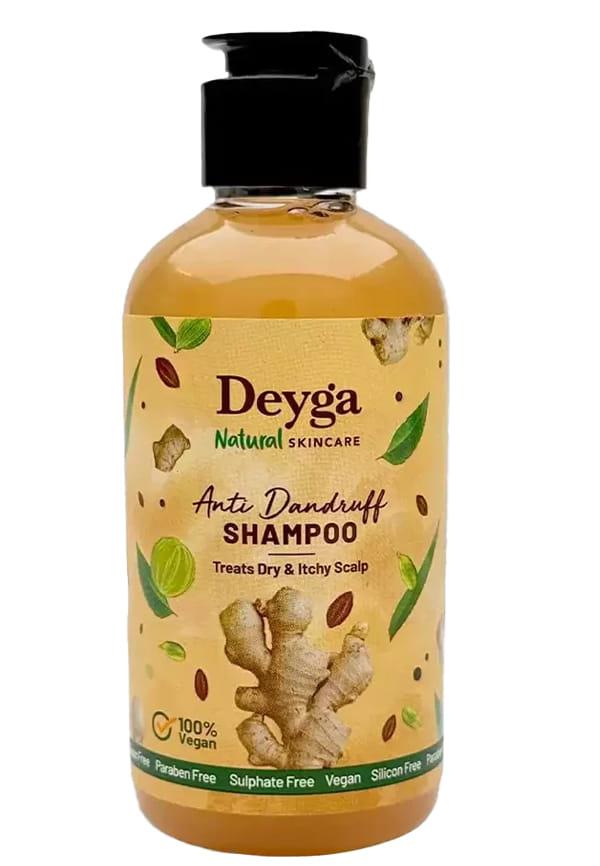
Intensive Scalp Repair Anti Dandruff Shampoo
This is where platforms like Smytten become incredibly valuable. With over 1,500 trusted brands offering trial-sized products, you can test different scalp care products without committing to full sizes. Getting up to 8 minis for just ₹249 means you can try various treatments to find what works best for your specific scalp needs, plus the 100% cashback makes it practically risk-free to experiment with new solutions.
Most people notice initial improvements within 2-4 weeks, but significant changes typically take 6-12 weeks of consistent use. Hair follicle treatment and growth stimulation can take even longer—up to 3-4 months for noticeable results.
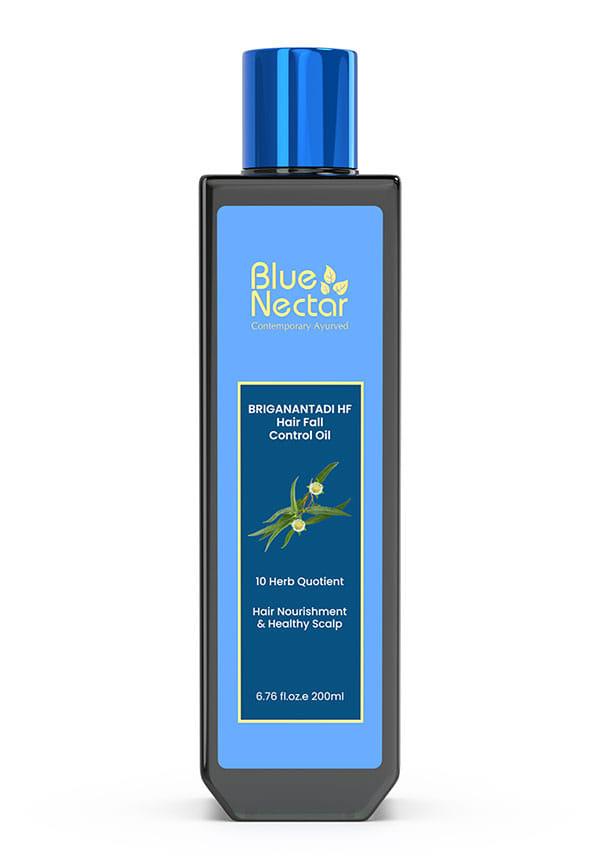
Briganantadi Hair Fall control and Healthy Scalp Hair Oil 10 Herbs
It depends on the ingredients. Generally, it's best to introduce one treatment at a time and avoid combining multiple active ingredients like salicylic acid and retinoids. When in doubt, consult with a dermatologist or do patch tests.
Scalp treatments contain higher concentrations of active ingredients and are formulated to address specific conditions, while regular shampoos primarily cleanse. Treatments often require longer contact time and less frequent use.
Not necessarily. While some premium treatments offer unique formulations or higher concentrations of active ingredients, many affordable options contain the same proven ingredients. The key is finding products with clinically-proven ingredients that work for your specific needs.
This varies by treatment type and scalp condition. Medicated shampoos might be used 2-3 times weekly initially, while leave-in serums could be daily. Always follow product instructions and adjust based on your scalp's response.
If you have sensitive skin, avoid harsh sulfates, artificial fragrances, and alcohol-based formulas. Those with specific allergies should also watch for common allergens like lanolin or certain essential oils.
Finding the right scalp treatment is honestly a bit like dating—it might take a few tries to find your perfect match, but when you do, the results speak for themselves. The key is understanding your scalp's specific needs, being patient with the process, and not being afraid to experiment with different approaches.
Remember, the best scalp treatment is the one you'll actually use consistently. Whether that's a budget-friendly oil treatment, a clinical-strength medicated shampoo, or a luxurious serum, consistency trumps everything else when it comes to scalp health.
The beauty of having access to trial sizes through platforms like Smytten is that you can explore different scalp care products without the commitment or financial risk. With over 25 million users discovering their perfect products through trial minis, you're in good company when you choose to try before you buy. After all, why settle for maybe when you can find exactly what your scalp needs and truly #TryItAll?
