7 Top Products for Oily Scalp Care & Control


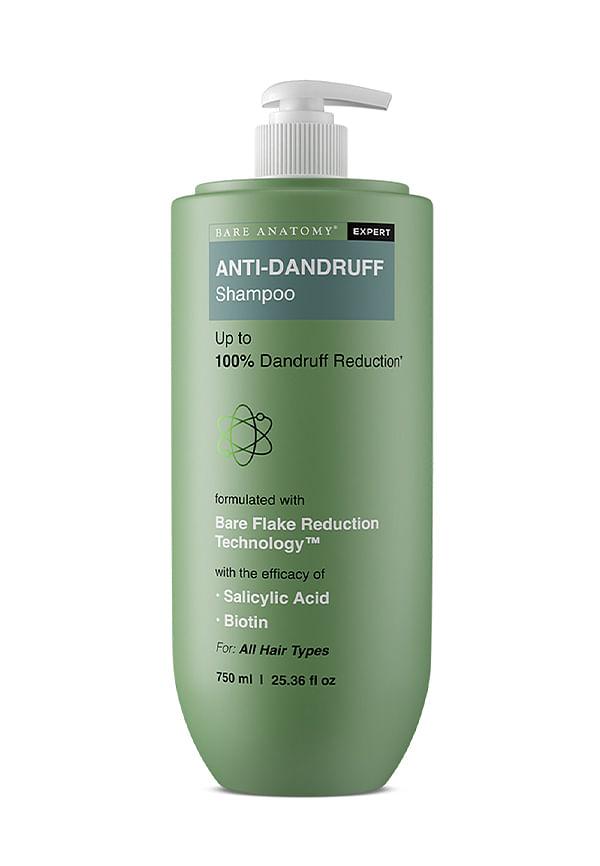
Anti Dandruff Shampoo Salicylic Acid Shampoo for Dry and Frizzy Hair
Let's be real—dealing with an oily scalp can feel like a never-ending battle. One day your hair looks fresh, and the next it's giving off serious greasy vibes that no amount of dry shampoo can fix. If you've been struggling with excess oil production on your scalp, you're definitely not alone. The good news? There are actually some brilliant products for oily scalp that can help you regain control and keep that unwanted shine at bay. From clarifying shampoos to targeted treatments, we've rounded up seven game-changing solutions that might just become your new haircare heroes.
Before diving into the best oily scalp treatment options, it's worth understanding what's actually going on up there. Your scalp produces sebum (natural oil) through tiny glands, and sometimes these glands go a bit overboard. This can happen due to hormonal changes, genetics, over-washing, or even using the wrong products that strip your scalp too harshly, causing it to produce even more oil in response.
The telltale signs are pretty obvious: your hair looks greasy within a day or two of washing, you might notice a slightly oily smell, and your roots feel heavy or weighed down. Unlike dry scalp conditions, an oily scalp often comes with larger, yellowish flakes rather than fine white ones. Regular shampoos might not cut it because they're not designed for scalp oil control—you need something a bit more targeted.
When it comes to finding the best shampoo for oily scalp, clarifying formulas are absolutely worth trying. These aren't your everyday shampoos—they're specifically designed to cut through excess oil and product buildup without completely stripping your hair.
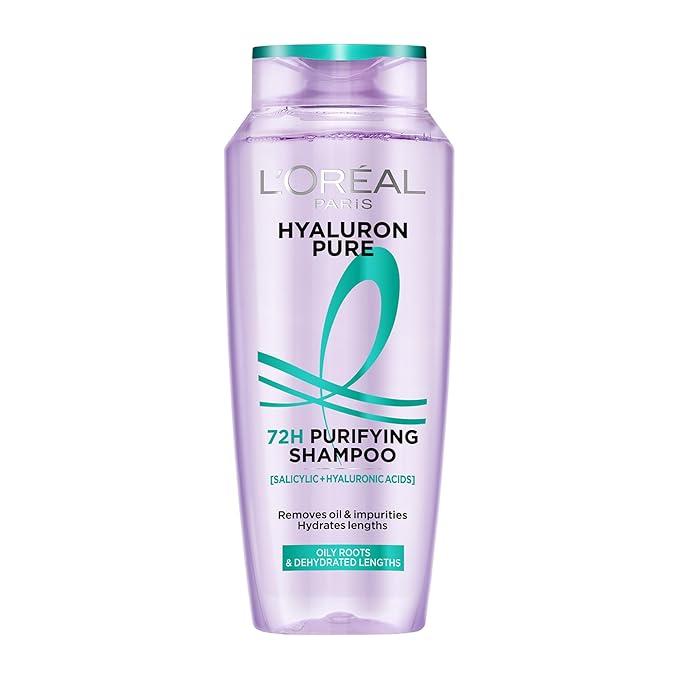
Look for shampoos containing salicylic acid, which gently exfoliates the scalp and helps regulate oil production. L’Oréal Paris Hyaluron Pure 72H Purifying Shampoo fits well here because it combines salicylic acid to deeply cleanse an oily scalp with hyaluronic acid to hydrate dry, dehydrated lengths. It helps remove excess oil from the scalp without making the hair fibre feel stripped, leaving your hair feeling refreshed, shinier and full of movement. This works especially well if your roots get greasy quickly but your lengths still feel dry.
Tea tree oil is brilliant for sebum control shampoo formulations because it has natural antibacterial properties and helps balance oil production. Plus, it gives you that lovely tingly, clean feeling.
Zinc pyrithione is another ingredient to keep an eye out for. It's particularly effective for oily scalps that are prone to irritation or mild dandruff alongside the excess oil.
Sometimes regular shampooing isn't enough, and that's where specialised scalp clarifying products come into play. These treatments are designed to give your scalp a deeper clean and help reset your oil production.
These lightweight treatments can be applied directly to your scalp between washes. Look for formulas with niacinamide or witch hazel, which help regulate sebum production without over-drying.
Think of these as face masks for your scalp. Clay naturally absorbs excess oil and can be used weekly as part of your oily scalp care routine. Bentonite or kaolin clay are particularly effective options.
Gentle exfoliation can help remove buildup and allow your scalp to breathe better. Look for products with fine granules or chemical exfoliants like glycolic acid.
If you prefer natural remedies for oily scalp, there are some genuinely effective options that won't break the bank. These tend to be gentler on your scalp while still providing solid results.
Mix one part apple cider vinegar with three parts water and use as a final rinse after shampooing. The acidity helps balance your scalp's pH and can reduce excess oil production over time.
Look for dry shampoos made with rice starch or arrowroot powder rather than harsh chemicals. These absorb oil between washes without leaving residue.
Rosemary, peppermint, and lemon essential oils can help regulate oil production when diluted properly and massaged into the scalp. Always dilute with a carrier oil like jojoba.
Knowing how to reduce oily scalp isn't just about picking the right products—it's about using them correctly and consistently. Here's how to structure your routine for the best results.
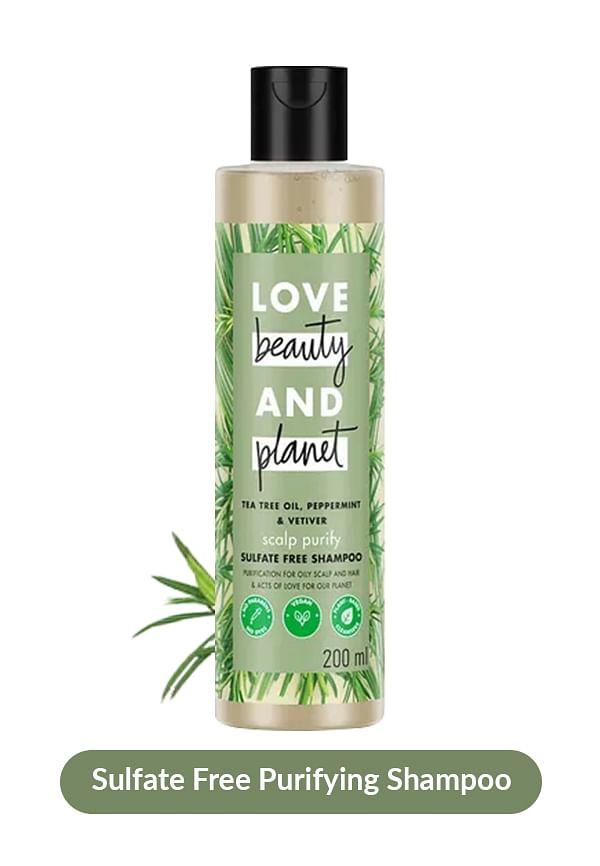
Tea Tree, Peppermint & Vetiver Sulfate Free Purifying Shampoo,
Start with a gentle, sulfate-free shampoo designed for oily hair. Wash every other day rather than daily—over-washing can actually trigger more oil production. Focus the shampoo on your scalp rather than the lengths of your hair.
Once or twice a week, use a deeper clarifying treatment or scalp mask. This helps reset your scalp and prevents buildup that can make oiliness worse.
Use dry shampoo strategically—not just when your hair looks greasy, but as a preventative measure. Apply it to clean hair before bed to absorb oils overnight.
With so many greasy hair solutions on the market, finding the right products can feel overwhelming. The key is understanding your specific needs and being willing to experiment a bit. Some people respond better to gentle, daily-use formulas, while others need stronger weekly treatments.
This is where platforms like Smytten become incredibly useful. Rather than committing to full-size products that might not work for your specific scalp type, you can try curated trial packs from trusted haircare brands. With over 1,500 brands available, including specialist haircare options, you can explore different oily scalp remedies without the financial risk. The platform's trial system lets you test products for just ₹249 for up to 8 minis, with 100% cashback redeemable for future purchases—making it much easier to find your perfect scalp care match.
When dealing with an oily scalp, it's easy to make mistakes that actually make the problem worse. Here are some pitfalls to watch out for.
Washing your hair daily with harsh shampoos can strip your scalp, causing it to produce even more oil to compensate. Stick to every other day with the right products.
Even oily scalps need moisture on the hair lengths. Apply conditioner from mid-length to ends, avoiding the roots entirely.
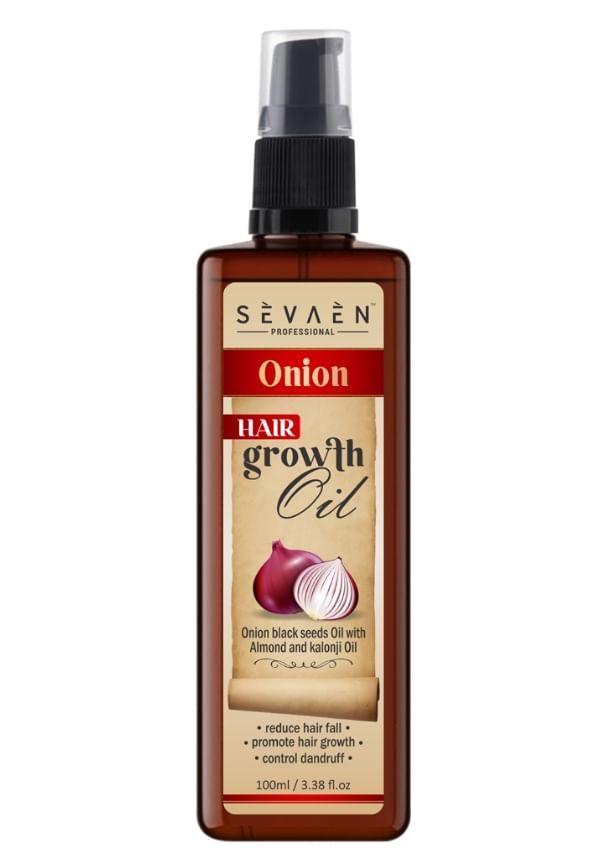
Onion Oil & Hair Fall Control Hair Oil For Hair Regrowth (Ayurvedic) Hair Oil
Whether it's shampoo, treatments, or styling products, less is often more when you're dealing with excess oil. Start with small amounts and build up if needed.
Oily scalp is typically caused by overactive sebaceous glands, which can be triggered by hormones, genetics, stress, over-washing, or using products that are too harsh for your scalp type.
Most people with oily scalps do best washing every other day. Daily washing can actually stimulate more oil production, while waiting too long allows buildup that makes the problem worse.
Yes, many natural ingredients like apple cider vinegar, tea tree oil, and clay can effectively help balance oil production. However, they often work more gradually than commercial products.
Oily scalp primarily involves excess sebum production, while dandruff is characterised by flaking. However, the two conditions can occur together, and some people mistake oily buildup for dandruff flakes.
Your scalp's oil production can vary with humidity and temperature changes. You might need lighter formulas in summer and slightly more moisturising options in winter, even with an oily scalp.
If your oily scalp is accompanied by severe itching, inflammation, hair loss, or doesn't improve with proper care after 6-8 weeks, it's worth consulting a dermatologist or trichologist.
Managing an oily scalp doesn't have to be a constant struggle. With the right combination of products for oily scalp and a consistent routine, you can absolutely get your oil production under control. The key is finding products that work for your specific scalp type and being patient—most treatments take 4-6 weeks to show their full effects.
Remember, what works for your friend might not work for you, which is why trying different formulations is so important. Whether you opt for professional treatments, natural remedies, or a combination of both, consistency is your best friend. And with platforms that let you trial products before committing to full sizes, there's really no reason to settle for a routine that isn't working perfectly for you. After all, why settle for 'maybe' when you can find products that actually deliver results?
