7 Top Hair Growth Vitamins for Luscious Locks

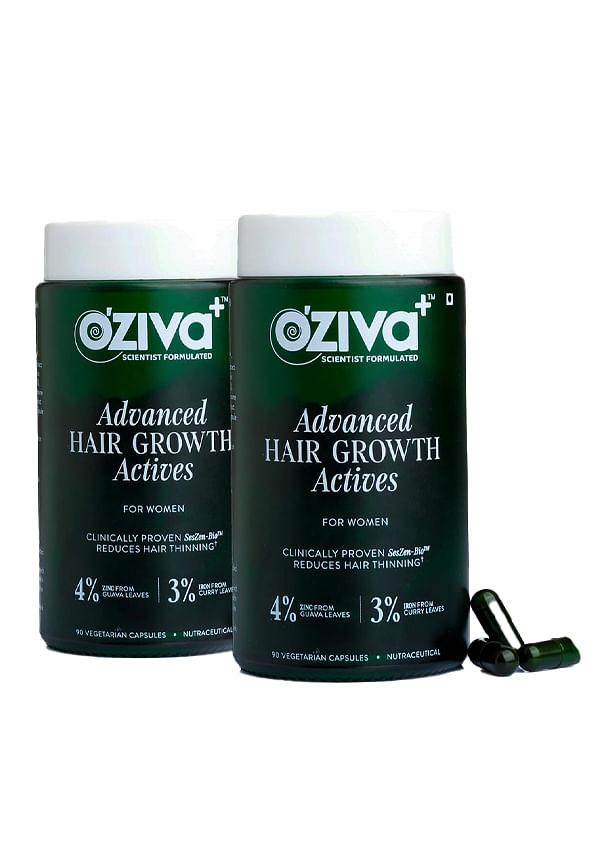
Advanced Hair Growth Actives | Anti-Thinning Hair Formula for Women
Good Product
 5
5“good product”
Good product, I like it
5“good product i like it it feels when I use it”
Nice Product
4“nice product.....thank you smytten”
Let's be real—we've all been there. Staring at our reflection, wondering why our hair looks more like a sad houseplant than the luscious locks we see on Instagram. The good news? Sometimes the answer isn't in that expensive serum or fancy treatment. It might just be sitting in your vitamin cabinet. Hair growth vitamins have become proper game-changers, and there's actual science backing why certain nutrients can transform your mane from meh to magnificent. Whether you're dealing with thinning, breakage, or just want thicker hair, the right top hair growth vitamins could be your ticket to the hair goals you've been chasing.
Your hair follicles are basically tiny factories working around the clock. Like any good factory, they need the right raw materials to produce quality goods. When you're lacking essential nutrients, these follicles start slacking off, leading to weak, thin, or slow-growing hair. The hair growth cycle has three phases: anagen (growth), catagen (transition), and telogen (rest). Hair growth supplements work by supporting the anagen phase, where your hair is actively growing. Clinical studies show that nutritional deficiencies can push more follicles into the resting phase, which means less hair growth and more shedding. Research published in dermatology journals consistently links deficiencies in iron, biotin, and vitamin D to various forms of hair loss. The brilliant thing about addressing these gaps is that once your body gets what it needs, your hair often bounces back stronger than before.
Ready to meet the squad that could transform your hair game? These seven best vitamins for hair have the research credentials and real-world results to back up their reputation.
Biotin is basically the celebrity of hair vitamins, and for good reason. This B-vitamin is essential for keratin production—the protein that makes up your hair structure. When you're biotin-deficient, your hair becomes brittle and prone to breakage. The optimal dosage sits between 30-100 mcg daily, though many supplements contain much higher amounts. Biotin for hair growth works by strengthening the hair shaft and supporting follicle health. You'll find biotin naturally in eggs, nuts, and sweet potatoes, but supplements ensure you're getting consistent levels.
Here's something that might surprise you: vitamin D receptors are found in hair follicles. Low vitamin D levels are linked to alopecia and general hair thinning. This vitamin helps create new hair follicles and keeps existing ones healthy. Most people need between 1000-4000 IU daily, depending on their baseline levels. The tricky bit is that vitamin D deficiency is incredibly common, especially if you're not getting much sun exposure. Getting your levels tested is worth it—this could be the missing piece of your hair puzzle.
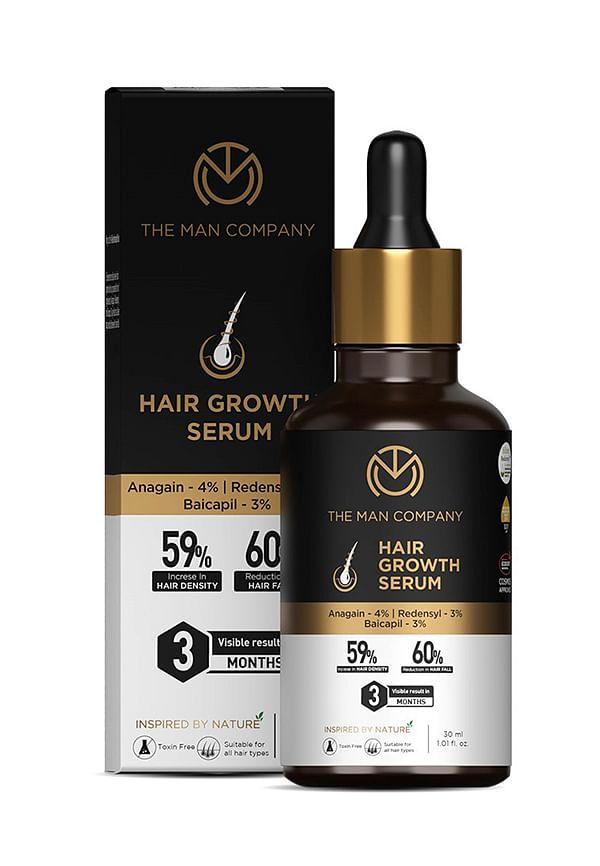
Hair Growth Serum
Iron deficiency is one of the most common causes of hair loss, particularly in women. Your hair follicles need iron to produce healthy hair cells. Without enough iron, your body prioritises more vital functions, leaving your hair to suffer. Women need about 18mg daily, while men need 8mg. The key is checking your ferritin levels (iron storage), not just basic iron levels. Vitamins for thicker hair often include iron because it directly impacts hair density and strength.
Vitamin C is your hair's best mate for several reasons. It helps produce collagen, which strengthens hair structure, and it's a powerful antioxidant that protects follicles from damage. Plus, it enhances iron absorption, making it a perfect teammate for iron supplements. Aim for 500-1000mg daily for optimal hair vitamin benefits. While you can get vitamin C from citrus fruits and berries, supplements ensure consistent intake, especially during winter months when fresh produce might be limited.
Vitamin E improves blood circulation to your scalp, ensuring your follicles get the nutrients they need. It also protects against oxidative stress, which can damage hair follicles over time. The recommended amount is 15mg daily. You can use vitamin E oil topically or take it orally—both methods support hair health, though oral supplements provide more comprehensive benefits for overall hair health vitamins support.
Zinc plays a crucial role in protein synthesis and tissue repair, making it essential for healthy hair growth. Zinc deficiency often shows up as hair loss, slow growth, or changes in hair texture. Most people need 8-11mg daily. Signs of zinc deficiency include not just hair issues but also slow wound healing and frequent infections. Vitamins for stronger hair often feature zinc because it helps repair damaged follicles.
Folic acid supports healthy cell division, which is crucial for hair follicle function. It's particularly important for women of childbearing age, as deficiency can affect both hair health and overall wellbeing. The optimal dosage ranges from 400-800 mcg daily. Natural folate from leafy greens is excellent, but synthetic folic acid in supplements is actually more bioavailable, making it an effective choice for addressing deficiencies.
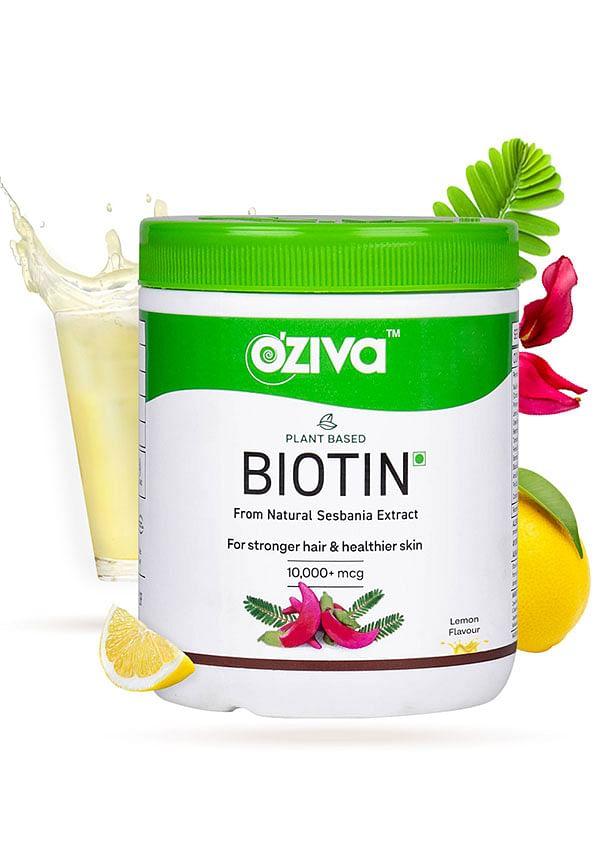
Plant Based Biotin for hair growth 10000mcg+ with Amla - Biotin Lemon
Good for Hair and Skin
5“must try product for hair and skin”
Very Good Product
4“very good product and lovely 😍😍😍”
Really Good, Like It
5“It is really good i like it very much ”
Should you go for a comprehensive hair growth supplements formula or pick individual vitamins? Both approaches have their merits, and the right choice depends on your specific needs. Multi-vitamin hair supplements offer convenience and often include complementary nutrients that work together. However, they might not provide therapeutic doses of specific vitamins you're deficient in. Individual vitamins allow for targeted treatment but require more knowledge about your specific deficiencies. When choosing any supplement, look for third-party testing, proper dosages, and bioavailable forms of nutrients. Avoid products with unrealistic claims or proprietary blends that don't list specific amounts.
While supplements are convenient, getting natural hair growth vitamins from food sources offers additional benefits like fibre, antioxidants, and other nutrients that support overall health. Eggs are biotin powerhouses, providing about 10 mcg per egg. Spinach delivers iron, folate, and vitamin C in one leafy package. Fatty fish like salmon provide vitamin D, omega-3s, and protein—all essential for healthy hair. Creating a hair-healthy meal plan doesn't have to be complicated. Include a variety of colourful vegetables, lean proteins, and healthy fats. The key is consistency—your hair reflects your overall nutritional status over time, not just what you ate yesterday.
Patience is key when it comes to hair loss vitamins. Your hair grows about half an inch per month, so visible changes take time. Here's what to expect: During the first month or two, you're building up nutrient levels in your body. You might notice reduced hair fall or stronger new growth starting around month three or four. Significant improvements in thickness and length typically become apparent after six months of consistent use. Factors like age, genetics, hormonal status, and the severity of deficiency all affect how quickly you'll see results. Some people notice changes within weeks, while others need several months. The important thing is consistency—sporadic supplementation won't give you the results you're after. Smytten understands that finding the right hair growth nutrients can feel overwhelming with so many options available. As India's largest product discovery platform, Smytten connects you with over 1,500 trusted brands offering everything from hair supplements to nourishing treatments. With curated trial packs, you can explore different approaches to hair health without committing to full-size products immediately.
Biotin is often considered the most effective single vitamin for hair growth, as deficiency directly impacts hair strength and growth rate. However, the best approach typically combines biotin with iron, vitamin D, and vitamin C for comprehensive hair support.
Several vitamins support hair growth: biotin strengthens follicles, vitamin D activates new follicle formation, iron supports thickness, and vitamin C builds collagen. The most effective approach uses multiple hair growth nutrients together.
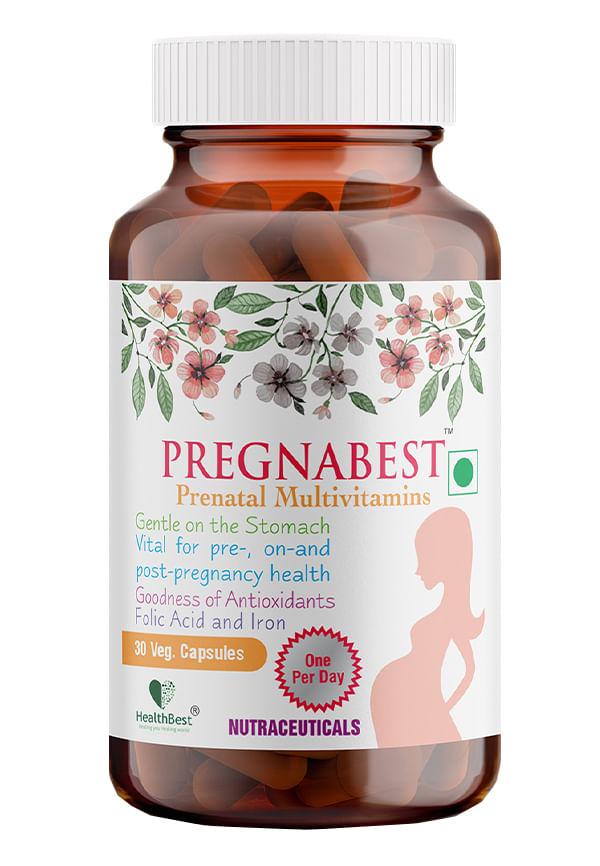
Pregnabest Prenatal Multivitamins for Women – Folic Acid, Iron, Zinc, Vitamin D3
Biotin shows more direct effects on hair growth and strength, while B12 supports overall hair health through improved circulation and cell formation. For specific hair concerns, biotin typically provides more noticeable results.
Hair growth supplements are most beneficial for people with nutritional deficiencies. If you maintain a balanced diet, targeted vitamins based on blood test results may be more effective than broad-spectrum supplements.
Yes, fat-soluble vitamins like A, D, and E can accumulate and cause toxicity. Water-soluble vitamins like biotin are generally safer, though excessive amounts might interfere with certain lab tests.
Many dermatologists recommend specific vitamins based on blood tests showing deficiencies, particularly iron, vitamin D, and biotin for patients experiencing hair loss or thinning.
Your hair journey doesn't have to be a guessing game. The right combination of top hair growth vitamins can make a real difference, especially when you're addressing specific nutritional gaps. Remember, consistency beats intensity—taking the right vitamins regularly will serve you better than sporadic mega-doses. Start with the basics: get your vitamin D, iron, and biotin levels checked. From there, you can create a targeted approach that addresses your specific needs. Whether you choose individual supplements or a comprehensive formula, give your hair the nutrients it needs to thrive. With platforms like Smytten offering trial-sized hair care products and supplements from trusted brands, you can experiment with different approaches to find what works best for your unique hair needs. After all, why settle for maybe when you can try it all and discover your perfect hair growth routine?
