7 Surprising Reasons Your Scalp is Super Itchy

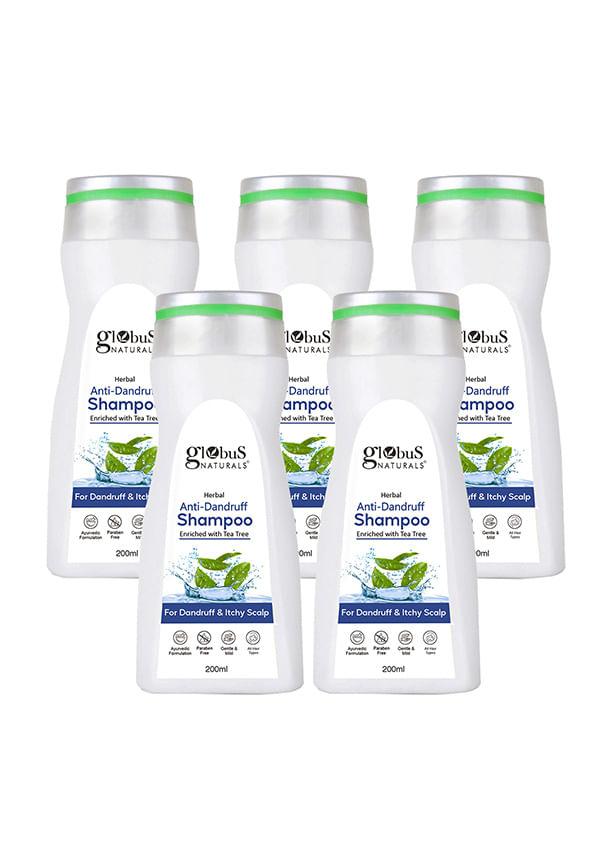
Anti Dandruff Shampoo, For Dandruff and Itchy Scalp
Good Value for Money
 4
4“I like the product and two product are 200 ml so is value for money and what it”
Cooling Anti-Dandruff Shampoo
5“एंटी डैंड्रफ शैंपू शैंपू बहुत अच्छे हैं इससे गर्मियों में बहुत अच्छा लगता है ठंडा ठंडाफील होता है”
Unexpectedly good quality
5“I love it not expected this quality super”
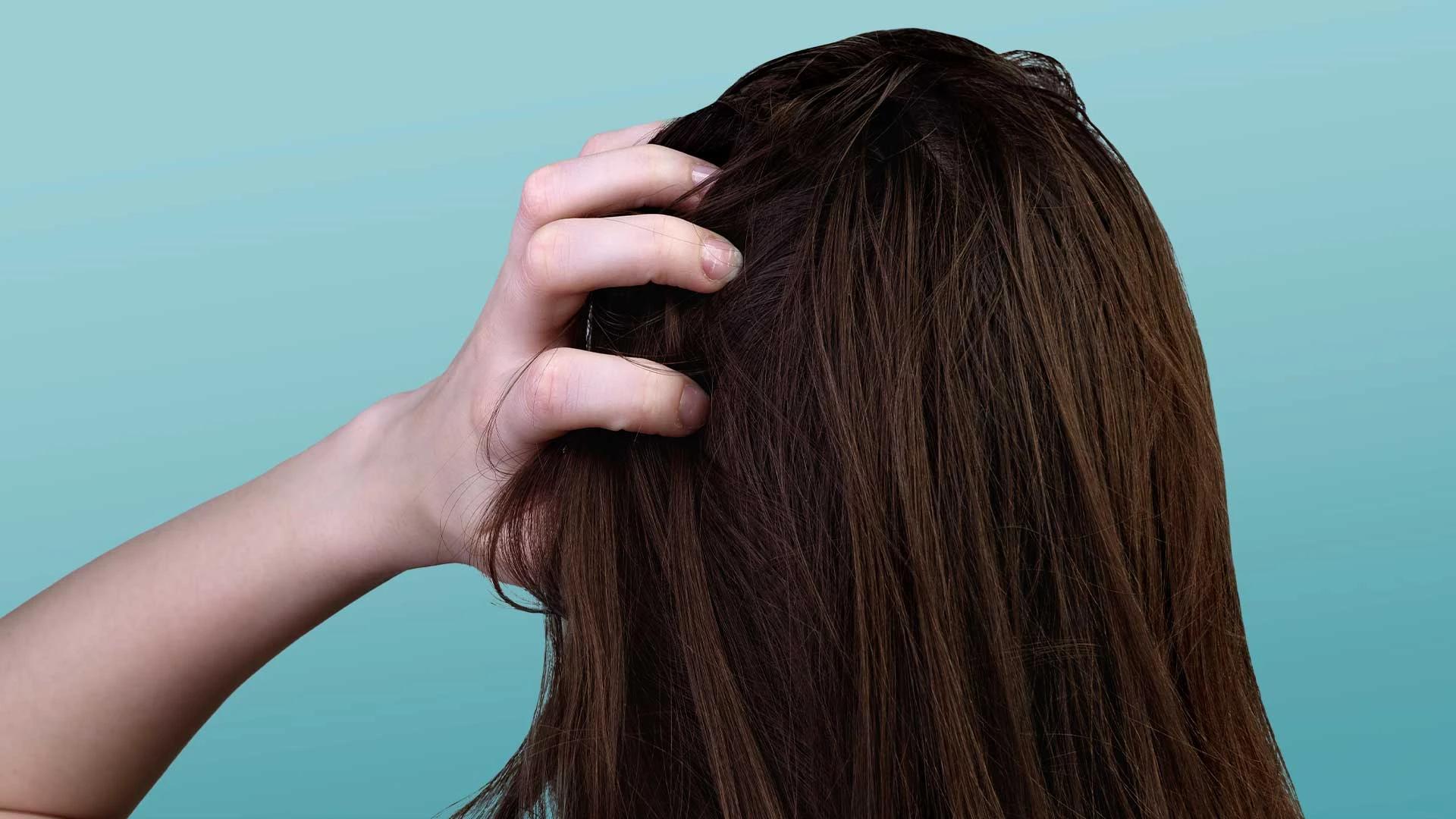
That annoying itch on your scalp that just won't quit? You're not alone. Millions of people wonder why is my scalp itchy when they're doing everything "right" - washing regularly, using gentle products, and keeping things clean. But here's the thing: sometimes the most obvious solutions miss the real culprits behind your scalp irritation. From hidden product allergies to nerve-related issues you'd never suspect, your itchy scalp might be trying to tell you something completely different than what you think.
Your scalp is basically a complex ecosystem with thousands of hair follicles, oil glands, and nerve endings all working together. When something disrupts this delicate balance, itchy scalp causes can range from the super obvious to the downright surprising. The tricky part? What triggers one person's scalp irritation might be completely different for someone else. Real talk - your scalp has more nerve endings than most other parts of your body, which explains why that itch feels so intense and impossible to ignore. Plus, it's constantly exposed to products, environmental factors, and even your own natural oils, creating the perfect storm for potential irritation. Most people assume their itchy scalp is just dandruff or dryness, but scalp inflammation can stem from autoimmune conditions, allergic reactions, or even psychological stress. The key is figuring out which of these surprising factors might be affecting you.
Here's something that might blow your mind: those "gentle" and "sensitive" haircare products could actually be the reason your scalp is going mental. Contact dermatitis from unexpected ingredients is way more common than you'd think, and it's not always the obvious suspects like sulfates causing the drama. Fragrances are massive culprits, even in products labelled "fragrance-free" (they might contain masking fragrances). Preservatives like methylisothiazolinone and formaldehyde-releasing agents can trigger delayed reactions, meaning your scalp might not react until days after using a product. Even natural ingredients like tea tree oil or botanical extracts can cause sensitive scalp solutions to backfire if you're allergic. The sneaky thing about product allergies is they can develop over time. That shampoo you've been using for months? Your scalp might suddenly decide it's not having it anymore. This is why patch testing isn't just for hair dye - try any new product on a small area behind your ear first. For immediate scalp irritation relief, switch to the most basic, ingredient-minimal products you can find. Look for single-ingredient cleansers or products specifically formulated for compromised skin barriers.
This one's a proper game-changer because most people are either overwashing or underwashing their hair, and both can leave you scratching like mad. Overwashing strips your scalp's natural protective oils, leading to that tight, itchy feeling that screams for dry scalp remedies. Your scalp tries to compensate by producing more oil, creating a vicious cycle. On the flip side, underwashing allows product buildup, dead skin cells, and excess oils to accumulate. This creates the perfect environment for bacteria and fungi to party on your scalp, leading to inflammation and that persistent itch that just won't quit. Here's the thing nobody talks about: the "day after washing" itch phenomenon. Your scalp might feel amazing right after washing, then suddenly become itchy 24-48 hours later. This usually happens because your natural oil production is trying to rebalance, or because product residue is starting to build up. The sweet spot varies for everyone, but most people do best washing every 2-3 days. If you have very oily hair, daily washing with a gentle formula might work better. Dry or chemically treated hair might only need washing twice a week.
Ever notice your scalp gets itchier at night? There's actually science behind this madness. Your body's circadian rhythm affects inflammation levels, and cortisol (which helps control inflammation) naturally drops in the evening. This means any existing scalp inflammation can feel more intense when you're trying to sleep. Your pillow situation might be making things worse too. Synthetic pillowcases can trap heat and moisture, creating a breeding ground for bacteria. Fabric softeners and laundry detergents can leave residues that irritate sensitive skin. Even your sleep position matters - lying on one side consistently can reduce circulation to that area of your scalp. The fix? Switch to silk or bamboo pillowcases, wash your bedding with fragrance-free detergent, and try sleeping with your hair loosely tied up to reduce friction. If nighttime itching is your main issue, a cool compress before bed can help calm inflammation.
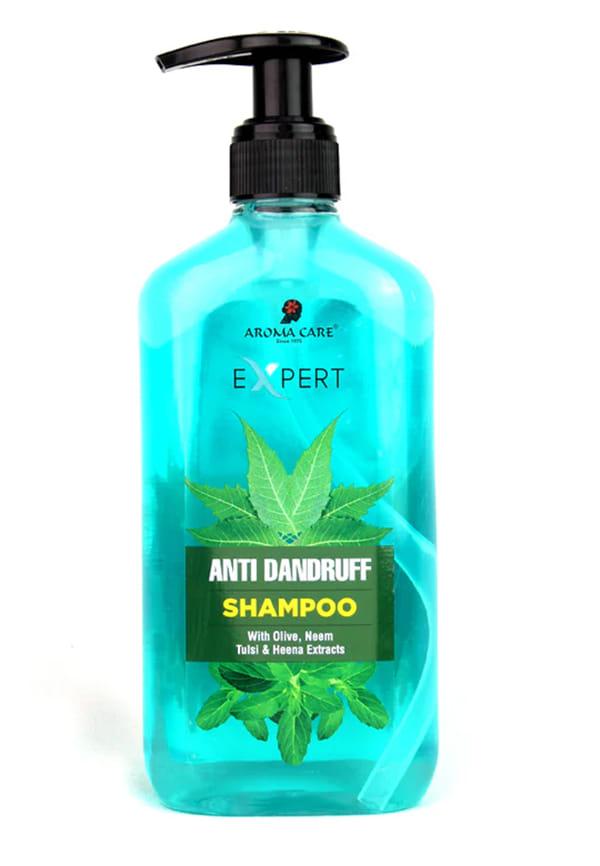
Anti Dandruff Shampoo
Dandruff Reduced After One Wash
4“yup my dandruff is going slowly after one wash I saw the result”
Dandruff Reduced After One Wash
4“yup my dandruff is going slowly after one wash I saw the result”
Excellent Shampoo
5“best shampoo best brand best price”
Here's where things get interesting - what you think is just stubborn dandruff and itchy scalp might actually be seborrheic dermatitis, which is a completely different beast requiring different treatment approaches. Regular dandruff usually shows up as small, dry flakes, while seborrheic dermatitis creates larger, greasy, yellowish scales often accompanied by redness. Seborrheic dermatitis is basically your scalp's inflammatory response to a yeast called Malassezia that naturally lives on everyone's skin. When this yeast overgrows (thanks to factors like stress, hormonal changes, or compromised immunity), it triggers an inflammatory cascade that leaves your scalp angry and itchy. Seborrheic dermatitis treatment typically involves antifungal ingredients like ketoconazole, selenium sulfide, or zinc pyrithione. These work differently than regular dandruff shampoos, which mainly focus on removing dead skin cells. The tricky part is that seborrheic dermatitis can flare up during times of stress, illness, or hormonal changes (hello, pregnancy and menopause). It's also more common in people with oily skin, certain neurological conditions, or compromised immune systems.
This one's particularly sneaky because scalp psoriasis symptoms can look a lot like severe dandruff or dry scalp at first glance. But psoriasis creates thick, silvery scales that extend beyond your hairline onto your forehead, neck, or behind your ears. The itch is often more intense and persistent than regular dry scalp issues. Psoriasis is an autoimmune condition where your immune system mistakenly attacks healthy skin cells, causing them to multiply way too quickly. This creates those characteristic thick, scaly patches that can be incredibly itchy and sometimes painful. Stress is a major trigger for psoriasis flares, but so are infections, certain medications, weather changes, and even minor injuries to the scalp (like aggressive brushing). Unlike regular dry scalp remedies, psoriasis usually requires prescription treatments or specialised over-the-counter products containing coal tar, salicylic acid, or corticosteroids. If you suspect psoriasis, definitely see a dermatologist. Early treatment can prevent the condition from worsening and help you manage flares more effectively.
This is probably the most surprising entry on our list, but nerve-related scalp itching is more common than you'd think. Neuropathy can affect the nerves in your scalp, creating sensations of itching, burning, or tingling that don't respond to typical treatments. Stress-induced nerve inflammation is particularly relevant here. Chronic stress can literally inflame your nerves, making your scalp hypersensitive to normal stimuli. This type of itching often feels different - more like a crawling or burning sensation rather than the typical "scratch me" feeling. There's also an interesting connection between hair loss and nerve issues. Some people experience scalp itching as an early sign of androgenetic alopecia (pattern hair loss), possibly due to inflammation around hair follicles affecting nearby nerve endings. If your scalp itching doesn't respond to typical treatments and feels more like burning or tingling, it's worth discussing with a healthcare provider. Sometimes addressing underlying stress, nutritional deficiencies, or other health issues can resolve nerve-related scalp problems.
Now that we've covered the surprising causes, let's talk solutions. The key is matching your treatment to your specific type of scalp irritation, which is where trial and discovery becomes super valuable.
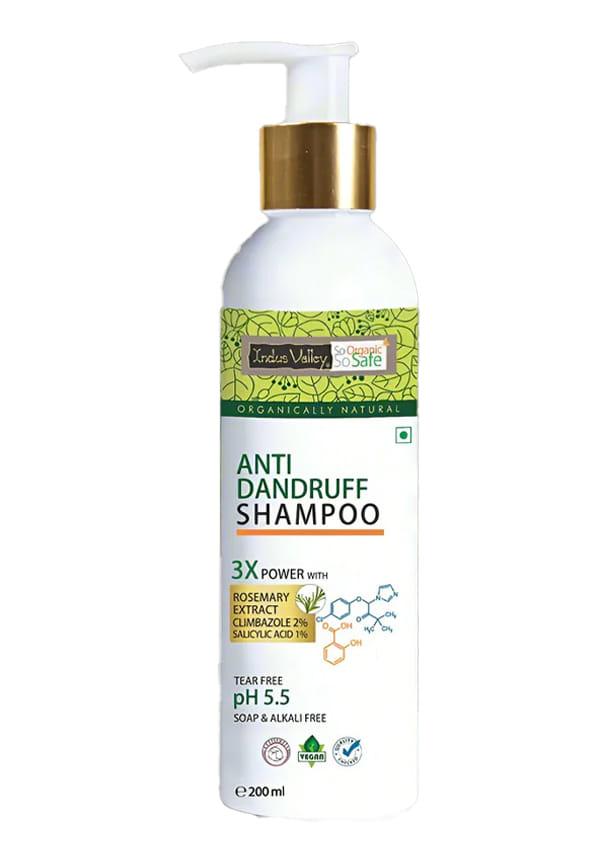
Anti Dandruff Shampoo
Amazing Product for Dandruff
5“I didn't expect it to be this good. It is really an amazing product for person with dandruff.”
Amazing Product for Dandruff
5“I didn't expect it to be this good. It is really an amazing product for person with dandruff.”
Amazing Product for Dandruff
5“I didn't expect it to be this good. It is really an amazing product for person with dandruff.”
Choosing the right itchy scalp shampoo can feel overwhelming with so many options available. Zinc pyrithione works brilliantly for fungal overgrowth and mild inflammation. Selenium sulfide is your go-to for stubborn dandruff and seborrheic dermatitis. Ketoconazole tackles more serious fungal issues, while salicylic acid helps remove stubborn scales. The trick with medicated shampoos is rotation - using the same active ingredient continuously can reduce its effectiveness over time. Try alternating between different formulations or using medicated shampoo 2-3 times per week with a gentle cleanser on other days.
While we're all for science-backed treatments, some natural remedies for itchy scalp genuinely deliver results. Tea tree oil has antifungal and anti-inflammatory properties, but always dilute it properly (2-3 drops in a carrier oil) to avoid irritation. Apple cider vinegar can help restore your scalp's pH balance and has antimicrobial properties. Mix one part vinegar with three parts water and use as a rinse after shampooing. Oatmeal masks can soothe inflammation - blend oats with water to create a paste and leave on your scalp for 10-15 minutes. Aloe vera gel provides cooling relief for inflamed scalps, while coconut oil can help with dry, flaky conditions. The key with natural remedies is consistency and patience - they often take longer to show results than medicated treatments.
Sometimes DIY solutions aren't enough, and that's completely normal. Dermatologists can prescribe stronger topical treatments, oral medications for severe cases, or even light therapy for certain conditions. Professional scalp treatments at specialised clinics can also provide deep cleansing and targeted therapies. Some people benefit from scalp facials or professional exfoliation treatments that remove buildup more effectively than at-home methods. With platforms like Smytten, you can explore different sensitive scalp solutions through trial sizes before committing to full-size products. This approach is particularly valuable when dealing with scalp issues, as what works for one person might not work for another.
Start by identifying the underlying cause - is it product-related, fungal, or inflammatory? Use a gentle, fragrance-free shampoo and avoid scratching. For immediate relief, try a cool compress or diluted tea tree oil. If symptoms persist beyond two weeks, consult a dermatologist.
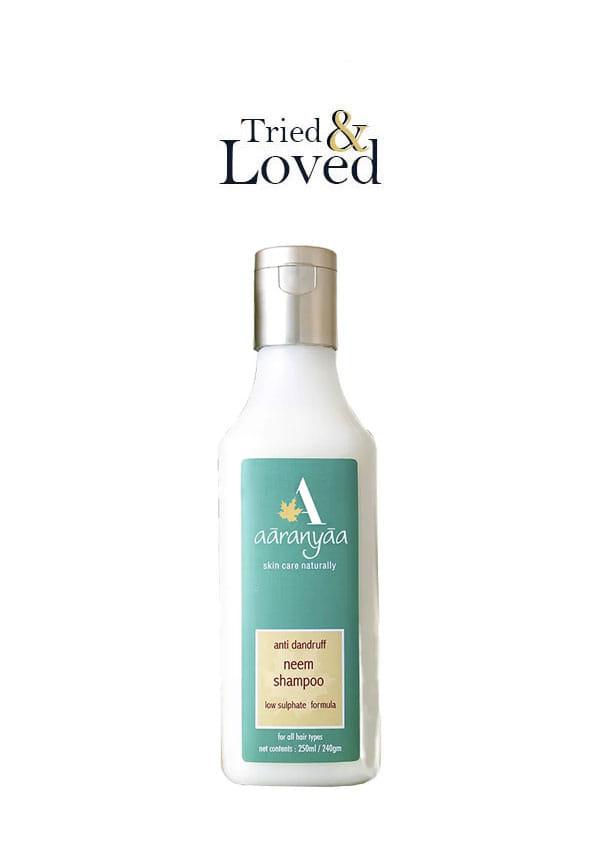
Anti-Dandruff Shampoo
Aaranyaa Shampoo Review
5“aaranyaa is one of my most favourite brands. this shampoo works wonders against dandruff. must buy.”
The most common itchy scalp causes include seborrheic dermatitis, product allergies, overwashing or underwashing, fungal overgrowth, psoriasis, stress-related inflammation, and nerve sensitivity. Environmental factors like weather changes and hormonal fluctuations can also trigger scalp itching.
Your scalp might be reacting to products, experiencing nerve-related sensitivity, or dealing with conditions like psoriasis or seborrheic dermatitis that mimic dandruff. Stress, hormonal changes, and even your pillowcase material can cause itching without visible flakes.
Yes, but use a gentle, sulfate-free shampoo and lukewarm water. Avoid hot water and aggressive scrubbing, which can worsen inflammation. If you suspect product sensitivity, switch to a basic, fragrance-free formula temporarily.
Permanent relief requires identifying and addressing the root cause. This might involve changing your haircare routine, managing underlying health conditions, reducing stress, or using long-term treatments for chronic conditions like psoriasis or seborrheic dermatitis.
Figuring out why is my scalp itchy isn't always straightforward, but understanding these seven surprising causes puts you way ahead of the game. Whether it's hidden product allergies, your washing schedule, or even nerve-related issues, the key is paying attention to patterns and being willing to experiment with different approaches. Remember, your scalp is unique, and what works for your mate might not work for you. This is where Smytten's trial approach becomes incredibly valuable - you can test different formulations and treatments without the commitment of full-size purchases. With access to over 1,500 trusted brands and the ability to try up to 8 minis for just ₹249, you can systematically work through potential solutions until you find your perfect match. The platform's 100% cashback system means you're essentially getting to trial products risk-free, which is particularly brilliant when dealing with sensitive scalp issues. After all, why settle for maybe when you can try it all and find what actually works for your specific situation? Your scalp deserves the same level of care and attention as the rest of your skincare routine - and with the right approach, that persistent itch can become a thing of the past.
