7 Shocking Hair Fall Reasons in Winter Revealed

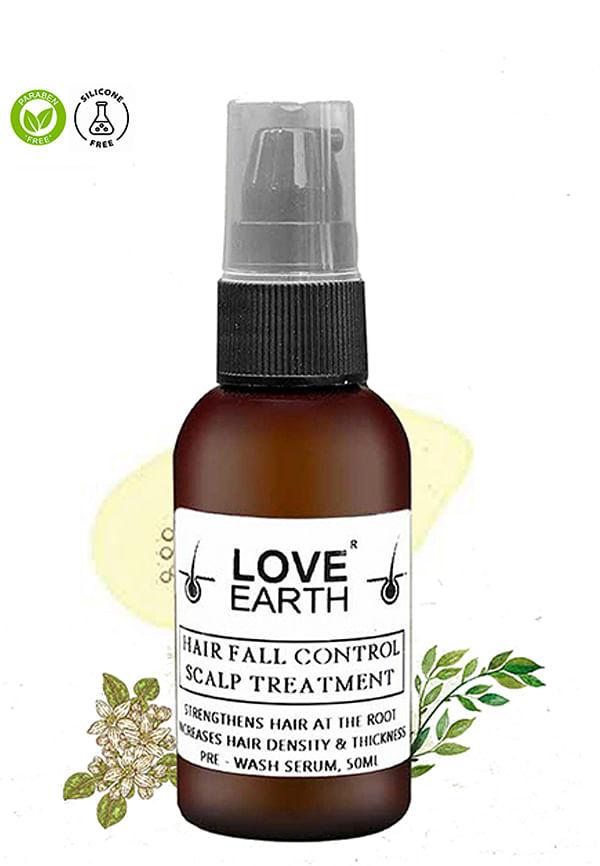
Hair Fall Control Scalp Treatment
Winter's here, and suddenly your hairbrush looks like a crime scene. If you're wondering why your hair fall reasons winter seems way more dramatic than usual, you're not alone. Seasonal hair fall affects millions, but what's really shocking is that most people blame the obvious culprits—cold air, dry weather—while missing the real villains. The truth? Winter hair loss has some seriously sneaky causes that might surprise you. From your cosy indoor heating to that extra-hot shower you're craving, winter hair problems run deeper than you think. Let's dive into seven hair fall reasons winter that'll make you rethink everything you thought you knew about cold-weather haircare.
Real talk—winter doesn't just make your skin dry and your mood a bit low. It actually messes with your hair's natural growth cycle in ways that'll blow your mind. Your hair goes through different phases, and winter can seriously disrupt the telogen phase, which is when hair naturally sheds. When temperatures drop, blood circulation to your scalp decreases, meaning fewer nutrients reach your hair follicles.
Your hair follicles are basically tiny factories, and winter is like a supply chain disruption. Reduced blood flow means less oxygen and nutrients reaching the roots. This pushes more hairs into the shedding phase earlier than they should be. It's not just about hair loss winter brings—it's about the entire growth cycle getting thrown off balance.
Here's where it gets interesting. That lovely warm air keeping you cosy? It's basically a hair moisture thief. Central heating systems strip humidity from the air, creating an environment that's harsh on both your scalp and hair strands. Your hair needs moisture to stay flexible and strong, but heated indoor air can drop humidity levels to desert-like conditions.
This one's a proper game-changer. Think about your typical winter day—you're in a heated car, then dash through freezing air into a warm office, then back out into the cold. These constant temperature swings are like putting your hair through thermal shock therapy, except it's not therapeutic at all.
When you move between extreme temperatures, your hair shaft literally expands and contracts. Imagine stretching and squeezing a rubber band repeatedly—eventually, it loses its elasticity and breaks. That's exactly what's happening to your hair. This constant expansion and contraction weakens the hair structure, leading to increased hair breakage winter after winter. The cuticles (your hair's protective outer layer) get damaged, making strands more prone to snapping.
Look out for unusual brittleness, especially around your hairline and ends. If your hair feels rough or looks dull despite using your usual products, temperature stress might be the culprit. You might also notice more short, broken pieces rather than full-length strands in your brush.
Here's something that'll shock you—your scalp can be severely dehydrated even if you're drinking plenty of water. Winter air, both indoors and outdoors, has incredibly low humidity levels. This environmental dryness literally pulls moisture from your scalp, creating a dry scalp winter situation that goes way beyond just feeling a bit tight.
Humidity levels in winter can drop to as low as 10-20%, compared to the ideal 40-60% your scalp needs to stay healthy. When your scalp becomes dehydrated, it can't produce the right amount of natural oils (sebum) to protect your hair. This creates a vicious cycle—dry scalp leads to irritation, which can cause an itchy scalp winter scenario that makes you scratch and further damage hair follicles.
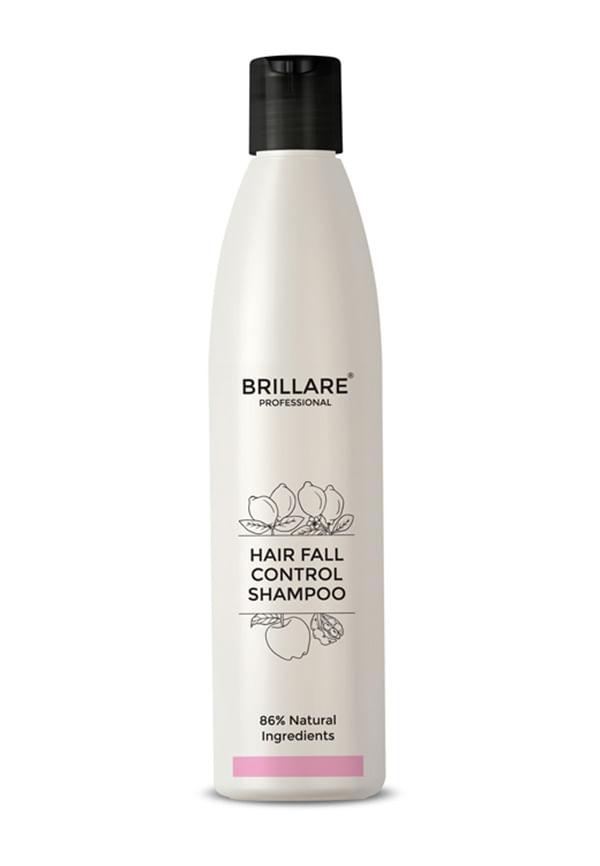
Shampoo To Reduce Seasonal Hair Fall
Helps in Hairfall Control
 5
5“it actually helps in controlling hairfall”
Brillare products are very good
4“brillare all products are very good.i like it”
Nice Product, Must Try
5“nice product everyone must try once”
A dehydrated scalp becomes inflamed and irritated, which disrupts the normal hair growth cycle. When follicles are stressed from lack of moisture, they can prematurely push hairs into the shedding phase. This isn't just surface-level dryness—it's deep dehydration that affects the very foundation where your hair grows.
This one's absolutely mind-blowing because it's so overlooked. During winter months, your sun exposure drops dramatically, and with it, your body's ability to produce vitamin D. But here's the kicker—vitamin D isn't just for bone health. It plays a crucial role in hair follicle cycling and hair growth.
Vitamin D receptors are found in hair follicles, and when levels drop, it can trigger hair thinning winter patterns that many people don't connect to sun exposure. Research shows that vitamin D deficiency can push hair follicles into a prolonged resting phase, leading to seasonal hair fall that seems to come out of nowhere.
This type of hair loss often presents as overall thinning rather than specific bald patches. You might notice your ponytail feels thinner or your parting looks wider. The timing is key—if your hair loss coincides with the darker months and improves in spring, vitamin D deficiency could be a major factor.
Your cosy winter wardrobe might be working against your hair goals. Those cute beanies, warm scarves, and snug hoods that keep you comfortable are actually creating a perfect storm for hair damage. This is one of those winter hair problems that's hiding in plain sight.
Constant friction from winter accessories can cause mechanical damage to hair strands. Wool and synthetic materials are particularly harsh, creating static and roughing up the hair cuticle. Plus, wearing tight-fitting hats reduces air circulation to your scalp, creating a warm, moist environment that can promote bacterial growth and scalp irritation. This combination leads to increased hair breakage winter after winter.
Many people pull their hair back tightly to fit under hats or to keep it neat in windy weather. This constant tension can cause traction alopecia—a type of hair loss caused by repeated pulling. The hairline and temples are particularly vulnerable to this type of damage.
Winter comfort food hits different, but your hair might not be getting the memo. Seasonal diet changes can seriously impact hair health, and most people don't realise how much their winter eating habits affect their hair growth.
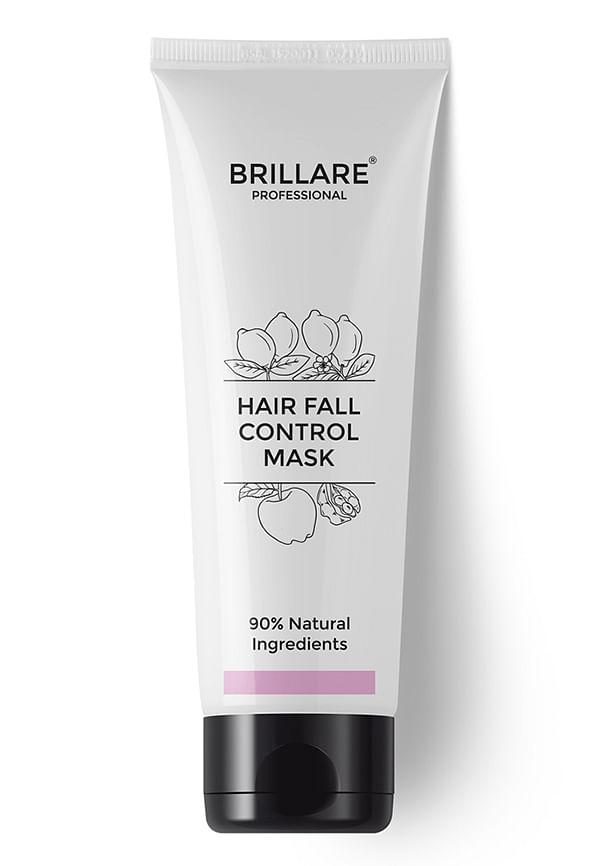
Conditioner To Reduce Seasonal Hair Fall
Good Hair Mask
5“over all good hair mask , must buy”
Great smell and conditioning
5“smells soo good and good conditioner”
Nourishing and repairs split ends
5“it's get nourishing and remove split end”
During colder months, fresh produce consumption typically drops while comfort foods rich in refined carbs and sugars increase. Your hair needs specific nutrients—protein, iron, zinc, and omega-3 fatty acids—to grow strong and healthy. When your diet shifts towards processed comfort foods, your hair follicles don't get the building blocks they need. This nutritional deficit can contribute to hair loss winter patterns that seem mysterious but are actually diet-related.
Winter also brings holiday stress, family gatherings, and end-of-year pressure. Chronic stress increases cortisol levels, which can push hair follicles into the shedding phase prematurely. Stress also affects how well your body absorbs nutrients, creating a double hit on hair health.
Here's a connection most people miss—dandruff winter flare-ups aren't just annoying, they're actually accelerating hair loss. The inflammation that causes those flaky patches also disrupts normal hair growth cycles.
Dry winter air irritates the scalp, while heated indoor environments can promote the growth of Malassezia, the fungus that contributes to dandruff. This creates the perfect conditions for dandruff winter outbreaks. The constant itching and scratching that comes with an itchy scalp winter situation can physically damage hair follicles and break existing strands.
Chronic scalp inflammation from dandruff creates an environment where hair follicles can't function properly. Inflamed follicles produce weaker hair that's more prone to breaking and falling out. This creates a cycle where scalp problems lead to more hair loss, which can cause more stress and worsen scalp conditions.
This final revelation might be the most shocking because it feels so counterintuitive. Those long, hot showers that feel amazing in winter? They're basically stripping your hair of its natural protection and making winter hair problems exponentially worse.
Hot water opens up the hair cuticle and strips away natural oils that protect your hair and scalp. In winter, when your hair is already dealing with dry air and reduced oil production, hot showers create a dry scalp winter crisis. The high temperature can also cause immediate hair breakage winter damage by making strands more brittle and prone to snapping.
When it's freezing outside, the temptation to take longer, hotter showers increases dramatically. This compounds the moisture loss your hair is already experiencing from winter air. Your scalp produces less natural oil in cold weather, so when hot water strips away what little protection you have, it leaves your hair completely vulnerable.
Now that you know the real culprits behind winter hair fall, let's talk solutions. The good news? Most of these winter hair remedies are totally doable and don't require a complete lifestyle overhaul.
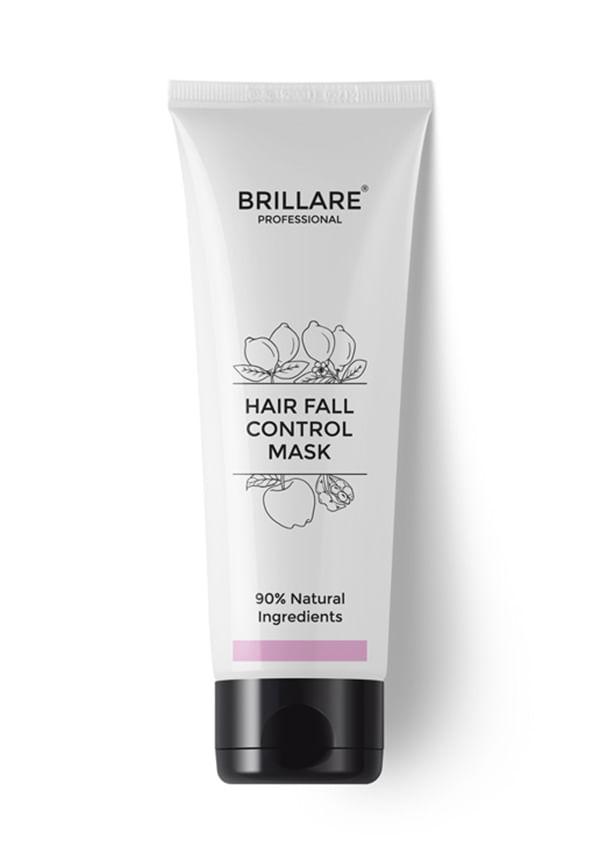
Hair Fall Control Mask To Reduce Seasonal Hair Fall
Great Hair Mask and Shampoo
5“Must buy and a very food and effective hair mask Shampoo is good too”
Start with temperature control—keep your showers warm, not hot, and limit them to 5-10 minutes. Use a silk or satin scarf under wool hats to reduce friction. Invest in a humidifier for your bedroom to combat dry indoor air. When it comes to winter hair care, gentle handling is key. Switch to a wide-tooth comb and avoid aggressive towel drying.
Consider vitamin D supplements during winter months, but check with your doctor first. Focus on hair-healthy foods like salmon, eggs, nuts, and leafy greens. Establish a consistent scalp care routine with gentle, moisturising products. This is where exploring different haircare products becomes crucial—and platforms like Smytten make it easier to discover what works for your specific winter hair problems without committing to full-size products you might not love.
Most seasonal hair fall is temporary and resolves as weather conditions improve and you address the underlying causes. However, if you notice persistent thinning or bald patches, it's worth consulting a dermatologist.
Losing 50-100 hairs daily is normal year-round, but you might notice an increase to 150-200 hairs during winter months due to seasonal factors. If you're losing significantly more, investigate the potential causes we've discussed.
Vitamin D supplements can help if deficiency is contributing to your hair loss. B vitamins, iron, and zinc may also support hair health, but it's best to get blood work done to identify specific deficiencies.
If you notice sudden, dramatic hair loss, bald patches, or if hair doesn't improve with seasonal changes, consult a healthcare provider. Persistent scalp irritation or pain also warrants professional attention.
Yes, moisturising hair masks can help combat dryness and breakage. Look for ingredients like hyaluronic acid, ceramides, and natural oils. However, consistency matters more than occasional intensive treatments.
Those shocking hair fall reasons winter brings aren't just about cold weather—they're about a perfect storm of environmental, lifestyle, and physiological factors working against your hair. From temperature fluctuations to vitamin D deficiency, winter hair problems run deeper than surface-level dryness. The key is understanding that seasonal hair fall often has multiple causes, which means the most effective approach involves addressing several factors simultaneously. Remember, discovering the right winter hair remedies often involves some trial and error. What works for your friend might not work for you, and that's where having access to trial-sized products becomes invaluable. With Smytten's curated selection of haircare minis from trusted brands, you can explore different solutions without the commitment of full-size purchases. After all, why settle for maybe when you can try it all and find what actually works for your unique winter hair care needs?
