7 Shocking Causes of Split Ends You Must Know
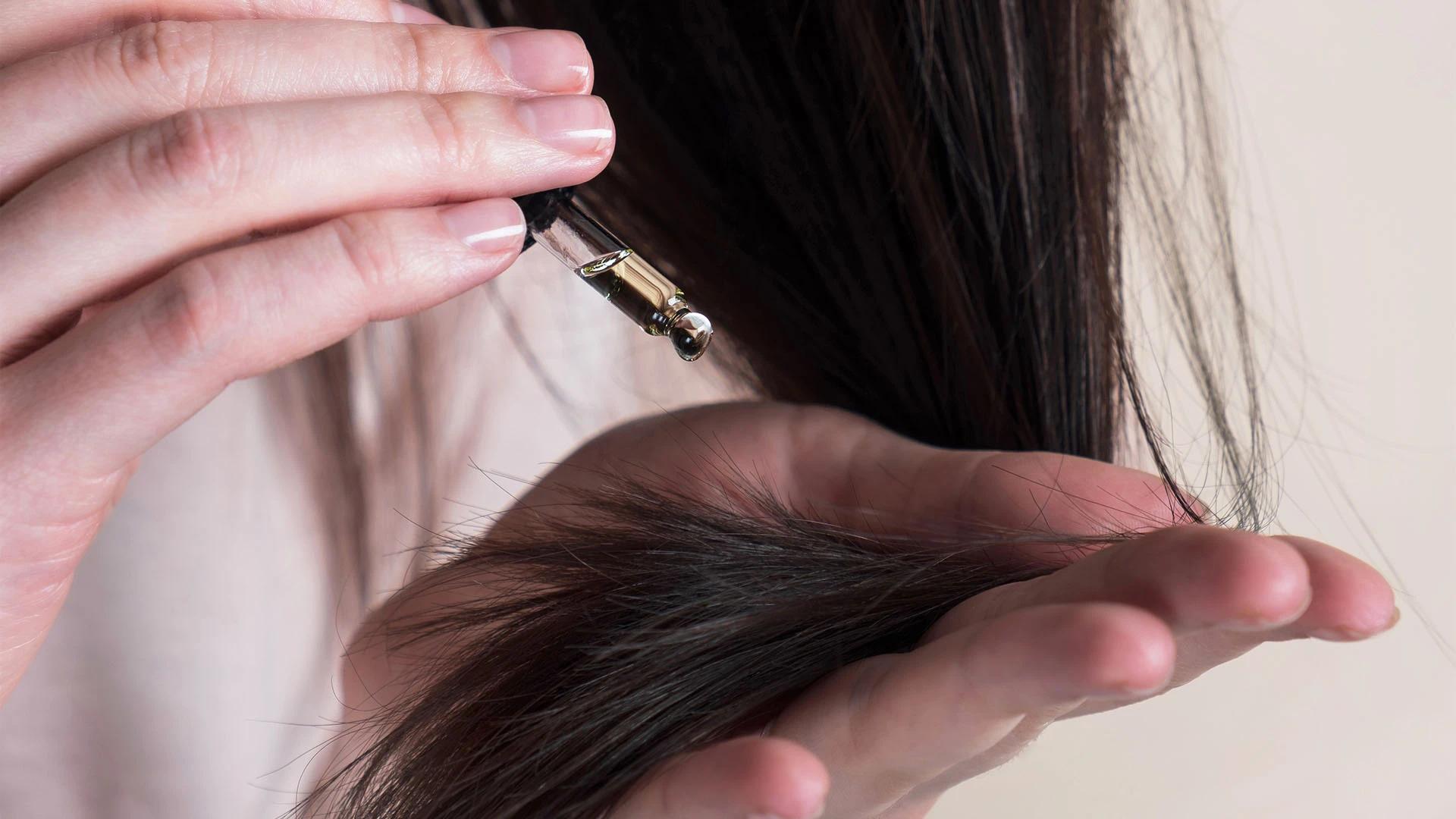

Split ends are basically your hair's way of saying "help me" – and trust us, you don't want to ignore that cry for help. Those frayed, damaged strands at the tips of your hair aren't just a cosmetic issue; they're a sign that something's gone wrong with your haircare routine. What causes split ends might surprise you, because it's not always the obvious culprits like heat styling. Sometimes the most innocent daily habits are secretly sabotaging your strands. Let's dive into the shocking truth about what's really behind those pesky split ends.
Split ends, or trichoptilosis if you want to get technical, happen when the protective outer layer of your hair (the cuticle) gets damaged and starts to peel away. Think of it like a rope that's starting to fray – once it begins, it only gets worse. Your hair shaft has three layers: the medulla (inner core), cortex (middle layer), and cuticle (outer protective layer). When the cuticle gets compromised, the inner layers become exposed and vulnerable. This leads to the classic "fork" appearance at the end of your hair strand. The thing is, split ends don't just affect the tips. They can travel up the hair shaft, causing more breakage and making your entire mane look dull and damaged. Plus, split ends make your hair tangle more easily, leading to even more damage when you try to detangle.
Real talk – some of these might genuinely surprise you. We're not just talking about the usual suspects here.
This one's probably not shocking, but the details might be. Your hair can handle temperatures up to about 180°C before serious damage kicks in, but most styling tools go way beyond that. Blow dryers can reach 200°C, whilst curling irons and straighteners often hit 230°C or higher. Here's what happens: excessive heat literally boils the water inside your hair shaft, creating tiny bubbles that weaken the structure. The cuticle lifts and cracks, leading to hair breakage and those dreaded split ends. Using heat tools daily? You're basically fast-tracking your way to damaged hair. Even "protective" sprays can only do so much when you're consistently exposing your strands to extreme temperatures.
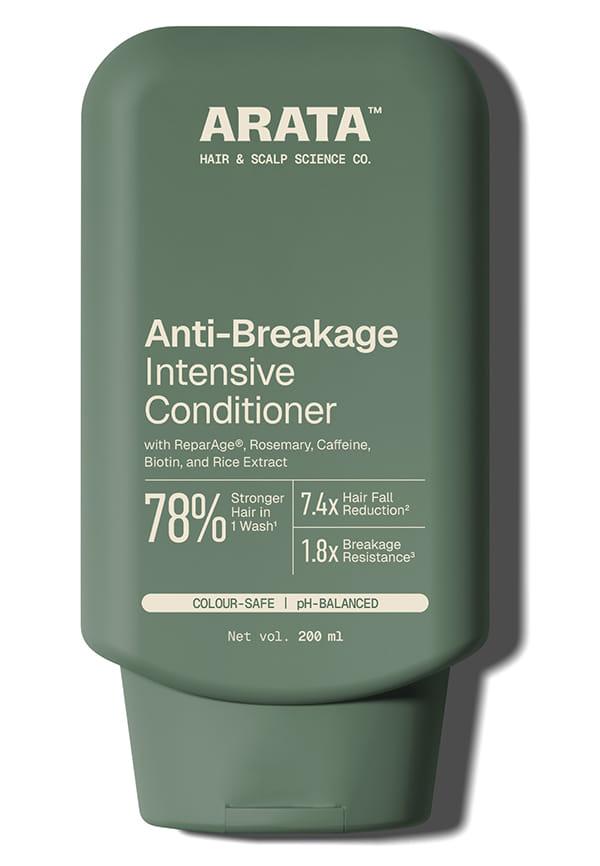
Anti-Hair Fall Conditioner for Breakage and Split-End Reduction | Powered by ReparAge®, Rice Protein, Caffeine, and Biotin | Supports Thicker & Dense
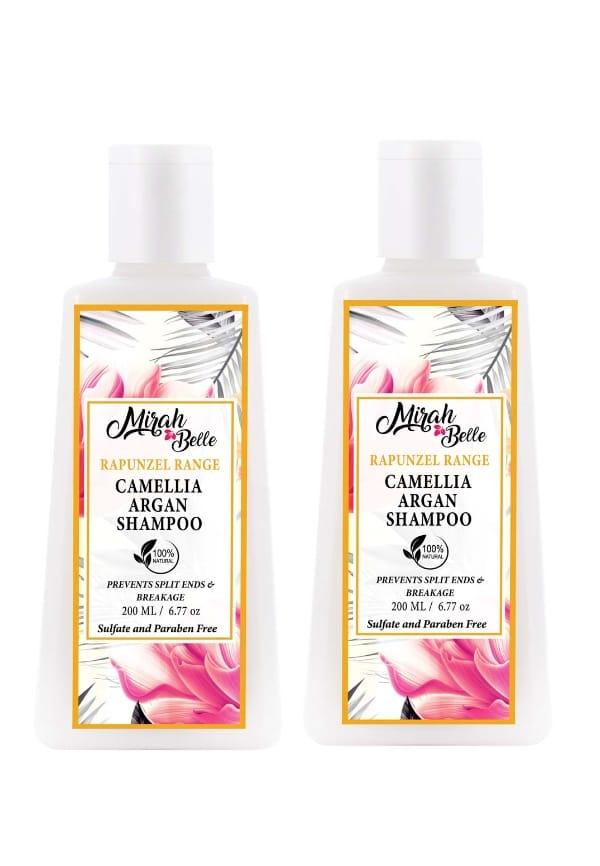
Organic & Natural - Camellia Argan Shampoo - Frizzy Hair, Breakage & Split Ends
Hair colour, bleach, perms, relaxers – they all work by breaking down your hair's natural structure. Bleaching is particularly brutal because it strips away the melanin (colour) from deep within the hair shaft, leaving it porous and weak. The ammonia in many hair dyes forces the cuticle to open so the colour can penetrate. Problem is, once that cuticle is damaged, it doesn't close properly again. This leads to dry hair that's prone to splitting. Layering multiple chemical treatments? That's a recipe for disaster. Each process compounds the damage, making your hair increasingly fragile.
This is where it gets shocking – some of your most innocent daily habits are secretly destroying your hair. Brushing wet hair is a massive no-no because wet strands are up to 50% weaker than dry ones. Tight ponytails, buns, and braids create constant tension that weakens the hair shaft over time. The pulling action can cause the cuticle to lift and eventually split. Even how you dry your hair matters. Roughly towel-drying creates friction that roughs up the cuticle, leading to frizzy hair and eventual splitting. Those fluffy towels you love? They're basically sandpaper for your strands.
Your hair faces a daily assault from environmental factors you probably don't even think about. UV rays don't just damage your skin – they break down the protein structure in your hair, making it brittle and prone to splitting. Wind creates tangles that lead to breakage when you try to detangle. Air pollution deposits particles on your hair that can cause oxidative stress. Even hard water with high mineral content can build up on your strands, making them rough and damaged. Seasonal changes matter too. Winter's dry air sucks moisture from your hair, whilst summer's humidity can cause the cuticle to swell and lift.
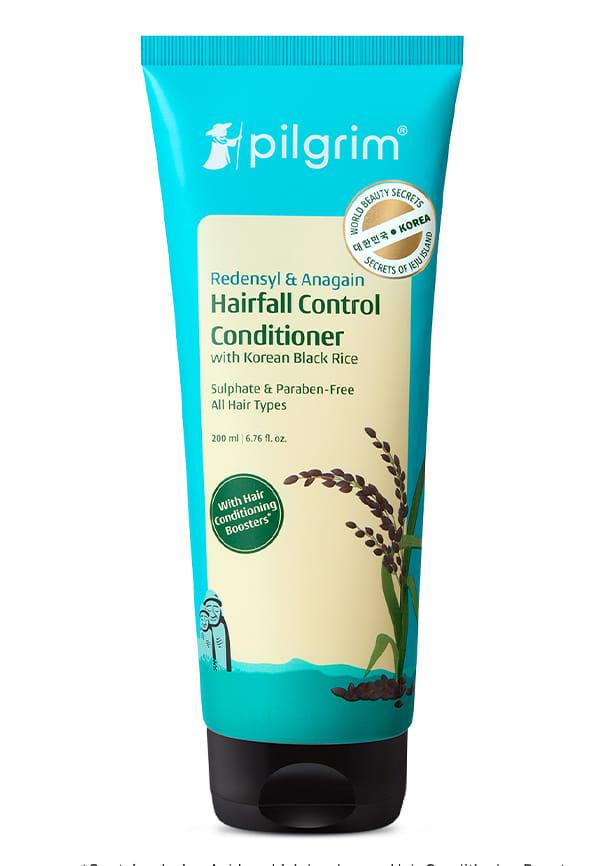
Redensyl & Anagain Conditioner Prevents Hair Breakage|Increases Hair Thickness
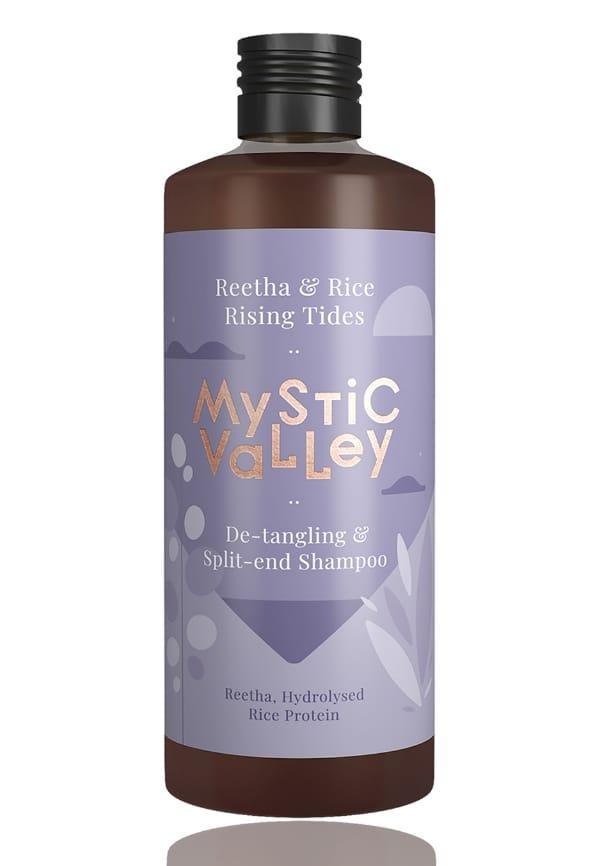
Reetha & Rice Protein Split End Repair & Detangling Shampoo
Here's something most people don't realise: what you eat directly affects your hair health. Your hair is essentially dead protein, but it's grown from living follicles that need proper nutrition. Protein deficiency is obvious – your hair is made of keratin, which is a protein. But biotin, iron, zinc, and omega-3 fatty acids are equally crucial. Without these nutrients, your hair grows weak and brittle from the root. Dehydration also plays a role. When you're not drinking enough water, your hair becomes dry and prone to breakage. Think of it like a plant – without proper hydration, it withers.
Sulfates in shampoos strip away natural oils, leaving your hair dry and vulnerable. Over-washing compounds this problem by constantly removing the protective sebum your scalp produces. Using products with incompatible pH levels can also cause issues. Your hair's natural pH is slightly acidic (around 4.5-5.5), and products that are too alkaline can cause the cuticle to swell and lift. Even well-meaning habits like daily washing can lead to hair damage. Most hair types only need washing 2-3 times per week to maintain optimal health.
Some people are just more prone to split ends due to their natural hair structure. Fine hair has a smaller diameter, making it more fragile. Curly and coily hair types are naturally drier because the oils from the scalp can't travel down the curved hair shaft as easily. Hair porosity – how easily your hair absorbs and releases moisture – is largely genetic. High porosity hair is more prone to damage because the cuticle is naturally more open. As you age, your hair also becomes more susceptible to damage. The sebaceous glands produce less oil, and the hair shaft itself becomes thinner and more fragile.
Prevention is always better than cure when it comes to hair damage prevention. The key is being gentle with your strands and protecting them from the causes we've just discussed. Start with heat protection. If you must use styling tools, always apply a heat protectant and keep temperatures below 180°C. Better yet, embrace air-drying and heat-free styling methods whenever possible. Be gentle when handling wet hair. Use a wide-tooth comb and start detangling from the ends, working your way up. Pat your hair dry with a microfibre towel instead of rubbing vigorously. Choose hair-friendly accessories like silk scrunchies instead of elastic bands. Sleep on a silk or satin pillowcase to reduce friction whilst you sleep.
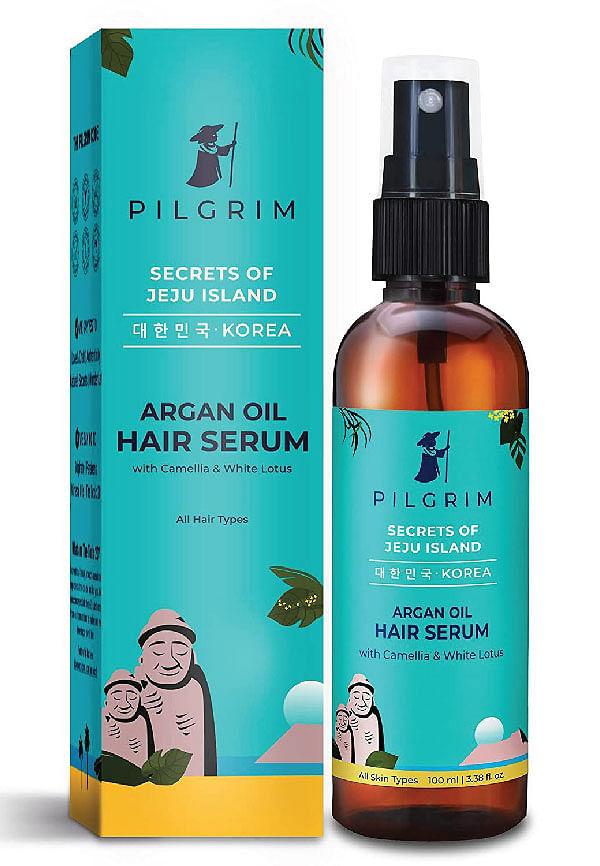
Anti-Frizz Smoothing Hair Serum Spray With Argan Oil
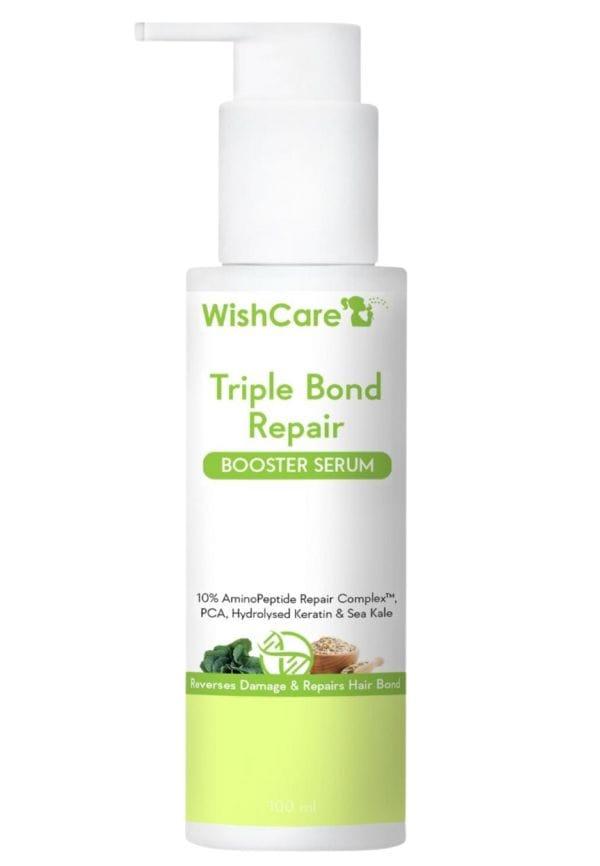
Triple Bond Repair Booster Hair Serum
Let's be honest – once you have split ends, the only real solution is to cut them off. There's no magic product that can permanently "repair" a split end, despite what some marketing claims might suggest. Regular trims every 6-8 weeks are essential for maintaining healthy hair. This prevents splits from travelling up the hair shaft and causing more damage. Deep conditioning treatments can temporarily smooth the cuticle and make splits less visible, but they won't actually heal the damage. Look for treatments with proteins to strengthen the hair shaft and moisturising ingredients to improve flexibility. Professional treatments like Olaplex can help rebuild broken bonds within the hair structure, making it stronger and less prone to future damage.
Creating a routine focused on damaged hair repair and prevention is your best bet for long-term hair health. This means being consistent with gentle handling, proper nutrition, and protective measures. Morning routine should include gentle detangling and heat protection if you're styling. Evening routine might include a nourishing hair oil or leave-in treatment. Weekly deep conditioning treatments are crucial, especially if you have chemically treated or naturally dry hair. Monthly protein treatments can help strengthen damaged strands. With platforms like Smytten, you can try different haircare products without committing to full-size purchases. This is particularly helpful when you're trying to find the right products for your specific hair needs and damage concerns.
The best approach combines regular trims every 6-8 weeks with protective styling, gentle handling, and proper nutrition. Avoid excessive heat styling and chemical treatments.
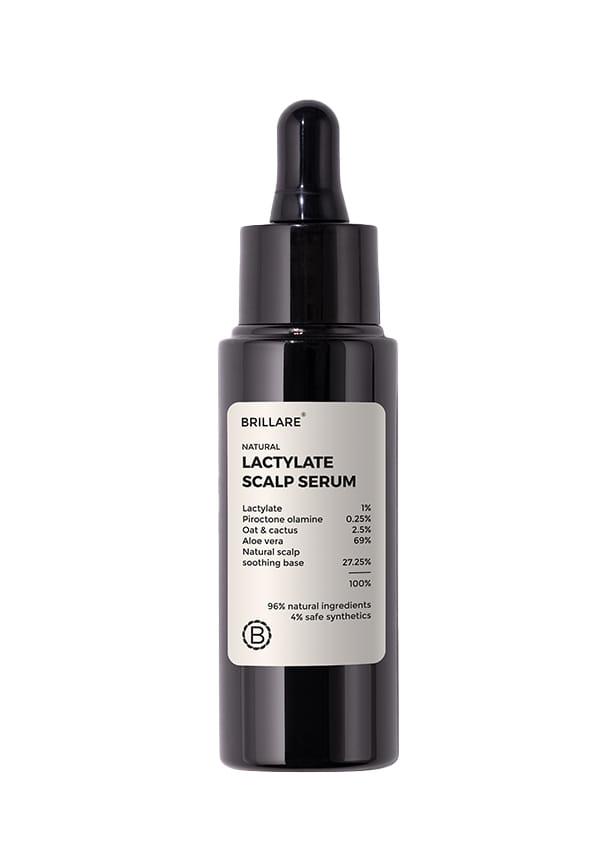
Lactylate & Piroctone Olamine Scalp Serum
No, split ends don't heal on their own. Once the hair shaft is damaged and split, the only way to remove the damage is to cut it off. Splits will actually worsen over time if left untreated.
The only permanent removal is cutting them off. You can prevent new ones by following proper hair care tips and being gentle with your strands.
Split ends are definitely a sign of damage, but they don't necessarily mean your overall hair health is poor. They're often just the result of normal wear and tear, especially on longer hair.
Understanding what causes split ends is the first step towards healthier hair. From heat damage to nutritional deficiencies, the causes are more varied than most people realise. The good news? Most of these causes are completely preventable with the right knowledge and habits. Remember, consistency is key when it comes to hair health. Small daily changes in how you handle and care for your hair can make a massive difference over time. Whether it's switching to a silk pillowcase or being more mindful about heat styling, every little bit helps. Smytten's trial packs make it easier to experiment with different haircare products and find what works best for your specific needs. With over 1,500 trusted brands available, you can discover effective treatments for split end prevention and damaged hair repair without the commitment of full-size purchases. After all, why settle for damaged hair when you can try different solutions and find your perfect match?
