7 Shocking Causes of Hair Thinning Revealed


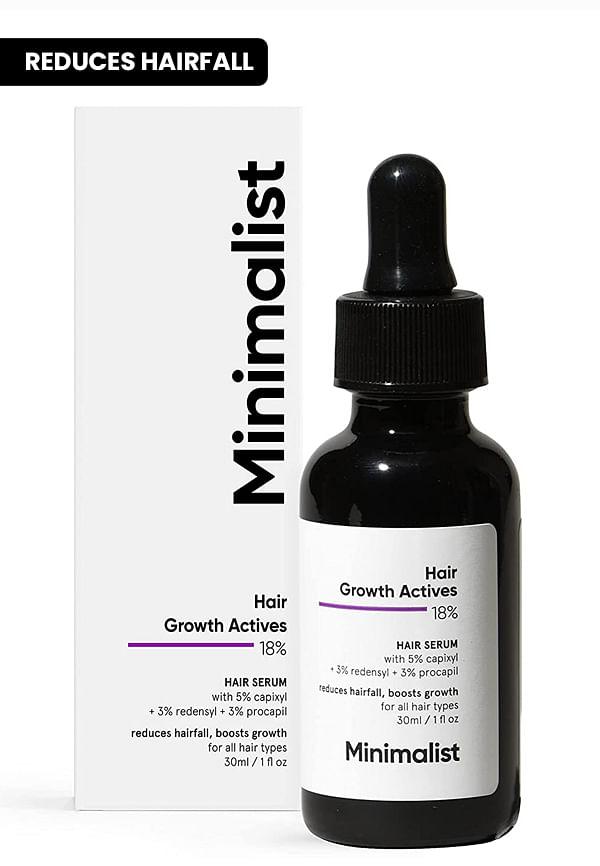
Hair Growth Actives 18% Hair Growth Serum
Effective for hair growth
 5
5“hair growth in consistent use,”
Light and Non-Greasy Feel
4“non sticky, feels like water... no greasiness”
Light and Non-Greasy Feel
4“non sticky, feels like water... no greasiness”
Let's be real—watching your hair thin out can feel like watching your confidence disappear strand by strand. You've probably tried every shampoo promising thicker hair, but what if the real causes of hair thinning are hiding in plain sight? From sneaky vitamin deficiencies to hormonal chaos you didn't even know existed, some of the most common reasons for hair loss might shock you. Understanding these hidden culprits is your first step toward getting your hair game back on track.
Hair thinning isn't just about losing a few strands in the shower—it's when your hair gradually becomes finer, less dense, and loses its natural volume. Unlike sudden hair loss, thinning happens slowly, making it easy to miss until it's already noticeable. Normal hair shedding means losing 50-100 hairs daily, but when you're dealing with thinning, you're losing more than your scalp can replace. The hair thinning symptoms to watch for include a wider parting line, more visible scalp, less ponytail thickness, and hair that feels finer to touch. Your hairline might start receding, or you might notice patchy areas where hair seems sparse. These changes don't happen overnight, which is why many people don't realise they're experiencing hair loss until it's progressed significantly.
These aren't your typical "stress and genetics" explanations. We're diving into the surprising triggers that most people never consider when dealing with thinning hair.
Your hair follicles are basically tiny factories that need specific nutrients to function properly. When you're deficient in key vitamins, these factories start shutting down. Iron deficiency is the biggest culprit, especially for women—your hair follicles need iron to produce healthy strands, and without it, they go into survival mode. Vitamin D deficiency is another silent hair killer. Your scalp has vitamin D receptors that help regulate hair growth cycles, and when levels drop, your hair can enter a resting phase prematurely. B-vitamins, particularly B12 and biotin, are essential for hair protein synthesis. Zinc and selenium deficiencies can also trigger hair loss by disrupting the hair growth cycle.
Hormones control everything about your hair, from growth speed to thickness. DHT (dihydrotestosterone) is the main villain behind male pattern baldness, but it affects women too. This hormone shrinks hair follicles, making them produce thinner, shorter hairs until they eventually stop producing hair altogether. For women, oestrogen fluctuations during menopause, pregnancy, or due to PCOS can trigger significant hair loss. Thyroid disorders are massive hair loss causes that often go undiagnosed—both overactive and underactive thyroid can disrupt your hair growth cycle. Even insulin resistance can contribute to hair thinning by affecting hormone balance.
Stress doesn't just make you feel rubbish—it literally attacks your hair follicles. Chronic stress floods your system with cortisol, which can push hair follicles into a resting phase called telogen effluvium. This means your hair stops growing and starts falling out about three months after the stressful event. Physical stress from illness, surgery, or extreme dieting can trigger the same response. Sleep deprivation compounds the problem by disrupting the hormones that regulate hair growth. Your hair follicles do most of their repair work while you sleep, so chronic sleep loss can seriously impact hair health.
Some medications that help your health can hurt your hair. Blood thinners like warfarin can cause hair loss by affecting nutrient delivery to follicles. Beta-blockers, commonly prescribed for heart conditions, can trigger hair thinning in some people. Antidepressants and mood stabilisers might help your mental health but can disrupt hair growth cycles. Birth control pills and hormone replacement therapy can cause hair loss, especially when starting or stopping them. Even some acne medications and high doses of vitamin A supplements can trigger hair thinning. Chemotherapy is the most well-known medication cause, but many people don't realise that some treatments can cause permanent changes to hair texture and growth.
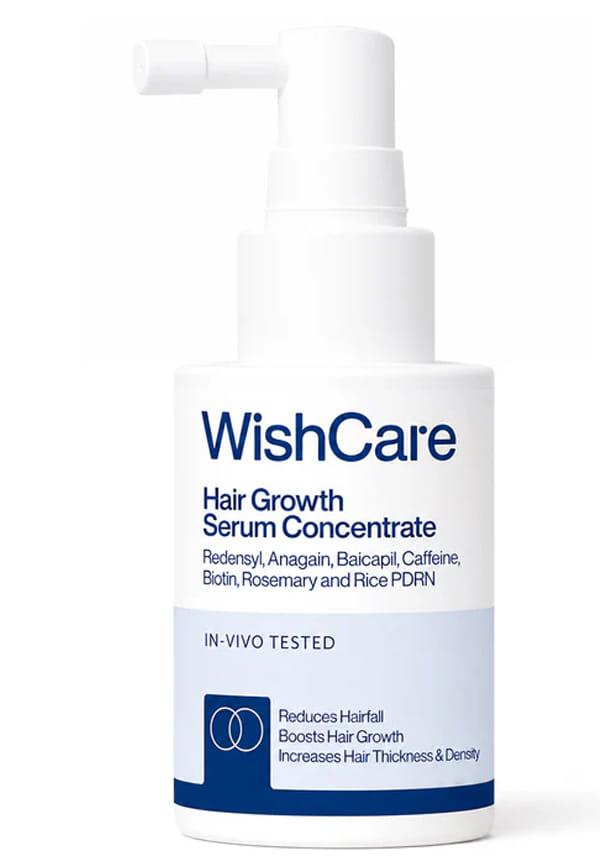
Hair Growth Serum Concentrate
Good for Hair Growth
5“good for hair growth recommend for hairfall”
Lightweight & Fast Absorbing
5“it is very lightweight and fast absorbing. it does not even leave the scalp sticky or heavy. can be added as a night time routine.”
Nice and Durable Bottle
5“very nice bottle. looks like it'll last 6months”
Sometimes your immune system gets confused and starts attacking your own hair follicles. Alopecia areata causes patchy hair loss when immune cells target follicles, creating round bald spots that can appear anywhere on your scalp. Lupus can cause diffuse hair thinning along with other symptoms like joint pain and skin rashes. Hashimoto's thyroiditis, an autoimmune thyroid condition, is a common but often undiagnosed cause of hair loss. Inflammatory scalp conditions like seborrhoeic dermatitis or psoriasis can also contribute to hair thinning by creating an unhealthy scalp environment.
Your environment might be sabotaging your hair without you realising it. Heavy metal exposure from contaminated water, certain fish, or occupational hazards can accumulate in your system and disrupt hair growth. Mercury and lead are particularly problematic for hair health. Harsh chemical treatments like frequent colouring, perming, or relaxing can damage hair follicles over time. Excessive heat styling creates inflammation that can lead to permanent follicle damage. Poor scalp health from product buildup, infrequent washing, or using harsh shampoos can create an environment where hair can't thrive.
Genetics isn't just about what your parents passed down—it's about how your genes respond to your environment. Androgenetic alopecia affects both men and women, but the patterns differ. Men typically see receding hairlines and crown thinning, while women experience diffuse thinning across the top of their heads. Epigenetic factors mean you can influence how your genes express themselves through lifestyle choices. Even if you have a genetic predisposition to hair loss, factors like diet, stress management, and haircare for thinning hair can impact when and how severely it occurs.
Understanding the differences between female hair loss and male pattern baldness helps you identify the right treatment approach. Women and men experience hair thinning differently due to hormonal variations and genetic factors.
Women's hair loss often relates to hormonal fluctuations throughout life stages. Pregnancy can trigger temporary hair loss due to changing hormone levels, while menopause brings declining oestrogen that can lead to permanent thinning. Iron deficiency is more common in women due to menstruation, making it a frequent cause of hair loss. Autoimmune conditions affect women more frequently than men, making conditions like alopecia areata and thyroid disorders more likely culprits. Women also tend to experience diffuse thinning across the entire scalp rather than specific patterns, making early detection more challenging.
Men typically deal with DHT sensitivity as the primary driver of hair loss. Male pattern baldness usually starts earlier, often in the twenties or thirties, and follows predictable patterns of receding hairlines and crown thinning. Genetic predisposition plays a stronger role in male hair loss, with patterns often mirroring those of fathers or grandfathers. Lifestyle factors like stress and poor diet can accelerate genetic hair loss in men. However, men often respond better to DHT-blocking treatments, making early intervention particularly effective.

Hair Fall Control & Hair Growth Kit
Once you've identified the potential causes behind your hair thinning, it's time to explore treatment options that actually work. The key is matching the right thinning hair treatment to your specific situation.
Minoxidil is the gold standard for hair regrowth, working by increasing blood flow to hair follicles and extending the growth phase. It's available over-the-counter and works for both men and women, though results take 3-6 months to become visible. Finasteride blocks DHT production and is particularly effective for male pattern baldness, though it requires a prescription. Ketoconazole shampoo helps maintain scalp health by reducing inflammation and fungal growth that can contribute to hair loss. Professional scalp treatments like corticosteroid injections can help with autoimmune-related hair loss, while addressing underlying conditions like thyroid disorders often resolves associated hair thinning.
Scalp massage increases circulation and can help stimulate dormant follicles. Essential oils like rosemary and peppermint have shown promise in studies for promoting hair growth when used consistently. Dietary modifications focusing on protein, iron, and vitamins can address nutritional deficiencies contributing to hair loss. Stress management through meditation, exercise, or therapy can help reduce cortisol levels that damage hair follicles. Quality sleep is crucial for hair repair and growth, making sleep hygiene an important part of any hair restoration plan.
PRP (Platelet-Rich Plasma) therapy uses your own blood platelets to stimulate hair growth and is showing promising results for various types of hair loss. Hair transplant procedures have become more sophisticated, offering natural-looking results for advanced hair loss. Low-level laser therapy can stimulate cellular activity in hair follicles, while microneedling creates micro-injuries that promote healing and growth factor release.
Prevention is always better than treatment when it comes to hair loss. These strategies can help you prevent hair thinning before it becomes a major concern.
Gentle cleansing with sulphate-free shampoos helps maintain scalp health without stripping natural oils. Avoid tight hairstyles that pull on hair follicles, as constant tension can lead to traction alopecia. When styling, use heat protectants and keep temperatures moderate to prevent damage that can weaken hair over time. Choose products specifically formulated for fine or thinning hair, as these typically contain volumising ingredients without heavy oils that can weigh hair down. Regular trims help maintain hair health and prevent breakage that can make thinning more noticeable.
Your scalp is the foundation for healthy hair growth, so keeping it in optimal condition is crucial. Regular but gentle exfoliation removes dead skin cells and product buildup that can clog follicles. Maintaining proper pH balance through appropriate products helps create an environment where hair can thrive. Identifying and treating scalp conditions like dandruff, seborrhoeic dermatitis, or psoriasis prevents inflammation that can contribute to hair loss. Professional scalp analysis can help identify issues you might not notice and provide personalised recommendations for improvement.

Growth Power Pack | 3 Step Growth Solution
Nice Product, Clear Results
4“Product is nice, Now after use I can see clear results”
Good for Hair Growth
5“good gor hair growth it controls hair growth and helps to grow new hairs faster”
Nice kit, removes dandruff
5“nice kit for hair and remove dendruff”
Your hair follicles need specific nutrients to produce strong, healthy strands. Protein is essential since hair is primarily made of keratin, a protein structure. Iron, zinc, vitamins D and B-complex, and omega-3 fatty acids all play crucial roles in hair health. An anti-inflammatory diet rich in fruits, vegetables, lean proteins, and healthy fats can help reduce systemic inflammation that contributes to hair loss. Proper hydration is often overlooked but essential for nutrient transport to hair follicles and overall scalp health. This is where platforms like Smytten become invaluable for anyone dealing with hair concerns. As India's largest product discovery platform, Smytten connects you with over 1,500 trusted brands offering haircare solutions. Instead of committing to full-size products that might not work for your specific hair type, you can try curated trial packs from brands like Cetaphil, Dot & Key, and Bella Vita. With up to 8 minis for just ₹249 and 100% cashback redeemable for future purchases, you can experiment with different haircare for thinning hair products without the financial risk.
The most common cause is androgenetic alopecia (hereditary hair loss), but hormonal changes, nutritional deficiencies, stress, and medical conditions are also frequent culprits. The key is identifying your specific triggers through proper evaluation.
Start by identifying the underlying cause through professional consultation. Focus on gentle haircare practices, maintain a nutrient-rich diet, manage stress levels, and consider proven treatments like minoxidil when appropriate. Consistency is crucial for any treatment approach.
Yes, depending on the cause. Temporary hair loss from stress, nutrition, or medical conditions often reverses with proper treatment. Genetic hair loss can be slowed and sometimes partially reversed with appropriate interventions, but early action typically yields better results.
Consult a healthcare provider if you notice sudden hair loss, patchy bald spots, unusual patterns, or if thinning significantly affects your confidence. Early intervention often leads to better outcomes, so don't wait until the problem becomes severe.
Watch for a wider parting line, more visible scalp, reduced ponytail thickness, finer hair texture, and increased hair in your brush or shower drain. Taking progress photos can help you track changes that might be gradual and hard to notice day-to-day.
Hair thinning rarely has just one cause—it's usually a combination of factors working together to disrupt your hair growth cycle. From hidden vitamin deficiencies to autoimmune conditions you didn't know you had, understanding these reasons for hair thinning empowers you to take targeted action. The good news? Many causes are treatable when caught early. Whether you're dealing with hormonal changes, stress-related hair loss, or genetic predisposition, the right combination of treatments can help restore your hair's health and your confidence. Remember that hair regrowth takes time—typically 3-6 months to see initial results and up to a year for significant improvement. With Smytten's extensive range of haircare trial options, you can explore different treatment approaches without the commitment of full-size purchases. From scalp treatments to volumising shampoos, finding your perfect hair routine becomes an affordable journey of discovery rather than an expensive guessing game. After all, why settle for thinning hair when you can try it all and find what actually works for you?
