7 Proven Ways to Stop Itchy Scalp Fast
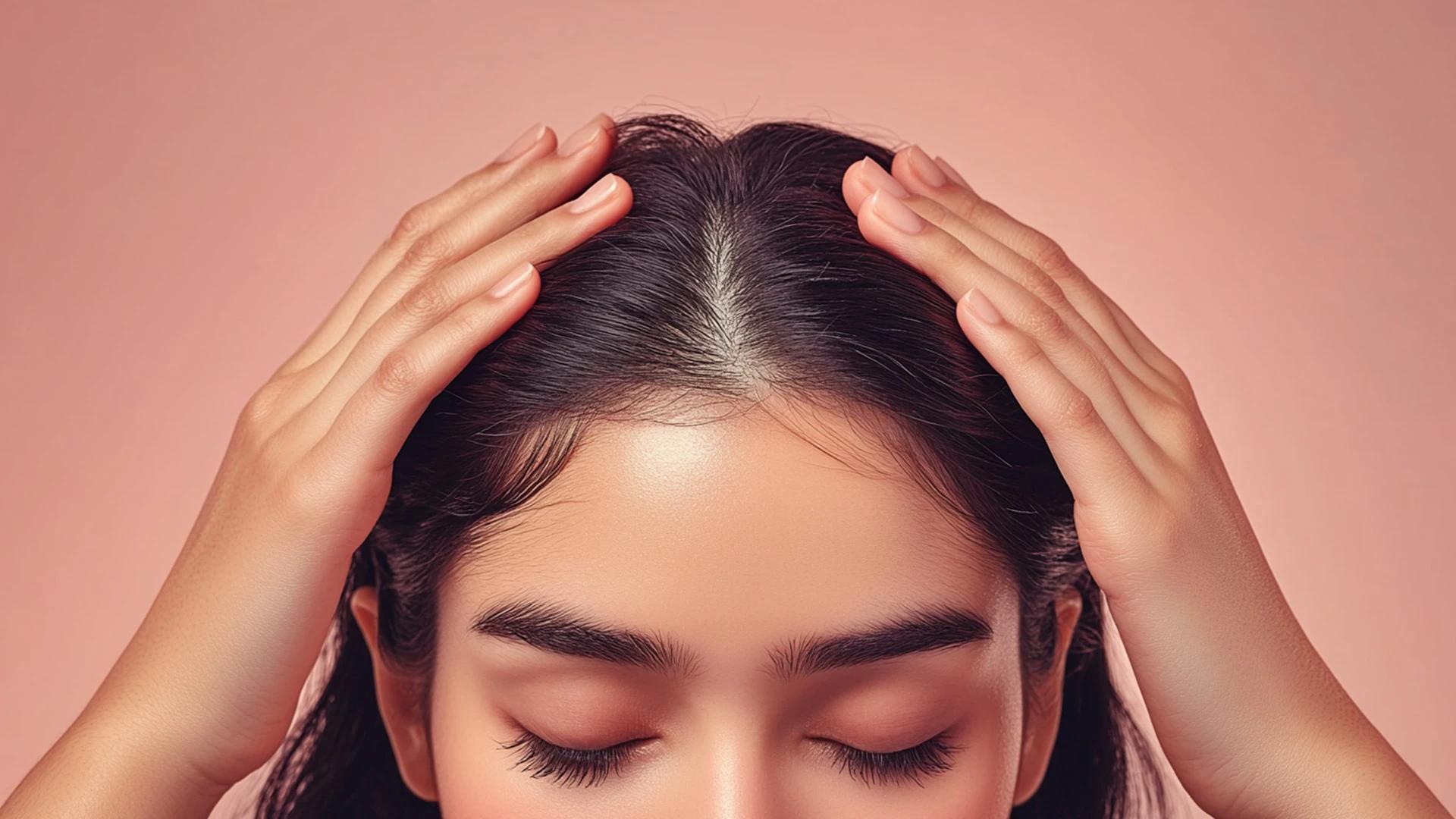

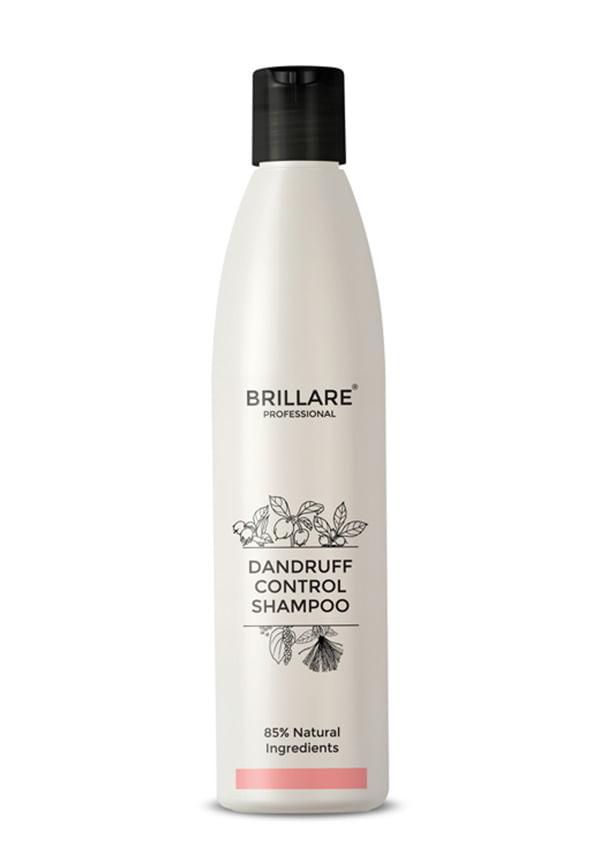
Dandruff Control Shampoo For Itchy, Flaky Scalp
Nourishing & Dandruff-Fighting Shampoo
 5
5“This shampoo deeply nourishes the scalp and strengthens the hair from roots to tips. and removes all dandruff within 2..4 wash”
Love this product, order every time
5“love this product i ordered it every time”
Quick Results, Gentle & Amazing Quality
5“you will see results quickly rather than anything, very gentle small quantity enough , quality amazing”
That constant urge to scratch your scalp can turn any good day into a frustrating one. Whether it's happening during an important meeting or keeping you awake at night, an itchy scalp is more than just annoying—it's genuinely disruptive. The good news? You don't have to suffer through it. From medicated shampoos to natural remedies that you probably already have at home, there are proven ways to get fast relief. Let's dive into seven methods that actually work, plus some insider tips on what might be causing all that irritation in the first place.
Before we jump into solutions, let's talk about what's actually happening up there. Understanding itchy scalp causes can help you pick the right treatment and prevent future flare-ups.
The most common culprit is dandruff, which happens when a naturally occurring fungus called malassezia decides to throw a party on your scalp. This fungus feeds on the oils your scalp produces, and when it gets out of hand, it causes irritation and those telltale white flakes. But dandruff isn't the only troublemaker.
Sometimes your scalp is just plain thirsty. Dry scalp treatment becomes necessary when your skin lacks moisture, leading to tightness and itching. On the flip side, an overly oily scalp can also cause problems when excess sebum clogs hair follicles.
That styling gel you love or the dry shampoo you can't live without might be building up on your scalp over time. Add harsh chemicals like sulfates and alcohol-based products to the mix, and you've got a recipe for scalp irritation relief needs.
Weather changes, pollution, stress, and even certain medical conditions like seborrheic dermatitis or psoriasis can trigger scalp inflammation. Sometimes it's a combination of factors working together to make your life miserable.
Right, let's get to the good stuff. These methods have been tried, tested, and proven to work for different types of scalp issues. The key is finding what works best for your specific situation.
When you need serious dandruff control, medicated shampoos are your best friend. These aren't your regular cleansers—they contain active ingredients specifically designed to tackle fungal overgrowth and reduce inflammation.
Zinc pyrithione is brilliant for controlling the malassezia fungus whilst being gentle enough for regular use. Look for shampoos with 1-2% concentration. Selenium sulfide works well for more stubborn cases, though it can be a bit drying, so use it 2-3 times a week max.
For persistent fungal issues, ketoconazole is the heavy hitter. It's antifungal and anti-inflammatory, making it perfect for severe cases. Salicylic acid helps remove built-up scales and dead skin, which is especially helpful if you're dealing with thick, flaky patches.
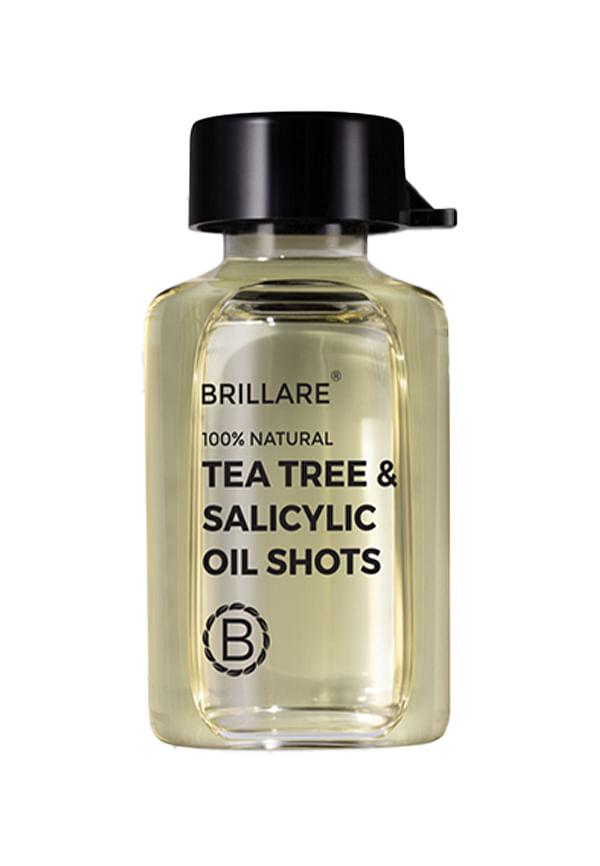
Tea Tree & Salicylic Oil Shots For Dry, Itchy Scalp to Fights Dandruff
Excellent Product Quality
5“nice product awesome quality 👍🏻😁”
Effective Brand
4“love this brand it's effective”
Amazing Product, Will Buy Full Size
5“amazing product going to buy full size”
The trick with medicated shampoos is to let them sit on your scalp for 3-5 minutes before rinsing. This gives the active ingredients time to work their magic.
Sometimes the gentlest approach works best. Natural remedies for itchy scalp can be incredibly effective, especially for dry or sensitive scalps that react poorly to harsh chemicals.
Tea tree oil is a superstar here. Its antifungal and antibacterial properties make it excellent for treating dandruff-related itching. Mix 2-3 drops with a carrier oil like coconut or jojoba, and massage into your scalp 15 minutes before washing.
Coconut oil provides deep moisture and has natural antimicrobial properties. Warm it slightly, apply to your scalp, and leave for 10-15 minutes. It's particularly good for dry scalp treatment.
Olive oil is incredibly gentle and perfect for sensitive scalp solutions. It softens scales and provides moisture without being too heavy or greasy.
This might sound a bit mad, but apple cider vinegar is brilliant for restoring your scalp's natural pH balance. When your scalp's pH is off, it creates an environment where bacteria and fungi can thrive.
Mix equal parts water and apple cider vinegar, apply to your scalp after shampooing, leave for 2-3 minutes, then rinse thoroughly. The acetic acid helps soothe itchy scalp whilst removing product buildup and dead skin cells.
Start with a more diluted mixture if you have sensitive skin—you can always increase the concentration as your scalp gets used to it.
When you need immediate relief from scalp inflammation, fresh aloe vera gel is like a cool drink of water for your irritated scalp. It contains compounds that reduce inflammation and provide instant cooling relief.
Apply fresh gel directly to your scalp, focusing on the most irritated areas. Leave it on for 10-15 minutes before rinsing with cool water. The cooling sensation provides immediate comfort whilst the anti-inflammatory properties get to work on the underlying irritation.
Oatmeal isn't just for breakfast—it's one of the most effective itchy scalp remedies you can make at home. Colloidal oatmeal contains compounds called avenanthramides that have anti-inflammatory and anti-itch properties.
Grind plain oats into a fine powder, mix with enough water to form a paste, and apply to your damp scalp. Gently massage in circular motions to exfoliate dead skin, then leave for 10 minutes before rinsing thoroughly.
Conditioner For Itchy, Flaky Scalp
Good product, highly recommended
5“This product is very good highly recommend.”
Wonderful Product
5“nice product. result wonderful along with shampoo”
Effective Dandruff Treatment
4“removes dandruff and itchyness from hair”
This gentle exfoliation helps remove buildup without being too harsh on sensitive skin.
Sometimes the solution is simpler than you think. Your washing routine might be part of the problem. These scalp care tips can make a massive difference:
Use lukewarm water instead of hot. Hot water strips your scalp of natural oils, leading to dryness and irritation. Lukewarm water cleanses effectively without being too harsh.
Adjust your washing frequency based on your scalp type. Oily scalps might need daily washing, whilst dry scalps do better with 2-3 times per week. When you do wash, focus the shampoo on your scalp, not your hair lengths.
Massage gently with your fingertips, not your nails. This stimulates circulation without causing micro-tears in your scalp. Always rinse thoroughly—leftover product is a major cause of irritation.
Your product cabinet might be working against you. Many common haircare ingredients can trigger scalp irritation relief needs, especially if you have sensitive skin.
Sulfates, parabens, and high concentrations of alcohol are common culprits. They can strip your scalp's natural protective barrier, leading to dryness and irritation. Switch to gentler, sulfate-free formulations designed for sensitive scalps.
Use a clarifying shampoo once a week to remove product buildup. This deep-cleansing step helps reset your scalp and prevents the accumulation of styling products, oils, and environmental pollutants.
Consider having product-free days where you just rinse with water. This gives your scalp a chance to rebalance naturally.
Sometimes you need to try multiple approaches to find what works for your specific scalp situation. That's where having access to different products becomes really valuable. With so many brands offering specialised scalp treatments, from medicated shampoos to gentle natural formulations, finding your perfect match often involves some trial and error.
Smytten makes this exploration process much easier and more affordable. As India's largest product discovery platform, it connects you with over 1,500 trusted brands including specialised haircare options. You can try mini-sized versions of different scalp treatments—from gentle natural oils to medicated shampoos—for just ₹249 for up to 8 minis. This way, you can test what works for your scalp without committing to full-size products that might not suit you.
Once you've got your itchy scalp under control, these scalp care tips will help keep it that way. Prevention is always easier than treatment, and a few simple changes to your routine can make all the difference.
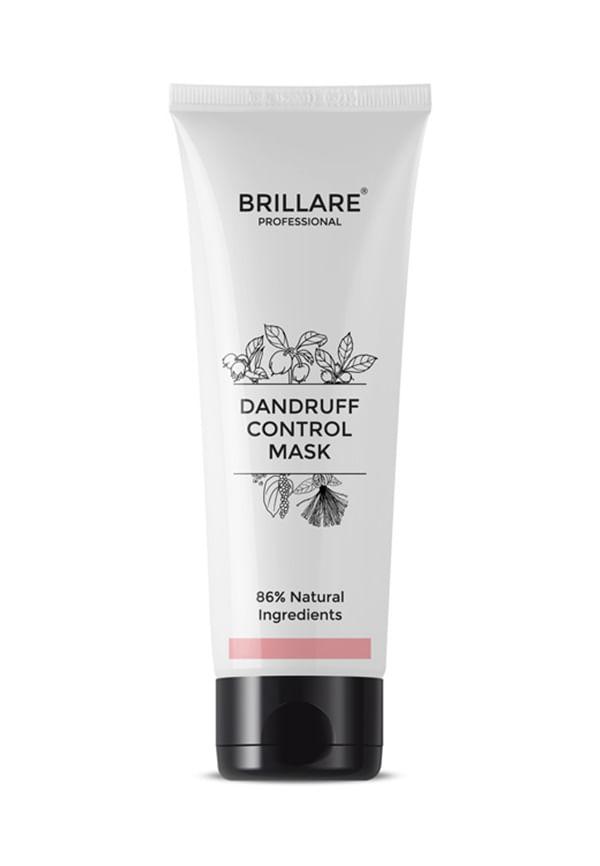
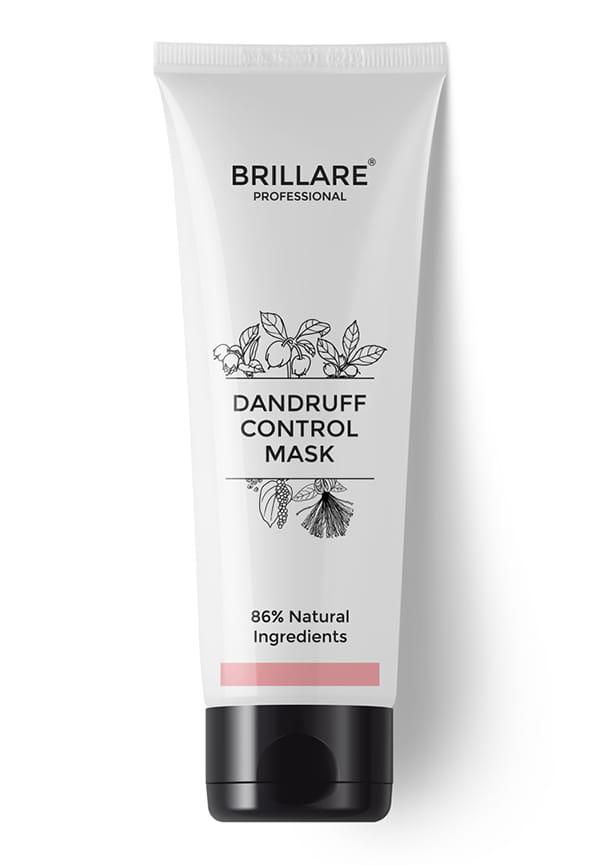
Dandruff Control Mask For Itchy, Flaky Scalp
Excellent Hair Mask
5“Good and effectve hair mask Been using for 2 years ”
Effective for Dandruff
5“go for it guys. it's worked very well. those who have dandruff don't think before buying.”
Protect your scalp from environmental stressors. Wear a hat in harsh sun or wind, and rinse your hair after swimming in chlorinated pools. These simple steps prevent external irritants from disrupting your scalp's natural balance.
Manage stress levels, as stress can trigger scalp inflammation and worsen existing conditions. Regular exercise, adequate sleep, and stress-reduction techniques all contribute to scalp health.
Pay attention to your diet. Foods rich in omega-3 fatty acids, zinc, and B vitamins support healthy scalp function. Stay hydrated—your scalp needs moisture from the inside out.
Clean your hairbrushes and pillowcases regularly. These can harbour bacteria and fungi that contribute to scalp problems. Wash brushes weekly and change pillowcases every few days if you're dealing with active scalp issues.
Most people notice some improvement within 2-3 days of starting treatment. Natural remedies like aloe vera provide immediate cooling relief, whilst medicated shampoos typically show results within a week of consistent use. Complete resolution usually takes 2-4 weeks depending on the underlying cause.
Yes, but be careful not to overdo it. You can combine gentle treatments like oatmeal masks with natural oils, but avoid using multiple medicated products simultaneously as this can cause irritation. Start with one treatment and add others gradually.
Nighttime itching often happens because there are fewer distractions, making you more aware of the sensation. Additionally, lying down can increase blood flow to the scalp, intensifying itching. Try applying a cooling treatment before bed and use a silk pillowcase to reduce friction.
Most natural remedies are safe for colour-treated hair, but apple cider vinegar and clarifying shampoos can strip colour faster. Test any new treatment on a small section first, and consider using colour-safe medicated shampoos if you have chemically processed hair.
Consult a dermatologist if your symptoms persist after 3-4 weeks of consistent treatment, if you notice hair loss, severe redness, open sores, or if the itching is affecting your sleep or daily activities. These could indicate a more serious condition requiring professional treatment.
Dealing with an itchy scalp doesn't have to be a long-term struggle. Whether your issue stems from dandruff, dryness, product buildup, or sensitivity, there's likely a solution that will work for you. The key is being patient and consistent with your chosen treatment whilst paying attention to what your scalp is telling you.
Remember that what works brilliantly for your friend might not work for you—scalp chemistry is individual. Don't be afraid to experiment with different approaches, from medicated shampoos to natural remedies, until you find your perfect match. With the right treatment and some simple prevention strategies, you can get back to focusing on more important things than constantly wanting to scratch your head.
