7 Proven Ways to Stop Hair Thinning Now


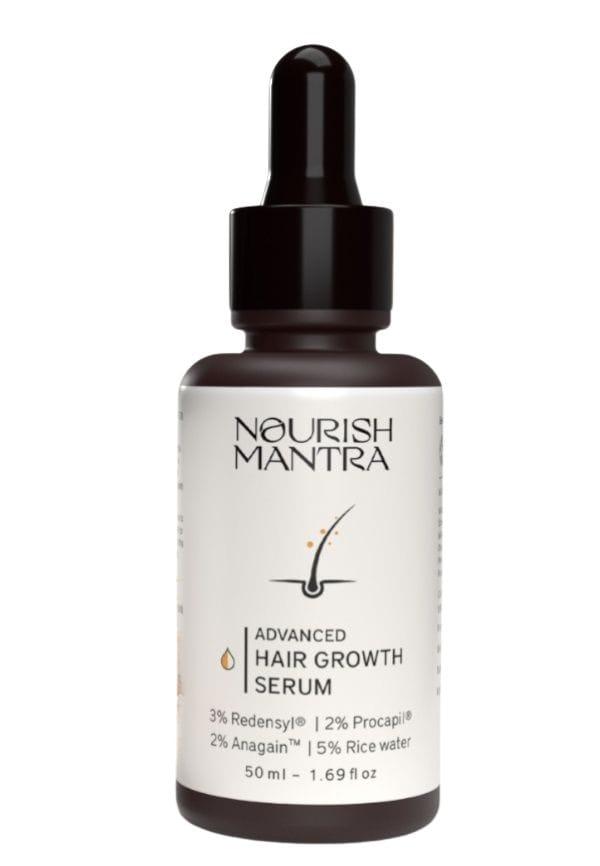
Advanced Hair Growth Serum for Hair Regrowth and Prevention of Hair Thinning - 50 ml
Hair thinning can feel like watching your confidence slip away strand by strand. But here's the thing—preventing hair thinning issues isn't just about genetics or age. Real talk, there are proven ways to keep your hair thick, healthy, and full of life. Whether you're noticing more strands on your pillow or your ponytail feels thinner than before, these seven science-backed methods can help you take control. Let's dive into what actually works, not just what sounds good on social media.
Before jumping into solutions, let's get real about what's happening up there. Hair thinning causes aren't always obvious, and understanding them is your first step towards preventing hair thinning issues effectively. Hormonal changes top the list of culprits. DHT (dihydrotestosterone) is basically your hair's worst enemy—it shrinks hair follicles until they can't produce healthy strands anymore. Women dealing with menopause, PCOS, or thyroid issues often see their hair density take a hit too. Then there's stress, which floods your system with cortisol and pushes hair follicles into early retirement. Nutritional gaps play a huge role as well. Your hair needs protein, iron, zinc, and vitamins to stay strong. Skip these, and your scalp health suffers. Environmental damage from pollution, UV rays, and harsh styling practices also contribute to thinning hair solutions becoming necessary sooner than expected.
Your hair follows a pretty predictable pattern, and knowing this helps with hair loss prevention strategies. Each strand goes through three phases: anagen (growth), catagen (transition), and telogen (rest). The anagen phase is where the magic happens—this is when your hair actually grows. When things go wrong, hair follicles start miniaturising. They get smaller and weaker with each cycle until they eventually stop producing hair altogether. Normal shedding means losing 50-100 strands daily, but if you're seeing way more than that, it's time to take action. Factors like age, genetics, and lifestyle choices influence how thick your hair stays over time. The good news? Many of these factors respond well to the right hair growth tips and consistent care.
Ready for the good stuff? These methods aren't just trending on social media—they're backed by actual research and real results.
Your scalp is basically the soil where your hair grows, so keeping it healthy is non-negotiable. Scalp massage isn't just relaxing—it boosts blood circulation, which means more nutrients reach your hair follicles. Try massaging your scalp for 5-10 minutes daily using gentle circular motions. Essential oils like rosemary, peppermint, and cedarwood have shown promise in studies for promoting hair growth. Mix a few drops with a carrier oil like jojoba or coconut oil for best results.
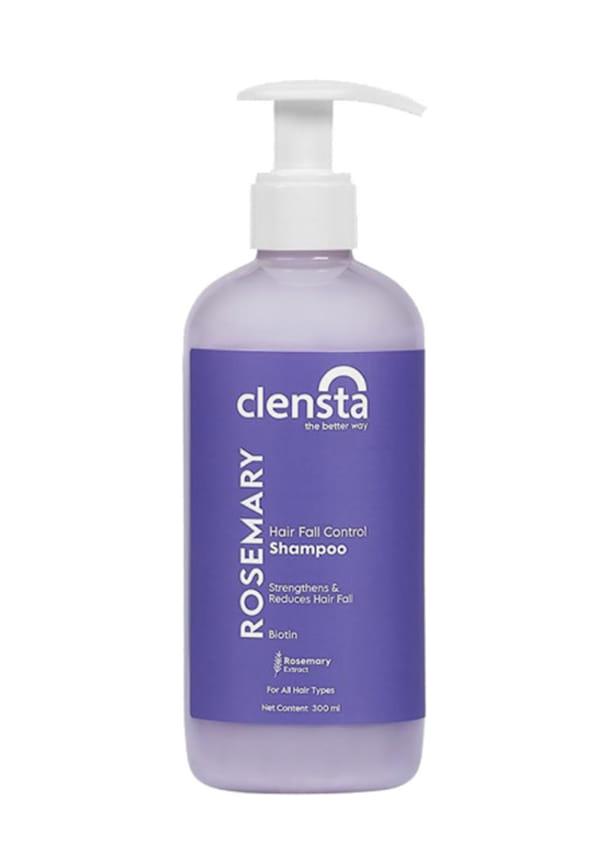
Rosemary Hair Fall Control Shampoo With Biotin For Reducing Hair Loss, Breakage & Daily Use
Your hair is basically a reflection of what you eat. Protein forms the building blocks of hair, so aim for quality sources like eggs, fish, legumes, and nuts. Iron deficiency is one of the most common hair thinning causes, especially in women. Vitamins matter too. Biotin, vitamin D, zinc, and omega-3 fatty acids all support hair density. Foods like salmon, spinach, sweet potatoes, and berries should become your best friends. If your diet isn't covering all bases, consider supplements—but chat with a healthcare provider first.
Not all haircare products are created equal, especially when you're dealing with thinning hair. Volume boosting haircare should be gentle yet effective. Look for sulphate-free shampoos that won't strip your scalp's natural oils. Wash your hair 2-3 times a week max—overwashing can actually make thinning worse. When styling, use heat protectants and keep temperatures low. Heavy conditioners and oils can weigh thin hair down, so opt for lightweight formulas that add volume without the bulk.
Stress and hair loss go hand in hand. When cortisol levels spike, your hair follicles can shift into the resting phase prematurely. This means less growth and more shedding—definitely not what we want. Find what works for you: meditation, yoga, regular exercise, or even just taking proper breaks during your day. Quality sleep is crucial too—aim for 7-9 hours nightly. Your hair does most of its growing while you sleep, so don't skimp on rest.
Some hair thinning treatment options have solid science behind them. Minoxidil is probably the most well-known—it's available over-the-counter and can help slow hair loss while promoting regrowth. Results typically show after 3-6 months of consistent use. Natural alternatives like saw palmetto and pumpkin seed oil have shown promise in smaller studies. Red light therapy is another option gaining traction. The key is consistency—these treatments only work if you stick with them.
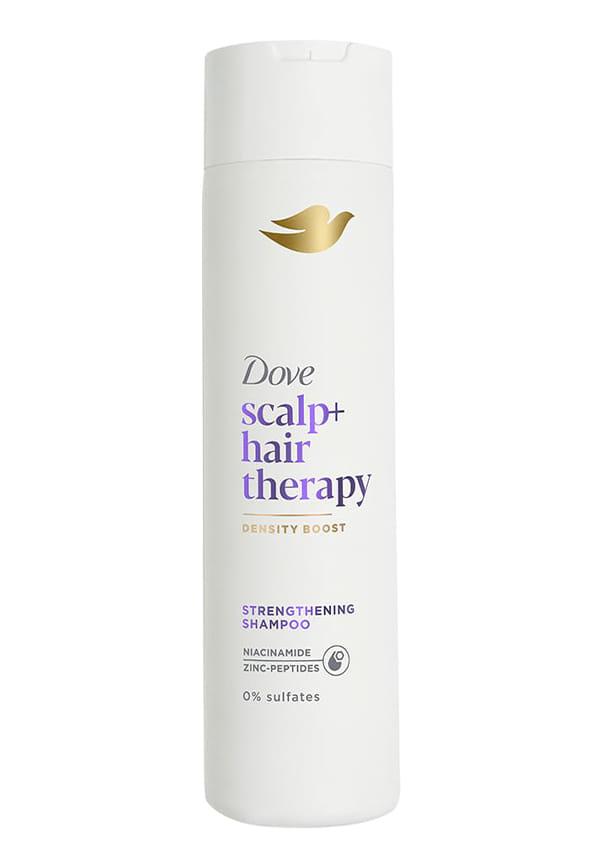
Dove Scalp+Hair Therapy Sulphate Free Density Boost Strengthening Shampoo
Your hair faces daily attacks from UV rays, pollution, and chemical treatments. UV protection isn't just for your skin—wear hats or use hair products with SPF when spending time outdoors. If you colour or chemically treat your hair, space out appointments and choose gentler formulas. Heat styling should be occasional, not daily. When you do use hot tools, always apply a heat protectant and keep temperatures below 180°C.
Consistency beats intensity when it comes to hair growth tips. Create a routine you can actually stick to—whether that's weekly scalp massages, daily supplements, or monthly deep conditioning treatments. Track your progress with photos taken in the same lighting and angle. Hair growth is slow, so don't expect overnight miracles. Most people see noticeable improvements after 3-6 months of consistent care.
Sometimes DIY methods aren't enough, and that's completely normal. If you're losing more than 100 strands daily, notice sudden bald patches, or your hair loss is affecting your confidence significantly, it's time to see a professional. Dermatologists and trichologists can identify underlying causes you might miss. They can prescribe stronger treatments like finasteride, recommend procedures like PRP therapy, or rule out medical conditions causing your hair loss. Don't wait until the problem becomes severe. Early intervention usually means better outcomes with thinning hair solutions.
Navigating the world of haircare products can feel overwhelming, especially when you're dealing with thinning hair. With so many brands claiming to be the solution, how do you know what actually works for your specific needs? This is where trying before buying becomes invaluable. Smytten, India's largest product discovery and trial platform, connects you with over 1,500 trusted brands including haircare favourites that specialise in volume boosting and scalp health. Instead of committing to full-size products that might not work for your hair type, you can explore curated trial packs from brands known for their effective formulations. The platform offers mini-sized products that let you test everything from gentle shampoos to scalp treatments before making larger investments. With up to 8 minis available for just ₹249, plus 100% cashback redeemable for future purchases, you can build your perfect haircare routine without the guesswork. When you find products that genuinely help with preventing hair thinning issues, purchasing the full-size versions is just a click away.
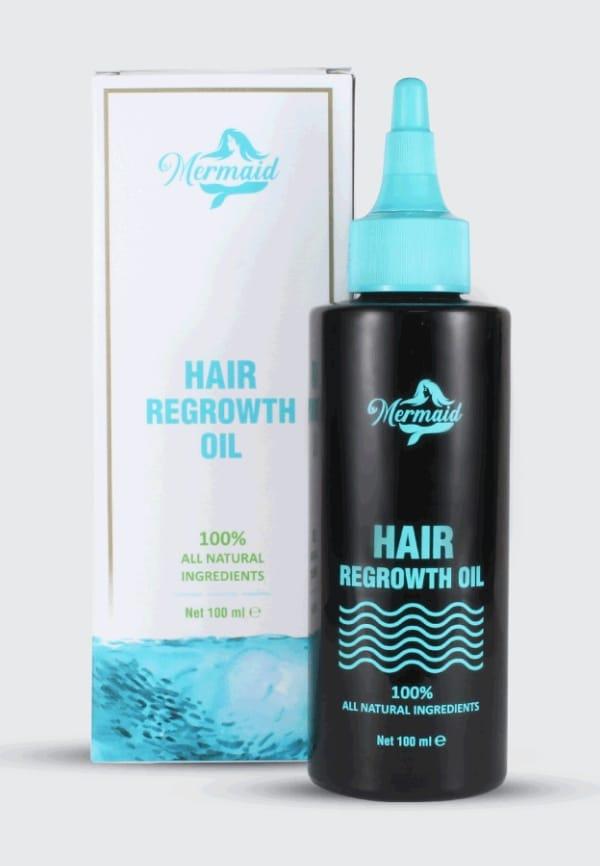
Hair Regrowth Oil 100ml
Most hair thinning treatment options require 3-6 months of consistent use before you notice significant changes. Hair grows slowly—about half an inch per month—so patience is key. Some people see reduced shedding within the first month, but actual regrowth takes longer.
Stress-related hair loss is usually temporary if you address the underlying stressors. However, chronic stress can contribute to pattern hair loss over time. Managing stress through lifestyle changes, exercise, and relaxation techniques can help prevent further thinning.
Not necessarily. Price doesn't always indicate effectiveness. Focus on ingredients rather than price tags. Look for products with proven ingredients like biotin, caffeine, or peptides. Sometimes drugstore brands work just as well as luxury options.
Washing frequency depends on your scalp type and lifestyle. Generally, 2-3 times per week works for most people with thinning hair. Overwashing can strip natural oils, but underwashing can clog follicles. Find the balance that keeps your scalp clean without irritation.
It depends on the cause and how early you start treatment. Some types of hair loss, like androgenetic alopecia, can be slowed and partially reversed with proper treatment. However, completely restoring hair to its original density isn't always possible. The goal is usually to maintain what you have and encourage some regrowth.
Preventing hair thinning issues isn't about finding one magic solution—it's about creating a comprehensive approach that addresses multiple factors. From optimising your scalp health and nutrition to choosing the right products and managing stress, every step matters. Remember, consistency trumps perfection. You don't need to implement all seven methods at once. Start with one or two that feel most manageable, then gradually build your routine. Whether it's daily scalp massages, switching to gentler haircare products, or finally addressing that chronic stress, small changes add up to significant results. The key is finding what works for your specific situation and sticking with it long enough to see results. Your hair journey is unique, and with the right approach, you can maintain healthy, fuller-looking hair for years to come.
