7 Proven Ways to Reduce Dandruff in India Fast


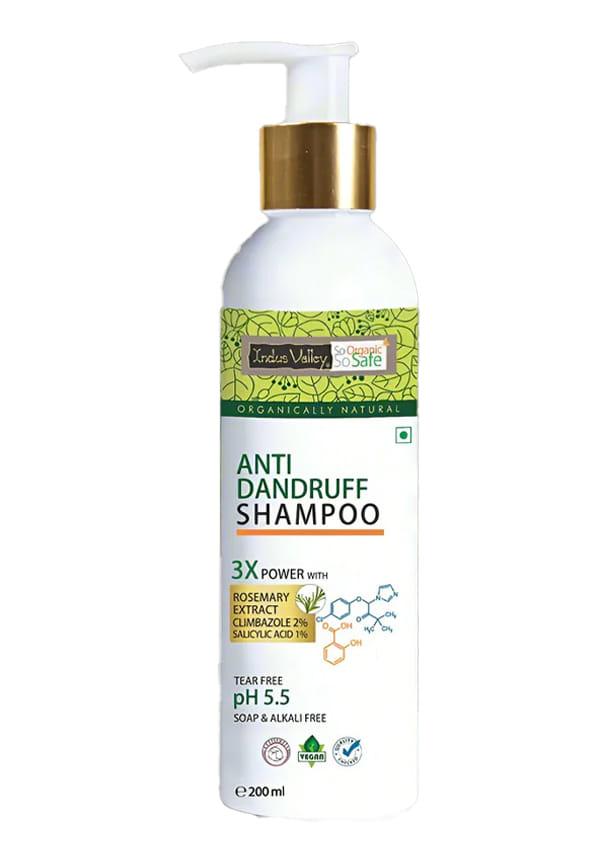
Anti Dandruff Shampoo
Amazing Product for Dandruff
 5
5“I didn't expect it to be this good. It is really an amazing product for person with dandruff.”
Amazing Product for Dandruff
5“I didn't expect it to be this good. It is really an amazing product for person with dandruff.”
Amazing Product for Dandruff
5“I didn't expect it to be this good. It is really an amazing product for person with dandruff.”
Let's be real—dandruff is that uninvited guest that shows up at the worst times. You're wearing your favourite black top, and suddenly those white flakes decide to make an appearance. If you're wondering how to reduce dandruff in India, you're not alone. Between our humid climate, pollution, and hard water, our scalps face unique challenges. The good news? There are proven ways to tackle this issue fast, and we're about to dive into seven methods that actually work.
Before jumping into solutions, let's decode what dandruff actually is. It's not just dry skin flaking off—though that's a common misconception. Dandruff is a scalp condition where skin cells shed faster than normal, creating those visible white or yellowish flakes.
Our Indian climate creates the perfect storm for dandruff. The humidity makes your scalp produce more oil, while pollution and dust clog pores. Hard water strips natural oils, leaving your scalp confused about whether to produce more oil or stay dry. Add stress from our fast-paced lives, spicy food, and hormonal changes, and you've got a recipe for flaky chaos. The Malassezia fungus loves our warm, humid environment. This naturally occurring yeast feeds on scalp oils and multiplies rapidly, causing irritation and faster skin cell turnover.
Dandruff isn't just about flakes. Watch for persistent itching, scalp redness, or that tight feeling after washing your hair. Sometimes, you might notice more hair fall than usual—that's your scalp's way of saying it needs help.
Now for the good stuff—methods that actually work for Indian hair and scalp conditions. These aren't just random tips; they're tried and tested solutions that address our specific challenges.
Not all anti-dandruff shampoos are created equal. Look for ingredients like ketoconazole, zinc pyrithione, or selenium sulfide. These target the fungus causing your dandruff, not just the symptoms. Use your anti-dandruff shampoo 2-3 times a week initially, then reduce to once weekly for maintenance. Here's the trick: massage it into your scalp and leave it for 3-5 minutes before rinsing. This gives the active ingredients time to work their magic.
Sometimes the best solutions are sitting in your kitchen. These natural dandruff cures have been passed down through generations for good reason. Tea tree oil is your scalp's best friend. Mix 5-10 drops with a carrier oil like coconut oil and massage into your scalp. Its antifungal properties tackle the root cause. Coconut oil isn't just trendy—it's genuinely effective. Warm it slightly and massage into your scalp 30 minutes before washing. It moisturises while fighting fungus. Neem paste might smell strong, but it's incredibly effective. Grind fresh neem leaves with water, apply to your scalp, and wash off after 20 minutes.
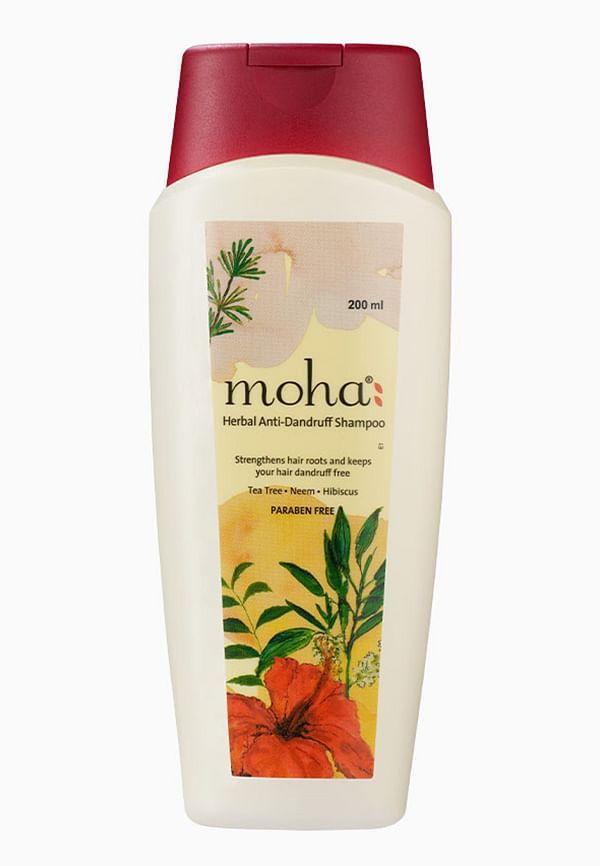
Herbal Anti Dandruff Shampoo
Itchy scalp remedies focus on soothing irritation while addressing the underlying cause. Apple cider vinegar mixed with equal parts water makes an excellent rinse. Its acidity helps balance your scalp's pH and reduces fungal growth. Aloe vera gel applied directly to the scalp provides instant cooling relief. Keep it on for 15-20 minutes before washing for best results.
Dandruff control isn't just about what you put on your head—it's about what you put in your body. Zinc-rich foods like pumpkin seeds, chickpeas, and spinach support scalp health. Omega-3 fatty acids from fish, walnuts, and flaxseeds reduce inflammation. Probiotic foods like yoghurt and fermented rice help balance the good bacteria that keep fungus in check.
Daily scalp care tips can make or break your dandruff control efforts. Brush your hair gently with a natural bristle brush to distribute oils and remove loose flakes. Avoid aggressive scrubbing—it only irritates your scalp more. Massage your scalp for 2-3 minutes daily to improve circulation. Use your fingertips, not nails, in gentle circular motions.
Stress doesn't just affect your mind—it shows up on your scalp too. Practice meditation, yoga, or any activity that helps you unwind. Poor sleep disrupts hormone balance, which can worsen dandruff. Regular exercise improves blood circulation to your scalp, helping deliver nutrients where they're needed most.
If your dandruff doesn't improve after 4-6 weeks of consistent treatment, it's time to see a dermatologist. Severe itching, red patches, or hair loss could indicate a more serious condition that needs medical attention.
Building an effective routine is key to long-term dandruff control. Your daily habits matter just as much as the products you use.
Start with gentle brushing to remove any overnight flake buildup. If your scalp feels tight or itchy, apply a few drops of diluted tea tree oil or aloe vera gel.
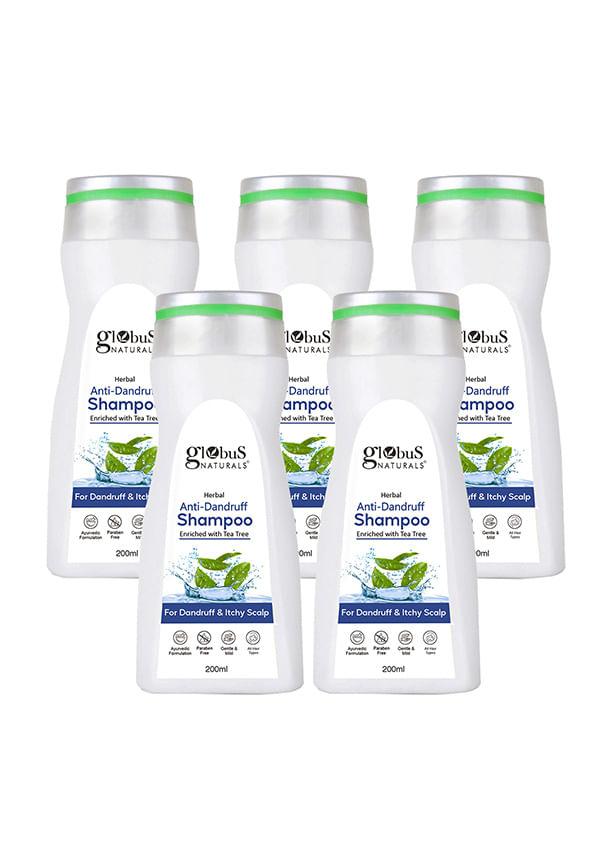
Anti Dandruff Shampoo, For Dandruff and Itchy Scalp
Good Value for Money
4“I like the product and two product are 200 ml so is value for money and what it”
Cooling Anti-Dandruff Shampoo
5“एंटी डैंड्रफ शैंपू शैंपू बहुत अच्छे हैं इससे गर्मियों में बहुत अच्छा लगता है ठंडा ठंडाफील होता है”
Unexpectedly good quality
5“I love it not expected this quality super”
This is when you can do deeper treatments. Oil massages work best in the evening, giving the treatment time to penetrate overnight. Just remember to protect your pillowcase!
Once a week, give your scalp extra attention. This could be a longer oil treatment, a natural mask, or simply spending more time massaging during your shampoo routine.
The best dandruff treatment is preventing it from coming back. This means understanding your triggers and adjusting your routine accordingly.
Protect your hair from pollution with a scarf or hat when possible. If you live in an area with hard water, consider using a water softener or final rinse with filtered water. Air conditioning can dry out your scalp, so use a humidifier in your room if possible.
When exploring new haircare products, trying before committing to full sizes makes perfect sense. Platforms like Smytten let you test different anti-dandruff shampoos and treatments through trial packs, so you can find what works for your specific scalp needs without the commitment. With over 1,500 trusted brands available in mini sizes, you can experiment with various dandruff solutions until you find your perfect match.
Even with the best intentions, some habits can sabotage your dandruff control efforts. Let's avoid these pitfalls.
More isn't always better. Washing your hair daily can strip natural oils, causing your scalp to produce even more oil to compensate. Stick to every other day or every two days, depending on your hair type. Using too many products at once can irritate your scalp. Introduce new treatments one at a time so you can identify what works.
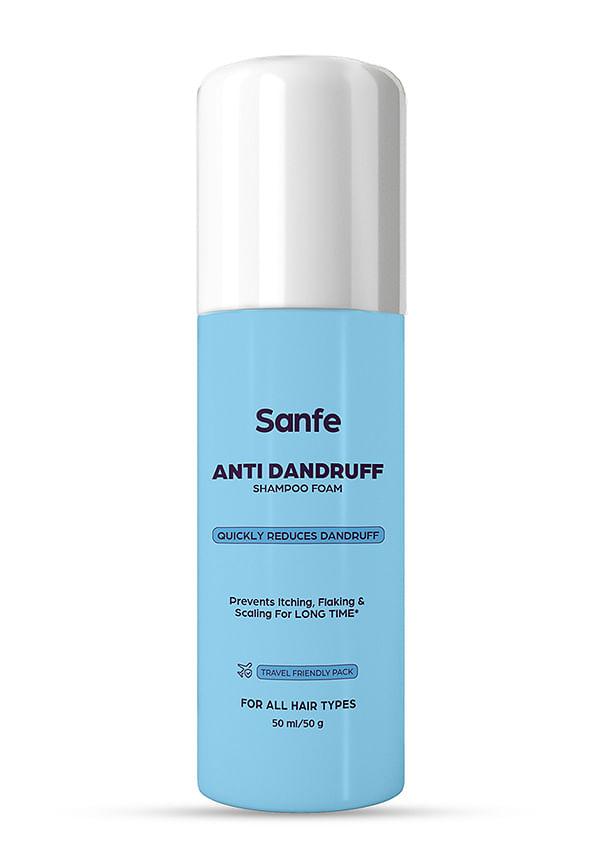
Anti Dandruff One Wash Shampoo
Good Product
4“Good product.I used it and liked it”
Sanfe shampoo is good
4“sanfe anti dandruff shampoo is good”
Good Product, Finishes Quickly
4“it's good as product, but finishes very quickly, like after 3 uses”
If your dandruff suddenly gets worse or is accompanied by severe itching, redness, or hair loss, don't ignore it. These could be signs of seborrheic dermatitis or other scalp conditions that need medical attention.
Most people notice improvement within 2-4 weeks of consistent treatment. Natural remedies might take a bit longer than medicated shampoos, but patience pays off.
Dandruff can be controlled very effectively, but it's often a recurring condition. The key is finding a maintenance routine that keeps it at bay.
Not necessarily. Some of the most effective treatments are simple and affordable. It's about finding the right ingredients for your specific scalp condition.
No, dandruff isn't contagious. It's caused by factors like fungal overgrowth, oil production, and skin sensitivity—not by contact with others.
The increased humidity during monsoons can worsen dandruff for many people. You might need to adjust your routine, washing more frequently or using stronger treatments during this time.
Dandruff flakes are usually oily and yellowish, while dry scalp produces smaller, white flakes. Dandruff often comes with itching, while dry scalp feels tight and uncomfortable.
Dealing with dandruff doesn't have to be a lifelong struggle. With the right combination of treatments, lifestyle changes, and consistent care, you can achieve a healthy, flake-free scalp. Remember, what works for your friend might not work for you—and that's perfectly normal. The key is being patient with the process and consistent with your routine. Whether you choose natural remedies, medicated shampoos, or a combination of both, give each method time to work before switching to something else. Smytten's trial approach to product discovery makes this journey much easier. Instead of investing in full-size products that might not work for your scalp, you can try different dandruff treatments through their curated trial packs. With over 25 million users finding their perfect products this way, you're in good company. After all, why settle for 'maybe this will work' when you can try it all and find what actually does?
